Star Wars Eclipse Development Stalled: Why the High Republic Adventure Is Still Years Away
A Promising Announcement Meets Early Development Reality The debut of Star Wars Eclipse was strategically brilliant. Unveiled during gaming’s biggest annual showcase, the cinematic trailer promised a...

A Promising Announcement Meets Early Development Reality
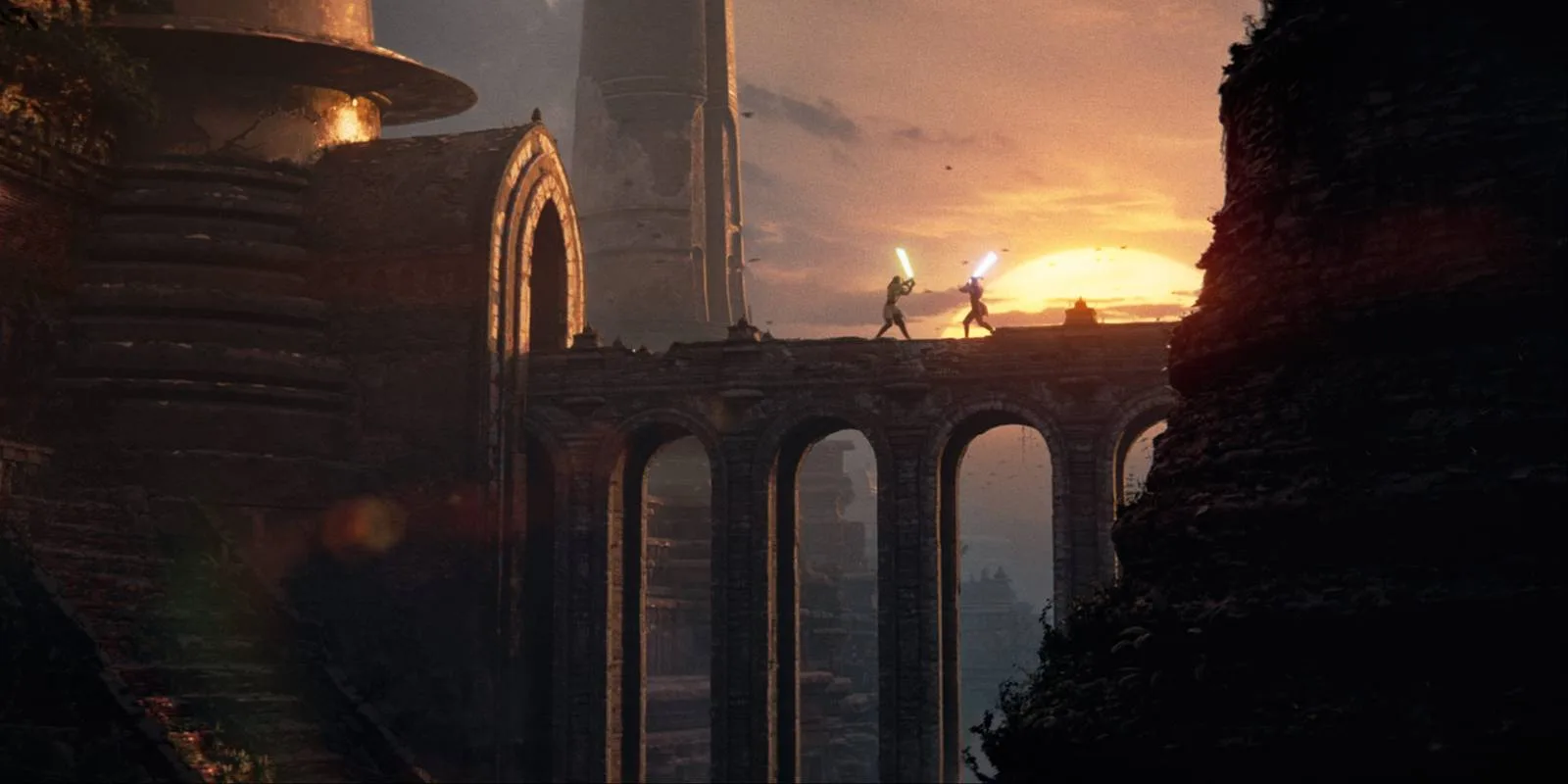
The debut of Star Wars Eclipse was strategically brilliant. Unveiled during gaming’s biggest annual showcase, the cinematic trailer promised a fresh take on the galaxy far, far away. It wasn't about Skywalkers or Sith Lords we knew; it was set centuries before The Phantom Menace, in the golden age of the High Republic. This was a period ripe for exploration, known from books and comics but never before realized in a major video game. The developer, Quantic Dream, was a known quantity, famed for narrative-heavy, choice-driven experiences like Detroit: Become Human. The partnership with Lucasfilm Games signaled a major investment.
However, the fine print was crucial. Even in that moment of excitement, the announcement carried a significant caveat: the game was in "early development." This tempered expectations from the start, setting a distant horizon. Fans understood it would be a long wait, but the assumption was that the wheels were turning steadily behind the scenes. That assumption is now under serious doubt.
The Reported Development Gridlock
Recent reports, primarily from established industry outlets like Insider-Gaming, depict a project in stasis. Development is described as "very slow-going," with sources indicating there has been "very little progress over months." This creates a confusing paradox: while "a good portion of the game" is reportedly complete, the project is simultaneously stated to be "years off from completion."
This gridlock stems from identifiable forces. Quantic Dream's history of ambitious, meticulously crafted narratives is technically demanding. Adapting their engine and design philosophy to the scale of a AAA Star Wars action-adventure title—a franchise requiring specific visual fidelity, complex sound design, and potentially large-scale environments—is a monumental task. The jump from the contained, character-focused scenes of Detroit to the epic scope expected of a Star Wars game is a primary source of the developmental friction and slow pace.
A Risky Financial Strategy: Funding Eclipse with Spellcasters
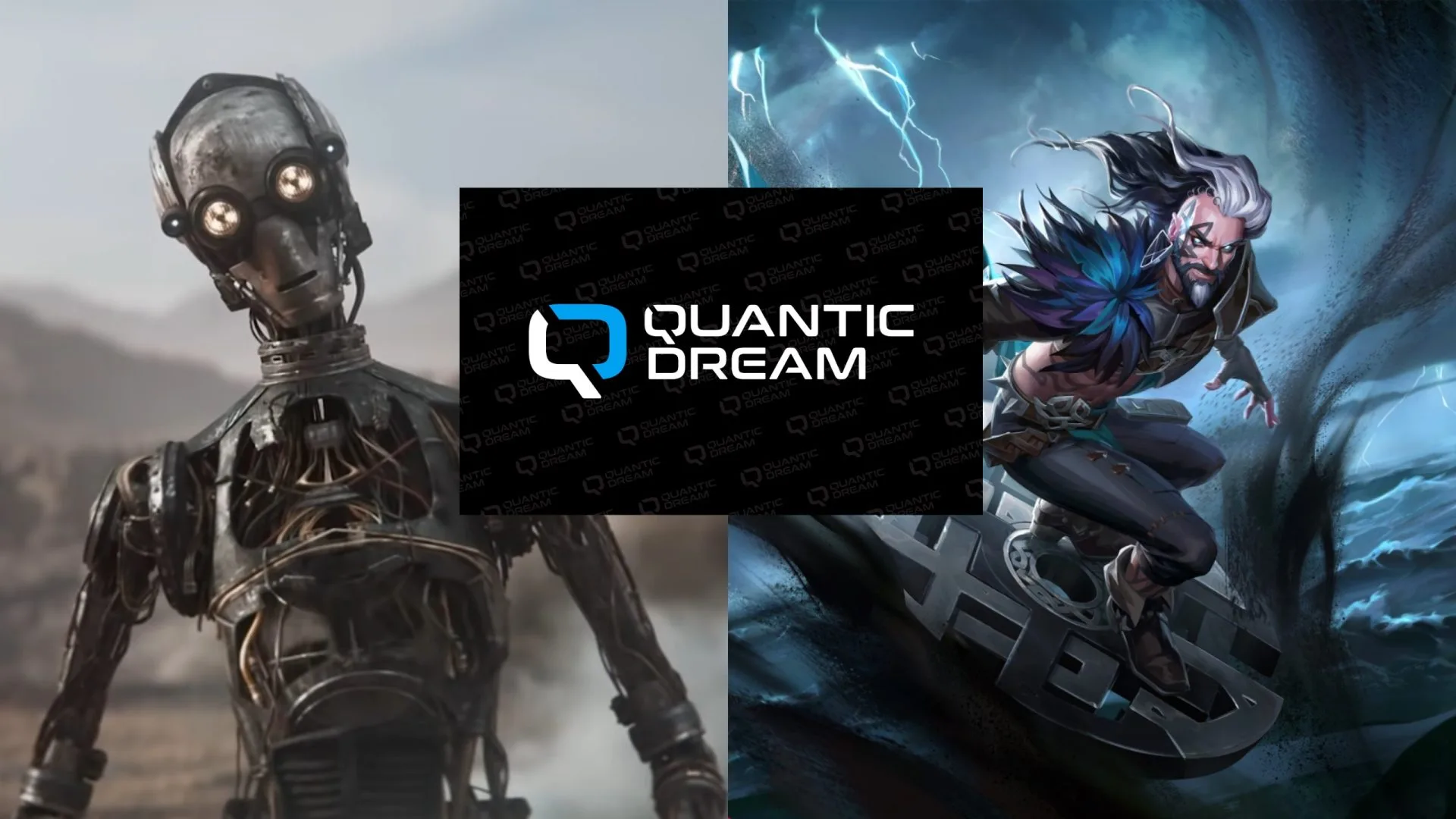
The most startling revelation about Eclipse’s predicament is its reported financial lifeline. According to reports, Quantic Dream and its parent company, Chinese tech giant NetEase (which acquired the studio in 2022), are relying on revenue from the studio’s live-service game, Spellcasters Chronicles, to fund Eclipse’s continued development.
This strategy has turned into a significant risk. Spellcasters Chronicles, a free-to-play 3v3 MOBA, launched into Steam Early Access in February 2026 to a muted reception. Player data tells a stark story: a peak of just 888 concurrent players at launch, dwindling to a 24-hour peak of 86. Its Steam review status sits at "Mixed." For a live-service game dependent on a thriving player base for sustained revenue, these numbers are alarming.
The direct consequence, as reported, is that if Spellcasters Chronicles fails commercially, NetEase may "reevaluate its commitment" to Quantic Dream. In practical terms, this could mean pulling the plug on further investment for Star Wars Eclipse, potentially dooming the project entirely. The fate of a flagship Star Wars title is thus gambled on the success of a niche multiplayer game struggling to find its audience.
The Broader Context and Radio Silence
This risky funding model explains other troubling details: NetEase has reportedly not invested to expand the Eclipse development team, leaving the project to proceed with its current resources at its slow pace.
This corporate caution is mirrored by a near-total communications blackout from the developers. The last significant official word came in October 2025, when Quantic Dream CEO David Cage briefly confirmed development was continuing. Since then, there has been no mention of a release window, target platforms, or any meaningful update. This radio silence, while common for troubled projects, fuels speculation and concern among the fanbase.
While these reports are attributed to credible industry sources with high probability ratings, it is critical to acknowledge they remain unconfirmed by Quantic Dream, Lucasfilm Games, or NetEase. The situation, however, aligns with recognizable patterns in game development when projects encounter severe hurdles.
What This Means for Fans and the Future
For fans, the report that Eclipse is still "years off from completion"—over four years after its announcement—is deeply disheartening and raises grim possibilities. A project in development this long risks needing a technical or creative reboot as engine technology advances. The immense hype from the 2021 reveal has almost certainly dissipated, meaning the game would need to rebuild momentum from scratch.
Several outcomes seem plausible: a quiet cancellation, a prolonged hibernation for a future reboot under a new structure, or the faintest hope of a surprise completion should funding be secured. The latter seems the least likely given the current trajectory.
The only prudent advice for excited fans is to exercise extreme caution and patience. Star Wars Eclipse should be mentally filed away as a fascinating "what if" until concrete, official evidence emerges that it has successfully navigated this perilous phase.
Star Wars Eclipse represents a high-stakes gamble in modern AAA development. Its journey reveals how a specific financial strategy—tying a blockbuster's fate to a fledgling live-service title—can dictate the future of a major IP. The project's survival now hinges on a corporate evaluation that appears increasingly precarious. While hope for a High Republic adventure never fully extinguishes, the path forward is defined by uncertainty. The next sign of life to watch for is not a new trailer, but any official word from Quantic Dream or Lucasfilm Games that can break the silence and redefine this project's troubled trajectory. For now, Star Wars Eclipse remains a case study in high-risk development, its future less a question of 'if' and more a countdown to NetEase's next financial review.