Splinter Cell Remake in Limbo: Analyzing Ubisoft's Layoffs and the Future of the Franchise
The layoff of 40 staff at Ubisoft Toronto has directly hit the team behind the long-awaited Splinter Cell remake. This move forces a grim question for fans: is Sam Fisher's return in jeopardy, or is...

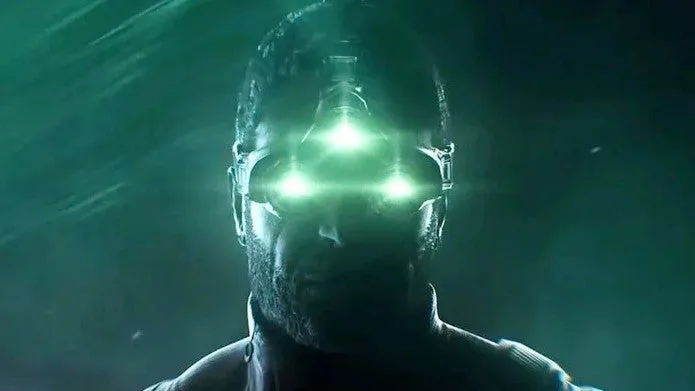
The layoff of 40 staff at Ubisoft Toronto has directly hit the team behind the long-awaited Splinter Cell remake. This move forces a grim question for fans: is Sam Fisher's return in jeopardy, or is this just another painful step in Ubisoft's corporate overhaul?
The publisher's immediate, crucial clarification—that the project "remains in development"—creates a dissonance that defines the current state of AAA development. This juxtaposition of significant cuts to a core team with steadfast public commitment raises a stark question about the franchise's future. To find an answer, we must examine such layoffs not as isolated events, but as the intersection of a troubled project's history and a publisher undergoing a seismic reset.
The Toronto Layoffs: A Direct Hit to the Remake Team
The elimination of 40 positions at Ubisoft Toronto represents more than a statistic; it is a direct reduction of the human capital behind the Splinter Cell remake. The studio, founded in 2010, has been the public home for the project since its announcement. Ubisoft’s statement framed the decision within its global restructuring, noting it "was not taken lightly" and that affected staff would receive severance packages and career placement assistance.
However, the human impact extends beyond those who received notices. Layoffs and other cost-cutting measures have ignited broader labor unrest within the company. In a powerful response, 1,200 Ubisoft employees went on strike in a recent coordinated action. This underscores the tension between corporate restructuring and workplace stability, casting a shadow over the development environment for all ongoing projects, including Splinter Cell. Ubisoft clarified that the studio’s future will involve serving as a "co-development partner" on established titles like Rainbow Six, a shift from leading its own flagship revivals.
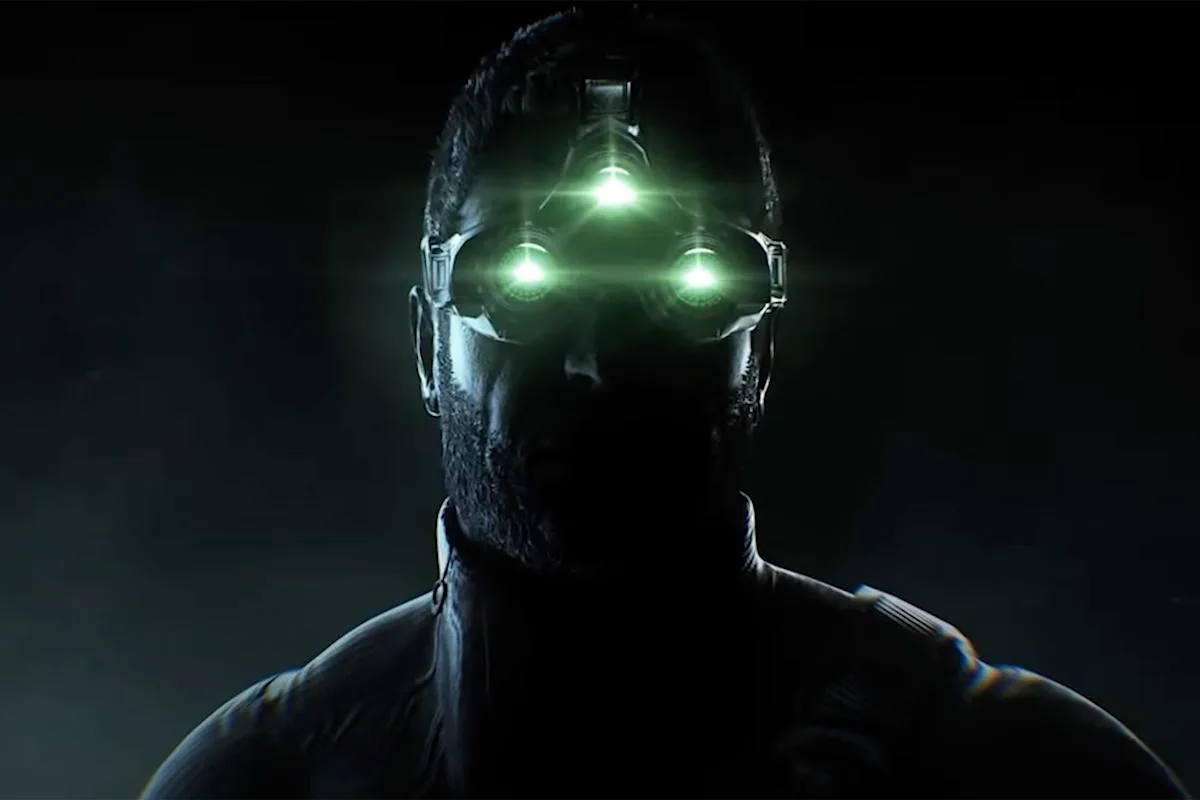
A Remake's Rocky Road: From Announcement to Uncertainty
To understand why such layoffs feel particularly ominous, one must revisit the remake’s already fraught journey. The project was first announced in December 2021, heralded as a ground-up rebuild of the classic original for modern audiences. Ubisoft Toronto promised updated visuals and gameplay, a modernized story, and—critically—a commitment to the linear, tense, shadow-based design that defined the early series, explicitly rejecting the open-world trends of Ubisoft’s other franchises.
For years, this vision sustained fan hope. Yet, the path from announcement to release has been marked by near-total silence and growing industry skepticism. The recent layoffs now directly link the remake’s turbulence to another high-profile casualty: the canceled remake of Prince of Persia: The Sands of Time, a project the Toronto studio was also assisting. The precedent is unsettling. If a beloved franchise like Prince of Persia can be shelved after years of troubled development, what insurance does Splinter Cell have? The layoffs suggest the remake is experiencing similar developmental challenges, resource re-evaluations, or both.
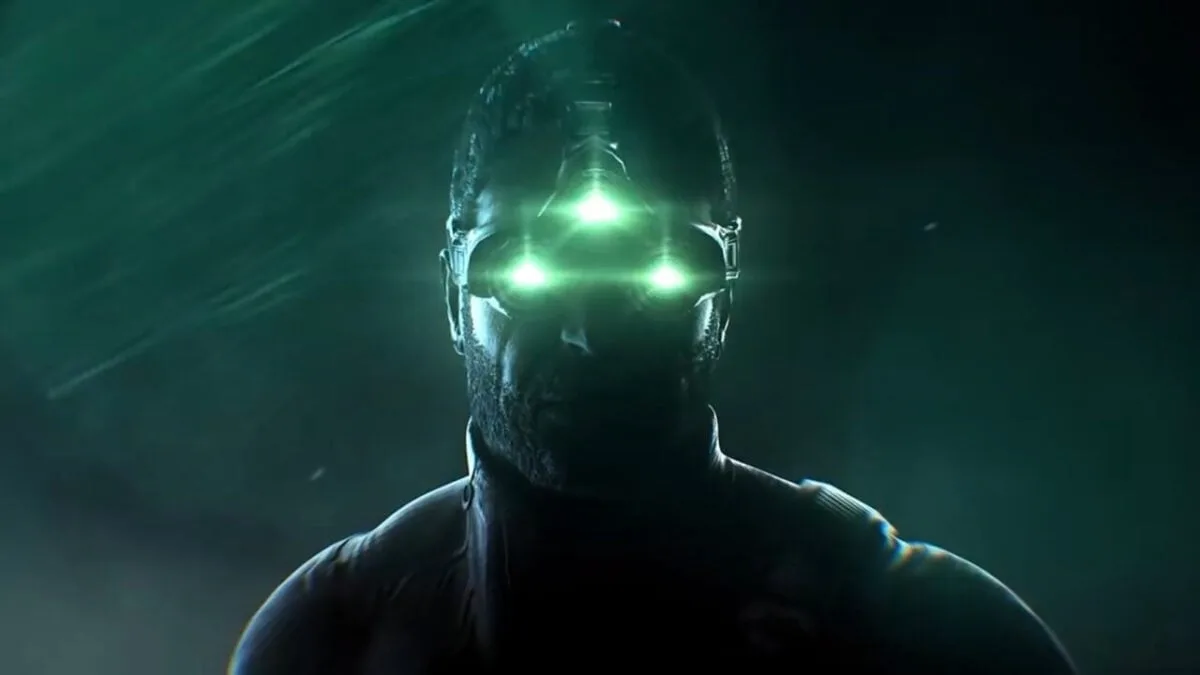
The Bigger Picture: Ubisoft's "Major Reset" and Tencent's Shadow
Cuts like those in Toronto are not anomalies. They are deliberate actions within Ubisoft’s broader "major organisational, operational and portfolio reset" announced in early 2024. This corporate strategy has manifested as a brutal pruning exercise across the global company, involving studio closures, multiple project cancellations, and significant game delays. The goal is clear: to reduce costs, streamline operations, and double down on proven, reliable revenue streams.
A pivotal factor in this new direction is the significant $1.25 billion investment from Tencent. This deal granted the Chinese conglomerate shared control over some of Ubisoft’s most valuable IP, including Assassin’s Creed. Tencent’s influence likely reinforces a portfolio strategy focused on live-service potential, mobile adaptations, and mega-franchises with guaranteed returns. In this financially-driven environment, a single-player, narrative-focused remake of a series that has been dormant for over a decade inherently carries more risk. Layoffs can be seen as a reallocation of resources away from such risky bets and toward the "surer things" in Ubisoft’s—and by extension, Tencent’s—portfolio.
What's Next for Ubisoft Toronto and Splinter Cell?
The immediate future for Ubisoft Toronto is one of support rather than leadership. Its designation as a co-development partner for titles like Rainbow Six indicates a shift away from helming its own ambitious, single-player revivals. This context makes the official stance on the Splinter Cell remake feel increasingly precarious.
We are left analyzing conflicting signals. On one hand, Ubisoft continues its public affirmation that the project is alive. On the other, the resource drain of key staff layoffs and the chilling precedent of the canceled Prince of Persia remake paint a different picture. Several outcomes seem plausible. The project could emerge in a significantly scaled-back form, perhaps with a reduced scope or budget. It could be handed off to another, lower-cost studio, further delaying its arrival. Or, following the next portfolio review, it could join Sands of Time in cancellation purgatory. Its fate is now inextricably tied to Ubisoft’s new strategic priorities, where metrics of engagement and monetization potential may outweigh nostalgic passion.
The Splinter Cell remake has become a potent symbol of Ubisoft’s difficult and painful transition. It embodies the clash between cherished legacy and cold, contemporary corporate calculus. While officially breathing, the project exists in a state of profound uncertainty, caught in the crossfire of global restructuring, external shareholder influence, and a strategic pivot that favors endless worlds over focused shadows.
For fans, it’s a harsh lesson in modern gaming economics. The legacy of Sam Fisher and the pure stealth genre he represents now hinges not on creative vision, but on spreadsheets and portfolio reviews. The mission parameters for the third echelon have been irrevocably changed by forces far beyond the shadows.