Sony's PS5 Studio Strategy: Analyzing the Acquisitions, Closures, and Strategic Pivot
The Acquisition Spree – Building the PS5 Dream Team Sony’s acquisition strategy, which had been largely dormant since buying Sucker Punch Productions in 2011, roared back to life with the landmark...

The Acquisition Spree – Building the PS5 Dream Team
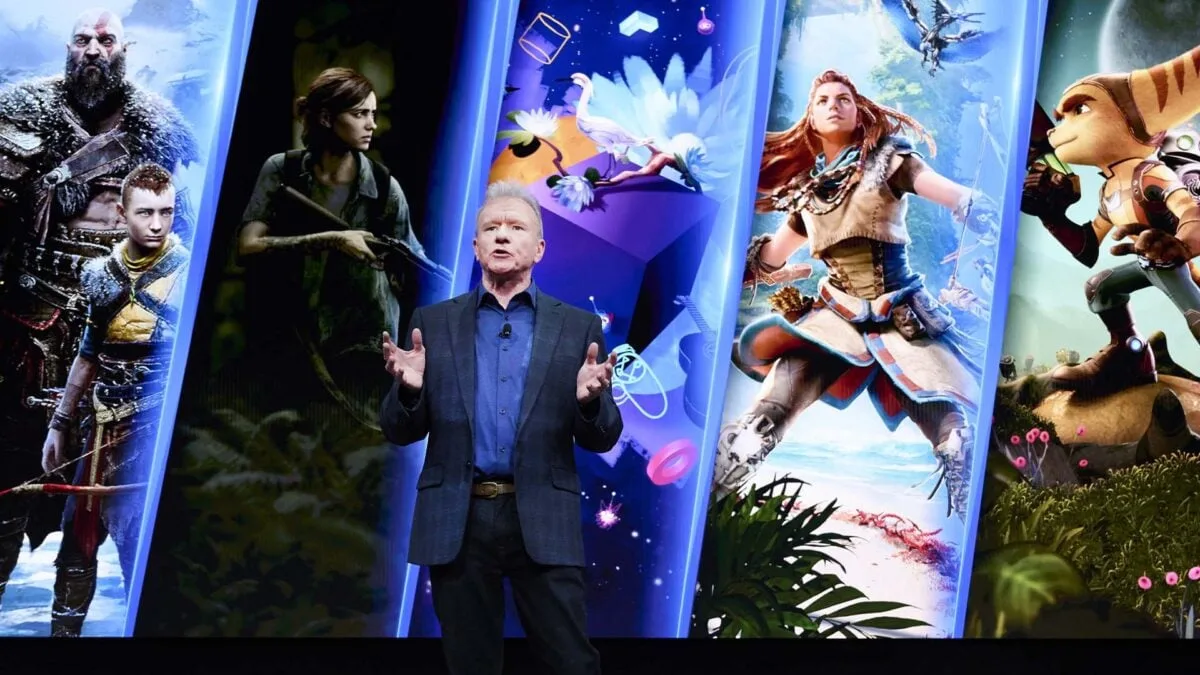
Sony’s acquisition strategy, which had been largely dormant since buying Sucker Punch Productions in 2011, roared back to life with the landmark purchase of Insomniac Games in 2019. This was the first piece in a complex puzzle. Over the next four years, Sony strategically expanded its roster, bringing the total to 11 new studios.
The acquisitions served multiple strategic intents. Some, like Insomniac and Bluepoint Games (2021), were "proven talent" acquisitions—studios with deep, successful histories working on PlayStation platforms, effectively making official what were already de facto first-party relationships. Others aimed to expand Sony’s genre footprint. Haven Studios (2022) and Firewalk Studios (2023) were founded to create new, original live-service franchises, while Nixxes Software (2021) was brought on to bolster PC porting expertise. The purchase of mobile developer Neon Koi (2022) signaled a serious intent to compete in the massive mobile market.
The initial reaction from the industry and fanbase was overwhelmingly positive. The narrative was one of strength and foresight; Sony was fortifying its walls against competitors and ensuring a pipeline of the high-quality, narrative-driven epics it was famous for, while also planting flags in emerging sectors. The PS5’s future seemed not just secure, but dazzlingly bright, powered by this newly assembled dream team.
The Unraveling – Closures, Layoffs, and Canceled Projects
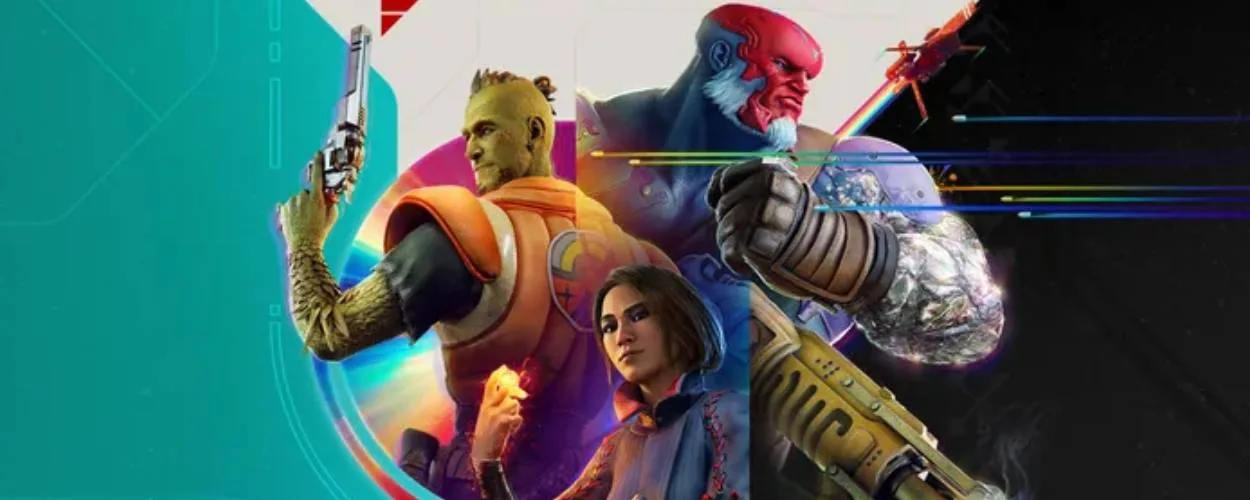
The optimistic facade began to crack with alarming speed. The most dramatic failures were outright studio closures. Firewalk Studios, acquired in 2023, was shuttered in 2024 just weeks after the launch of its debut title, the hero shooter Concord. The game was pulled from sale entirely within two months, a stunning and costly failure. Mobile-focused Neon Koi was closed the same year without ever releasing its first project.
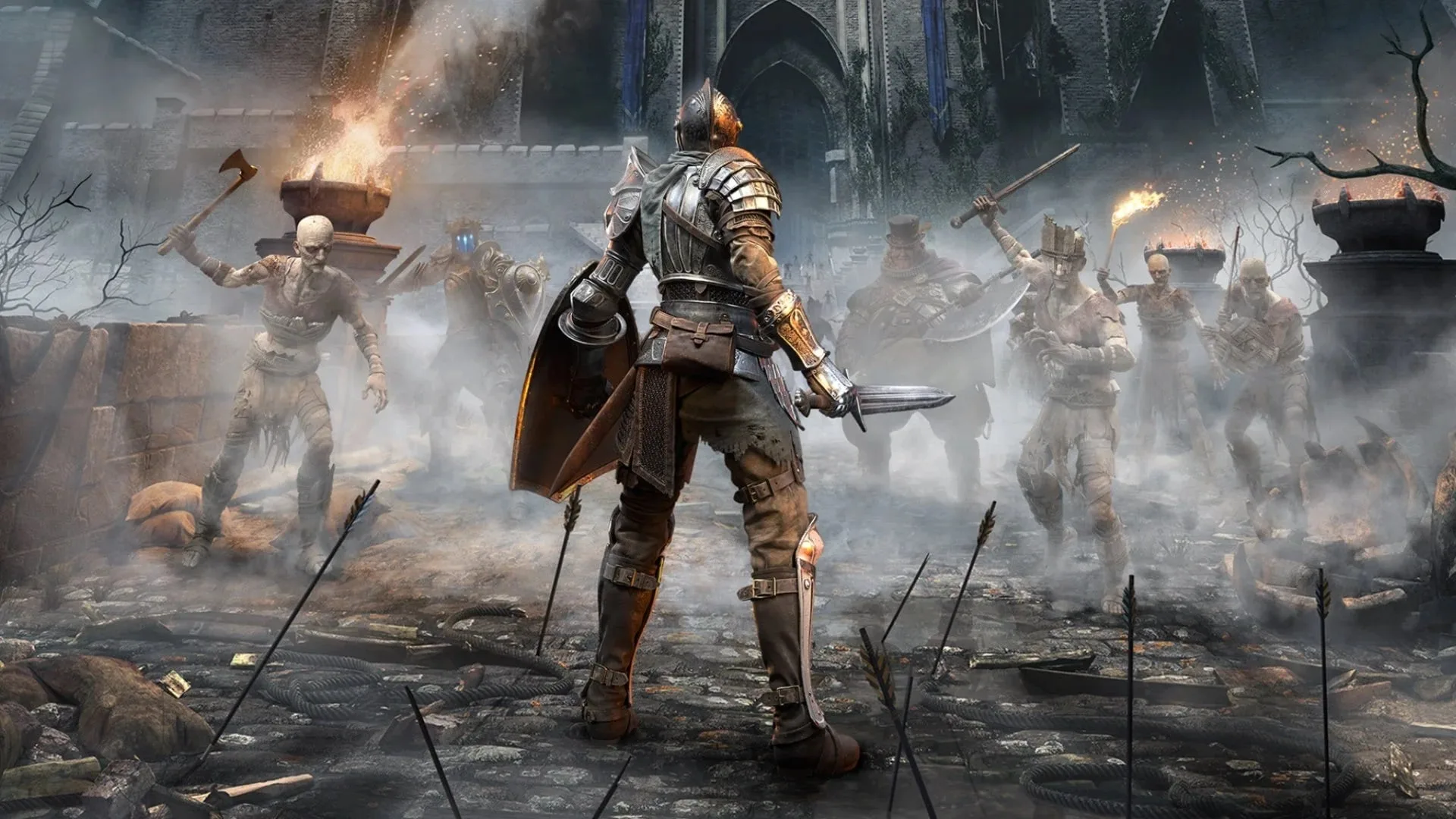
Perhaps most symbolic was the fate of Bluepoint Games. Acquired in 2021 to great fanfare following its acclaimed Demon's Souls remake, the studio was shut down by Sony in February 2026. It had not shipped a new title in over five years, and a proposed live-service God of War project was canceled. This closure underscored a troubling pattern: several acquired studios entered a state of "development dormancy." Fabrik Games (last shipped a title in 2017) and Valkyrie Entertainment (last shipped in 2015) have yet to announce new projects under the PlayStation banner.
Beyond closures, a wave of layoffs swept through the portfolio. Even the crown jewel, Insomniac Games, was not immune, facing staff cuts in 2024 alongside other acquisitions like Firesprite and Bungie. This was accompanied by high-profile project cancellations that shook fan confidence. Most notably, Naughty Dog canceled its long-in-development The Last of Us multiplayer game, a title once positioned as a cornerstone of Sony’s live-service future. The pattern was clear: the rapid expansion was followed by a painful and public contraction.
The Live-Service Gambit and Strategic Whiplash
At the heart of this turmoil lies a profound strategic pivot. Early in the PS5 era, Sony leadership, including then-PlayStation boss Jim Ryan, publicly committed to launching 10 live-service games by March 2026. This was a direct response to the recurring revenue models dominating the industry. The acquisition of studios like Haven and Firewalk, and the investment in projects like the canceled The Last of Us multiplayer, were all pieces of this gambit.
The results have been starkly contradictory. The initiative has seen spectacular failures like Concord and the canceled projects at Bluepoint and Naughty Dog. Yet, it also yielded Helldivers 2, a breakaway success from Arrowhead Game Studios (not an acquisition) that became a cultural phenomenon on both PlayStation and PC. This tension highlights a core conflict within Sony’s identity. The company built its modern reputation on polished, narrative-driven, single-player epics—a strength recently reaffirmed by the critical and commercial success of Astro Bot.
The aggressive push into live-service created strategic whiplash. Studios renowned for single-player experiences were reportedly retooled or saw resources diverted to chase the trend. This pivot appears reactive rather than visionary, attempting to graft a foreign model onto a corporate culture engineered for a different kind of hit. The instability and resource misallocation this caused likely contributed significantly to the wave of cancellations and layoffs.
This pattern of ambitious PS5-era initiatives facing market headwinds extended beyond software. The PlayStation VR2, launched in 2023, is a high-quality piece of technology whose high price and lack of sustained first-party support limited its appeal. The decision to release a PC adapter was a pragmatic admission of its constrained growth on the PS5 alone. Similarly, the PlayStation Portal remote player faced criticism for performance issues, leading many to question its value proposition. These hardware challenges reinforce the broader theme: Sony's rapid expansion into new categories has often struggled to find solid footing.
Conclusion: A Case Study in Overextension and the Path Forward
Sony's PS5-era strategy has been a case study in overextension and strategic whiplash. The aggressive acquisition spree, intended to create an unstoppable content engine, instead led to a painful cycle of integration problems, reactive pivots, and consolidation. While risk and failure are inherent to the creative industries, the concentration of closures, layoffs, and high-profile cancellations so soon after a targeted buying spree suggests flaws in both initial vetting and post-acquisition integration, particularly regarding the disruptive live-service mandate.
The path forward requires a more disciplined portfolio approach. The evidence suggests Sony must insulate its core single-player studios from reactive trend-chasing and apply the clear lesson from its successes: empower talented developers with distinct visions rather than enforce top-down genre mandates. The breakout success of Helldivers 2—funded but not micromanaged—and the triumph of Astro Bot demonstrate the power of this principle. Similarly, the successful PC release strategy and the promising upcoming slate, including Insomniac’s Wolverine and Housemarque’s Saros, point to the enduring strength of Sony's traditional pillars when managed with focus.
The coming years will test whether Sony can synthesize these hard-learned lessons—leveraging its undeniable creative strengths while managing its portfolio with sustainable discipline—or if this period represents merely the first, painful correction for a gaming giant navigating an increasingly complex industry.