Sony's PlayStation 6 May Face a 2029 Launch: How an AI-Driven Chip Shortage is Reshaping Console Generations
For decades, the console gaming industry has operated on a familiar rhythm: a new generation arrives every six to seven years, bringing a leap in performance that resets consumer expectations and...

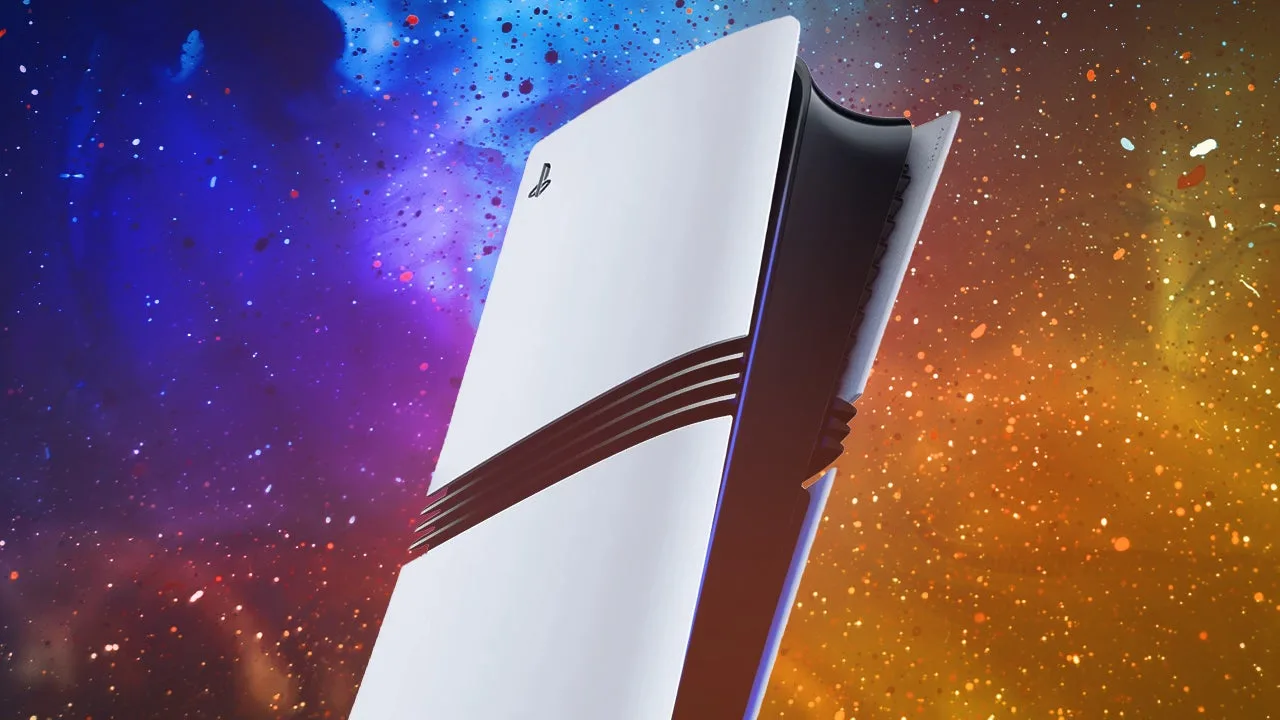
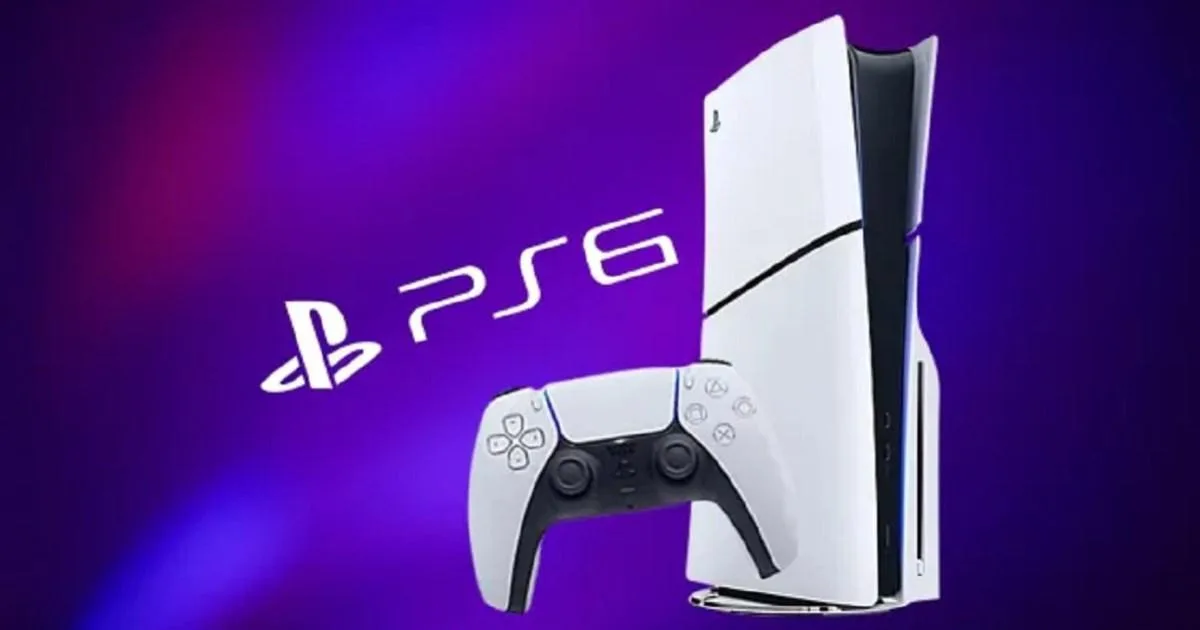
For decades, the console gaming industry has operated on a familiar rhythm: a new generation arrives every six to seven years, bringing a leap in performance that resets consumer expectations and developer ambitions. That predictable cadence now faces its most significant disruption, not from a rival platform, but from the insatiable appetite of an entirely different industry: artificial intelligence. A new report suggests Sony is contemplating a strategic pause, potentially delaying the PlayStation 6 until 2028 or even 2029. If true, this move would grant the PlayStation 5 an unprecedented nine-year lifespan and signal a fundamental shift in how gaming hardware is brought to market, placing global semiconductor supply chains at the heart of the next console war.
Sony's Challenge and Strategy
According to a Bloomberg report citing sources familiar with the matter, Sony Group is internally discussing a launch window for its next-generation console in 2028 or 2029. This represents a notable shift from earlier industry whispers that had pegged a potential PS6 arrival for around 2027. It is crucial to note that this remains a reported internal discussion, not an official announcement from Sony.
The central driver for this potential delay is a crisis in the global semiconductor market, specifically concerning memory chips (RAM). The explosive growth of generative AI has created a tidal wave of demand from tech giants like Nvidia, Google, and OpenAI for high-bandwidth memory (HBM) and other advanced chips to power data centers and large language models. This demand is straining production capacity at key manufacturers like Samsung and Micron, creating a supply squeeze and driving up prices for a critical component found in every modern gaming console, PC, and smartphone. The consumer electronics sector, including console makers, is finding itself competing for fab space and materials against the deep-pocketed AI industry.
A launch in 2029 would fundamentally disrupt Sony’s traditional generational cycle. The primary challenge is maintaining user engagement and software sales over a nine-year PS5 lifespan, a period far longer than any previous PlayStation generation. For gamers, this could mean an extended era of cross-generation game development and a greater reliance on iterative hardware—like the rumored PS5 Pro—to deliver meaningful performance upgrades within the same console family.
For now, the PS5’s immediate future appears secure. Sony’s Chief Financial Officer, Lin Tao, confirmed that the company has already secured enough memory supply for the PS5 through the critical 2026 holiday selling season. This procurement foresight ensures short-term stability. More telling, however, is Sony’s stated long-term strategic pivot. The company has publicly emphasized prioritizing software and service monetization—through PlayStation Plus, game sales, and microtransactions—over pure hardware sales as the key to future profitability. A delayed next-gen console aligns with this software-centric focus, allowing Sony to maximize returns on the massive PS5 install base while navigating the component crisis.
Ripple Effects Across the Gaming Industry
The component cost crisis is not a Sony-specific problem; it’s an industry-wide challenge. Analyst David Gibson predicted in early 2026, as reported at the time, that rising memory costs would begin to impact Sony’s bottom line in the fiscal year ending March 2027 and could ultimately lead to consumer price increases for consoles.
This pressure is already influencing planning across the industry. Notably, Nintendo is reportedly contemplating a price hike for its successor to the Switch, currently expected in 2026. President Shuntaro Furukawa has stated that while no final decision has been made, the company is analyzing the situation carefully to avoid selling its next hardware at a loss—a traditional practice in the console business where hardware is often subsidized. The fact that even the typically cost-conscious Nintendo is weighing a higher launch price underscores the severity of the supply chain pressures facing every hardware manufacturer. For consumers, the direct implication is clear: the era of the heavily subsidized console launch may be ending, potentially leading to higher upfront costs for new hardware.
The New Console War: A Divergent Timeline with Microsoft
The potential for divergent console timelines sets the stage for a unique competitive dynamic in the late 2020s. AMD CEO Lisa Su has publicly stated that Microsoft will have a "next-gen Xbox" in 2027, with AMD’s support. This declaration, coupled with rumors that Microsoft is aggressively working to secure its own RAM supply, suggests the next Xbox could launch ahead of the PlayStation 6.
Such a scenario would break the longstanding tradition of Sony and Microsoft launching their flagship consoles in the same window. It could grant Microsoft a crucial period of next-gen exclusivity, mindshare, and developer focus. However, it also carries risk: launching into a still-expensive component market could force a higher price point, and entering the market first without a competing product could dampen the generational "event" feeling that typically drives mass upgrades. This new landscape means the competition may no longer be a simultaneous sprint, but a staggered marathon where supply chain resilience and pricing strategy become as important as teraflops.
It is vital to reiterate that there is no official confirmation from Sony, Microsoft, or Nintendo on specific next-gen release dates or pricing. All discussions, including the analysis of statements from figures like PlayStation architect Mark Cerny—who said in late 2025 that the company’s next console would arrive in "a few years' time"—remain in the realm of informed speculation based on supply chain analysis and corporate signaling.
Conclusion: The End of the Predictable Cycle?
The potential delay of the PlayStation 6 underscores a new reality for the gaming industry. Hardware roadmaps are no longer dictated solely by engineering milestones and game design ambitions; they are increasingly held hostage by the volatile global semiconductor market and the trillion-dollar race for AI supremacy. The direct consequences for gamers could include longer waits between generations, higher-priced hardware at launch, and more pronounced differences between console lifespans and capabilities.
While Sony works to fortify its supply chain and double down on a software-focused future, the entire industry is bracing for higher costs, adjusted timelines, and intensified competition for essential components. The coming years may well mark the end of the predictable, synchronized console cycle. In its place, we may enter a more fluid and strategically complex era where the battle for living room dominance is decided not just in the design lab, but in the chip fabrication plants and boardrooms of memory manufacturers. The rules of the game are changing. Will the era of the definitive 'console generation' be remembered as a quaint relic of the 2010s? The next decade will provide the answer.