Sony’s PC Strategy Reversal Is a Quiet Exit From China’s $12 Billion Gaming Market
A Future-History of Sony’s Biggest Missed Opportunity This is a forward-looking analysis based on current Sony policy signals and China market data. While events are projected to 2026, the underlying...


A Future-History of Sony’s Biggest Missed Opportunity
This is a forward-looking analysis based on current Sony policy signals and China market data. While events are projected to 2026, the underlying trends are real.
In March 2026, the first cracks appeared. Rumors emerged that Sony was quietly reversing its five-year experiment of bringing first-party PlayStation games to PC. Two months later, PlayStation co-CEO Hermen Hulst confirmed it in an internal town hall: narrative single-player titles would henceforth remain exclusive to the PS5. The immediate reaction centered on console wars and ecosystem control. But buried in the sales data is a much bigger story. Sony isn’t just abandoning PC, it’s voluntarily walking away from China, the world’s largest PC gaming market, where a single game recently saw 42% of its projected Steam sales come from that country. The numbers reveal the hidden cost of this decision.
The Reversal, What Sony Confirmed and What It Means
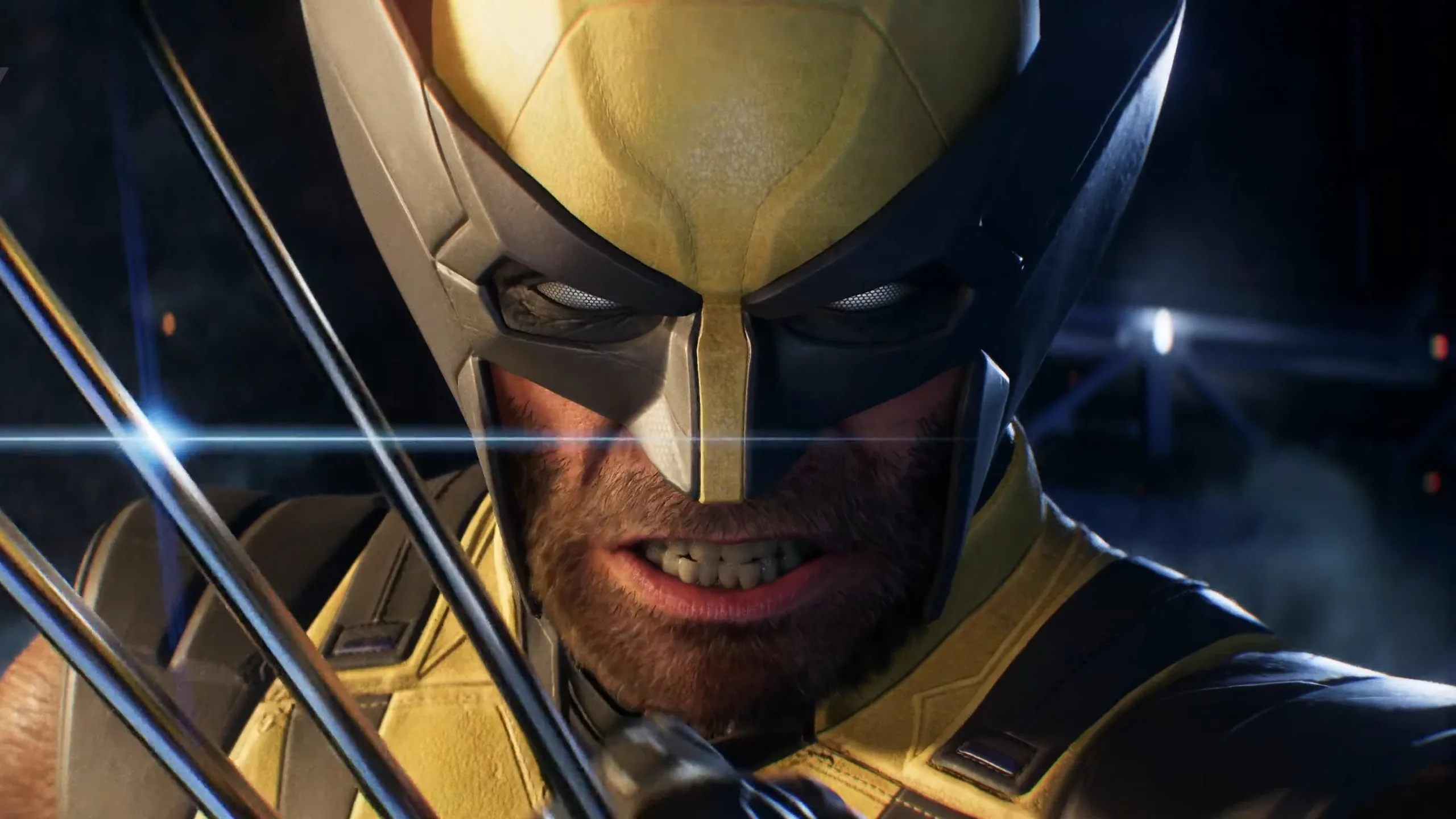
Hulst’s projected May 18 town hall draws a clear line in the sand. Future narrative-driven single-player games, including Wolverine, Intergalactic, Ghost of Yotei, and Saros, will launch exclusively on PS5 with no PC port planned. However, multiplayer titles like Marathon, Helldivers 2, and Marvel Tōkon will still get PC releases, creating a curious split that treats live-service and story-driven games as fundamentally different products.
The timeline matters. Bloomberg’s March report leaked the shift before it was official, and by May the decision was locked in. Importantly, this reversal was not driven by underperforming PC sales. Multiple data points show that recent Sony ports performed well on Steam. The decision is a strategic pivot to increase the PS5’s value proposition and recoup costs through console exclusivity. But that logic assumes the PS5 is an accessible platform everywhere. It is not, especially in China.
The China Connection, PC Is the Only Door In
China’s near-total console ban from 2000 to 2015 created an entire generation of PC and mobile gamers. The console market today is roughly $1.2 billion, a fraction of the $11, 12 billion PC gaming market. Simplified Chinese is the second-most common language on Steam at 21.85% of users, trailing only English. Sony’s PC ports were a direct pipeline into that audience.
Consider Death Stranding 2: On the Beach, which analysts project will sell 600,000 copies on Steam, with a staggering 42% of those sales coming from China, making it the game’s largest market on the platform. Stellar Blade similarly saw China as a top contributor to its 192,000 peak concurrent players on Steam, far exceeding Sony’s own Ghost of Tsushima port (77,000 peak). By pulling single-player games from PC, Sony effectively closes the only storefront that reliably reaches Chinese players. A PS5 costs $600 to $900, a luxury in a market where a $500 gaming laptop and a Steam account can access the same library. Sony had invested in China-specific marketing, the Death Stranding 2 Shanghai event featured the Chinese voice cast, but that goodwill is now stranded.
The Financial Cost, Hard Numbers on Lost Revenue
The numbers paint a stark picture. Projected figures for Death Stranding 2 suggest $150 million in total revenue (1.7 million on PS5, 600,000 on PC), with China’s contribution representing a significant share. Ghost of Yotei sold 4.8 million units on PS5 alone, generating roughly $350 million, but with no PC port, that revenue does not include a single dollar from China’s PC audience. The most troubling case is Saros: the game sold only 406,000 units on PS5, amounting to $30 million. Analysts say it will likely struggle to break even without a PC port.
Former PlayStation executive Shuhei Yoshida publicly questioned the pullback, noting that PC revenue helped recoup the ballooning budgets of AAA games. The data also undermines the notion that PC ports cannibalize console sales. Death Stranding 2 had its best two-week stretch on PS5 immediately after the PC launch. The same effect occurred with Stellar Blade. PC ports did not steal players, they amplified interest in the franchise. Sony is leaving that synergistic revenue on the table while simultaneously making it harder for its own games to reach profitability.

The Ripple Effect, Developer Exodus and Multi-Platform Futures
The most telling reaction comes from Shift Up, the developer of Stellar Blade. After seeing their game hit 192,000 concurrent players on Steam, a landmark for a PlayStation-adjacent title, Shift Up announced it will part ways with Sony to self-publish the sequel, Stellar Blade: Blood Rain. The studio explicitly stated it wants a multi-platform strategy targeting a broad global audience, which includes China. This is a direct signal that developers recognize the value of PC and Steam access to Chinese players, and they are willing to walk away from PlayStation funding to get it.
Shift Up’s decision could inspire others. Sony had been courting independent studios with generous exclusivity deals, but if those deals no longer offer a path to the world’s second-largest gaming market, partners may reconsider. The reversal risks alienating the very developers Sony needs to sustain its content pipeline.
A Strategic Blind Spot, Console First vs. Global Reality
Sony’s logic is understandable in Western markets. By locking major single-player games to the PS5, it hopes to drive hardware sales, increase ecosystem lock-in, and boost attach rates, strategies that have historically worked in the United States, Europe, and Japan. But China is not those markets. Console ownership remains a niche luxury, cultural habits favor PC (including competitive multiplayer and single-player on Steam), and the price barrier is significant.
The multiplayer exception reveals the inconsistency. Sony insists that live-service games like Helldivers 2 and Marathon will still come to PC because those titles need a large concurrent player base to survive. Why treat single-player narratives differently? A Chinese gamer who falls in love with Ghost of Yotei through a PC port might become a lifelong PlayStation fan. Without that entry point, Sony is ceding the Chinese PC audience to competitors like Tencent, NetEase, and even Xbox, which has embraced cross-platform distribution.
Walking Away From a Billion-Dollar Market, and the Gamers Who Live There
Sony’s PC pullback is framed as a victory for console exclusivity, but the numbers tell a different story. In a market where the PC segment is ten times larger than console, and where a single game can derive nearly half its PC revenue from one country, Sony is voluntarily closing the door on its biggest source of new players. The $12 billion PC market will still exist, but future single-player PlayStation titles will not be there to capture it. Developers like Shift Up are already voting with their feet, seeking multi-platform strategies that include Steam and China. Sony may protect PS5 hardware sales in the West today, but it risks ceding an entire generation of Chinese PC players, and the developers who follow them, to competitors who understand that exclusivity without access is a losing bet.