Sony's PC Port Reversal: A Strategic Pivot or PlayStation Panic?
Sony's PC Port Reversal: A Strategic Pivot or PlayStation Panic? Sony Interactive Entertainment is reportedly slamming the brakes on its PC port strategy—a dramatic U-turn that betrays deep anxiety...

Sony's PC Port Reversal: A Strategic Pivot or PlayStation Panic?
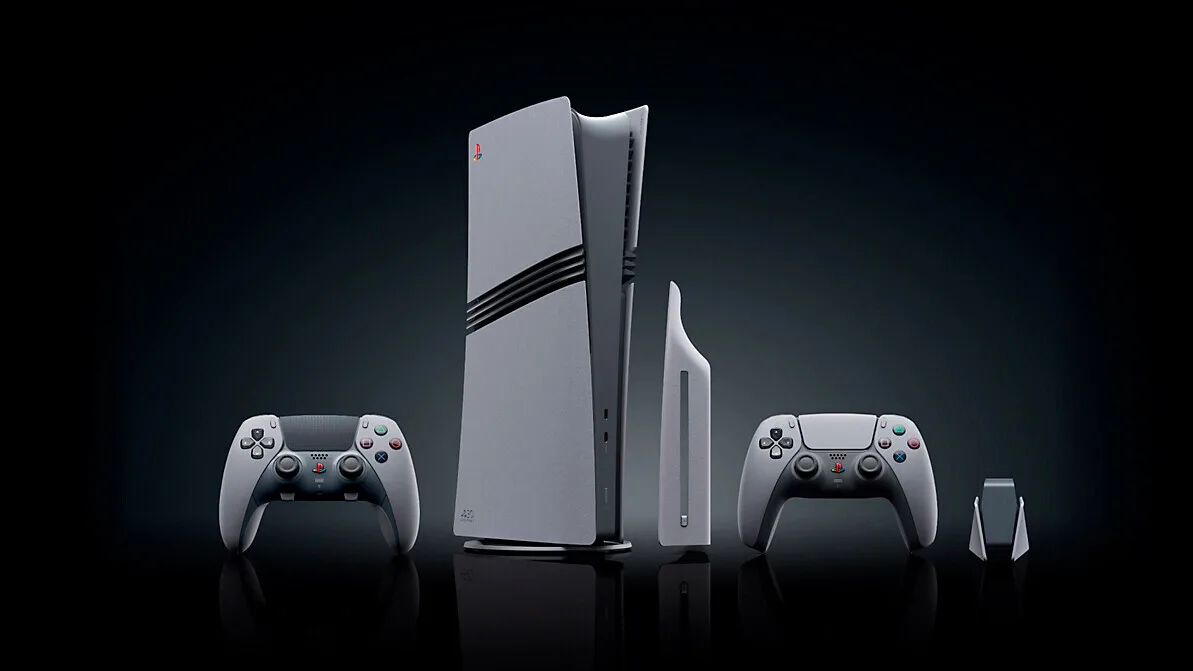
Sony Interactive Entertainment is reportedly slamming the brakes on its PC port strategy—a dramatic U-turn that betrays deep anxiety about the future of the console. According to a recent Bloomberg report from veteran journalist Jason Schreier, corroborated by insider NateTheHate2, the company is halting plans to bring major first-party, single-player titles—like the anticipated Ghost of Yotei and Saros—to PC. This decision marks a stark reversal from the "PlayStation on PC" initiative that has defined the latter half of the PS5 era, where blockbusters like God of War Ragnarök and Marvel’s Spider-Man eventually made the journey to Steam. Far more than a simple portfolio adjustment, this pivot feels like a high-stakes bet on the very future of the console business. The central question now hangs in the air: Is this a confident, long-term plan to fortify the PlayStation ecosystem, or a reactive move born from fear of new competitors and underwhelming commercial returns?
Decoding Sony's New Console-First Doctrine
The specifics of the reported policy are revealing in their selectivity. The new mandate is said to apply specifically to internally developed, narrative-driven single-player games, which will now remain permanent PlayStation console exclusives. Crucially, the policy carves out exceptions for live-service and multiplayer titles—like Bungie’s Marathon—and games from external partner studios, such as Kojima Productions’ Death Stranding 2. This isn't a blanket PC ban; it's a surgical strike on the core of PlayStation’s brand identity.
The stated justifications, as reported, point to a trio of concerns: PC ports have not been a major revenue driver, there is a fear of diluting the premium PlayStation brand, and a perceived threat to console hardware sales. Supporting data seems to bolster the first point. Looking at Steam concurrent player numbers for recent ports paints a picture of respectable, but not earth-shattering, interest. Marvel's Spider-Man 2 on PC saw a peak of around 28,000 concurrent players, while Ghost of Tsushima peaked at approximately 77,000. For a corporation of Sony’s scale, these figures, especially for ports arriving years after their console debut, may indeed be viewed as "weak sales" that don't justify the development cost and potential strategic downside.
The Ghost in the Machine: Valve and the Emerging Threat Landscape
If weak PC revenue was the only factor, Sony might simply adjust its porting timeline. The deeper rationale appears to be a fundamental reassessment of the competitive landscape. A key catalyst cited is the looming threat from Valve and its rumored 2026 release of a new "Steam Machine" designed for the living room. Former Blizzard president Mike Ybarra has suggested that Sony now views Valve as a bigger rival than Xbox. This new console-first doctrine can be seen as a pre-emptive fortification of the walls, ensuring must-have single-player experiences remain locked within the PlayStation garden to counter Valve’s open-platform appeal.
The strategy also has a secondary defensive benefit against Microsoft. By keeping key titles off PC, Sony effectively blocks them from being playable on Microsoft’s rumored next-generation system, codenamed "Project Helix"—a hybrid platform designed to play both Xbox and PC games. This move connects to broader industry pressures, including a global memory shortage that has increased hardware costs and reportedly contributed to Sony delaying the PlayStation 6 until 2029. With an extended PS5 lifecycle, maintaining strong console sales momentum is more critical than ever, and exclusives are the traditional fuel for that engine.
The Helldivers 2 Exception and the Porting Paradox
This new strategy, however, exists in stark contrast to one of PlayStation’s biggest success stories of the generation: Helldivers 2. The co-op shooter became a cultural phenomenon, thanks in no small part to its simultaneous launch on PlayStation 5 and PC. Its success is the counter-example that proves a troubling rule. It highlights a potential paradox in Sony’s thinking: Sony's new policy suggests the PC platform is the problem, but Helldivers 2 proves the problem may be Sony's own strategy for the platform.
For years, the standard practice has been to release a marquee single-player title on PlayStation, wait two or more years, and then port it to PC. This approach may maximize initial console sales but can also dampen PC excitement, as the game is no longer a new release and its story beats may be widely known. Helldivers 2 demonstrated that a well-executed, simultaneous multi-platform launch for a live-service title can be massively lucrative and brand-enhancing. It raises a critical, speculative question: Would a Ghost of Yotei released simultaneously on PS5 and PC perform differently than a port two years later? Is Sony solving the right problem by retreating from PC entirely, or should it be re-evaluating the timing of its PC engagements?
This internal contradiction within Sony's strategy is thrown into even sharper relief when contrasted with its chief rival's completely opposite approach.
Strategic Dissonance: PlayStation's Plan vs. Xbox's "Everywhere" Crisis
Sony’s pivot creates the clearest strategic dichotomy in the console market in over a decade. On one side is PlayStation’s renewed walled-garden approach, doubling down on hardware-centric exclusivity. On the other is Microsoft’s "Xbox everywhere" vision, pushing Game Pass and day-one PC releases in pursuit of expansive accessibility.
Currently, the narrative suggests Microsoft’s strategy has backfired. Game Pass has reportedly hit a growth ceiling, and the push for software availability everywhere is seen as having cannibalized Xbox hardware sales, leaving the console’s future role uncertain. This contrast frames the core debate for the next generation: Which path is more sustainable? Is it Sony’s focused, defensive play to protect its high-margin console heartland? Or is Microsoft’s bet on ecosystem over plastic box the inevitable, if painful, future? For now, Sony is betting that a strong, exclusive reason to own its hardware is a safer plan than Microsoft’s ambiguous, hardware-agnostic future.
Corporate strategies are fluid, and sources caution that Sony’s plans are "constantly shifting." The true test of this decision, however, extends beyond internal memos. Whether this line holds may define PlayStation's next decade. If Valve's Steam Machine gains traction without PlayStation's core exclusives, Sony's fortress may seem wise. But if the PC audience moves on and the delayed-port model is revealed as the true commercial culprit, this reversal could look like a classic case of corporate panic, ceding ground in a war that was already evolving beyond console boxes. The first major test will be the reception to a title like Ghost of Yotei, when it releases solely on PlayStation, permanently console-locked in a market that has grown accustomed to the walls coming down. The console war has entered a new, uncertain phase, and Sony has just drawn a very clear, very hard line in the sand.
Tags: PlayStation Strategy, PC Gaming, Console Wars, Sony, Xbox