Sony's Dynamic Pricing Test: What It Means for PlayStation Gamers
A quiet experiment is unfolding on the PlayStation Store. For the past few months, a significant subset of users across dozens of territories have been unwitting participants in a retail trial that...

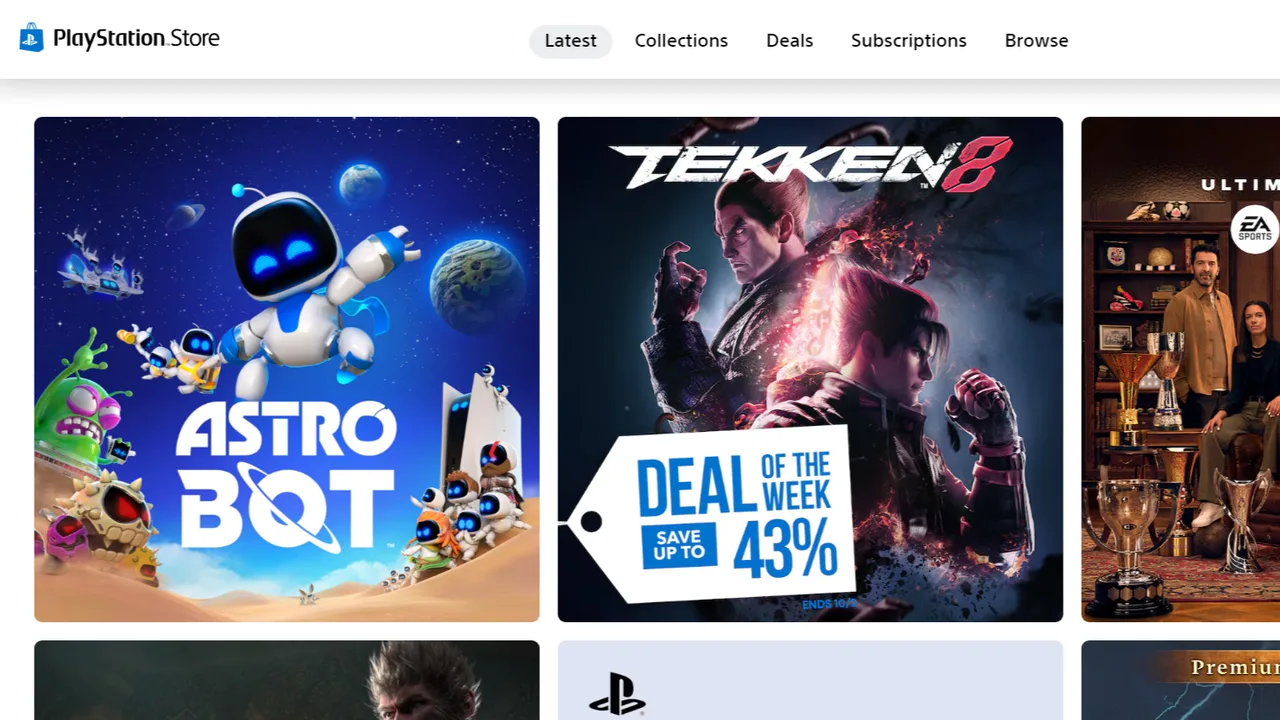
A quiet experiment is unfolding on the PlayStation Store. For the past few months, a significant subset of users across dozens of territories have been unwitting participants in a retail trial that could reshape how we buy digital games. The discovery, first reported by the price-tracking service PSPrices, points to Sony actively testing dynamic pricing—a system where the price you see for a game may not be the same as the one shown to the person next to you.
The immediate reaction from the gaming community is often a mix of confusion and concern. Dynamic pricing, a staple of industries like airlines and e-commerce, evokes fears of surge pricing for hot new releases or algorithms that charge you more because you’ve shown interest. While this scenario triggers familiar anxieties about surge pricing and algorithmic profiling, the current reality of Sony’s test is more nuanced, focused on discounts rather than hikes, and confined to specific regions. This article breaks down what PSPrices discovered, the strategic context behind the move, and what it genuinely means for your wallet.
Decoding the Test: What PSPrices Discovered
The story begins not with a press release, but with data. PSPrices, a website dedicated to tracking historical pricing on the PlayStation Store, identified anomalous codes in the store’s API—the digital pipeline that feeds pricing information to storefronts and third-party services. These codes, labeled IPT_PILOT and IPT_OPR_TESTING, were clear indicators of an active A/B test, where different user groups are shown different variables to gauge response.
According to PSPrices’ analysis, this experiment has been running since at least November 2023 and is remarkably broad in scope, yet strategically limited. It impacts over 150 games across a staggering 68 territories, primarily in the EMEA (Europe, Middle East, Africa) and LATAM (Latin America) regions. The list of affected titles is a mix of heavy hitters, including first-party Sony exclusives like God of War Ragnarök, Helldivers 2, and Stellar Blade, as well as major third-party releases such as Red Dead Redemption 2 and Warhammer 40,000: Space Marine 2.
Crucially, the test has not been observed in two of PlayStation’s largest markets: the United States and Japan. Industry analysts suggest this exclusion is likely due to stricter consumer protection regulations and higher market sensitivity in these regions, where such a test might trigger immediate backlash.

Dynamic Pricing in Practice: Discounts, Not Hikes (For Now)
The term "dynamic pricing" often conjures a nightmare scenario of prices fluctuating upward. However, the current phase of Sony’s test appears exclusively focused on the other end of the spectrum: personalized discounts and targeted price decreases.
Data from the tracked offers shows discount ranges between 5.3% and 17.9% off the standard price. More revealing is the evidence of personalized sales. One prominent example is Helldivers 2. During a promotional period, the game was listed on sale, but not everyone received the same deal. Some users were offered a 25% discount, while others, seemingly at random, were shown a much deeper cut of 56%.
This is the core of the test’s current mechanics. Sony is experimenting with presenting different discount tiers to different users, likely to analyze purchasing behavior and determine the optimal price point to maximize conversions. The key takeaway for gamers is that, at this stage, there is no evidence of prices being increased above the standard Manufacturer's Suggested Retail Price (MSRP). The dynamic element is currently a tool for promotion, not inflation.

The Strategic Context: Why Sony is Exploring This
Sony’s exploration of dynamic pricing doesn’t exist in a vacuum. It aligns with a clear, publicly stated shift in corporate strategy. With the PS5 entering the latter half of its lifecycle, hardware sales growth is naturally slowing. In response, Sony’s leadership, including CEO Kenichiro Yoshida, has emphasized a renewed focus on monetizing the existing install base of over 50 million PS5 consoles.
Dynamic pricing presents a potent tool for this strategy. It allows Sony to:
- Optimize Revenue: By finding the maximum price a user is willing to pay for a specific title, especially older or underperforming games.
- Clear Digital Inventory: Offering steeper, targeted discounts on legacy titles to boost sales volume without devaluing them for the entire user base.
- Personalize Promotions: Tailoring discounts to individual purchasing habits, potentially increasing engagement and storefront efficiency.
This is a fundamental shift from the traditional, one-price-fits-all console model. Sony is effectively borrowing a page from the playbooks of airlines, ride-sharing apps, and Amazon, where prices fluidly adjust based on demand, inventory, and user profile. The gaming industry’s adoption has been slower, making this test a significant, if cautious, step.
Should Gamers Be Concerned? A Balanced Look
The revelation of this test rightly triggers several consumer concerns. The primary fear is one of fairness. The idea that two players could pay different amounts for the same digital product feels inherently unequal and could foster a "gotcha" mentality, where users feel penalized for their loyalty or purchasing history. There is also a justified anxiety that a discount-focused test today could pave the way for demand-based price hikes tomorrow, particularly for anticipated new releases.
However, several factors warrant cautious optimism and perspective:
- Limited and Deliberate Scope: The exclusion of the US and Japan, PlayStation’s most lucrative and regulated markets, shows Sony is proceeding carefully. A full, global rollout of aggressive dynamic pricing faces significant regulatory and PR hurdles.
- Discount-Only Phase: The current evidence shows the tool being used as a promotional instrument. This is a far cry from the feared "surge pricing" model.
- Market Forces as a Check: The video game market is intensely competitive. If Sony’s pricing became perceived as predatory, it would risk driving consumers toward rival storefronts, physical media, or subscription services like Xbox Game Pass.
For the informed gamer, the best response is proactive awareness. Services like PSPrices are more valuable than ever for tracking genuine price histories. Using the PlayStation Store’s wishlist function can help you monitor titles for your personalized discounts. Most importantly, patience remains a virtue; waiting for a confirmed, widespread sale is still a reliable strategy.
The discovery by PSPrices confirms that Sony is seriously investing in the infrastructure for a more fluid digital marketplace. The current test, focused on personalized discounts in specific regions, is not an immediate cause for alarm, but it is a definitive signal of the industry’s direction. For now, the experiment is contained to discounts, but it marks a pivotal test of whether Sony can leverage data-driven pricing without eroding the player trust that underpins its platform. The key for gamers is to stay informed, leverage tracking tools, and let their purchasing choices speak volumes.
Tags: PlayStation, Sony, Dynamic Pricing, Video Game Industry, PlayStation Store