Sony's AI Podcast Patent: How Game Characters Could Become Your Personal Gaming News Hosts
The Patent Unveiled: What Sony Has Planned The blueprint for this potential future is detailed in a patent titled “LLM-Based Generative Podcasts for Gamers.” Filed in July 2024 and officially granted...


The Patent Unveiled: What Sony Has Planned
The blueprint for this potential future is detailed in a patent titled “LLM-Based Generative Podcasts for Gamers.” Filed in July 2024 and officially granted by the United States Patent and Trademark Office in late January 2026, the document outlines a system designed to generate unique audio content for individual players. At its core, the technology would leverage large language models (LLMs) and generative AI to produce a bespoke audio report, or “podcast,” that summarizes a player’s recent gaming activity and relevant news.
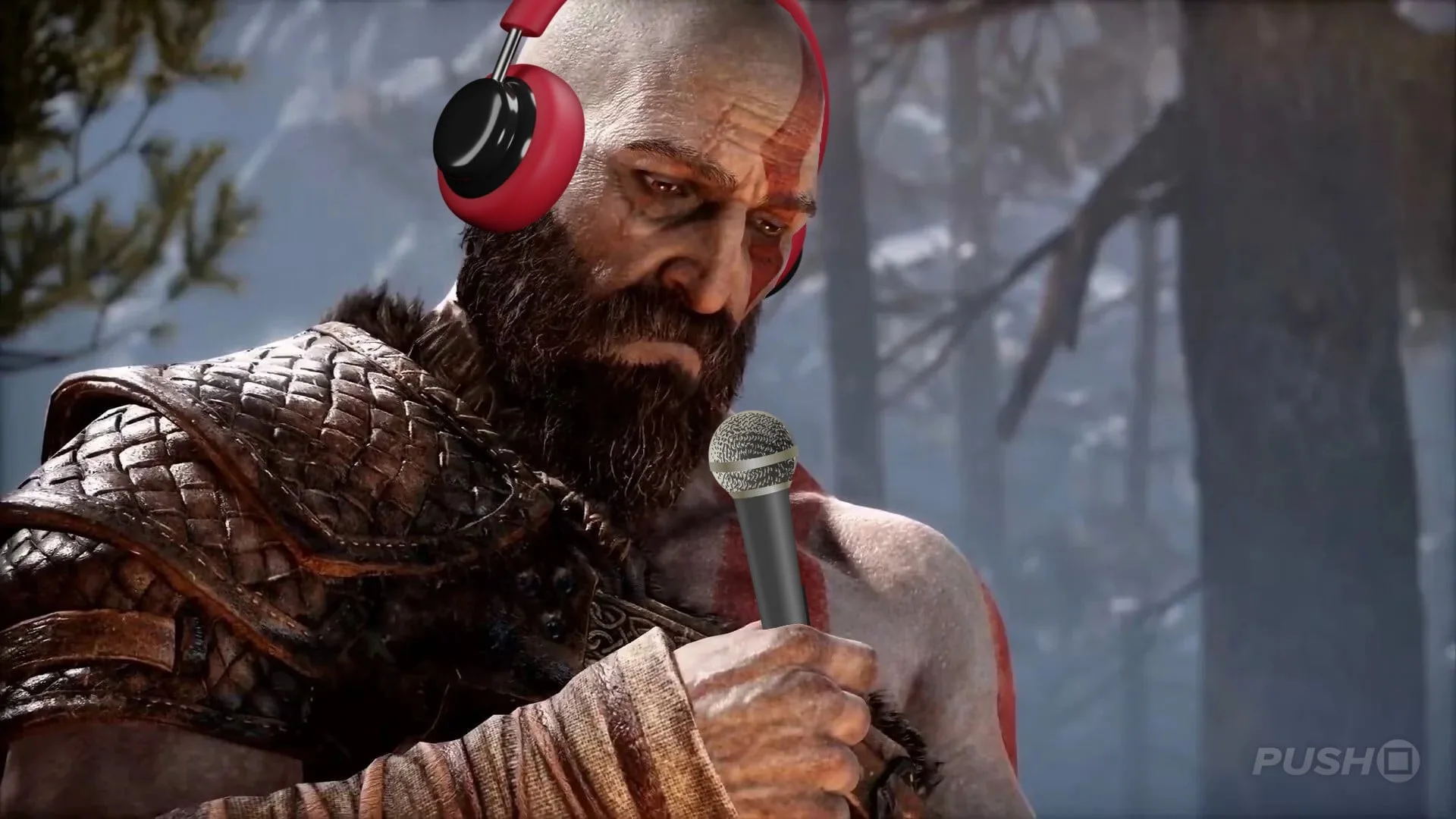
The most compelling hook is the proposed host: not a sterile AI voice, but a character from a video game the player has engaged with. The patent explicitly cites examples like Kratos from God of War or Aloy from Horizon Zero Dawn as potential narrators. This move aligns with Sony’s broader, ongoing exploration of AI’s role in interactive entertainment. It follows previous patented concepts, such as an “AI ghost player” system designed to assist users in-game by learning and replicating their playstyle. The podcast patent suggests a shift from in-game assistance to post-session engagement, using AI to deepen the bond between player and game world long after the controller is set down.
How It Works: Personalization and Content Sources
The proposed system’s intelligence—and its potential creepiness—lies in its data sources. According to the patent, the generative AI would craft its script by pulling from a wide array of personal and platform data: a player’s recent gameplay sessions, achievements, and progress; their friends’ accomplishments and activity; official platform news and maintenance schedules; and marketing updates for new DLC, game releases, or sales.
This data would be processed by the LLM to generate a coherent, conversational audio summary. The patent suggests a degree of user control, allowing players to customize the content by filtering out specific information types they might not want to hear. Delivery is envisioned to be seamless via a notification on the console’s home screen. Perhaps most intriguingly, the patent hints at the potential for crossover dialogue, where characters from different franchises within Sony’s stable could interact within the podcast.
Potential Benefits and Player Experience
If successfully implemented, the benefits are multifaceted. For players, the primary advantage is convenience. It bundles the disparate streams of information from dashboards and widgets into a single, engaging audio format perfect for consumption while commuting, exercising, or doing chores.
Beyond convenience lies the potential for enhanced immersion and unique charm. Hearing a beloved character acknowledge your specific journey—“Your resilience in Niflheim reminded me of my trials, mortal,” a hypothetical Kratos might grunt—could significantly deepen emotional investment. The patent even mentions the possibility of personalized humor tailored to a player's habits, adding a layer of unique charm.
From a business perspective, the utility is clear. It creates a novel and potentially highly effective marketing channel. Announcements for new DLC or game launches could be woven naturally into the narrative by a trusted character-host, feeling less like an advertisement and more like an in-universe bulletin.

Challenges and Industry Context
However, a significant dose of realism is required. The gaming industry’s history is littered with fascinating patents that never saw the light of day as consumer products. Patents do not guarantee a release; they are often speculative explorations of technology, and designs can be radically altered or abandoned entirely based on technical feasibility, cost, and market reception.
Should Sony pursue this, several substantial hurdles await. Technical execution is paramount. The AI-generated dialogue must feel authentic to the character, avoiding the “uncanny valley” of speech that sounds almost, but not quite, right—a flaw that would instantly break immersion. Voice cloning and LLM personality alignment present enormous challenges.
Privacy considerations are equally critical. The system’s value is directly tied to its access to deep player data. Sony would need to implement and communicate extremely robust data handling policies, ensuring transparency and user consent to avoid backlash. Furthermore, this patent exists within a broader industry trend. Companies like Google and others are aggressively exploring AI integrations across software and services. Sony’s move can be seen as an attempt to claim a unique, character-driven niche within that wider AI arms race, using its unparalleled stable of iconic IP as a differentiator.
The Future of AI in Gaming Engagement
Speculating on the future, if this technology were to mature, its evolution could be profound. Personalized podcasts could become interactive, allowing players to ask questions of their AI host. They could expand to cover multiplayer integrations, with a host summarizing clan activities or recent competitive matches. This concept sits on a spectrum of AI applications in gaming, which ranges from dynamic storytelling and intelligent NPCs to assistant features like the aforementioned “ghost players.”
Its impact on game development and community dynamics would be notable. Writers and actors might need to collaborate with AI systems to train authentic character personas. Communities could form around sharing their unique “episodes” or the humorous crossovers generated by the AI. The fundamental question remains one of adoption: Will players embrace this AI-driven, parasocial form of engagement, or will they prefer the simplicity and control of traditional, silent menus and updates?
Sony’s “Generative Podcasts” patent represents a fascinating and innovative fusion of AI technology with the core tenets of gaming culture: narrative, character, and personal achievement. It aims to transform the mundane administrative layer of gaming into an extension of the immersive experience itself. The vision of Aloy or Kratos serving as a personal gaming news curator is undeniably compelling, speaking to a future where our digital worlds feel more alive and responsive. Yet, this future is balanced on a knife’s edge of practical uncertainties—technical hurdles, privacy imperatives, and the simple fact that a patent is a blueprint, not a promise. Whether or not we ever hear Kratos narrate our trophy collection, this patent forces a compelling question: In an AI-driven future, should our games speak to us only from the screen, or also from our speakers?