Slay the Spire 2 Shatters Records: How an Indie Sequel Broke Steam and Redefined Roguelike Success
Imagine a scenario where, on March 5, 2026, the digital infrastructure of the world’s largest PC gaming platform experiences a tremor. Steam’s servers, engineered to handle the launch of global...

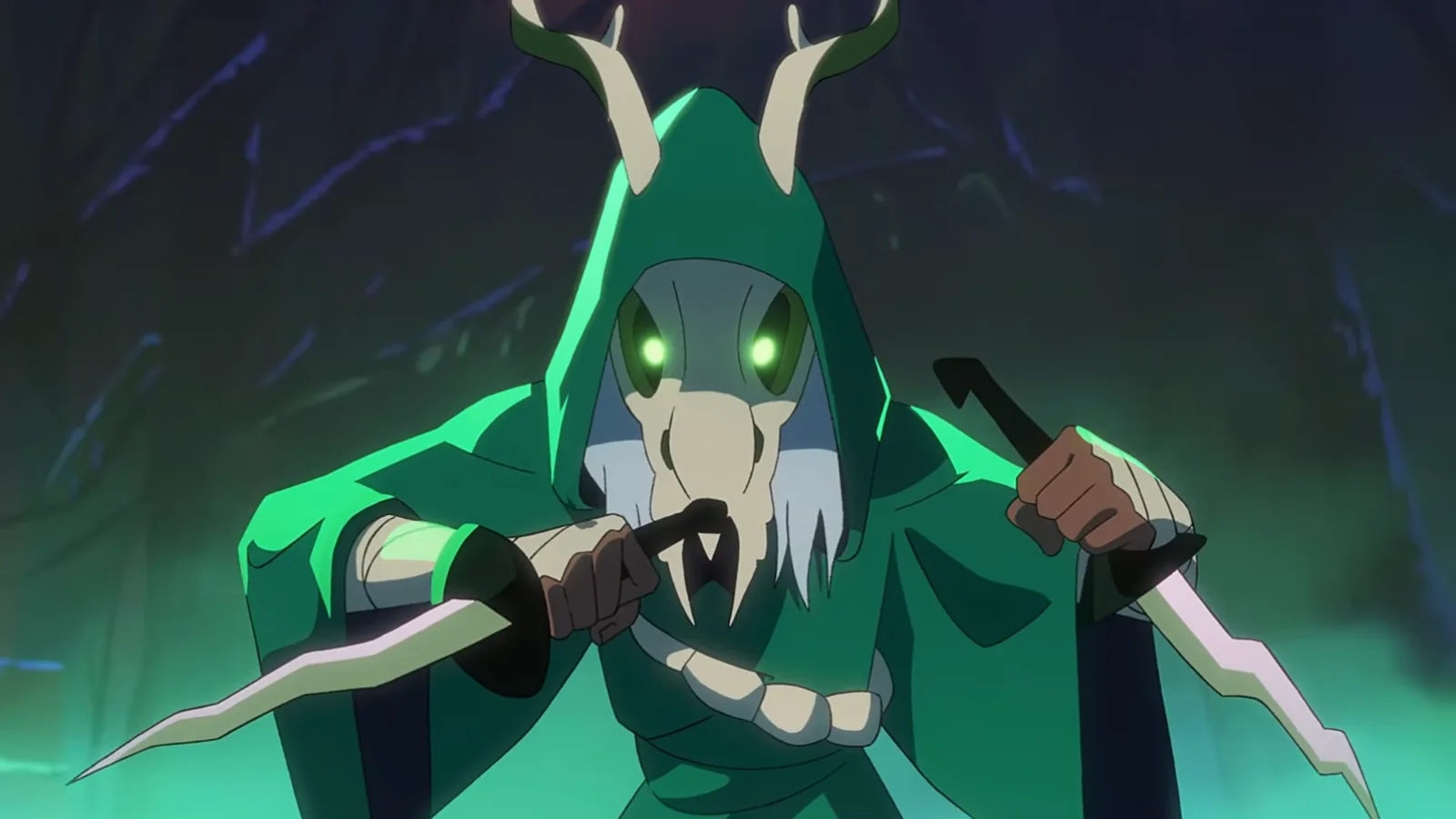
Imagine a scenario where, on March 5, 2026, the digital infrastructure of the world’s largest PC gaming platform experiences a tremor. Steam’s servers, engineered to handle the launch of global blockbusters, buckle under a sudden, massive surge of traffic. The cause isn’t a new Call of Duty or a surprise Grand Theft Auto drop. It is the early access launch of Slay the Spire 2, a sequel to a seven-year-old indie deck-building roguelike from developer Mega Crit. In a single stroke, the game wouldn't just meet expectations—it could demolish genre records, briefly stress a global platform, and pose a compelling question to the industry: How could a patient, indie-crafted sequel achieve one of the most disruptive and historic launches in PC gaming history?
The following analysis explores a potential record-breaking launch scenario based on the immense legacy of the original title and current market trends.
The Record-Shattering Launch by the Numbers
The projected facts of such a launch are staggering. In this scenario, on March 5, 2026, Slay the Spire 2 enters early access. Within hours, it achieves a hypothetical peak of 430,456 concurrent players on Steam, a figure that would instantly rewrite the rulebook for the genre.
To understand the magnitude of this potential achievement, context is crucial. The current roguelike record is held by Hades II, which achieved over 100,000 concurrent players at its Early Access launch. A future title like Mewgenics could potentially set a new benchmark. In this projection, Slay the Spire 2 wouldn't just break such a record; it could obliterate it, more than tripling the previous benchmark. At its zenith, the game could ascend to become the fourth most-played title on all of Steam, finding itself in the rarefied air just behind perennial platform giants Counter-Strike 2, Dota 2, and Apex Legends. For a single-player, premium-priced indie game in early access, this would be an unprecedented feat.
When Player Passion Breaks the Platform
The most telling indicator of the launch's projected intensity wouldn't just be a number on a chart—it would be a brief period of platform-wide instability. A colossal influx of players attempting to access and play Slay the Spire 2 could cause significant disruptions on Steam, potentially lasting around 30 minutes.
This event would be profoundly significant. Steam outages of this nature are typically the domain of major, franchise-defining live-service launches or surprise drops from industry titans. For an indie game to generate enough concentrated, immediate demand to strain Valve's infrastructure is a rare phenomenon. It would signal something beyond a successful marketing campaign: it would reveal the immense, pent-up demand for this specific sequel and the sheer scale and fervor of its dedicated fanbase. The community wouldn't just show up; they would arrive in such force that they could momentarily challenge the backbone of PC gaming itself.
Building on a Legacy: The Weight of a Seven-Year Wait
An explosive launch cannot be separated from the legacy of its predecessor. The original Slay the Spire, released in 2019, is widely regarded as a genre-defining masterpiece. It perfected the fusion of deck-building and roguelike mechanics, spawning a legion of imitators and cementing itself as a permanent fixture in the libraries of millions. Its influence is immeasurable.
This context makes the seven-year gap between the original's full release and a potential sequel's early access a critical factor in any launch frenzy. Unlike many franchises that operate on annual or bi-annual cycles, Mega Crit has cultivated a reputation for meticulous craftsmanship. A long development cycle would not be interpreted as abandonment but as a sign of dedication to quality. The studio, having earned immense player trust with the first game, would have built anticipation to a fever pitch. The community's faith that Mega Crit would only return when they had something worthy of the name Slay the Spire could transform a long wait into a powerful catalyst for a record-breaking day-one surge.
Critical and Community Reception: Beyond the Hype
A launch of this scale could be dismissed as pure hype if the product failed to deliver. In our projected scenario, Slay the Spire 2 faces no such issue. Almost immediately, the game secures an "Overwhelmingly Positive" user review rating on Steam, a designation backed by thousands of reviews in the initial launch window.
This critical validation would be crucial. It would confirm that a record-breaking player count was driven not by fleeting curiosity, but by genuine excitement for a high-quality game that met—and for many, exceeded—expectations. A positive reception would act as a reinforcing loop, justifying the community's trust and Mega Crit's patient development. Furthermore, given the original game's enduring presence in streaming and competitive communities, a sequel would be poised to quickly re-embed itself as a staple for content creators and strategy-focused players.
Slay the Spire 2’s potential early access launch would be a landmark event that transcends typical sales and player metrics. It would demonstrate that the market power and passionate community behind a revered indie title can rival that of the industry's biggest franchises. By potentially shattering genre records and challenging Steam's infrastructure, Mega Crit's sequel wouldn't just launch a game; it would make a statement about the enduring value of quality, patience, and player trust. As the hypothetical game would continue its early access journey toward a full release, one implication would be clear: Mega Crit's patient strategy offers a redefined playbook for indie sequels. The question for the industry is no longer if a dedicated community can drive massive success, but how many other studios possess the discipline and player trust to execute it.