Saros vs. Returnal: How Housemarque's New Trailer Promises to Fix Roguelike Frustration with Permanent Progression
For every player who mastered the relentless dance of Returnal , another hit a wall—not of skill, but of patience, their hard-won progress vanishing into Atropos's alien fog. Housemarque's 2021...

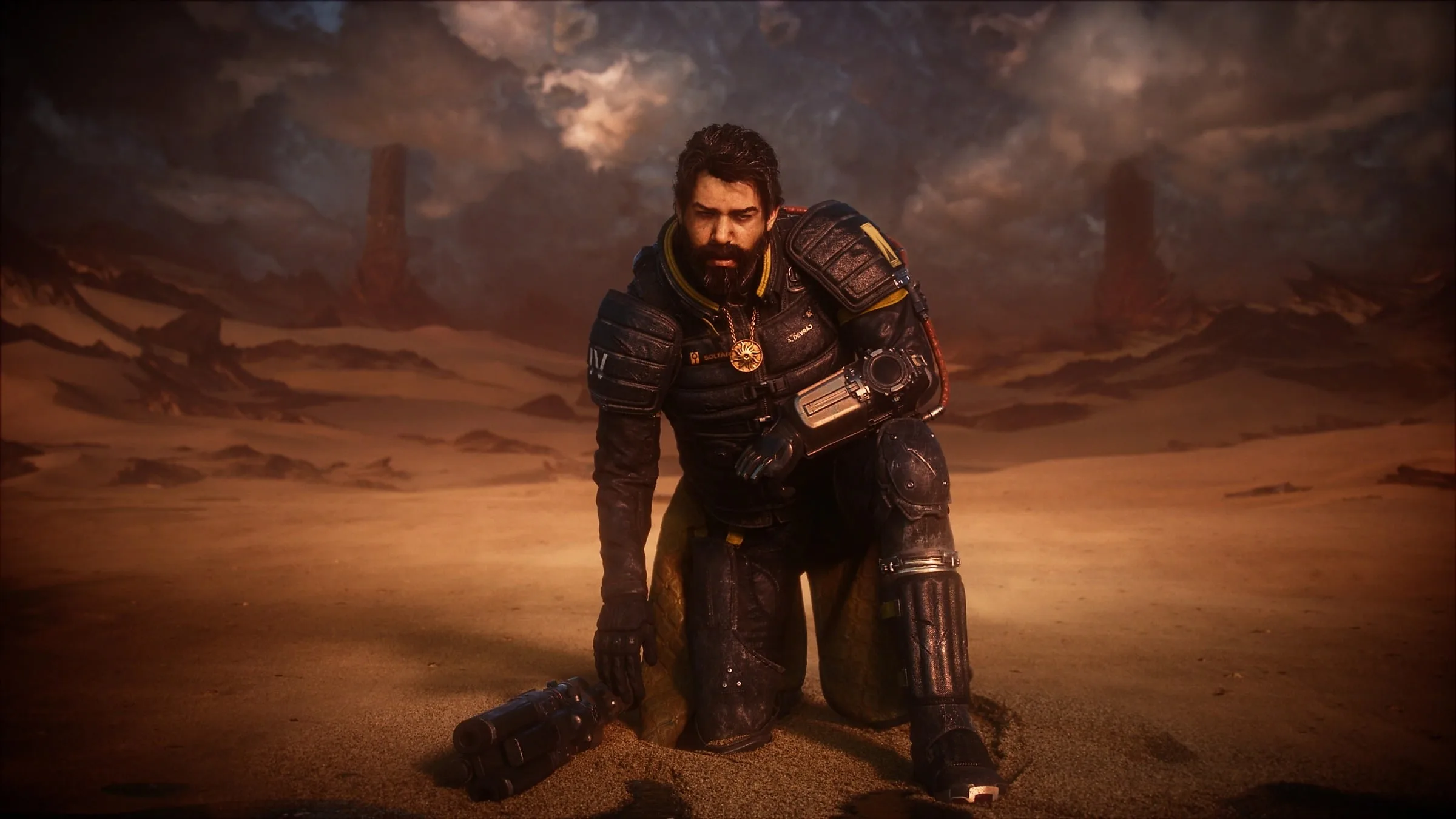
For every player who mastered the relentless dance of Returnal, another hit a wall—not of skill, but of patience, their hard-won progress vanishing into Atropos's alien fog. Housemarque's 2021 masterpiece was a critical darling, lauded for its razor-sharp combat and oppressive atmosphere, yet its uncompromising roguelike loop proved a formidable barrier for a significant audience. The newly revealed gameplay trailer for its successor, Saros, does more than showcase flashy particle effects and eerie biomes. It delivers a direct message to those left behind: this is a systemic evolution. Saros positions itself not merely as a sequel, but as a blueprint for refining a demanding genre by directly addressing its most common points of friction with permanent progression and player agency.
Learning from Returnal: Addressing the "Rogue" in Roguelike
Returnal’s core criticism was never about its quality, but its accessibility. Players universally praised its "game feel"—the silky-smooth movement, impactful weapon feedback, and adrenaline-pumping boss fights. The frustration stemmed from the meta-progression. Dying after a lengthy run often meant losing weapon proficiency, consumables, and artifacts, returning to the start with only a sliver of story and a handful of permanent unlocks. For many, this created a palpable sense of wasted effort, where the steep challenge could feel like a wall that invalidated time invested.
Saros’s new trailer and accompanying details from Creative Director Gregory Louden on the PlayStation Blog position the game as Housemarque’s learned response. The studio isn't abandoning the roguelike structure that defines its modern identity. Instead, it's refining it by integrating a pillar of player feedback: the desire for tangible, permanent character growth. This move demonstrates a studio confident enough to critique its own successful formula, seeking to broaden its appeal without diluting the intense, skill-based action that earned it a dedicated fanbase.
The Heart of Saros: The Passage and Permanent Progression
The most striking departure from Returnal’s lonely, looping hellscape is the introduction of "The Passage." This central hub acts as a permanent home base, a stark contrast to the cold, resetting corridors of Atropos. The Passage is more than a menu screen; it's a place for world-building, housing NPCs to interact with, and, most importantly, serving as the cradle for permanent progression.
At its heart lies what Louden describes as a "mysterious banyan tree," which functions as the game’s progression tree. Here, players will spend two key resources—Lucenite and Halcyon—earned during expeditions into the dangerous Carcosan Reach. These upgrades are permanent. They persist across deaths, fundamentally altering the meta-progression loop. Where Returnal asked, "What can I learn this run?" Saros adds, "What can I build over all my runs?" This system provides a constant forward momentum, ensuring that even a failed attempt contributes meaningfully to the player's overall power, directly mitigating the "wasted time" critique of its predecessor.
Tailoring the Challenge: The Carcosan Modifiers System
Perhaps the most groundbreaking feature revealed is the Carcosan Modifiers system. In an industry where difficulty is often a binary toggle or a set of rigid presets, Saros is implementing a granular difficulty slider for the action-roguelike genre. This system is split into two distinct categories, allowing for a highly personalized experience.
Protection Modifiers
are designed for accessibility. These can reduce the damage players take or provide other buffs to lower the overall challenge. Conversely,
Trial Modifiers
are for veterans seeking greater tests, making enemies more aggressive, altering environmental hazards, or otherwise cranking up the intensity for greater rewards. This elegant system empowers the player like never before in a Housemarque title. A newcomer can use Protection Modifiers to learn the ropes and experience the story, while a Returnal adept can stack Trial Modifiers for the ultimate challenge. It acknowledges a spectrum of player skill and desire, making the game a bespoke experience rather than a one-size-fits-all ordeal.
Release Strategy and What We Know
The path to the Carcosan Reach is now clearly marked. Saros is confirmed for release on April 30, 2025, exclusively for PlayStation 5. For eager explorers, pre-ordering the Digital Deluxe Edition will grant 48-hour early access, a now-common but effective incentive for dedicated fans. The creative vision remains under the guidance of Gregory Louden, whose detailed PlayStation Blog interview provided the crucial context for the trailer’s highlights. All signals point to Housemarque executing a focused, confident follow-up, building on a solid foundation while carefully remodeling its structure.
Saros stands as Housemarque’s thoughtful and direct response to its own legacy. By weaving in permanent progression, a living hub, and a player-driven difficulty framework, the studio is attempting a delicate balancing act: bridging the gap between Returnal’s intense roguelike appeal and a more approachable, mainstream-friendly experience. The April 2025 release will be the ultimate test of whether this refined formula can recapture the atmospheric magic and impeccable combat of its predecessor while finally opening the airlock to the players it once left stranded. The trailer suggests a studio that has not only listened but has learned and evolved. Whether Saros succeeds will not only determine the fate of its own world but could redefine how studios balance uncompromising vision with player agency in the years to come.