Saints Row's Uncertain Future: Why a Franchise Founder Believes the Series Is Dead
In February 2026, Chris Stockman, the design director of the original Saints Row (2006), delivered a stark verdict on the property he helped create: "I think the franchise is dead." This...

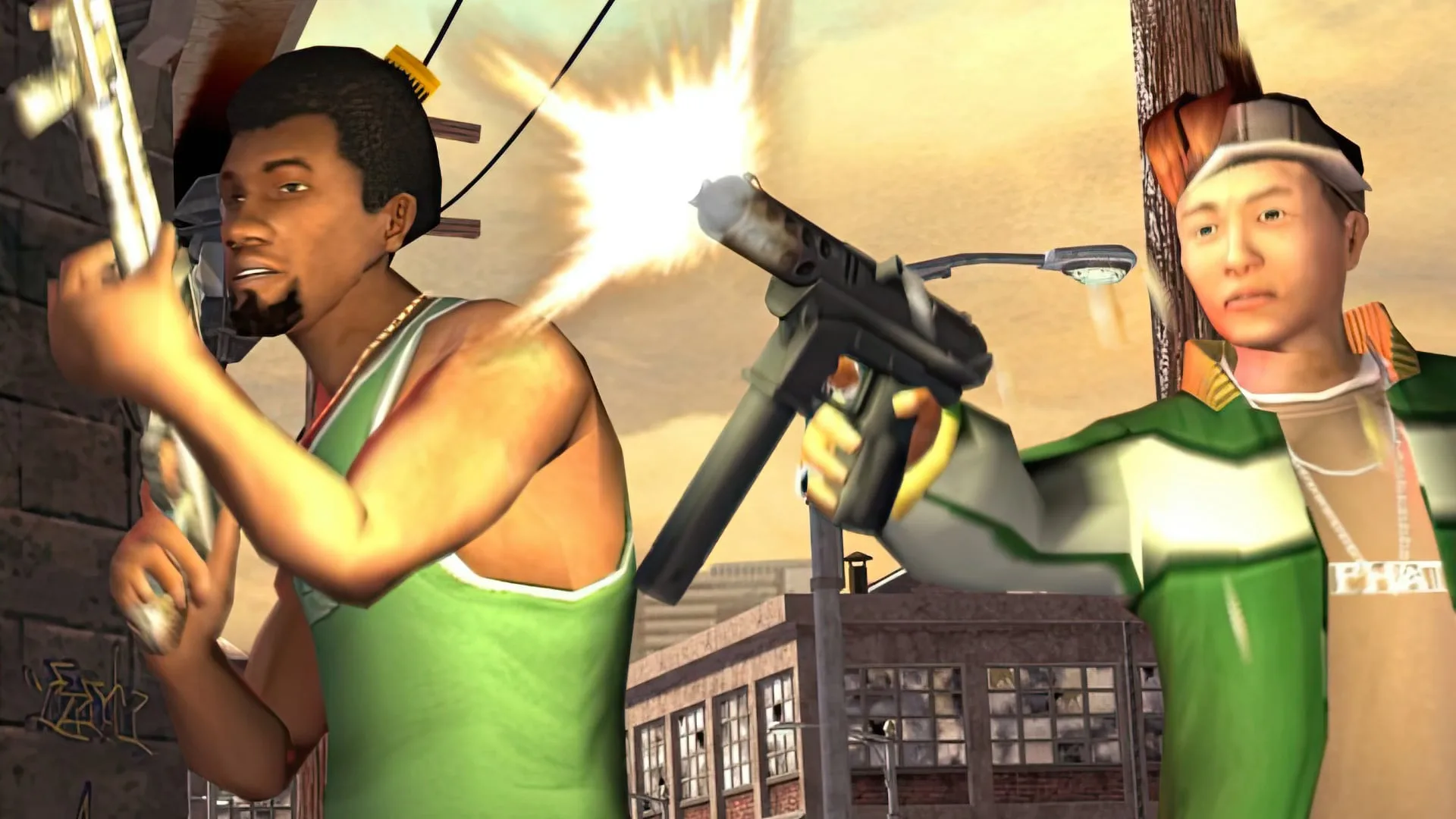
In February 2026, Chris Stockman, the design director of the original Saints Row (2006), delivered a stark verdict on the property he helped create: "I think the franchise is dead."
This pronouncement from a foundational creator casts a long shadow over a franchise already reeling from the commercial disappointment of its 2022 reboot and the shuttering of its longtime developer, Volition. Stockman placed the blame squarely on current IP owner Embracer Group for "ghosting" him and possessing "zero ability" to manage the series. His words are not just criticism; they are a eulogy from a primary source, forcing the industry to confront whether one of gaming’s most distinctive open-world series has truly met its end.
The Architect's Verdict: Chris Stockman Declares Saints Row "Dead"
The authority behind Chris Stockman’s statement is unimpeachable. As the design director for the original 2006 Saints Row, he was instrumental in carving out the series' initial identity—a grittier, more grounded counterpoint to Grand Theft Auto that still embraced over-the-top action and gangster fantasy. For him to publicly declare the franchise "dead" is a significant act of disavowal.
His criticism is intensely personal and directed at the corporate entity now in control. Stockman claims Embracer Group has "ghosted" him, a term implying a complete and unprofessional breakdown in communication. He elaborated that the conglomerate has "zero ability to do anything with" the IP he helped build. This isn't merely a disappointed fan's lament; it's a core creator asserting that the institutional knowledge and creative vision necessary to shepherd Saints Row forward have been severed from the IP's ownership. His verdict suggests the franchise's soul has departed, leaving behind only a corporate-owned shell.
A Reboot Rejected: The 2022 Relaunch and Its Aftermath
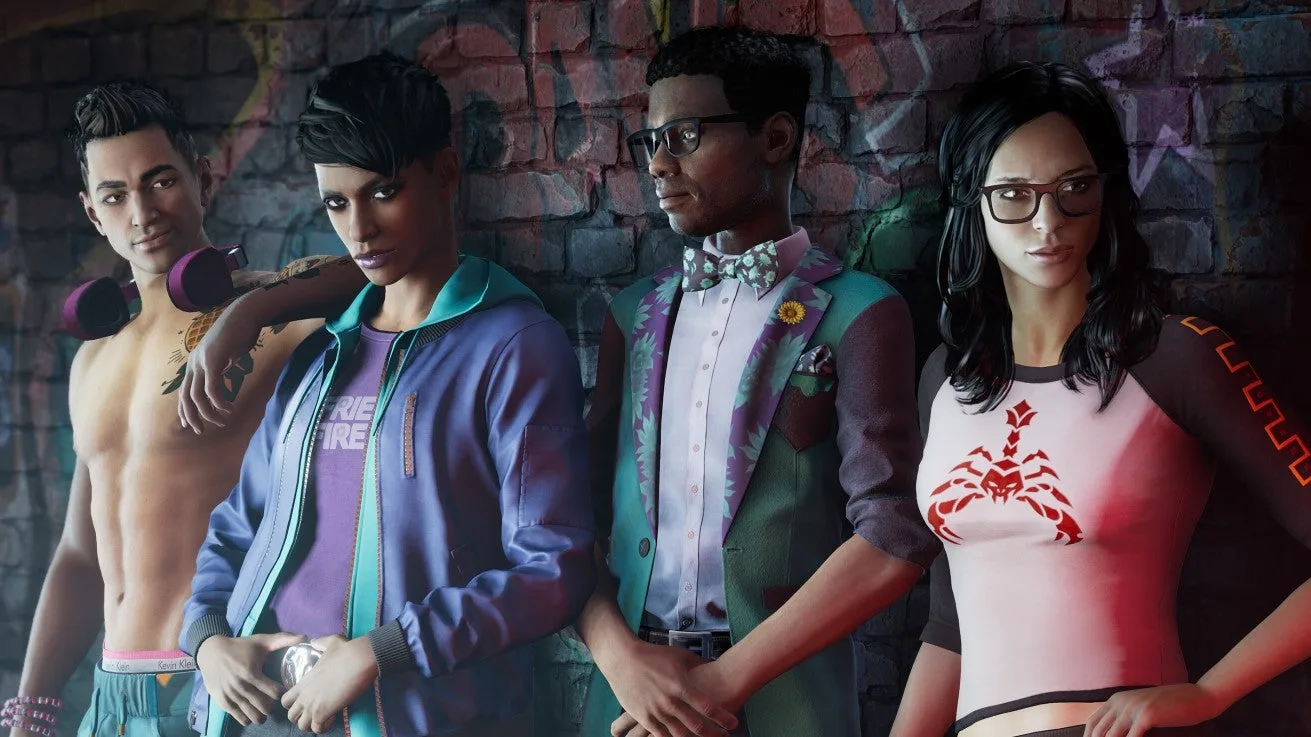
Stockman’s grim assessment is rooted in the recent, tumultuous history of the series, culminating in the poorly received 2022 reboot. Developed by Volition after Stockman’s own departure, the reboot aimed to revitalize the series with a new cast and a more contemporary, "millennial" tone. The result was a critical and commercial misfire.
The game garnered Metacritic scores in the low to mid-60s, with widespread criticism targeting its inconsistent humor, technical issues, and perceived abandonment of the series' edge (having evolved from its gritty origins into the celebrated, absurdist chaos of Saints Row: The Third). Stockman had been vocal about this direction even before release, calling the reboot "a terrible idea" and arguing it "wasn't Saints Row at all."
This internal criticism found an echo in external industry analysis. Matt Karch, CEO of Saber Interactive (a company then under the Embracer umbrella), later stated that Volition "didn't know what they were building" and "didn't have any real direction" during the reboot's development. The failure had dire consequences. In 2023, as part of Embracer Group's massive, ongoing restructuring, Volition was shut down after nearly 30 years in operation. The studio that birthed Saints Row and shepherded it through its acclaimed second and third entries was dissolved, severing the last direct institutional link to the franchise's golden age. The reboot didn't just fail to attract a new audience; it catalyzed the destruction of the series' original home.
The Ghosted Pitch: Unrealized Plans for a 1970s Prequel
Adding a layer of tragic "what if" to this story is Stockman’s own attempt to steer the franchise back to safety. In November 2025, he publicly announced he was crafting a pitch for a new Saints Row project—a prequel set in the 1970s that would explore the origins of the gangs from the first game.
This concept stood in direct, purposeful contrast to the 2022 reboot. Instead of chasing modern trends, it proposed a return to the series' roots, delving into the foundational lore and gritty atmosphere that originally defined it. For many longtime fans, this represented a perfect path to redemption: a homecoming guided by a founding father.
However, this pitch appears to have gone nowhere. Stockman’s subsequent claim of being "ghosted" by Embracer Group is directly connected to this unfulfilled proposal. The incident frames the current IP holder not just as a poor steward, but as an inaccessible gatekeeper, unwilling to even engage with the original creative talent offering a lifeline. The 1970s prequel idea now stands as a symbol of a lost opportunity—a clear, fan-approved vision for revival that was seemingly ignored, reinforcing Stockman’s conclusion that the franchise lacks a viable creative future under its current ownership.
Who Owns the Future? Embracer's Role and Industry Uncertainty
The central question of Saints Row’s fate is inextricably tied to the corporate saga of Embracer Group. The Swedish conglomerate acquired the IP as part of its aggressive buying spree, only to later enact a severe restructuring plan involving widespread studio closures, project cancellations, and divestitures. The shutdown of Volition was one tile in this larger mosaic of corporate contraction. In this context, the Saints Row IP’s stasis is not an anomaly but potentially a symptom of Embracer’s broader strategic recalibration, where underperforming assets are shelved or sold.
This reality poses a fundamental problem. Does Embracer, amidst its own financial and structural challenges, have the will, resources, or creative strategy to resurrect Saints Row? Stockman’s reported communication breakdown suggests a concerning disconnect between the corporate owner and the franchise's creative heritage. If the holders of the IP are not engaging with those who understand its DNA, what future can it have? The franchise exists in a legal and financial limbo: technically alive in a portfolio, but creatively dormant and cut off from the vision that once gave it life.
The evidence assembled paints a compelling and bleak picture: a rejected reboot that fractured the fanbase, the closure of the original studio, and the ignored revival pitch from a key founder. While the Saints Row trademark undoubtedly still exists on a spreadsheet in Embracer’s headquarters, the creative vision, institutional memory, and passionate stewardship that defined the series appear to be extinguished. Any potential future project would now face the herculean task of reviving a wounded brand without the involvement of its original architects, all while operating under a corporate parent focused on stability over creative risk. The path forward is not just unclear; it may be nonexistent. For now, based on the evidence, fans of the Third Street Saints are left with a eulogy that feels increasingly definitive, not just uncertain.
Tags: Saints Row, Embracer Group, Volition, Chris Stockman, Video Game Industry