RTX Spark Unlocks Competitive Gaming for Windows on Arm - and Delivers a Gut Punch to Linux
When Linux gaming was celebrating its best year yet, Proton making nearly all Steam titles playable, the Steam Deck proving portable PC gaming can work, kernel-level anti-cheat remained the...

When Linux gaming was celebrating its best year yet, Proton making nearly all Steam titles playable, the Steam Deck proving portable PC gaming can work, kernel-level anti-cheat remained the persistent barrier. Titles like Fortnite, VALORANT, League of Legends, and PUBG stayed off-limits on SteamOS, not due to hardware or Proton limitations, but because developers refused to enable Linux support. Now Nvidia has announced RTX Spark, an Arm-based superchip that directly addresses that anti-cheat problem, but exclusively for Windows on Arm. The company is working with Easy Anti-Cheat, BattlEye, and Denuvo to bring those very games to its new platform, while refusing to commit to Linux driver support. The irony is sharp: the solution Linux desperately needed is being handed to a rival platform instead.
What Is Kernel-Level Anti-Cheat and Why Does It Block Linux?
For readers unfamiliar: kernel-level anti-cheat software (like Easy Anti-Cheat, BattlEye, and Riot Vanguard) runs at the deepest level of the operating system, monitoring system calls to detect cheating. Because it requires low-level OS access, it must be ported and signed for each platform. While these anti-cheat providers technically support Linux through Proton, game developers rarely enable that support due to security concerns, limited testing resources, and the small Linux user base. The result is a hard block on the most popular competitive multiplayer games.

RTX Spark, Nvidia’s Arm Superchip for Windows on Arm
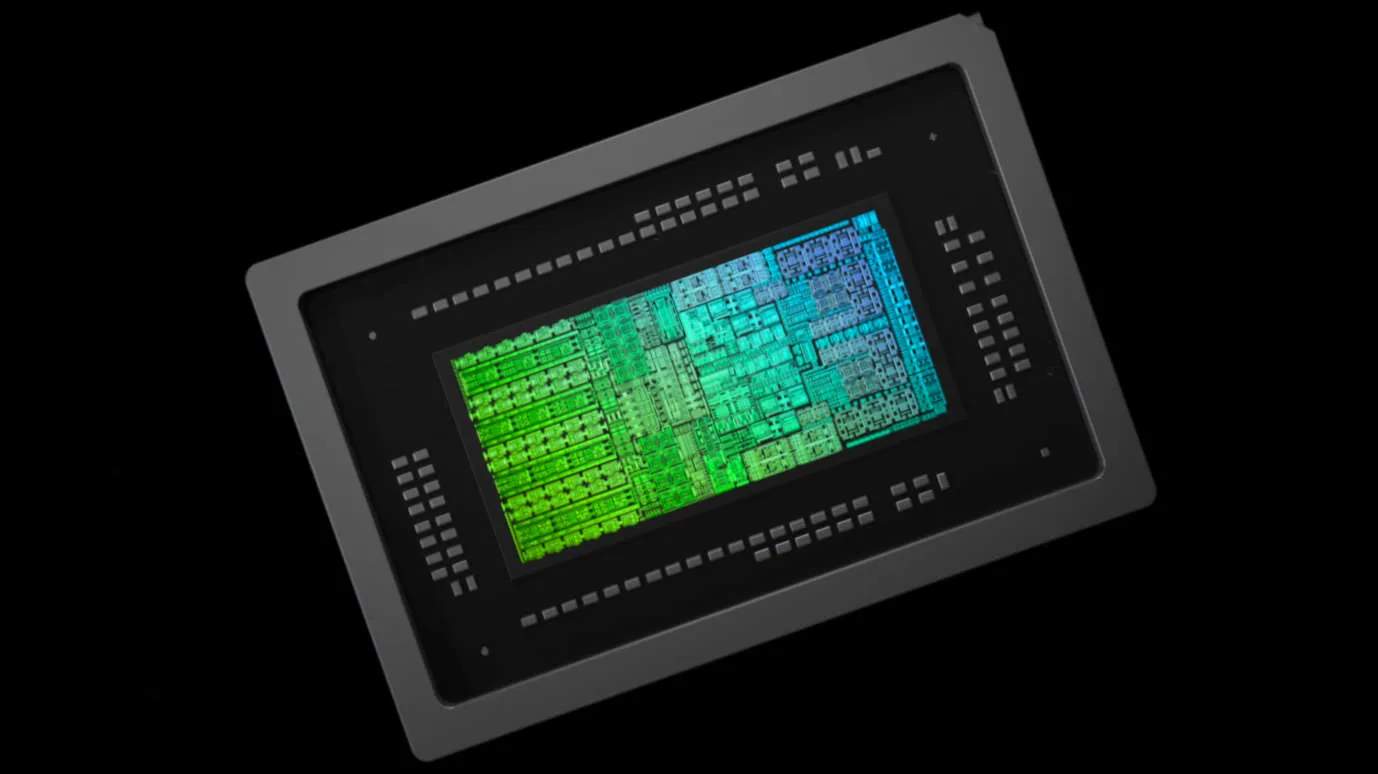
At Computex 2026 on June 1, Nvidia unveiled RTX Spark, its first consumer Arm-based system-on-chip. Built in collaboration with MediaTek on TSMC 3nm, the chip packs a 20-core Arm CPU, a Blackwell GPU with up to 6,144 CUDA cores, and up to 128GB of unified LPDDR5X memory, totaling 70 billion transistors (Nvidia press release, June 1, 2026). According to Nvidia’s internal benchmarks, the top-tier configuration delivers performance comparable to an RTX 5070 mobile GPU, achieving 100fps at 1440p in Indiana Jones and the Great Circle.
RTX Spark targets laptops and mini-PCs running Windows on Arm, a platform historically hampered by emulation overhead and a lack of native Arm game builds. Nvidia’s approach combines native Arm CPU performance with its own GPU drivers and Microsoft’s Prism emulation layer, which efficiently translates x86 code to Arm. Over 30 laptop models and 10+ desktop designs from partners including Dell, HP, and Microsoft (the Surface Laptop Ultra is a flagship) are planned, with availability expected in autumn 2026 (source: Nvidia Computex keynote transcript).
The Anti-Cheat Breakthrough, Fortnite, VALORANT, League, and PUBG Arrive on WoA
The real headline is the software partnership. Nvidia confirmed it is working directly with Easy Anti-Cheat, BattlEye, and Denuvo, and per Engadget’s coverage, “every” major anti-cheat provider, to ensure competitive multiplayer games run properly on RTX Spark and Windows on Arm. That means the kernel-level anti-cheat systems protecting games like Fortnite, VALORANT, League of Legends, and PUBG: Battlegrounds are being ported to the Arm architecture.
Fortnite already arrived on Windows on Arm in November 2025 thanks to Qualcomm’s work with Epic Games (The Verge, Nov 2025). The new push goes much further: Nvidia explicitly named VALORANT, League of Legends, and PUBG as coming to the platform, and the anti-cheat partnerships ensure future titles follow. Developers are creating both Prism-optimized (emulated) and fully native Arm versions of their games.
This is the single biggest unlock for Windows on Arm gaming. The same kernel-level anti-cheat that has been the primary barrier on Linux and SteamOS is now actively integrated into WoA by the vendors themselves. For the first time, Arm-based Windows PCs will be able to play the most popular competitive titles without compromise.

What This Means for Linux, The Wall Stands, and Nvidia Won’t Help
The Linux gaming community has reason to feel frustrated. SteamOS and Proton have made remarkable progress, over 80% of Steam games are now playable on Linux (Steam Hardware & Software Survey, May 2026). The Steam Deck proved portable PC gaming can work beautifully. Yet kernel-level anti-cheat remains the hard blocker. Easy Anti-Cheat and BattlEye have technically supported Linux and Proton for years, yet game developers almost universally choose not to enable it. The reasons vary: concerns about cheating on a more open platform, lack of support burden, and the small Linux user base. The result is that Fortnite, VALORANT, League, and PUBG are simply absent from Linux.
Now Nvidia is solving that exact anti-cheat problem, but for Windows on Arm, not for Linux. When asked by PCWorld about Linux driver support for RTX Spark, Nvidia declined to comment, stating it is “currently focused on Windows” (PCWorld, June 2, 2026). The architecture is capable of running Linux, but Nvidia has made no commitment to GPU drivers or a software stack for the platform. Given Nvidia’s history with Linux desktop drivers, functional but never a priority, the silence speaks volumes.
The timing is painful. The Linux community was just celebrating the anti-cheat problem as the “last frontier.” There was hope that Valve’s lobbying or developer pressure would eventually flip the switch. Instead, the solution has been handed to a closed, Windows-only platform. The Qualcomm precedent, Fortnite arrived on WoA in November 2025, proved that anti-cheat porting is possible when the right partnerships exist. Nvidia is now expanding that success to a broader title list, but with zero intention of bringing the same benefits to SteamOS.
The future implications are stark. If competitive multiplayer gaming continues to rely on kernel-level anti-cheat, and if developers prioritize Windows on Arm over Linux, the dream of Linux being a true cross-platform alternative may remain unfulfilled. The Steam Deck remains an excellent device for single-player and older multiplayer titles, but the most popular esports games will stay out of reach.
Reader Takeaway: For Linux gamers using Steam Deck or other devices, your hardware remains excellent for single-player and indie titles. But major competitive esports, Fortnite, VALORANT, League of Legends, PUBG, are likely to remain inaccessible for the foreseeable future unless Valve or the community finds an alternative approach.
What Could Change, Valve’s Options and the Anticheat Future
This development arrives at a pivotal moment for both platforms. Windows on Arm has long been a productivity-focused ecosystem, but gaming was its Achilles’ heel. RTX Spark changes that calculation, potentially boosting Arm-based PC adoption beyond the corporate market. Microsoft’s Surface Laptop Ultra is positioning itself as a gaming-capable device, and with the anti-cheat unlock, it can now compete directly with x86 gaming laptops.
But the door is not entirely closed for Linux. Valve could attempt several countermoves:
- Build a SteamOS-native device with an x86 chip, abandoning Arm’s efficiency benefits but retaining game compatibility.
- Invest in server-side anti-cheat solutions that don’t require kernel-level access, though this would require industry-wide adoption.
- Lobby developers directly by offering financial incentives or technical support to enable Linux anti-cheat support, a strategy that has slowly gained traction.
- Partner with an anti-cheat vendor to create a Linux-first solution that satisfies developer concerns about security.
Moreover, the gaming industry is increasingly discussing alternatives to kernel-level anti-cheat, including cloud-based detection and hardware-level Trusted Execution Environments. If such solutions mature, they could bypass the platform-specific barriers entirely.
A Win for WoA, a Reminder for Linux
Nvidia’s RTX Spark is a technical achievement and a genuine win for Windows on Arm gamers, fast hardware, strong anti-cheat partnerships, and a pipeline of popular titles. But for the Linux gaming community, it is a bittersweet moment: the very problem that has held back SteamOS for years is being solved, but for someone else.
This is a win for Windows on Arm gamers, but it underscores a structural problem: platform competition for competitive gaming is now driven by corporate partnerships, not open standards. Until Valve or the Linux community finds a way to bridge that gap, kernel-level anti-cheat will remain the wall. The platform war for competitive gaming just gained a new front, and Linux is still on the outside looking in.