Romeo Is a Dead Man Review: Suda51's Chaotic, Terrifying Sci-Fi Masterpiece
Romeo Is a Dead Man promises classic Suda51 chaos—but is it polished genius or glorious mess? After a blood-soaked weekend with the Space-Time Police, the answer is resoundingly the former. For over...

Romeo Is a Dead Man promises classic Suda51 chaos—but is it polished genius or glorious mess? After a blood-soaked weekend with the Space-Time Police, the answer is resoundingly the former.
For over two decades, the name Suda51 and his studio, Grasshopper Manufacture, have been synonymous with a very specific brand of video game alchemy. It’s a formula that blends punk-rock attitude, hyper-stylized violence, and narratives that feel like a fever dream transcribed by a conspiracy theorist. The results—from Killer7 to No More Heroes—are famously polarizing: celebrated as cult classics for their fearless originality and criticized for their often-janky execution. This is Grasshopper Manufacture’s most confident, playable, and legitimately terrifying vision to date—a brilliantly violent action game wrapped in an intentionally incomprehensible, multi-media narrative that will sear itself into your memory.
A Fractured Reality: Narrative, Style, and Controlled Chaos
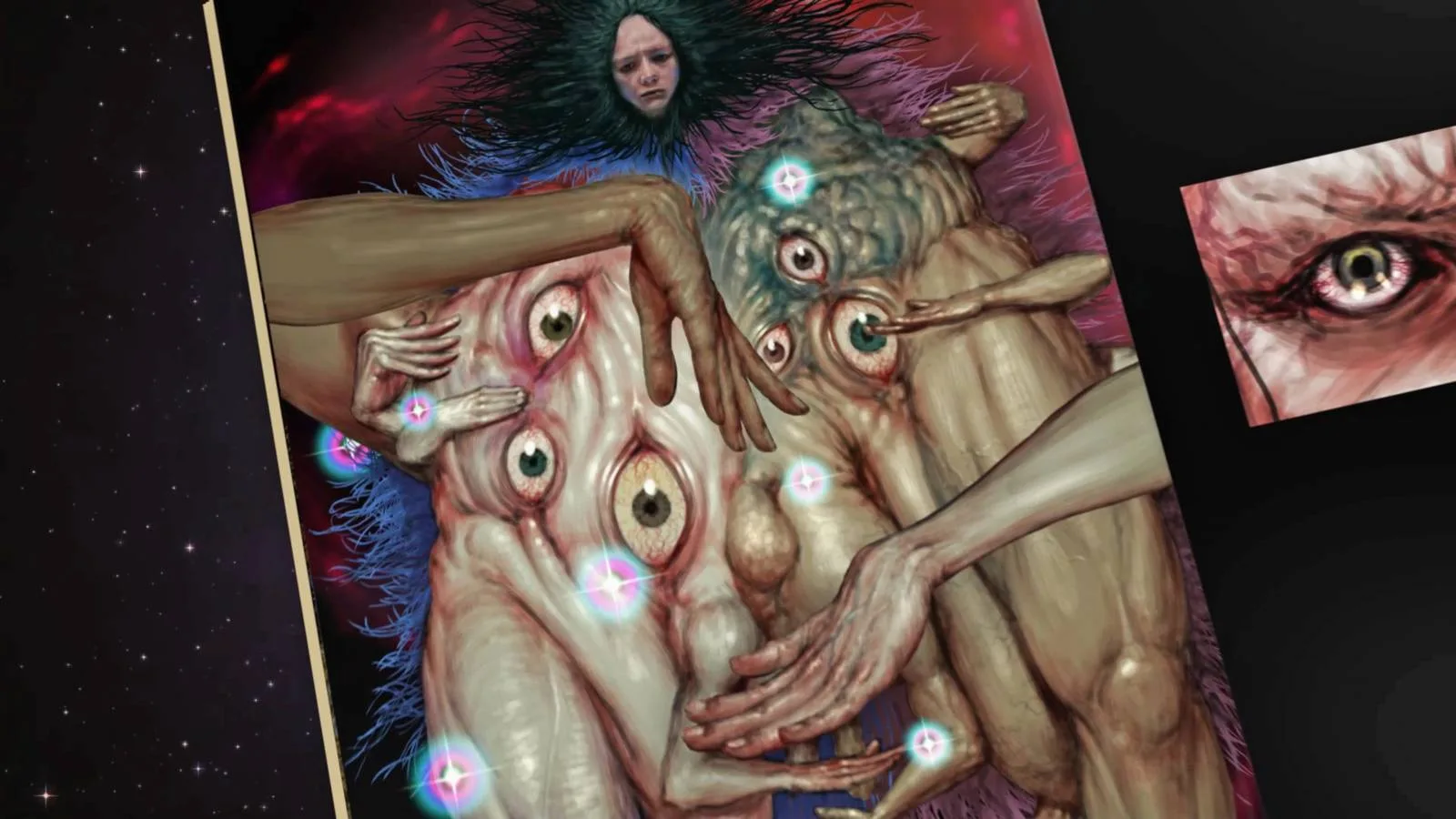
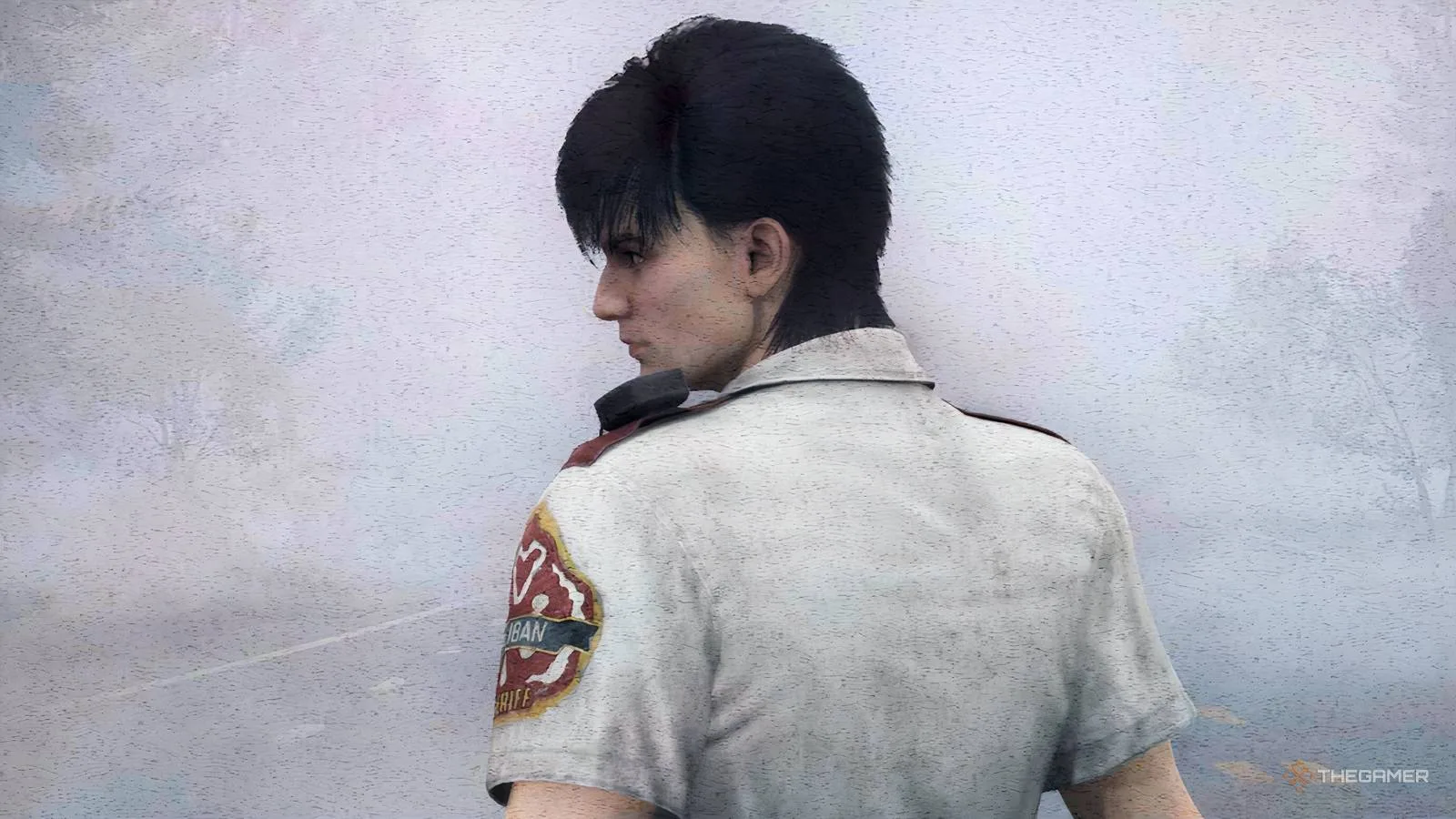
The premise is pure, uncut Suda51. You are Romeo Stargazer, a small-town sheriff’s deputy whose reality literally shatters, recruiting him into the FBI’s clandestine Space-Time Police. Your mandate? Hunt "space-time fugitives" across fractured timelines. Your personal drive? To find a mysterious woman named Juliet. What follows is a narrative that is less a straight line and more a Jackson Pollock painting of conspiracy theories, body horror, and dark comedy.
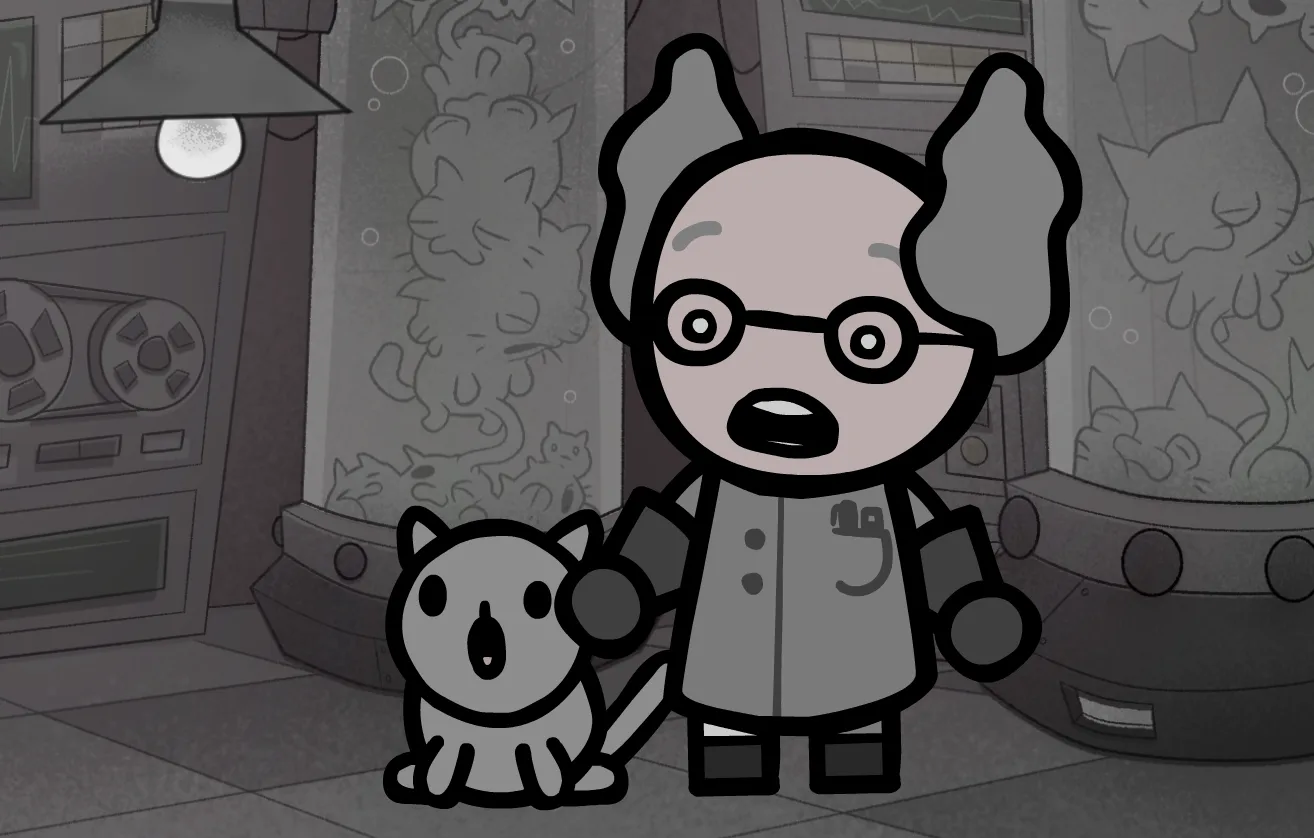
Romeo Is a Dead Man’s defining characteristic is its fractured, mixed-media aesthetic. One moment you’re navigating a beautifully grim 3D rendering of a derelict city hall, the next you’re in a 2D pixel-art hub aboard the spaceship The Last Night. Exposition is delivered through stylized comic book pages, crucial clues are found on VHS tapes that distort the screen with analog noise, and key lore is buried in collectible documents. This approach has drawn criticism for being opaque and frustrating, with some vital story beats easy to miss. However, to dismiss this as poor storytelling is to miss the point. This chaos is deliberate. The disorientation, the media-hopping, the sense that you’re piecing together a truth that is actively resisting coherence—all of it feeds into the game’s core, unsettling tone. You are not just playing a story about a broken reality; you are experiencing one.
Muscular Mayhem: The Deep and Accessible Combat System
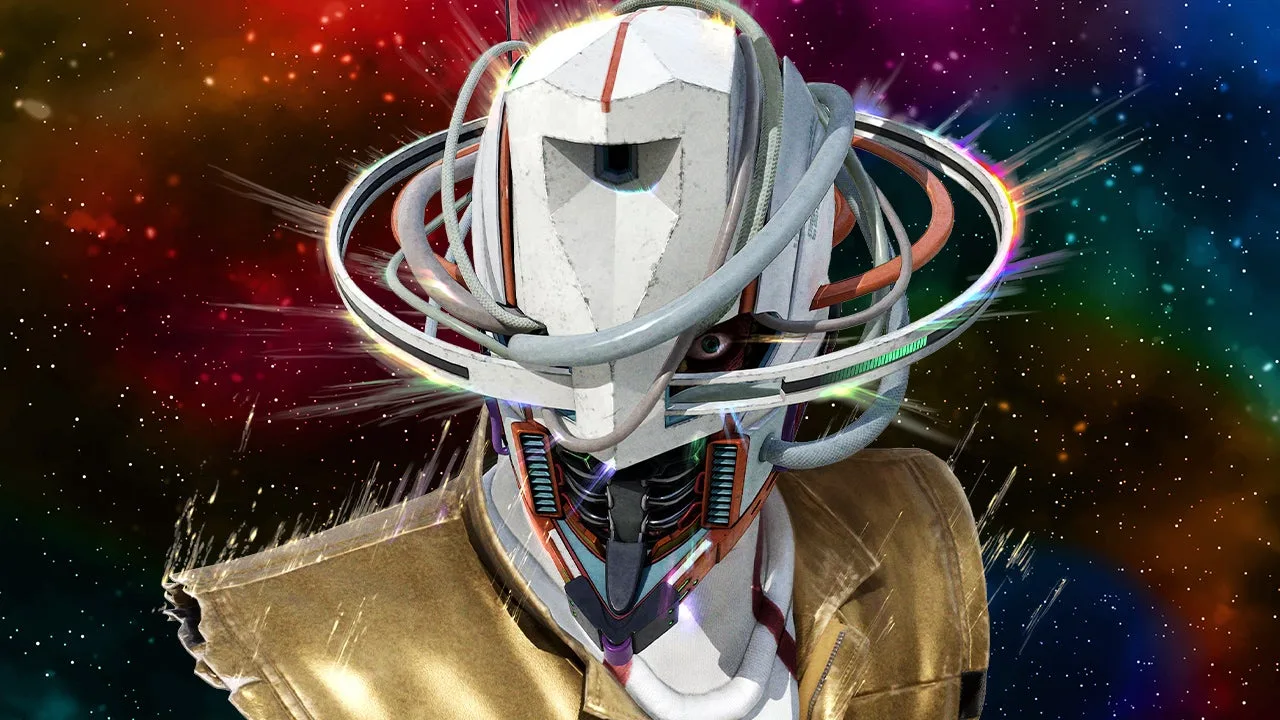
If the narrative is designed to unsettle, the combat system exists to empower and exhilarate. This is the game’s undisputed pillar, a "muscular" and deeply satisfying loop that stands among the best in the character-action genre. From the outset, you have access to eight core weapons—four melee, four ranged—which are unlocked steadily in the first few hours. The genius lies in their interplay. Enemies are covered in glowing weak points, color-coded to specific weapon types. A swift sword slash might expose a red core that must be shot, while a shotgun blast could stagger a foe, revealing a blue spot vulnerable to a wrench. The combat demands constant, fluid switching, turning every encounter into a violent, strategic ballet.
Fueling this mayhem are two standout systems. The first is "Bloody Summer," a screen-clearing special attack that also drains health from enemies to replenish your own. It’s fueled by a "blood" meter built through stylish combos, rewarding aggression with devastating payoff. The second is the utterly bizarre and brilliant "Bastards" system. Throughout the world, you collect seeds that grow into friendly zombie companions. These "Bastards" can be harvested, bred, and equipped to provide passive battlefield support, from deploying healing auras to acting as stationary turrets. It adds a layer of macabre strategy and customization that is perfectly in tune with the game’s off-kilter soul.
From Hub to Horror: Mission Structure and Standout Moments
The game is structured around discrete missions launched from the 2D sprite-based hub of The Last Night. This setup allows for a tour through some of the most imaginative and varied levels in recent memory. You’ll battle through a city hall frozen in a moment of cosmic disaster, purge a sun-drenched ‘70s cult enclave, and explore a sprawling, neon-lit mall. The visual design in each is impeccable, dripping with a distinct, oppressive mood.
It’s in the haunted asylum level where Romeo Is a Dead Man fully earns its "legitimately terrifying" descriptor. The game seamlessly pivots from ultra-violent action to pure psychological horror. Armed only with a flickering flashlight, you are forced into a tense stealth segment, evading a monstrous, unseen entity. The sound design ratchets to a unbearable pitch, the environments warp and bleed, and the game proves it can master horror as deftly as it does hyper-kinetic combat. This 10-15 hour campaign is dense with these standout moments, offering optional content for those who want to delve deeper into its unsettling world.
Polished Eccentricities: Mechanics, Minigames, and Flaws
Romeo Is a Dead Man incorporates familiar mechanics but twists them to its own eccentric ends. It uses Soulslike Space-Time Pharmacies as save points that respawn enemies, yet completely removes the sting of death. Die, and you’re treated to a roulette wheel that grants a random, often helpful, buff before respawning you right where you fell—no penalty, no lost progress. It’s a forgiving system that encourages experimentation over frustration.
The "Subspace" mechanic, used for puzzle-solving and traversal by shifting between dimensional layers, is a clever idea, though some critics rightly noted its applications can become repetitive. The game is also packed with bizarre extras: a fully-playable retro arcade game called DeadGear Cannonball where high scores grant permanent upgrades, a Pong-style mini-game for scanning objects, and even real-life miniature dioramas you view through a virtual lens.
Yet, for all its polish, this is still a Grasshopper game, and some traditional flaws persist. Enemy and boss attack patterns can feel repetitive over time. The PC version, at launch, suffers from technical hiccups and frame rate drops in particle-heavy scenes. Some mechanics, like a manual reload system that feels out of place, can be clunky. The story’s opacity will be a barrier for some. These are not insignificant points, but they exist within a whole so audacious and brimming with ideas that they often feel like part of the chaotic charm.
Romeo Is a Dead Man is a glorious contradiction. It is as polished as its "muscular" combat system, yet as deliberately fragmented as the VHS tapes hiding its lore. It is terrifying and hilarious, clunky and elegant, incomprehensible and unforgettable. It does not seek the safe, functional middle ground. Instead, it represents the ultimate expression of Grasshopper Manufacture’s identity—a triumph of style, mood, and visceral action that willingly sacrifices conventional clarity to achieve a singular, terrifying vision. It is flawed, bizarre, and absolutely never boring. For fans of inventive action and audacious game design, it is not just a recommendation; it is a mandatory dispatch from the fractured edge of what games can be.
Tags: Suda51, Grasshopper Manufacture, Action-Adventure, Sci-Fi Horror, Game Review