Riot Games Downsizes 2XKO Team Weeks After Launch: What It Means for the Game's Future
The launch of a major video game is typically followed by a period of celebration, bug-fixing, and planning for the live-service road ahead. For Riot Games' highly anticipated fighting game 2XKO,...

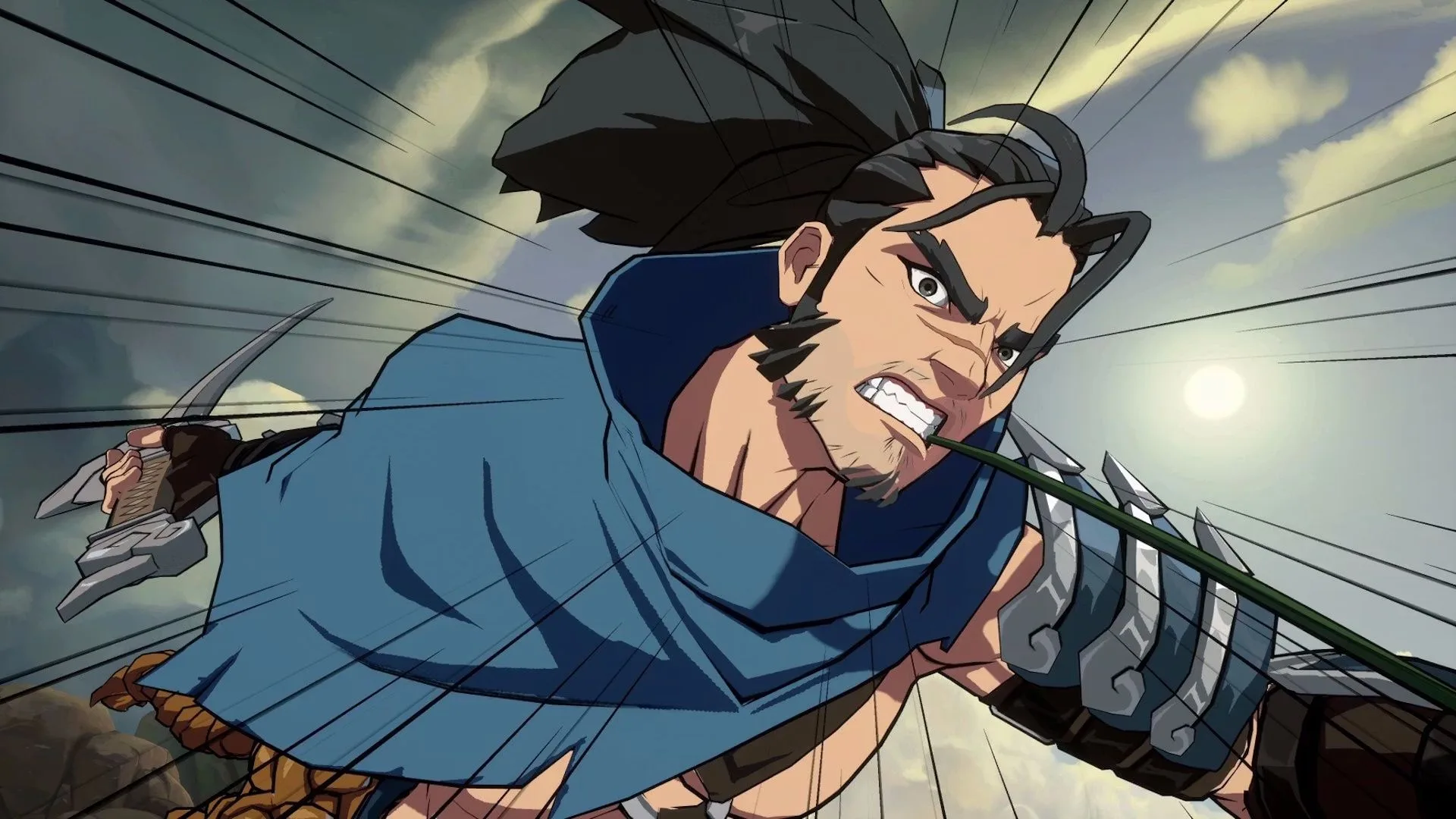
The launch of a major video game is typically followed by a period of celebration, bug-fixing, and planning for the live-service road ahead. For Riot Games' highly anticipated fighting game 2XKO, that period lasted less than three weeks. On February 9, 2026, Riot announced a significant reduction of the 2XKO development team, cutting approximately 80 roles—nearly half of the team's total staff. The announcement landed a stark 20 days after the game's official 1.0 launch on January 20, sending shockwaves through the fighting game community (FGC) and industry observers. This rapid pivot from launch mode to downsizing raises urgent questions: What does this drastic action signal about the game's initial performance, Riot's strategic patience, and the precarious future of high-budget, live-service fighting games?
The Announcement: A Sudden Shift Post-Launch
The facts of the announcement are as brutal as their timing. Riot Games communicated the decision internally and to the public on February 9. The scale of the cuts, targeting roughly half of the dedicated development team, indicates a strategic shift far more severe than typical post-launch optimization.
In a statement, Executive Producer Tom Cannon framed the decision around performance metrics, noting that while 2XKO has "resonated with a passionate core audience," the overall "player momentum has not reached the level needed to support the original team size long-term." This phrase, "player momentum," has become a focal point for analysis, serving as corporate shorthand for a combination of concurrent player counts, player retention rates, and monetization uptake.
Riot stated that impacted developers would receive severance packages and have the opportunity to apply for other open positions within the company.
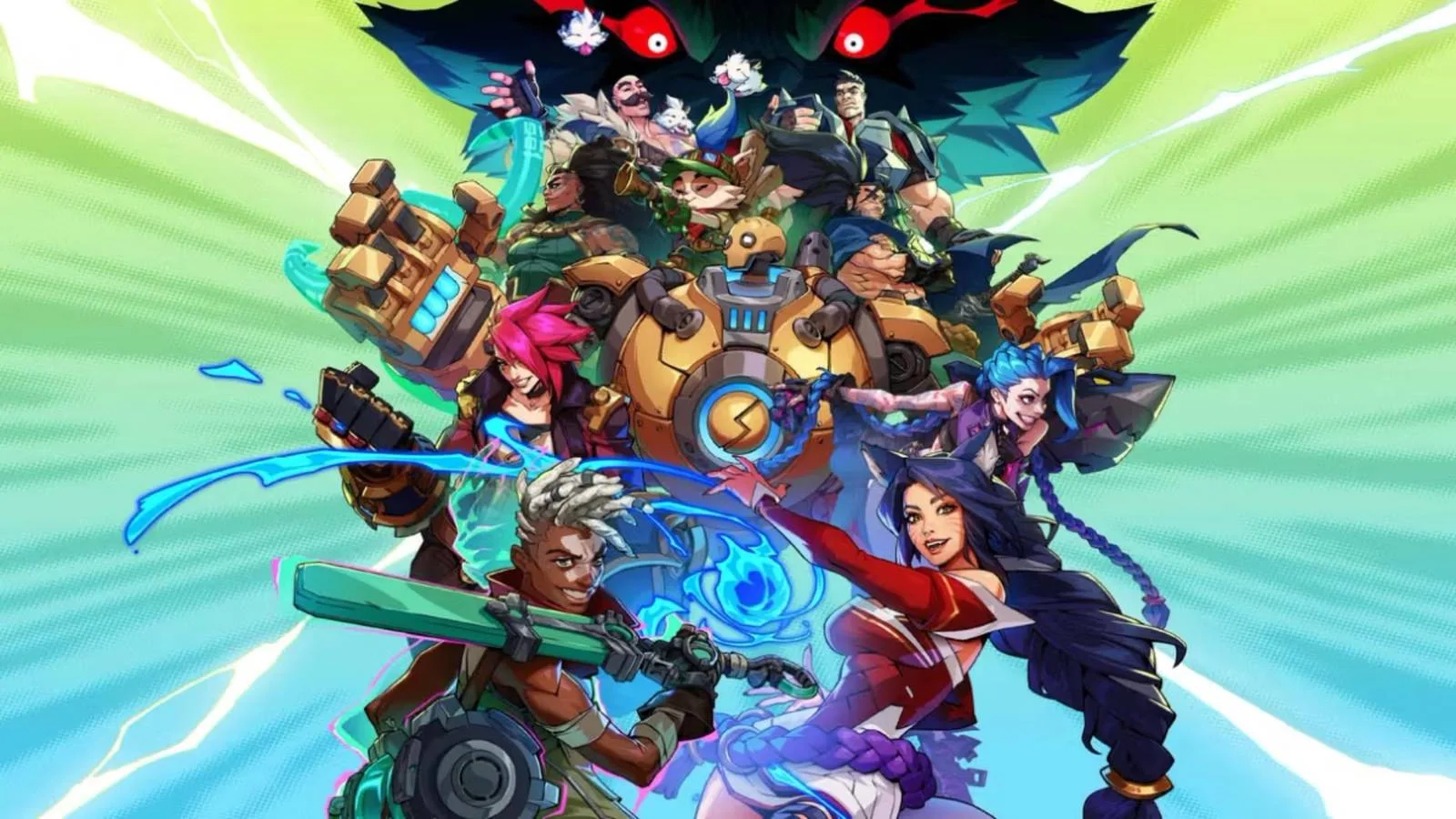
2XKO's Journey and the Shock of the Cuts
To understand the shock of these layoffs, one must appreciate the long development arc of 2XKO. Its origins trace back to Riot's acquisition of Radiant Entertainment in 2016. The game was formally announced as Project L in 2019, entering a prolonged period of community hype before its early access launch in October 2025 and full 1.0 release this past January.
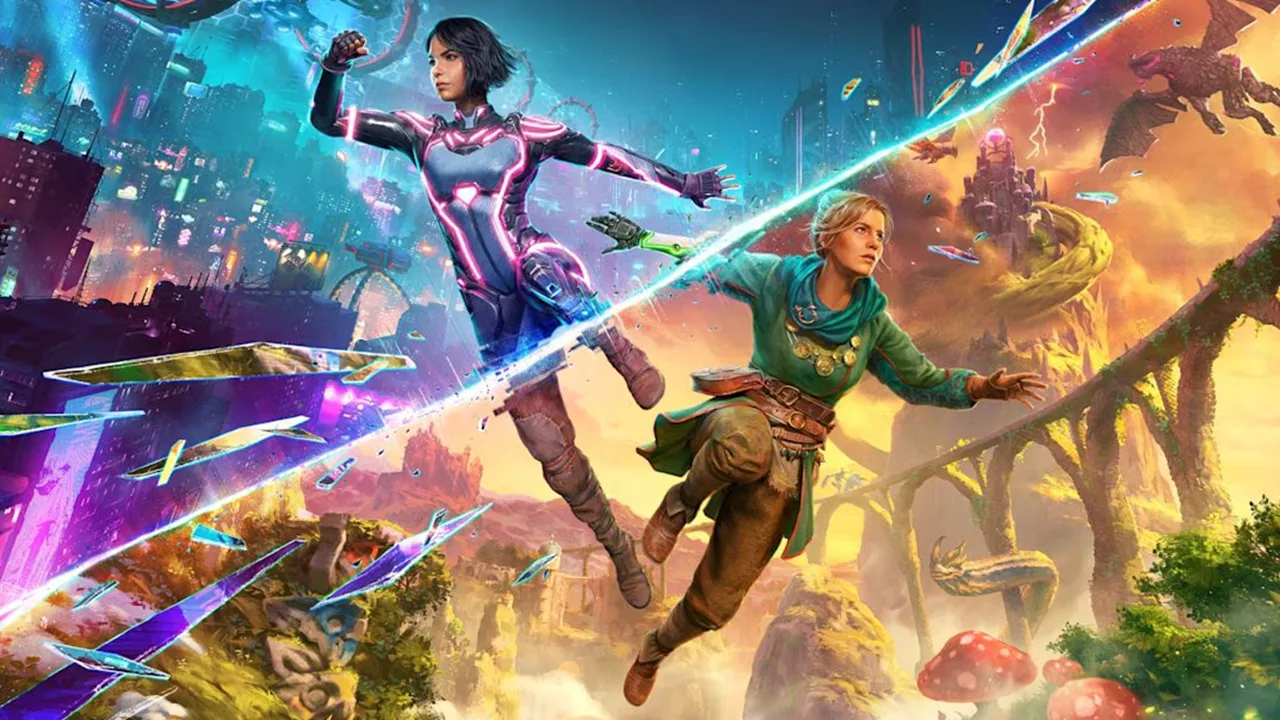
2XKO represented a monumental foray by a gaming titan into the traditional, hardcore fighting game genre. Leveraging the rich lore of the League of Legends universe, it promised the polished, live-service sheen of a Valorant or League to a genre often characterized by slower update cycles and niche audiences. Expectations were not just for a good fighting game, but for a potential new pillar for Riot esports.
Reading Between the Lines: Player Momentum vs. Expectations
Tom Cannon's statement is a masterclass in corporate communication, but its subtext is clear. "Player momentum" failing to meet expectations so quickly post-launch suggests that key performance indicators (KPIs)—likely daily active users (DAU), retention curves, and in-game spending—fell significantly short of internal projections. While Riot has not disclosed specific targets, industry standards for a live-service title of this budget would typically require strong Day-30 retention and robust early monetization to be considered a sustainable success.
This highlights the immense challenge for any live-service title, especially in the fighting game genre. Launch hype, content creator buzz, and initial sales are one thing; converting that into a sustained, large-scale player base that engages daily and spends money is another. The fighting game market is also more crowded than ever, with established giants like Street Fighter 6 and Tekken 8 maintaining strong communities, and free-to-play contenders like Brawlhalla occupying significant space.
The question becomes: Were Riot's expectations simply too high for the genre's ceiling, or did 2XKO fail to capture the broader "player momentum" it needed to justify a League of Legends-scale team? The speed of the layoffs suggests the gap was substantial and immediately apparent in the data.
Part of a Larger Pattern: Riot's Strategic Refocus
While shocking in its timing, the 2XKO downsizing is not an isolated event. It is a direct execution of a broader corporate strategy Riot began articulating two years prior. In early 2024, Riot laid off approximately 530 employees and shuttered its Riot Forge publishing label, which produced single-player adventures in the League universe.
At that time, CEO Dylan Jadeja stated the company was refocusing on "fewer, high-impact projects." The 2XKO team reduction is a stark example of this philosophy in action. A project is assessed not just on quality or core audience reception, but on its potential for massive, scalable impact. When early data suggested 2XKO might not hit that lofty benchmark, Riot pivoted resources swiftly and decisively, aligning the project's operational scale with its revised performance outlook.
The Road Ahead for 2XKO and Its Community
In the wake of the cuts, Riot has offered some assurances. The company confirmed that plans for the 2XKO 2026 Competitive Series remain unchanged, a critical promise for the esports community and competitive players investing time into the game. Furthermore, they stated the now-smaller team will focus on making key improvements to the game based on player feedback, with more detailed plans to be shared soon.
However, the community's concerns are valid and profound. What does a development team reduced by nearly half mean for the speed of balance patches, the pipeline for new characters and stages, or the rollout of new cosmetic content? The vague promise of "key improvements" raises immediate questions: Will the roadmap now feature fewer new characters per year? Will the focus shift entirely to servicing the competitive core with balance updates at the expense of broader content that retains casual players? Can a skeleton crew maintain the live-service cadence players expect from a Riot title, or will 2XKO transition to a more modest, maintenance-mode existence?
The central question now is whether this is a prudent, if painful, correction—rightsizing the project for sustainable long-term support—or the first step toward a diminished future, where the game struggles to compete for attention and resources within Riot's portfolio.
The story of 2XKO’s launch and immediate downsizing is a sobering case study in the high-stakes, data-driven reality of modern live-service game development. It underscores that for giants like Riot Games, even projects with decade-long gestation periods and passionate followings are subject to ruthless performance review the moment they go live. The contrast between the promised ecosystem and the rapid retrenchment is stark. While Riot's commitments to the competitive scene and player-driven updates offer a lifeline, the reduced team size casts a long shadow over the game's ambitious potential. The upcoming roadmap won't just define 2XKO's revised course—it will serve as the ultimate test of whether Riot's 'high-impact' strategy can accommodate a title that has, at least for now, found its impact in a passionate core rather than a blockbuster mass.
Tags: Riot Games, 2XKO, Video Game Industry, Layoffs, Fighting Games