Resident Evil: Requiem Ties for Highest User Score in Metacritic History: How Capcom's Latest Masterpiece Rewrote the Record Books
In the volatile arena of player opinion, a new standard has been set. As of March 2, 2026, Resident Evil: Requiem has achieved a user score of 9.5 on Metacritic , tying it with Clair Obscur:...


In the volatile arena of player opinion, a new standard has been set. As of March 2, 2026, Resident Evil: Requiem has achieved a user score of 9.5 on Metacritic, tying it with Clair Obscur: Expedition 33 for the highest user-rated title in the platform’s history. To grasp the magnitude of this, it surpassed legendary titles like Metal Gear Solid (9.3) and The Witcher 3: Wild Hunt (9.3). The achievement raises a pivotal question: in an era of fragmented tastes, what did Capcom's ninth mainline survival horror entry do to unite players so completely, earning a permanent spot in the record books within days of its release?
A Historic Metacritic Moment
The numbers tell a story of immediate and overwhelming player endorsement. Released on February 27, 2026, Resident Evil: Requiem rocketed to its 9.5 user score on Metacritic by March 2. This score is not an outlier but a consensus, mirrored by an “Overwhelmingly Positive” aggregate rating on Steam, where the game also set a new franchise record for concurrent players. The tie with Clair Obscur: Expedition 33 highlights the fiercely competitive nature of this particular ranking; the top position is notoriously volatile, often contested between timeless classics and unexpected modern phenomena.
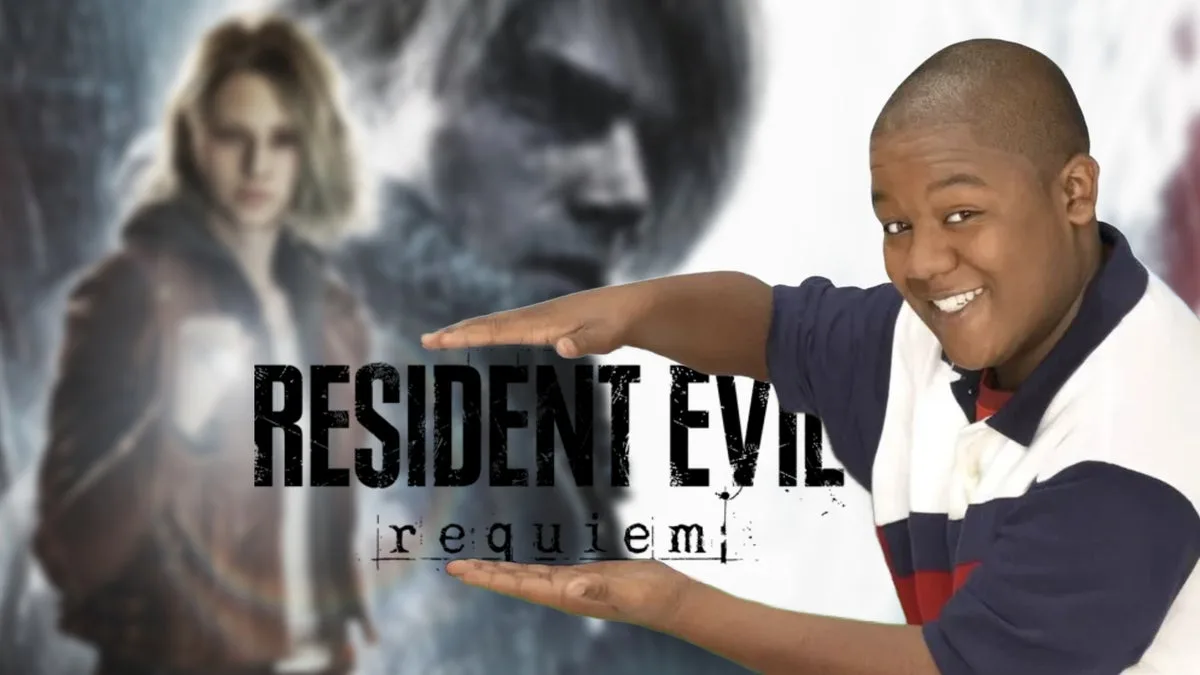
This record transcends mere bragging rights. It signifies a rare harmonic convergence between a game’s artistic vision and its community’s reception. Surpassing titans like Metal Gear Solid speaks to Requiem’s impact as a modern classic, while overtaking a cultural curiosity like Disney Cory in the House (9.3) underscores the genuine, broad-based adoration from the core gaming audience. This data point is the culmination of a perfect storm of quality, timing, and fan service.
Deconstructing the Success: Gameplay and Narrative Homecoming
At its core, Requiem’s success is built on a foundation of confident design and seismic narrative ambition. The game introduces a compelling dual-protagonist structure, splitting gameplay 60/40 between newcomer Grace Ashcroft and series veteran Leon S. Kennedy. This balance provided freshness alongside familiar comfort, allowing players to navigate tense, resource-managed horror from two distinct perspectives.
Critics and players have specifically praised how this structure translates into moment-to-moment tension. A frequently cited example is the "Blackwood Asylum" sequence, where players controlling Grace must carefully manage a dwindling ammunition supply against a persistent, regenerating enemy, while Leon's sections in the same environment focus on environmental puzzle-solving under time pressure. This interplay creates a masterclass in survival-horror pacing, forcing constant adaptation.
However, the true masterstroke lies in the narrative. Requiem performs a breathtaking act of narrative reframing, revealing that the shadowy corporation The Connections—previously a background player in the bioweapon trade—were the secret architects of the Raccoon City destruction in 1998. This revelation re-contextualizes three decades of series lore, tying disparate threads into a cohesive, menacing whole. The game’s stakes feel profoundly personal and epic simultaneously.
This narrative weight is compounded by a consequential player choice leading to two distinct endings. The “good” ending doesn’t just provide closure; it strategically and definitively positions The Connections as the central antagonist for Resident Evil 10. This move gives the franchise a clear, formidable nemesis moving forward, transforming Requiem from a standalone story into the crucial keystone for the series’ future.

The Critical and Cultural Context of a Win
The player score record is bolstered by unanimous critical praise. Requiem holds a robust 88 Metascore, with IGN’s 9/10 review calling it “a triumphant return to form.” It stands as the second highest-rated video game of 2026, trailing only Pokemon Pokopia. This reception didn’t occur in a vacuum. It directly responded to a palpable fan sentiment following Resident Evil Village—a desire for a grounded, tense experience that felt more intimately connected to the series’ survival-horror roots.
Requiem was developed and received as that homecoming. Yet, critics provided nuanced balance, with several reviews noting the game’s second half leans heavily on nostalgia, revisiting locales and themes from the franchise’s storied past. This minor critique only highlights the broader achievement: Capcom successfully walked the tightrope between honoring legacy and forging a new path, a feat that clearly resonated.
What This Means for the Future of Resident Evil
Resident Evil: Requiem has irrevocably altered the franchise’s trajectory. First, by implementing a player-choice driven ending with major consequences, Capcom has signaled a potential shift toward more branching, player-agency-focused narratives. This could define the storytelling approach for the next decade.
Second, and most significantly, by so effectively establishing The Connections as the puppet masters behind the series’ greatest tragedy, Requiem has provided Resident Evil 10 with a narrative North Star. The franchise now has a clear, hate-worthy overarching villain with deep roots in its history, solving a long-term world-building challenge.
Finally, this historic success creates a new tier of expectation. The commercial and developmental pressure on Capcom is immense. The company must now follow a game that is both a critical darling and a record-holding fan favorite. The challenge for Resident Evil 10 will be to build upon this meticulously laid foundation without merely retreading it.
Resident Evil: Requiem’s achievement is dual in nature. It is a masterfully crafted game that earned an 88 Metascore, and it is a cultural touchstone that has earned a 9.5 from the players. Its legacy, however, will extend far beyond a score. It has successfully re-centered the franchise’s lore, satisfied a core audience yearning for a specific experience, and, with surgical precision, set the stage for its future. In tying for the highest honor on Metacritic, Requiem has demonstrated that in today's gaming landscape, the most powerful statement a franchise can make is a flawless, confident execution that meets its community on their own terms—and then exceeds every expectation.
Tags: Resident Evil, Metacritic, Capcom, Video Game Reviews, Gaming Records