Resident Evil 1.5: The Canceled Prototype That Forged a Survival Horror Legend
The Resident Evil 2 that sits in the pantheon of gaming greats—the one with the iconic Raccoon City Police Department lobby, the haunting piano melody, and the desperate sibling search of Claire and...

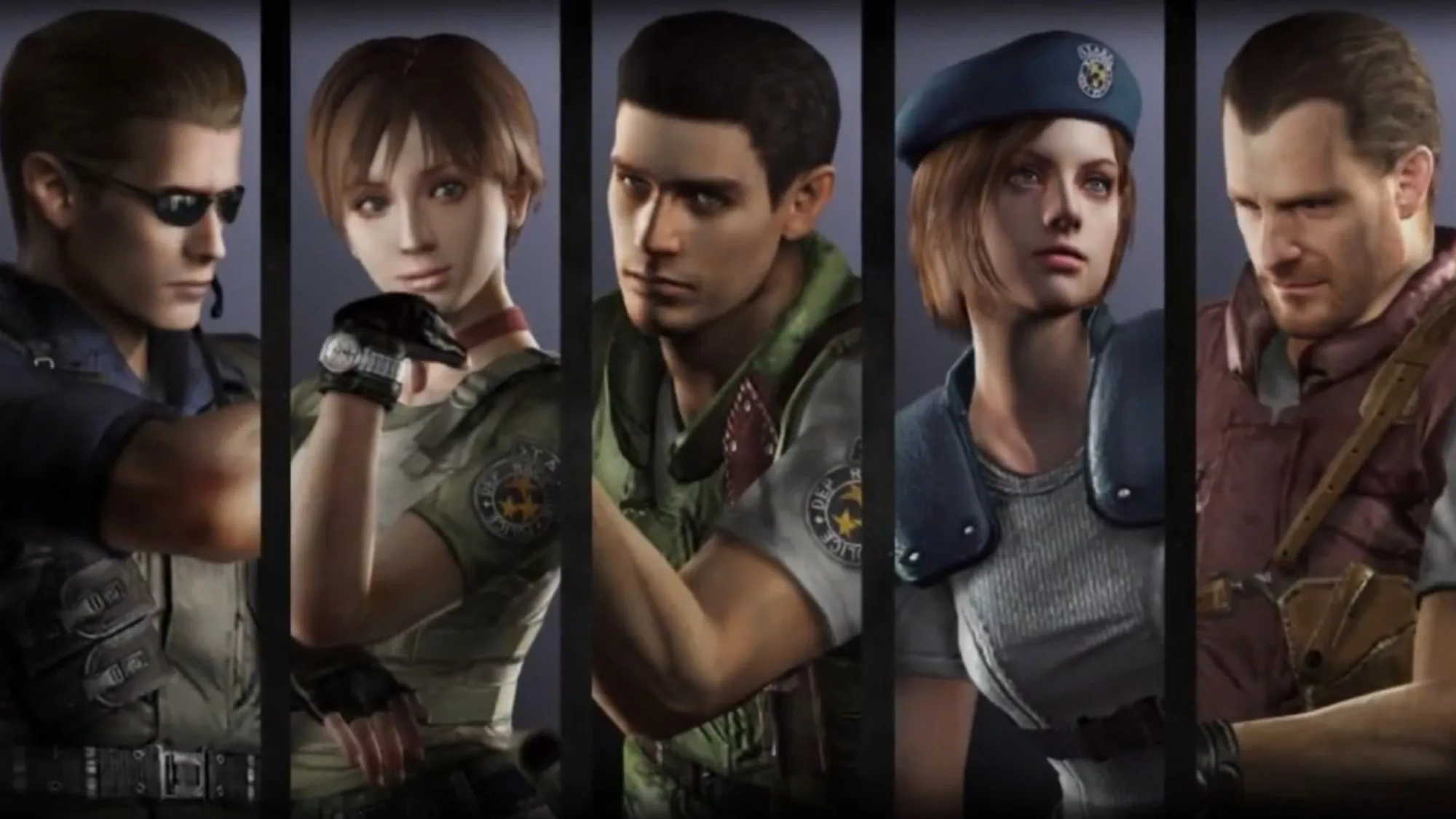
The Resident Evil 2 that sits in the pantheon of gaming greats—the one with the iconic Raccoon City Police Department lobby, the haunting piano melody, and the desperate sibling search of Claire and Leon—was never meant to exist. In an alternate timeline, fans received a different sequel: a game deemed so fundamentally flawed that its producer ordered it destroyed. This is the story of Resident Evil 1.5, the ambitious prototype whose spectacular failure became the essential sacrifice that allowed a masterpiece to rise from its ashes. More than a piece of trivia, its tale of cancellation, rediscovery, and lingering influence reveals the difficult, high-stakes decisions behind one of gaming’s most enduring franchises.
The Ambitious Sequel That Wasn't
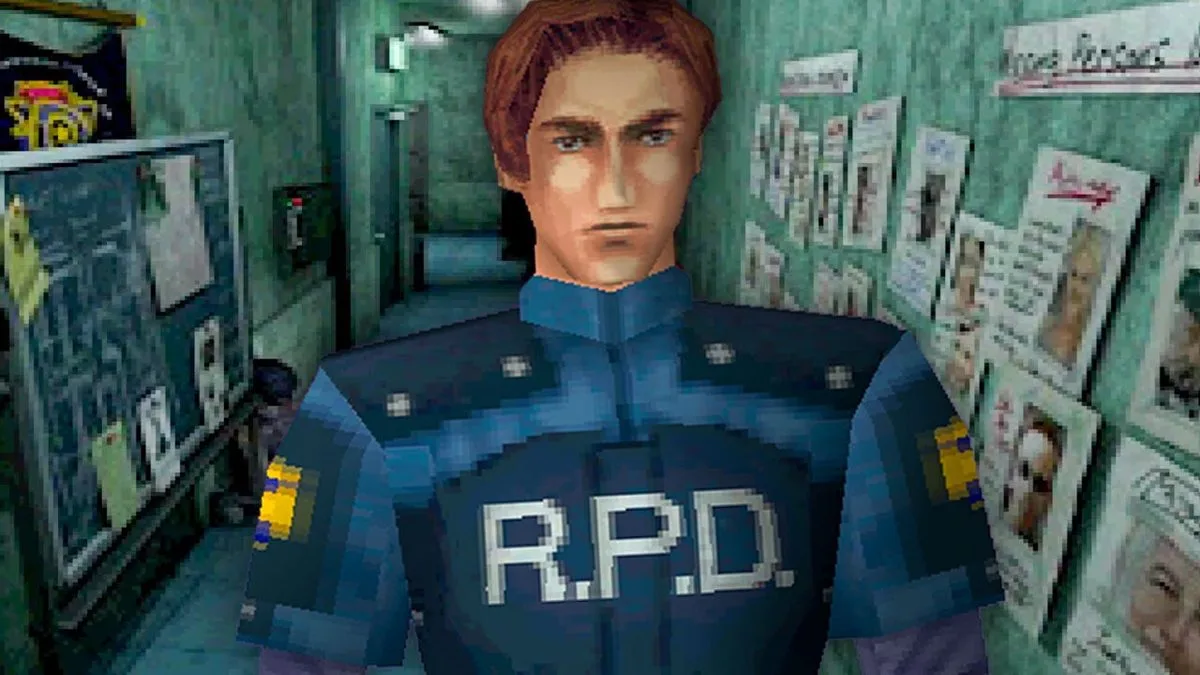
Flush with the surprise success of the original Resident Evil in 1996, Capcom moved quickly to greenlight a sequel. The task fell to a young director named Hideki Kamiya. His vision, now known among fans as Resident Evil 1.5, was a direct continuation, set just hours after the Mansion Incident. The protagonists were rookie cop Leon S. Kennedy and a new character named Elza Walker, a motorcycle-riding college student whose blonde, tomboyish aesthetic stood in stark contrast to the Claire Redfield we know today.
The setting was a radical departure. Instead of the ornate, Gothic-inspired RPD building, Kamiya’s team crafted a sleek, modern police headquarters bathed in the sterile glow of fluorescent lights. The game was reportedly 40-80% complete, with core mechanics, enemies, and scenarios built. Yet, in 1997, producer Shinji Mikami played the build and delivered a verdict that would become infamous. He canceled the project outright, declaring it “boring, samey, and bland,” criticizing its “ugly zombies and uninspired architecture.” In a single, brutal decision, nearly a year of work was scrapped. Mikami’s reasoning was not based on technical failure, but on a profound lack of soul—a sense that this sequel failed to capture the atmospheric dread that defined the series.
A Phoenix from the Ashes: Rebuilding RE2
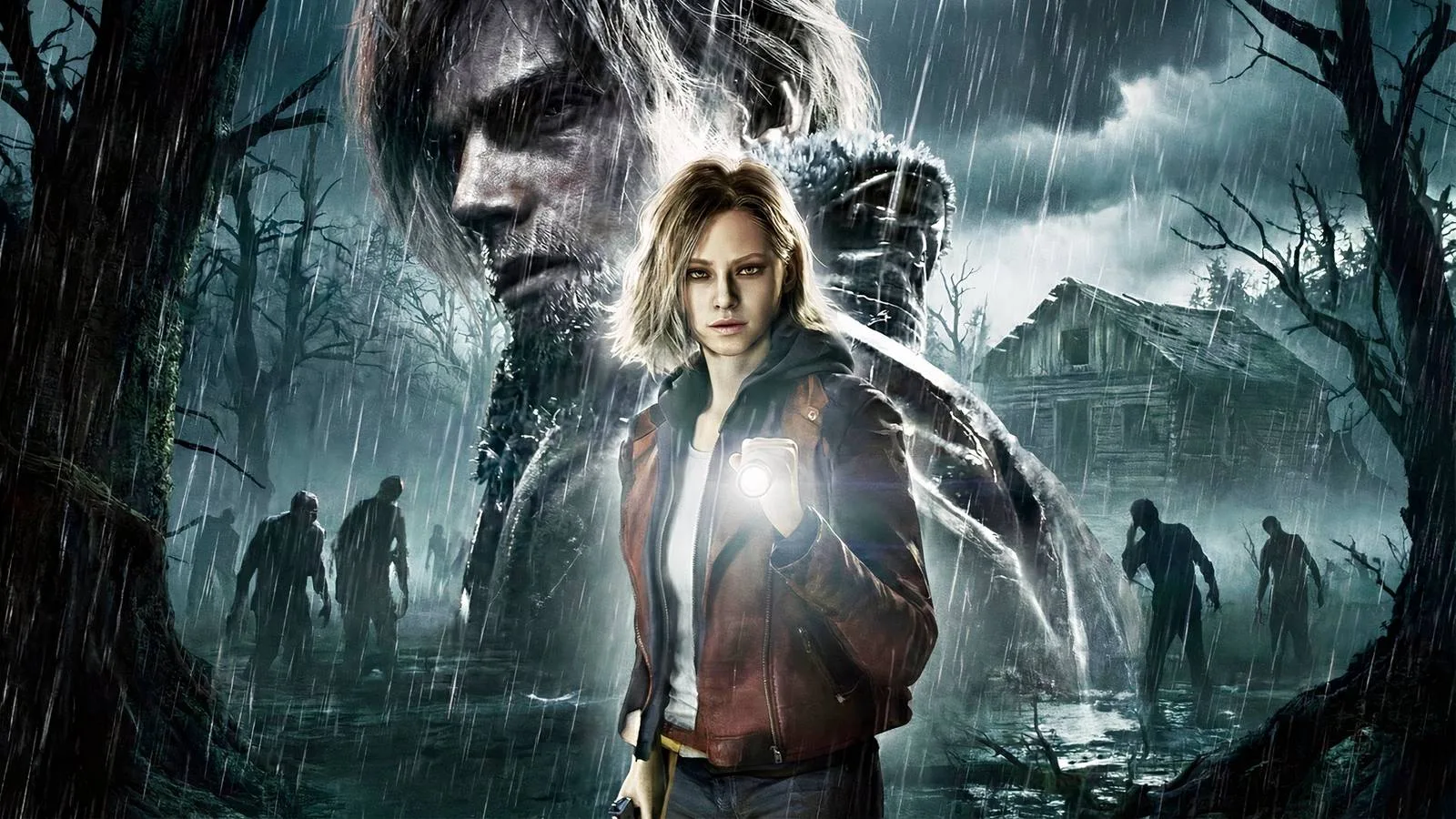
Mikami’s cancellation was not an end, but a desperate reset. Determined to salvage the sequel, he initiated a top-to-bottom overhaul. Veteran writer Noboru Sugimura was brought in to completely rework the narrative. Elza Walker was out, replaced by Claire Redfield, sister of S.T.A.R.S. member Chris. This simple change created the iconic, parallel narrative of a brother-sister search that gave the final game its emotional core.
The most transformative shift was environmental. The bland, modern police station was torn down and rebuilt as the now-legendary Raccoon City Police Department—a labyrinthine palace of decay, filled with statues, puzzles, and a haunting history. This period created an awkward limbo for marketing. As late as December 1997, magazines and trade shows were still showcasing footage and details of the canceled 1.5 prototype, leading to confusion before the final, superior vision of Resident Evil 2 was revealed to critical and commercial acclaim in 1998.
The Ghost in the Machine: Preservation and Legacy
For over a decade, Resident Evil 1.5 existed only in magazine scans and developer anecdotes—a ghost in the franchise’s machine. Then, in 2011, a remarkable discovery was made. A preservation group known as Team IGAS purchased a prototype build from the estate sale of a deceased Capcom employee for $8,000. In 2013, this build was leaked to the public, allowing fans to finally play the lost game.
Today, the prototype is a fascinating, incomplete time capsule. It is playable but not completable, a jarring experience that validates Mikami’s criticisms while showcasing intriguing alternate ideas. Its existence has fueled dedicated fan projects aimed at rebuilding and restoring it to a finished state, a testament to its enduring mystique. This developmental crossroads stands in stark contrast to other franchise pivots. While 1.5 was scrapped internally, Resident Evil 5's controversial 2009 shift toward action-coop was released to the world—a reminder that not all major creative course corrections happen behind closed doors.
Echoes of Raccoon City: The Prototype's Lasting Influence
While the 1.5 prototype was buried, its spirit—and the lesson learned from its cancellation—echoed through the franchise's future. Its DNA did not completely vanish. Elements persisted through reinterpretation; traits of Elza Walker’s resilient, everywoman character can be seen echoed in later figures, and scenario ideas may have been recycled into other projects.
More profoundly, the prototype’s legacy is one of creative philosophy. Mikami’s willingness to destroy a near-complete, mediocre sequel set a powerful precedent for Capcom: a ruthless commitment to quality that must trump sunk cost. This foundational lesson enabled the bold, top-to-bottom revisions of the acclaimed remake era and gave the studio the confidence to take significant narrative risks in modern mainline entries. The willingness to confront, reinterpret, and sometimes radically alter its own history has become a franchise hallmark, a direct lineage traceable back to the difficult choice to scrap Resident Evil 1.5.
The story of Resident Evil 1.5 is not a tragedy of what was lost, but a foundational lesson in the cost of excellence. Shinji Mikami’s difficult decision to cancel his own team’s work was an act of creative ruthlessness that saved Resident Evil 2 from potential mediocrity and helped cement the survival horror genre’s standards. The prototype’s journey from creation and destruction to preservation and study completes a compelling cycle. It offers an unparalleled window into the making of a masterpiece, reminding us that the iconic games we cherish are often not the first drafts, but the brilliant second chances born from the courage to start over.