PUBG: Blindspot Shutdown: Why Krafton's Tactical Spin-Off Failed in Under 2 Months
In the volatile world of live-service gaming, a two-month lifespan is less a lifecycle and more of a flashbulb pop—brief, startling, and gone before most even noticed it happened. This is the fate of...

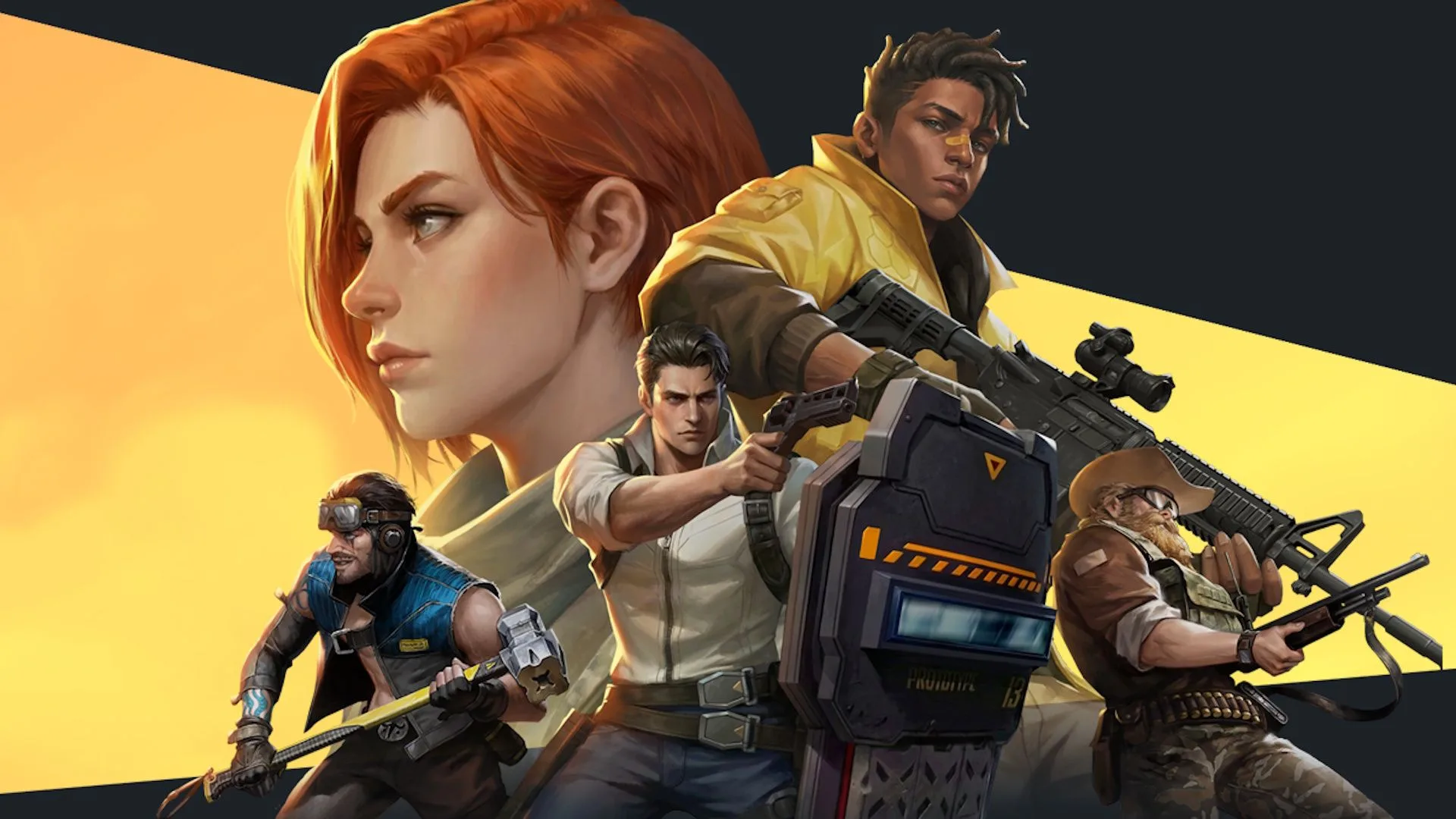
In the volatile world of live-service gaming, a two-month lifespan is less a lifecycle and more of a flashbulb pop—brief, startling, and gone before most even noticed it happened. This is the fate of PUBG: Blindspot, a game that launched with the backing of one of the industry’s most recognizable brands only to announce its permanent shutdown before it could even exit Steam Early Access. From its debut on February 5, 2025, to its scheduled termination on March 30, the experiment will have lasted a mere 54 days. This stands in stark contrast to the enduring, billion-dollar empire of its namesake, PlayerUnknown’s Battlegrounds. The rapid collapse of Blindspot forces a critical question: What causes a title attached to a blockbuster IP to fail so spectacularly and so fast, and what does this reveal about the immense challenges of expanding a gaming franchise today?
A Bold Departure That Never Found Its Footing
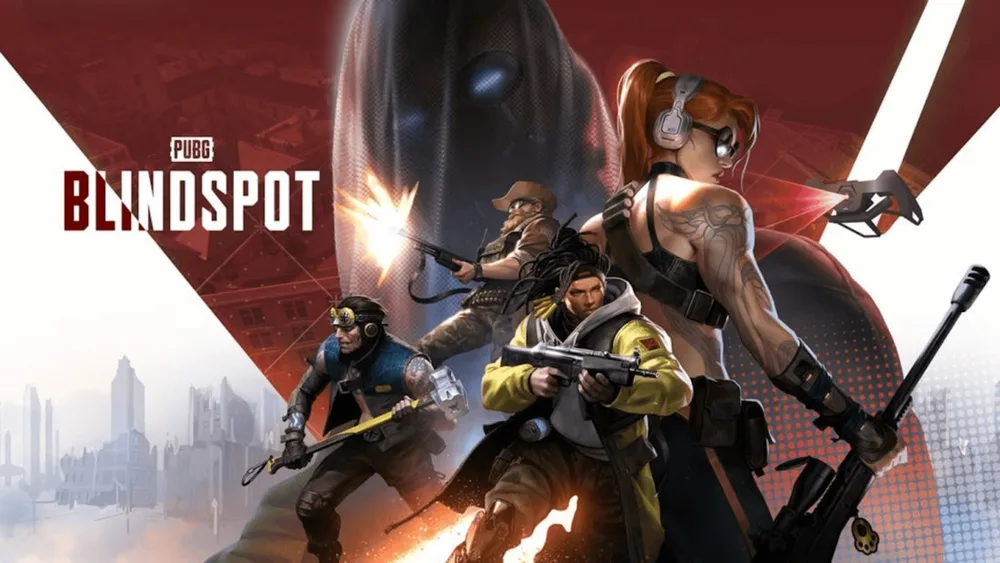
PUBG: Blindspot was never intended to be PUBG 2. Its core concept represented a radical pivot for the franchise. Eschewing the first-person/third-person battle royale chaos that made PUBG a household name, Blindspot was a meticulously paced, top-down tactical shooter. Players controlled three-agent squads, breaching and clearing tightly designed maps with an emphasis on coordinated ability use, destructible environments, and methodical planning. The immediate and inevitable comparison was to Rainbow Six: Siege, but viewed from an overhead perspective.
The project’s origins were as an independent venture. First revealed in 2024 under the codename Project ARC, it was the work of the aptly named ARC Team, a studio not owned by publishing giant Krafton. The decision by Krafton’s PUBG Corporation to attach the PUBG branding to the game for its Early Access launch in early 2025 was a significant vote of confidence—or a strategic attempt to leverage the IP’s immense audience. It was a bold bet: using the PUBG name to catapult a completely different genre into the spotlight.
The Rapid Unraveling: Player Counts and Community Feedback
The most damning evidence of Blindspot’s failure is written in cold, hard data. On Steam, the game’s launch peak reached a modest 3,251 concurrent players. For a free-to-play title with the PUBG name attached, this was an underwhelming start. The numbers then entered a death spiral. By the time the shutdown notice was posted, that figure had catastrophically plummeted to just 148 concurrent players. In a multiplayer-only experience, these numbers are a death sentence.
The community feedback loop quickly turned vicious. The primary and most immediate symptom of the low population was unbearably long matchmaking queues. Players reported waiting for tens of minutes, often failing to find a match at all. This created a self-perpetuating cycle: long queues drove players away, which made queues longer, driving even more players away. Steam user reviews, which settled at a "Mixed" rating, cited this as the chief complaint. Beyond matchmaking, players reported other critical issues, including cheating and performance problems. The collective sentiment was that the core experience—actually playing the game with others—was broken from the outset.
The Core Design Challenge
This player rejection points to a fundamental question of market fit. While a novel concept, the top-down tactical shooter niche is already contested by established titles like Rainbow Six: Siege and Ready or Not. Blindspot needed to not only execute its vision flawlessly but also immediately convince players to invest time in a new, complex system. The broken matchmaking made that impossible, but it also obscured whether the core gameplay loop had the inherent appeal and polish to retain players in a sustainable way. The PUBG branding, synonymous with battle royale, may have further muddied the waters, failing to resonate with dedicated tactical shooter enthusiasts while confusing or disappointing core PUBG fans.
The Official Story and the Business Realities
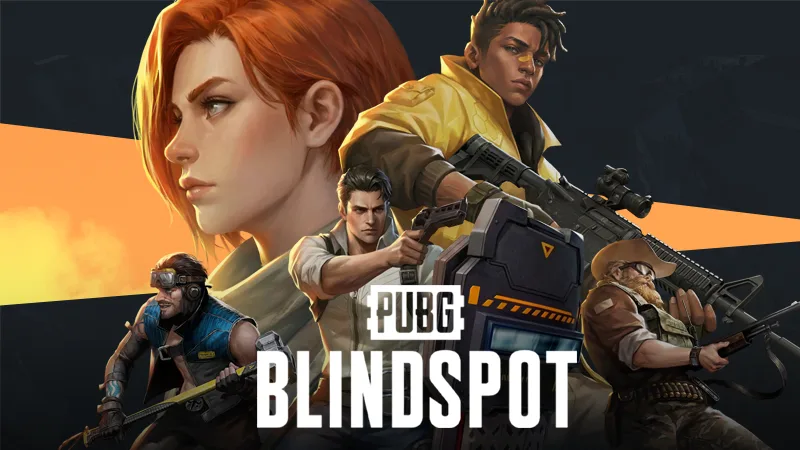
On March 18, developer ARC Team broke the news. Their official statement was candid, citing the inability to "sustainably provide the level of experience we were targeting for this Early Access period" and squarely pointing to "player experience" as the core reason for the decision. This corporate language translates to a simple truth: the player base was too small to support the game’s development, and the queue-time problem was insurmountable.
The business context at publisher Krafton adds another layer. In 2025, the company reported strong revenues exceeding $2.1 billion, a 23% year-over-year increase. However, profits had declined by 11%. In late 2024, Krafton had already implemented cost-cutting measures, including a voluntary resignation program (VRP) and a hiring freeze. For a publicly traded company in this position, the calculus on a struggling project is brutal and swift. Blindspot, as a project developed by an external partner, represented a clear line item. Faced with triple-digit player counts and no sign of recovery, Krafton's fiduciary duty was clear: cut the line item and run. ARC Team, for its part, stated it will "take some time to regroup," leaving its future uncertain.
Lessons from a Short-Lived Experiment
The closure of PUBG: Blindspot serves as a stark case study in modern game development, particularly for franchise spin-offs.
First, it highlights the significant risk of straying too far from a franchise’s core identity. While leveraging a major IP can grant initial visibility, it also brings an audience with fixed expectations. For Blindspot, the PUBG brand may have hurt as much as it helped, creating a mismatch that neither attracted tactical shooter purists nor retained battle royale fans.
Second, it underscores the non-negotiable necessity of achieving a critical player mass at launch for any multiplayer-focused title. The market is overwhelmingly crowded. A new game, especially in a competitive niche, has a vanishingly small window to capture and retain a sustainable community. Blindspot failed at this first hurdle, and the live-service model offers no lifeline for a game that cannot get players into matches.
Finally, the episode illustrates a modern "fail-fast" approach for experimental projects, especially those from external studios. The rapid pullback suggests that for Krafton, the tolerance for underperformance is low. The future of such spin-offs may depend on more rigorous market testing or alternative release models, such as limited-time modes within the main PUBG client rather than as standalone products.
The story of PUBG: Blindspot is a rapid sequence of launch, struggle, and termination. While technical issues and negative community feedback were visible symptoms, the terminal disease was its failure to attract a viable player base from day one. It stands as a sobering, cautionary tale for publishers attempting to extend blockbuster brands into new genres. Even with the powerful engine of a major intellectual property behind it, a game must ultimately prove its own merit, deliver a flawless core multiplayer experience, and capture the zeitgeist to survive. In less than two months, Blindspot proved that in today’s market, a famous name is not a shield—it’s merely a brighter spotlight, illuminating both triumph and failure with equal intensity.
Players who purchased premium content are directed to Steam’s standard refund policy.
Tags: PUBG, PUBG: Blindspot, Game Shutdown, Krafton, Live Service Games