Psychonauts Dev Double Fine Is Independent Again - And Now Owns Every Game It Made Under Xbox, Publishing Rights Included
A Rare Win for Studio Independence Double Fine officially confirmed its return to independent status in a post on its official website , thanking Xbox for "seven great years together." The studio's...

A Rare Win for Studio Independence
Double Fine officially confirmed its return to independent status in a post on its official website, thanking Xbox for "seven great years together." The studio's announcement was direct about what the separation means: it "returns ownership of our games to us."
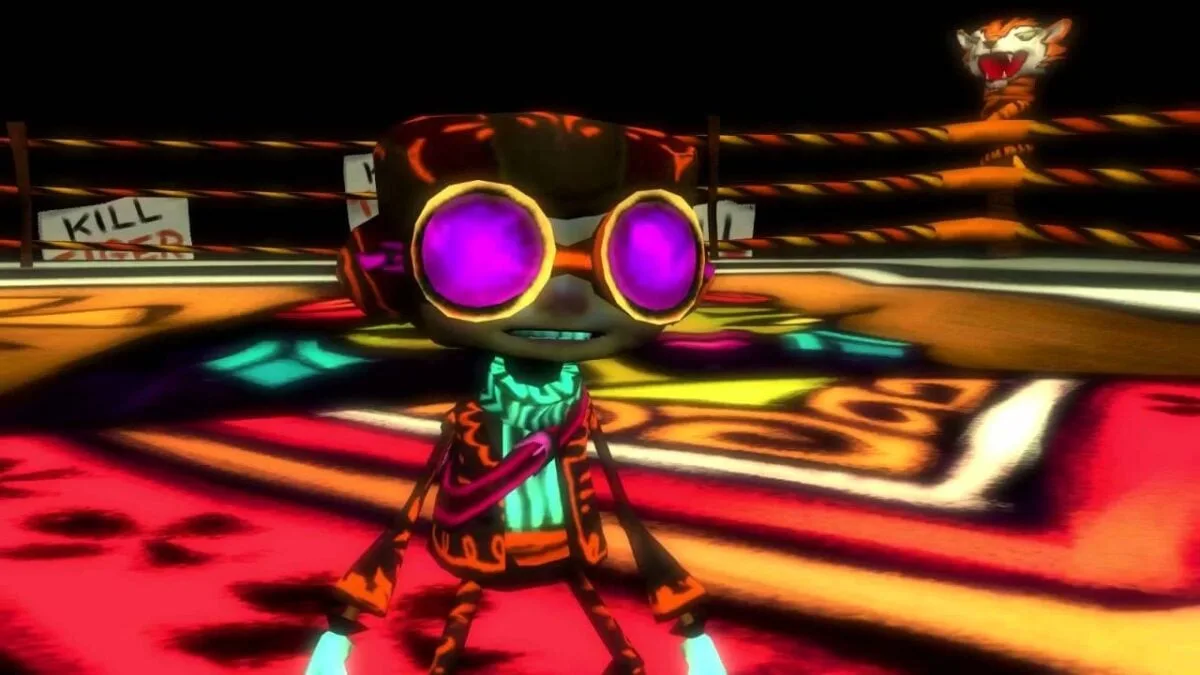
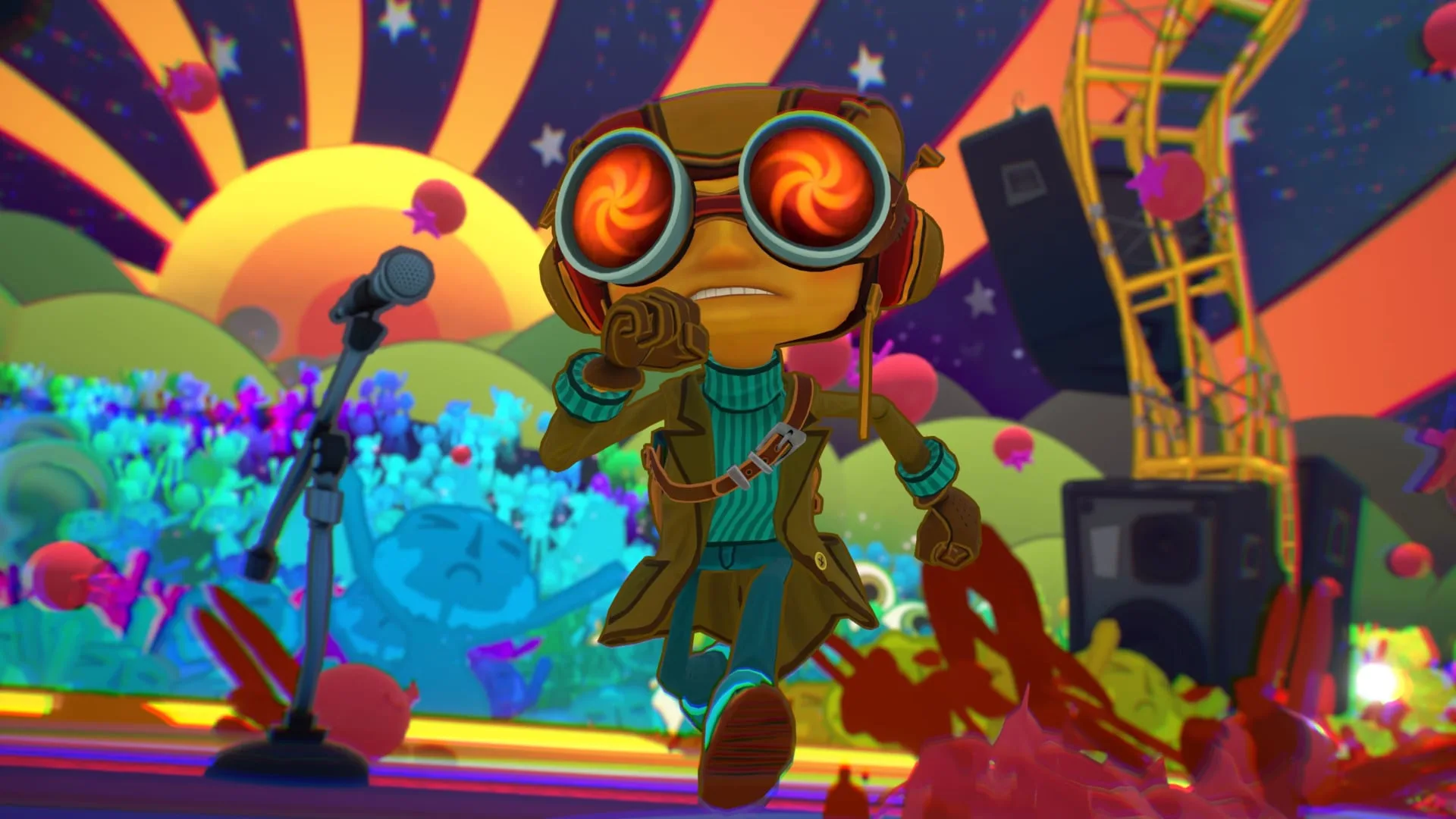
An Xbox spokesperson confirmed to TechRepublic that Double Fine has "fully returned to independent management" with its IP, catalog, and publishing rights intact. That is a broader set of rights than most spun-off studios ever see. It covers every game the studio shipped while under Xbox, including Psychonauts 2 and the recently released Kiln, as well as the full back catalog: the original Psychonauts, Brutal Legend, Costume Quest, and Keeper.
For a studio with as beloved a legacy as Double Fine, that catalog is a treasure chest. Now all of it lives in the studio's own hands again, with no platform holder in the middle.
Behind the Split: A Massive Xbox Restructuring
The unusual split did not come out of nowhere. It follows Microsoft's largest Xbox restructuring to date, a fiscal year 2027 shake-up that cut roughly 4,800 jobs companywide, including about 3,200 roles within the Xbox division, as reported by TechRepublic. As part of that massive reorganization, Microsoft spun off four studios: Double Fine, Compulsion Games, Ninja Theory, and Undead Labs. Arkane Lyon entered what Microsoft described as a "consultation" phase.
Context is important here. Microsoft acquired Double Fine in June 2019, a deal that studio head Tim Schafer famously joked involved backing up "the truck" full of money. At the time, the acquisition was seen as a natural fit; Microsoft wanted exclusive content and Double Fine wanted financial stability. But the industry has changed, and Microsoft's recent strategy has been less about hoarding studios and more about pruning costs.
What makes this spin-off stand out is not the restructuring itself, but the terms of the exit. In most cases, a studio leaving a platform holder surrenders the IP it created during its tenure. Double Fine walked away with everything, and the studio is already making plans to act like it.
The Human Cost of Independence
The independence may be a win, but it came with a real human cost. As part of the transition to operating on its own, Double Fine laid off 23 employees. Studio leadership framed the decision as a necessary step to "ensure the future of the company."
It is worth holding both truths at once. The ownership news is genuinely good for the studio and its fans. A creative studio like Double Fine thrives when it controls its own destiny, and regaining that control is a significant achievement. But the studio that emerges from this transition is smaller, leaner, and a lot more dependent on direct sales than it was a month ago. The people who lost their jobs are part of this story too, and the enthusiastic celebration of independence should not erase that.
The layoffs also make the studio's next moves more consequential. Double Fine is now an independent company competing in a market where marketing budgets are steep and discoverability is brutal. Its back catalog and its reputation will have to carry the weight.
Tim Schafer's Direct Appeal to Fans
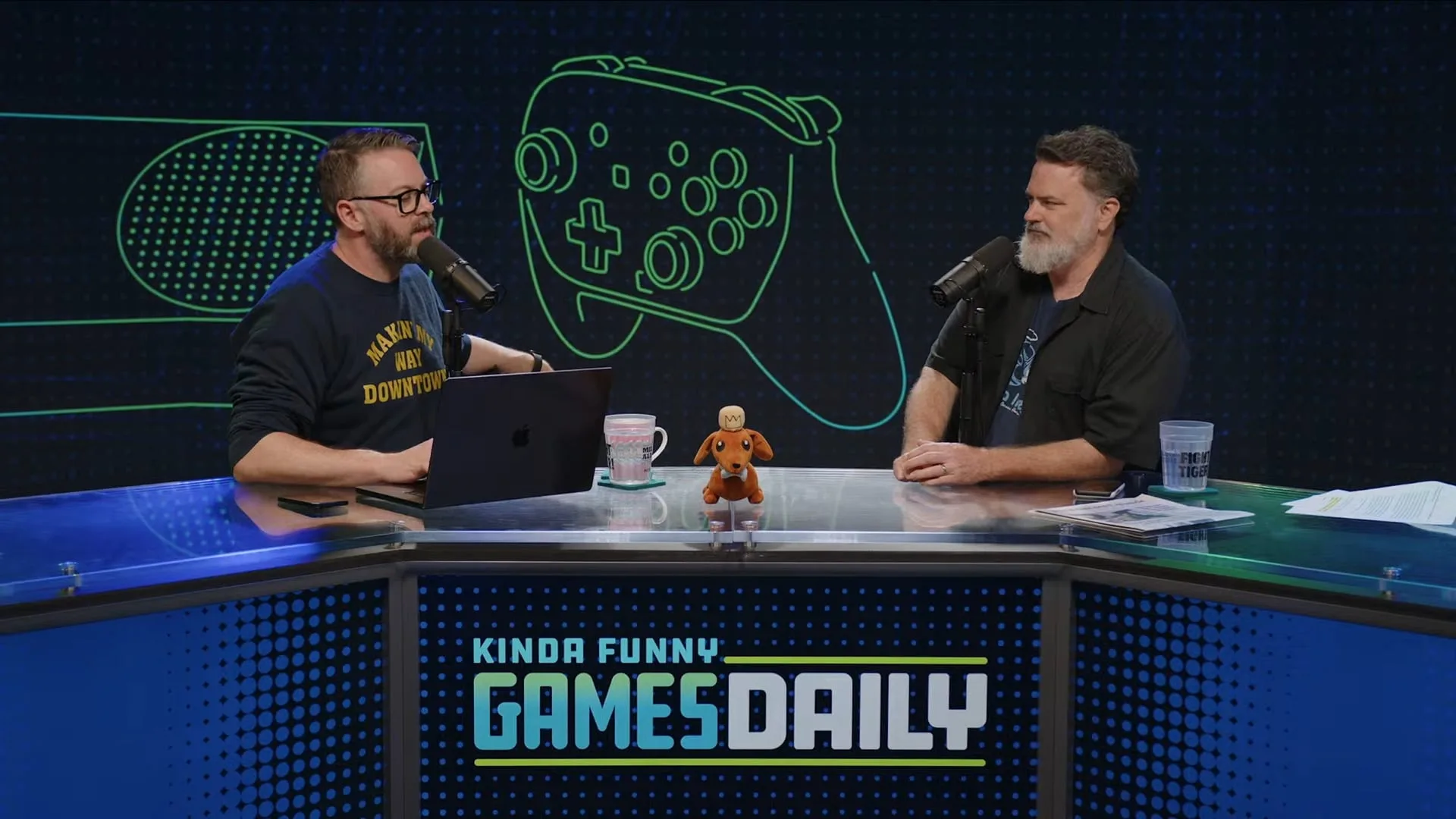
Tim Schafer has always been a figure who speaks directly to the community, and he wasted no time making the case for support. Appearing on Kinda Funny Games Daily, Schafer confirmed that the studio now owns all of its IP and the publishing rights to all of its games. His message to fans was simple and direct: "Buying any of our games helps support the studio."
That quote has extra weight in Double Fine's case, as Kotaku noted in its coverage of the announcement. This is a studio whose identity has always been tied up in fan funding. Psychonauts 2 was originally crowdfunded through Fig before the Xbox acquisition came along, and Double Fine's annual Amnesia Fortnight game jam has a long Kickstarter tradition. When Schafer asks fans to buy a game, he is not just making a corporate pitch. He is continuing a relationship that has existed since the studio's earliest days.
The appeal also carries a more pressing urgency now. Beyond the standard Steam and console storefront cuts, every purchase of a Double Fine game, whether it is a 15-year-old copy of Brutal Legend or the brand-new Kiln, goes directly to the studio's own pockets. There is no parent company taking a share on top. For fans who have ever wondered how to support a studio directly, the answer has never been clearer.
What's Next for the Free Studio
Double Fine is not just celebrating its new status; it is already putting it to work. The studio's immediate roadmap includes an Amnesia Fortnight Kickstarter, a PAX West appearance with the tagline "...and we're BACK," and a post-launch roadmap for Kiln that extends into Spring 2026.
The Amnesia Fortnight tradition is particularly fitting for this moment. The event, which has run for years, sees Double Fine developers prototyping a pile of weird, creative ideas over a two-week sprint, with the public voting on which ones get funded and developed. It is a model that only works for an independent studio, and it is a sign that Double Fine intends to lean into its roots.
With the full catalog back in the studio's hands, there is also room for new commercial life: re-releases, bundles, special editions, or simply a stronger digital storefront presence. All of that becomes possible without needing permission from a parent company. The unanswered question is how far the studio's next creative bets can carry it without the marketing muscle of Xbox behind them, but if the last seven years proved anything, Double Fine's audience is still waiting to see what it does with its freedom.
A New Chapter, Funded by the Fans Who Made It Possible
Double Fine is independent, smaller, and in control of its own legacy. That is a combination that does not appear often in this industry. For a studio that has spent the better part of two decades making beloved, creative adventures, it is also a chance to define what comes next on its own terms.
If you have ever laughed through a Psychonauts sequence, cranked up a Brutal Legend guitar solo, or marveled at the sheer weirdness of a Double Fine game jam, the best way to welcome the studio back to independence is simple. Buy one of its games. The whole library is back where it belongs, and every single purchase helps keep the studio going.