Project Helix: Inside the Rumors of Microsoft's $1,200 Next-Gen Xbox Hybrid Console
The console gaming market has long operated within a predictable price band, with premium machines launching at around $500. The mere rumor of a $1,000+ console, therefore, sends seismic tremors...

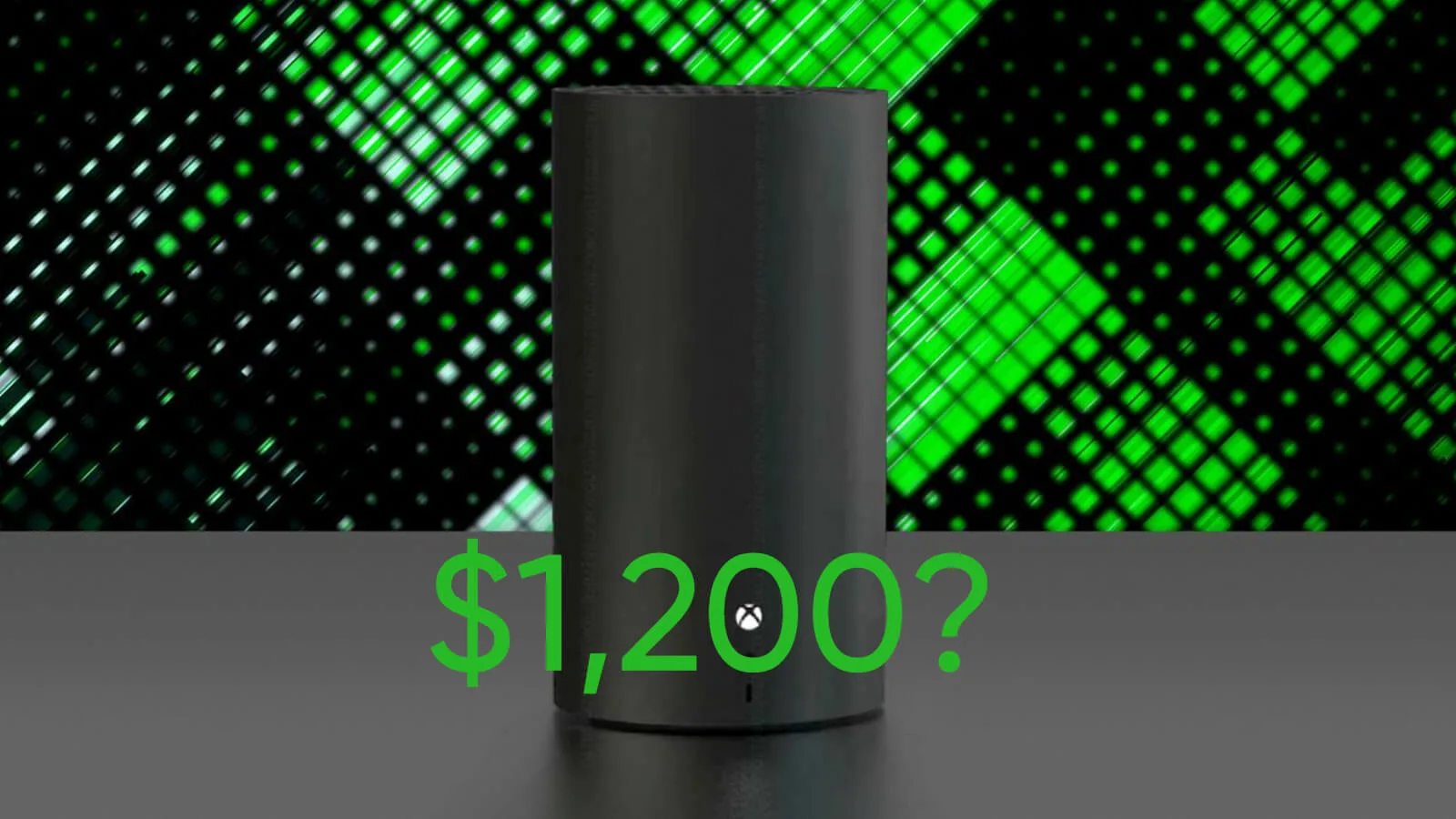
The console gaming market has long operated within a predictable price band, with premium machines launching at around $500. The mere rumor of a $1,000+ console, therefore, sends seismic tremors through the entire industry. Enter Project Helix, Microsoft's confirmed and ambitious next-generation project, designed from the ground up to merge the worlds of Xbox and PC gaming into a single, unified platform. The vision is grand, but a recent wave of credible leaks has framed a stark, central question around it: Is this a visionary leap into the future of gaming, or a monumental market gamble? The reported price tag of $999 to $1,200—more than double the launch cost of an Xbox Series X—forces us to dissect the technology supposedly justifying it and the high-stakes corporate strategy behind Microsoft's boldest play yet.
Decoding Project Helix: More Than Just a Console
At its core, Project Helix is Microsoft's strategic answer to a fragmented ecosystem. Officially confirmed as a hybrid platform, its primary design goal is to natively run both optimized Xbox games and the vast library of Windows PC titles. This isn't merely about backward compatibility; it's about creating a seamless environment where the line between console and PC dissolves.
The strategic ambition is clear: to lock players into a unified Microsoft gaming universe. Your game library, achievements, and friends list would theoretically move fluidly between a traditional console experience and a more open PC-like environment on the same device. However, this ambitious vision immediately collides with an unprecedented consumer price point. The tension between Helix's potential to redefine gaming platforms and the reported cost of entry forms the critical narrative of its pre-launch story.

The Reported Specs: Power Justifying the Price?
According to detailed leaks from hardware analyst Moore's Law Is Dead, the heart of Project Helix is a next-generation AMD Accelerated Processing Unit (APU) combining Zen 6 CPU cores with RDNA 5 graphics architecture. The performance claims associated with this silicon are, frankly, staggering when compared to the current Xbox Series X.
The leaks suggest a sixfold increase in rasterization performance and an almost unbelievable up to twenty times the ray tracing performance. The performance target is said to be 4K resolution at 120 frames per second or higher, a benchmark that represents the holy grail for high-end PC gamers today. Furthermore, the same source claims this hardware could be 30-40% faster than the anticipated specifications for Sony's next PlayStation, positioning Helix as a potential raw performance leader.
It is crucial to emphasize that all these specifications remain unconfirmed by Microsoft. They paint a picture of a device less like a traditional console and more like a bespoke, living-room-optimized gaming PC. If even half these claims prove true, the performance leap would be generational in the truest sense.
The $900 Chip & The $1,200 Question
The most shocking figure in the reports isn't a teraflop count—it's the price. Leaks point to an estimated retail price between $999 and $1,200, with some analysis suggesting it could reach as high as $1,500 depending on configuration and market factors. This instantly establishes Project Helix as Microsoft's first foray into the four-figure console market, testing the absolute ceiling of what the mainstream gaming audience is willing to pay.
A reported breakdown of the costs reveals why. The estimated Bill of Materials (BOM)—the cost of all physical components—is said to be around $900. Within that, the custom AMD APU alone is estimated to cost a staggering $550. This paints a picture of Microsoft potentially selling hardware at a minimal margin, or even at a loss, to get this premium platform into the market. The pricing strategy invites immediate comparison to building an equivalent gaming PC or purchasing a high-end laptop, challenging the traditional console value proposition of subsidized hardware paid for by software sales.
Microsoft's High-Stakes Gamble and Path to Success
The scale of this project suggests it is more than just another console iteration. This is a high-stakes gamble. The stakes are not merely about one console's sales figures; they represent a fundamental test of whether a super-premium "halo" device can successfully redefine the top end of the console market and drive deeper ecosystem loyalty, or if it risks alienating the core audience that has fueled Xbox's growth.
For Project Helix to succeed at such a premium price point, analysts universally point to three critical success factors beyond raw hardware. First, a must-have library of first-party exclusive games is non-negotiable. Titles that fully leverage the hybrid architecture and demonstrate transformative experiences unavailable elsewhere will be the primary driver for adoption. Second, deep and compelling Xbox Game Pass integration will be vital. Positioning Helix as the ultimate Game Pass machine, perhaps with exclusive tiers or benefits, could amortize the high upfront cost over time. Finally, the execution of the PC-console hybrid vision must be flawless. A clunky, compromised user experience that fails to seamlessly blend both libraries would undermine the entire premise.
The market challenge is immense. Microsoft must convince a value-conscious audience to pay a premium in a landscape where competitors will likely offer powerful, traditional consoles at half the price. It must redefine what a console is worth.
Conclusion
Project Helix represents the boldest and riskiest strategy Microsoft has undertaken in the gaming space. The vision of a unified ecosystem is compelling, and the rumored power would set a new benchmark. Yet, the unprecedented price tag creates a formidable barrier that cannot be ignored. The ultimate verdict will not be rendered on leaked specs alone. It will depend on Microsoft's official reveal, the final price, and—most importantly—the quality of the exclusive games and seamless services delivered to justify this premium ambition. When the reveal comes, Microsoft won't just be selling a console—it will be asking players to buy into a new and radically more expensive definition of what the platform can be.
The Bottom Line: Project Helix's rumored specs promise a generational leap, but its reported price demands a generational shift in how gamers value a console.
Tags: Xbox Project Helix, Microsoft Gaming, Next-Gen Console, Gaming Hardware, Xbox Rumors