Project Helix: How Microsoft's PC-Console Hybrid Could Redefine Gaming (And Challenge Xbox)
Imagine a single device under your TV that boots the latest blockbuster from the Xbox Game Studios library, then, with a few controller clicks, switches over to your Steam account to run a...


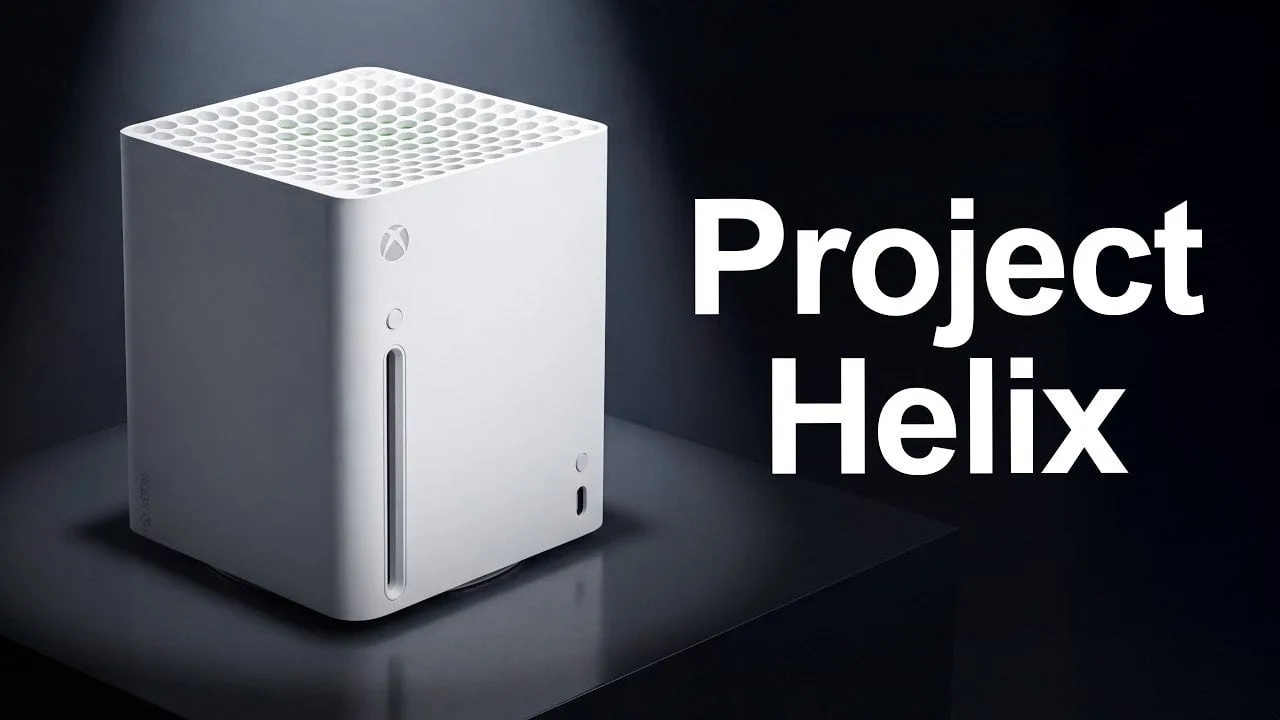
Imagine a single device under your TV that boots the latest blockbuster from the Xbox Game Studios library, then, with a few controller clicks, switches over to your Steam account to run a cutting-edge PC exclusive at max settings. This isn't a gamer's daydream or a far-fetched mod; it's the foundational promise of Microsoft's Project Helix. Officially unveiled at the Game Developer Conference (GDC) 2026, this next-generation console aims to demolish the longstanding wall between PC and console ecosystems. This ambitious vision for a unified gaming future, however, carries a complex and potentially disruptive trade-off. Project Helix could materialize as the ultimate machine for the dedicated enthusiast, but its premium strategy and hybrid nature might fundamentally alter—and potentially weaken—the traditional Xbox console brand built over two decades.
The Helix Vision: A Console That Eats PCs for Breakfast
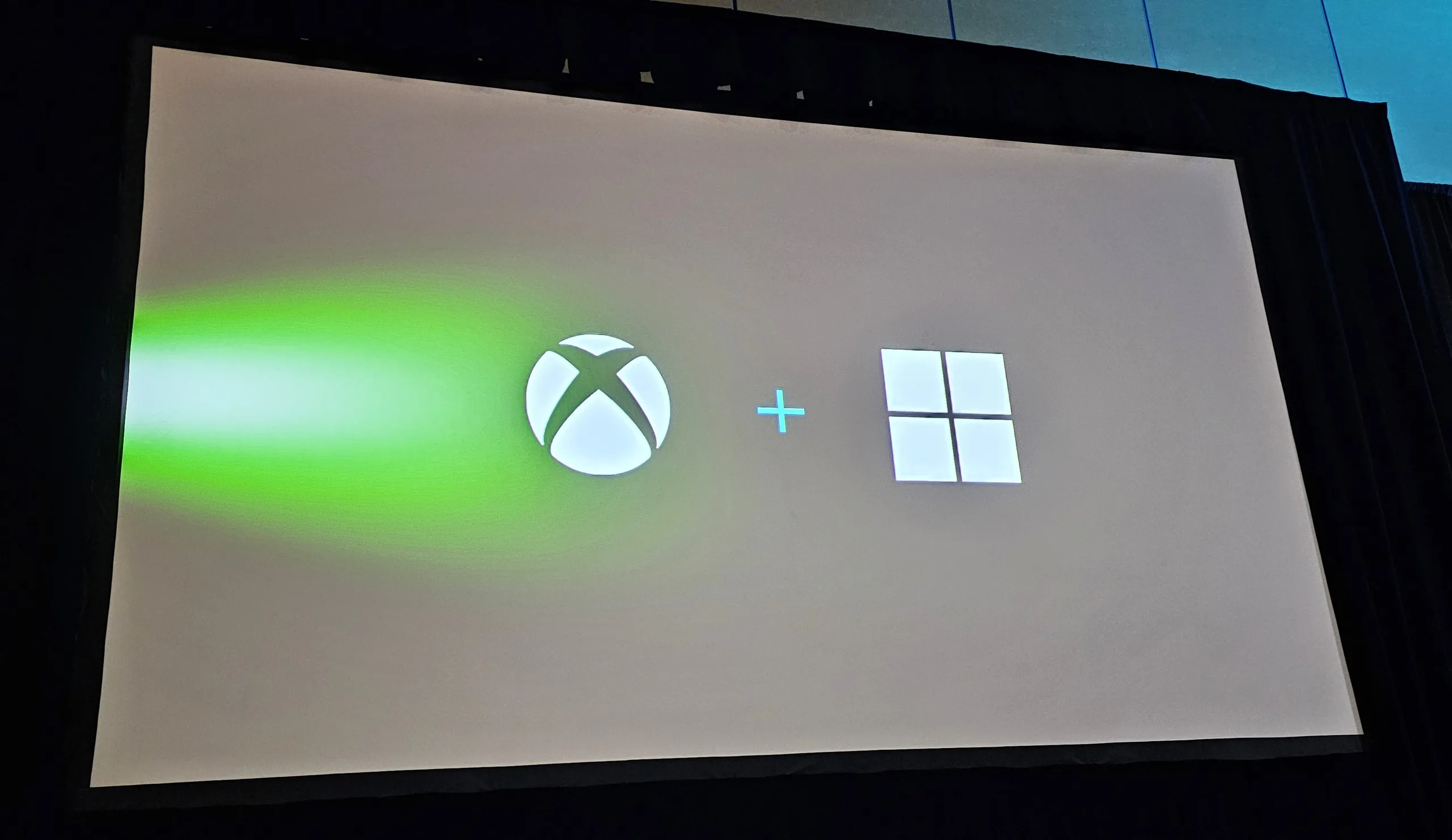
At its core, Project Helix is not merely a more powerful Xbox. Microsoft executives, including Asha Sharma, Executive Vice President/CEO of Xbox Gaming, and Jason Ronald, Vice President of Next Generation, have positioned it as a native bridge between two worlds. The device is engineered to run both Xbox console games and PC games natively, effectively merging the curated, plug-and-play console experience with the open, storefront-agnostic freedom of a gaming PC.
This strategy is the logical, albeit radical, culmination of recent Xbox philosophy. The initiatives of "no true exclusives" for first-party titles, the Xbox Play Anywhere program, and the expansion of Game Pass to multiple platforms have all eroded the walls of the traditional console garden. Project Helix is the physical hardware manifestation of that philosophy. Microsoft is explicitly targeting it as a competitor to prebuilt gaming PCs from companies like Alienware and Corsair, rather than solely focusing on a direct battle with Sony's or Nintendo's next consoles. In doing so, Microsoft is attempting to create a new category of living room device, challenging the very definition of what a "console" market can be.
Raw Power: The Specs That Justify the Hype
The vision is compelling, but it requires formidable hardware to execute. According to the GDC reveal, Project Helix will be powered by a custom AMD System on a Chip (SoC), co-designed in tandem with the next generation of Microsoft's DirectX API. The GPU is expected to leverage AMD's future RDNA 5 architecture, promising a significant architectural leap.
The performance targets are where the hype truly ignites. Microsoft is touting an "order of magnitude" improvement in ray tracing performance and support for next-generation neural-assisted rendering. Announced software and feature enhancements include AMD FSR Diamond (codenamed "FSR Next") for advanced AI upscaling, a new "ray regeneration" technique for efficient path tracing, and GPU work graph execution to alleviate CPU bottlenecks. It will also fully utilize Microsoft's DirectStorage technology. Together, these technologies aim to deliver the visual fidelity and performance that justify the device's premium positioning, making high-fidelity ray tracing and high frame rates more accessible from the couch. Crucially for legacy support, it promises backward compatibility for four generations of Xbox games.
While Microsoft has not confirmed specific performance metrics, rumors from industry leakers like Moore's Law is Dead suggest staggering generational jumps: up to five times the rasterization performance and a monumental up to 20 times improved ray tracing versus the current Xbox Series X. If even partially realized, these specs would justify positioning Helix in a premium performance tier.
The Gamer's Paradise: Why Helix Could Be a Dream Machine
For a specific segment of the gaming community, Project Helix sounds like the holy grail. The primary benefit is ultimate library access. The anxiety of choosing a platform for a multi-platform game would vanish; you would simply buy the best or cheapest version, knowing it will run on your single living room device. This extends to accessing entire storefronts like Steam, the Epic Games Store, and the Microsoft Store on a TV-optimized system.
For performance enthusiasts, the rumored specs suggest a machine that could comfortably target 4K and high refresh rates for years, with revolutionary ray tracing capabilities. The value proposition, while high in absolute cost, could be attractive for gamers who currently maintain both a high-end PC and a console. Project Helix offers the promise of consolidating that setup into one premium, versatile, and powerfully simple all-in-one device. It is, in theory, a dream machine designed to end compromises.
The Xbox Conundrum: How Helix Could Fracture the Brand
This ambitious dream, however, introduces profound risks for the Xbox brand's mainstream console business. The most immediate shock is the price. Leaked predictions place Project Helix between $900 and $1,500, a far cry from the $499 launch price of the Xbox Series X. Microsoft has reportedly decided against the traditional console "loss leader" model, opting not to sell the hardware at a significant loss to build an install base.
This premium strategy risks alienating the core console market that expects accessible, subsidized hardware. The potential result is a sharply divided Xbox ecosystem: a small, elite group of Helix owners and a much larger, cost-conscious base on the existing Series X|S and any future, more traditional, lower-cost console. This could shrink the addressable market for developers targeting pure "Xbox" consoles, making the platform less attractive for third-party support.
It also prompts an existential brand question: What is an "Xbox" if the flagship device is a PC hybrid? Does Project Helix render a dedicated, cheaper, game-focused console seem obsolete or secondary? The brand identity, built on consistent, affordable hardware cycles, could face a confusing and fractured future.
Roadblocks and Reality: The Path to Launch
The journey from announcement to retail shelves is long and fraught with challenges. The current timeline suggests alpha development kits will reach partners in 2027, with a target consumer launch in late 2027 or 2028. However, significant hurdles remain.
A persistent global DRAM shortage crisis, ongoing since late 2025, could impact component availability and cost, potentially delaying launch or inflating the final price beyond current estimates. It is critical to stress that the most eye-catching performance figures and price points remain in the realm of informed rumor. The final product that ships may differ in both its capabilities and its cost.
Project Helix represents a breathtaking technical vision and a bold bet on the future of gaming platforms. It offers a compelling, unified future for gaming enthusiasts tired of platform boundaries. Yet, it simultaneously poses an existential strategic gamble for the Xbox console business as we know it. Microsoft is attempting to forge a new market category at the high end, but in doing so, it risks leaving its traditional, mass-market console audience behind. The success or failure of Project Helix won't just measure the sales of a new device; it will test whether the very concept of a 'console' can evolve—and if Microsoft's brand can successfully straddle two very different worlds.
Tags: Project Helix, Xbox Next-Gen, Gaming Hardware, PC Gaming, Microsoft Strategy