Project Ekur Canceled: Halo’s Multiplayer Future in Limbo as Halo Studios Pivots to Campaign Evolved
Halo multiplayer just lost its next big hope. Days before the launch of Halo: Campaign Evolved , Halo Studios has reportedly pulled the plug on Project Ekur, its next ambitious multiplayer project....

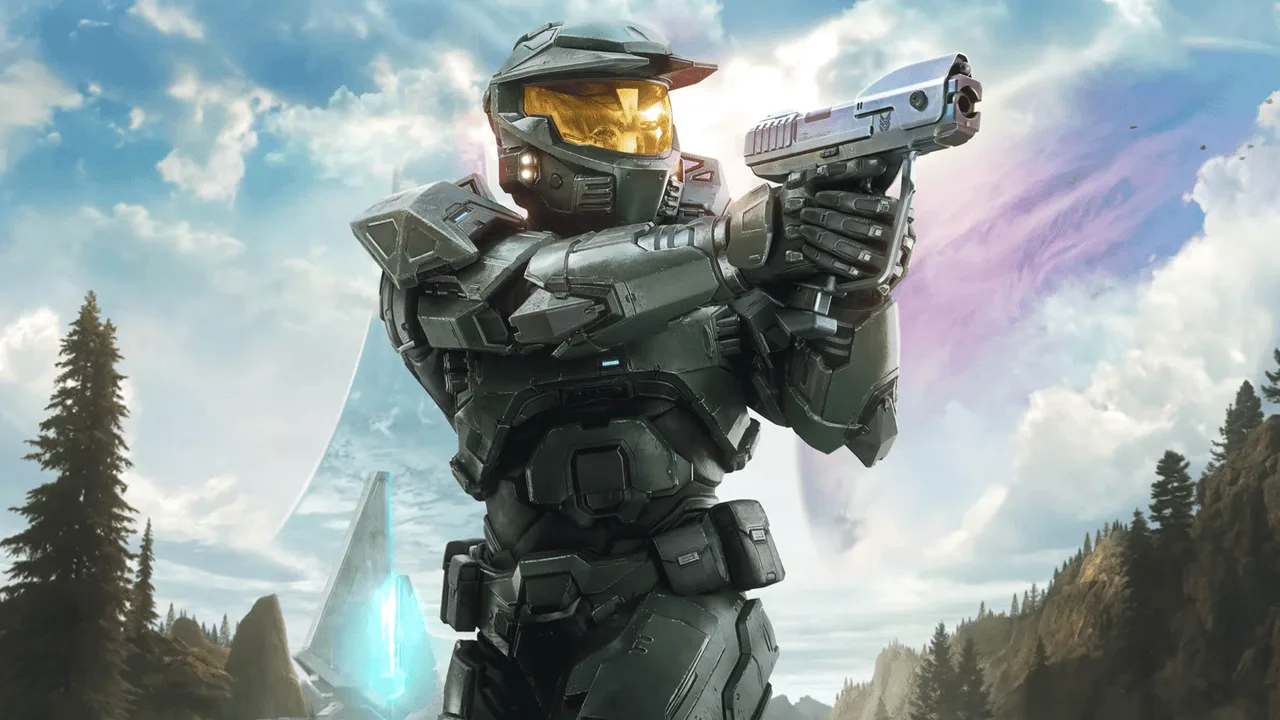
Halo multiplayer just lost its next big hope. Days before the launch of Halo: Campaign Evolved, Halo Studios has reportedly pulled the plug on Project Ekur, its next ambitious multiplayer project. Leaked by a prominent Halo content creator and independently verified by an industry insider, the cancellation leaves the franchise without a clear competitive multiplayer offering for the first time in years. With leadership turmoil, internal restructuring, and a shift toward single-player experiences, the question on every fan's mind is blunt: what happens to Halo's iconic multiplayer?
The Unraveling of Project Ekur, How the Cancellation Came to Light
On July 3, 2026, Halo YouTuber Rebs Gaming broke the story, citing unnamed employees within Halo Studios. The report claimed that Project Ekur, a standalone multiplayer game in development for nearly three years, had been scrapped. Ten days later, Jez Corden, a well-connected journalist covering Xbox, independently confirmed the report as "100 percent true."
Widespread coverage followed on July 14, yet Microsoft and Halo Studios have remained silent. As of this writing, no official statement has been issued, a conspicuous absence that has only fueled speculation. The cancellation represents a significant pivot for a studio already under intense scrutiny.
What Was Project Ekur? A Standalone Multiplayer Vision with Playable Elites
Project Ekur was no small side project. Described internally as a large-scale PvP shooter, it aimed to deliver highly customizable Spartans and, for the first time since Halo: Reach, playable Covenant Elites. For a community that has long clamored for the return of asymmetrical multiplayer, Ekur seemed tailor-made to scratch that itch.
But Ekur's development was plagued by indecision, it evolved from "Project Tatanka," a canceled Halo battle royale that had been in development at Certain Affinity, shuffled between design directions, and never settled on an identity. The constant pivoting eroded confidence internally.
Ultimately, all staff from Project Ekur were reassigned to Halo: Campaign Evolved, the single-player experience launching July 28 on Xbox, PS5, and PC. That reassignment signals a decisive shift: Halo Studios is betting its future on narrative-driven content, not live-service multiplayer.
Behind the Cancellation, Leadership Turmoil and Xbox’s Strategic Pivot
The cancellation did not occur in a vacuum. Days before the news broke, reports surfaced that studio head Pierre Hintze was at the center of a leadership controversy within Halo Studios. While the specifics remain unclear, the timing suggests that internal friction may have contributed to the decision to kill Ekur.
Broader Xbox restructuring has also played a role. Microsoft has been tightening budgets across its gaming division, canceling projects and laying off staff at multiple studios. In this climate, a large-scale multiplayer game with uncertain commercial prospects was likely an easy target.
The reassignment of Ekur's developers to Campaign Evolved, a project that is already complete and awaiting release, indicates that the studio is now fully focused on delivering a polished single-player experience. That move, combined with the multiplatform launch (Halo's first on PlayStation), hints at a broader corporate strategy: treat Halo as a premium narrative franchise rather than a live-service pillar.
Halo Multiplayer’s Uncertain Future, No Announcements and a Vacuum of Identity
Halo Infinite's multiplayer continues to operate, but dedicated support has effectively ended. With Project Ekur gone, Halo now has no announced competitive multiplayer title on the horizon. A Halo Championship Series (HCS) update is still expected later this year, but it is unclear what game, if any, will serve as its foundation.
The multi-platform release of Campaign Evolved may offer a clue. If Microsoft is willing to bring Halo's campaign to PlayStation, could a future multiplayer title follow the same path? Or will the franchise retreat from the competitive space entirely, leaving the battlefield to Call of Duty, Valorant, and other giants?
For now, the franchise lacks a clear competitive identity. Fans who grew up on LAN parties, Big Team Battle, and ranked playlists face an uncertain future. The vacuum is palpable.

Microsoft’s Silence and the Trust Gap with the Community
Perhaps the most troubling aspect of this story is the silence from both Microsoft and Halo Studios. In an era when transparency is expected, especially from a beloved IP, the lack of official communication erodes trust.
Community reaction has been a mix of disappointment and grim speculation. As one user on the Halo subreddit put it, "The silence is deafening. We've been burned before, and this feels like another nail in the coffin for competitive Halo." Some outlets have treated the cancellation as definitive; others hedge by noting the absence of publisher confirmation. But for the players who invested years into Halo Infinite's multiplayer, the message is clear: the competitive Halo they once knew may not be coming back.
Halo Studios' refusal to comment, even to deny or clarify, suggests either a chaotic internal situation or a deliberate strategy to let the news fade before Campaign Evolved's launch. Either way, the silence speaks volumes.
Crossroads for a Legendary Franchise
The cancellation of Project Ekur leaves Halo at a critical juncture. Halo: Campaign Evolved is poised for a multiplatform launch that could expand the audience, but the competitive multiplayer scene that defined the franchise for two decades now has no obvious successor. With Halo Studios in turmoil and no official word from Microsoft, players are left to read between the lines.
The next few months, including the promised HCS update, will determine whether Halo can rebuild its multiplayer legacy or whether it will become a purely narrative-driven series. One thing is certain: the path forward is no longer paved with blue armor and battle rifles. It is uncharted territory, and the stakes have never been higher. Whether the upcoming HCS update reveals a new competitive title, or quietly signals the end of ranked Halo, will be the franchise's most important moment since the launch of Infinite.
What to Watch For
- HCS Update, Expected later this year; will it announce a new multiplayer foundation or sunset competitive play?
- Campaign Evolved Sales, Multiplatform performance will signal Microsoft’s confidence in single-player Halo.
- Microsoft's Next Quarterly Call, Investor statements may shed light on the broader strategy for the IP.