Prime Video Ultra Explained: Why 4K Streaming Now Costs Extra and What You Get
Starting April 10, 2026, watching Fallout in 4K on Amazon Prime Video will cost you extra. This isn't a minor adjustment; it's a fundamental change to Amazon's streaming model. The company has...


Starting April 10, 2026, watching Fallout in 4K on Amazon Prime Video will cost you extra. This isn't a minor adjustment; it's a fundamental change to Amazon's streaming model. The company has announced it is stripping 4K/UHD streaming from its standard Prime and Prime Video tiers, locking it behind a new, more expensive paywall called Prime Video Ultra. This move signals a stark pivot in the ongoing streaming wars, marking the end of an era where high-end video quality was bundled with mid-tier subscriptions. It reflects a broader industry shift towards extracting more revenue from existing customers, forcing viewers to re-evaluate what their monthly entertainment budget truly buys. Let's break down what's changing, why it's happening, and what it means for your next binge-watch.
The Breakdown: What's Changing with Prime Video in 2026
The new structure takes effect on April 10, 2026, initially for U.S. customers. The core change is the introduction of a rebranded premium tier: Prime Video Ultra, priced at $4.99 per month. This replaces the previous $2.99 per month ad-free add-on, representing a direct 67% price increase for those who wanted to skip commercials.
The most significant loss for the majority of subscribers is the removal of 4K/UHD streaming from the standard Prime and standalone Prime Video tiers. Previously, this high-resolution format was an included benefit. Now, it becomes the headline feature exclusive to the new Ultra tier.
The financial implication is immediate. A standard Amazon Prime member, paying $14.99 per month or $139.00 annually for benefits like free shipping and music, will no longer have access to 4K video. To restore it, they must add the $4.99 Ultra fee, raising their total monthly entertainment-and-shipping cost to nearly $20. For subscribers who only pay for the standalone Prime Video service at $8.99 per month, the jump to a full 4K experience now requires more than doubling their subscription cost.

Prime Video Ultra: Is the New Tier Worth the Price?
So, what exactly does the extra $4.99 buy? Amazon is packaging several upgrades into Prime Video Ultra to soften the blow of the price hike:
- 4K/UHD with Dolby Vision: The main event. This ensures access to 4K/UHD content, now explicitly bundled with support for Dolby Vision, a dynamic HDR format that enhances picture quality.
- Dolby Atmos: Spatial audio remains exclusive to this tier.
- Increased Concurrent Streams: The limit rises from 3 to 5 streams, a boon for larger households.
- Expanded Downloads: Offline viewing capacity quadruples from 25 to 100 titles.
The value proposition hinges entirely on the viewer. For a family of five with multiple 4K TVs and a penchant for downloading content for travel, the extra streams and download slots combined with 4K could justify the cost. For the audiovisual enthusiast with a Dolby Atmos home theater setup, access to high-quality audio might be non-negotiable.
However, for the average solo viewer or couple watching on a single screen, the jump from $2.99 (for ad-free) to $4.99 feels steep for what is essentially a resolution unlock they previously enjoyed. Amazon has provided a small grace period; viewers have until approximately April 10, 2026, to watch existing 4K content, like the second season of Fallout, in UHD before the new fee applies.
The Bigger Picture: Streaming's Relentless March Toward Tiered Pricing
Amazon's move is not an anomaly; it's a symptom of an industry-wide correction. After a decade of aggressive growth and content investment, streamers are now focused on profitability and increasing Average Revenue Per User (ARPU). Segmenting premium features like 4K, advanced audio, and extra streams into higher-priced tiers is the primary tactic.
Look at the landscape: Disney+ offers tiers at $10.99 (with ads) and $18.99 (ad-free with 4K). Max (formerly HBO Max) is priced at $10.99 and $18.49 for its premium plan. Amazon's standalone Prime Video at $8.99 was an outlier, but the new Ultra add-on brings a bundled Prime member's cost closer to these competitors' premium levels.
This trend extends beyond video. ESPN recently restructured its direct offerings into ESPN Unlimited ($299.99/year) and the more limited ESPN Select ($119.99/year), applying the same tiered philosophy to live sports. As Statista projects over 182.26 million streaming service users in the U.S. by 2025, the market is saturated. The new battle is for a larger share of each user's wallet, not just their subscription.
Navigating the New Normal: Options for Subscribers
Faced with this change, standard Amazon Prime members have clear, if frustrating, choices come April 2026:
- Pay the Premium: Swallow the extra $4.99 per month for Prime Video Ultra to maintain 4K/HDR access.
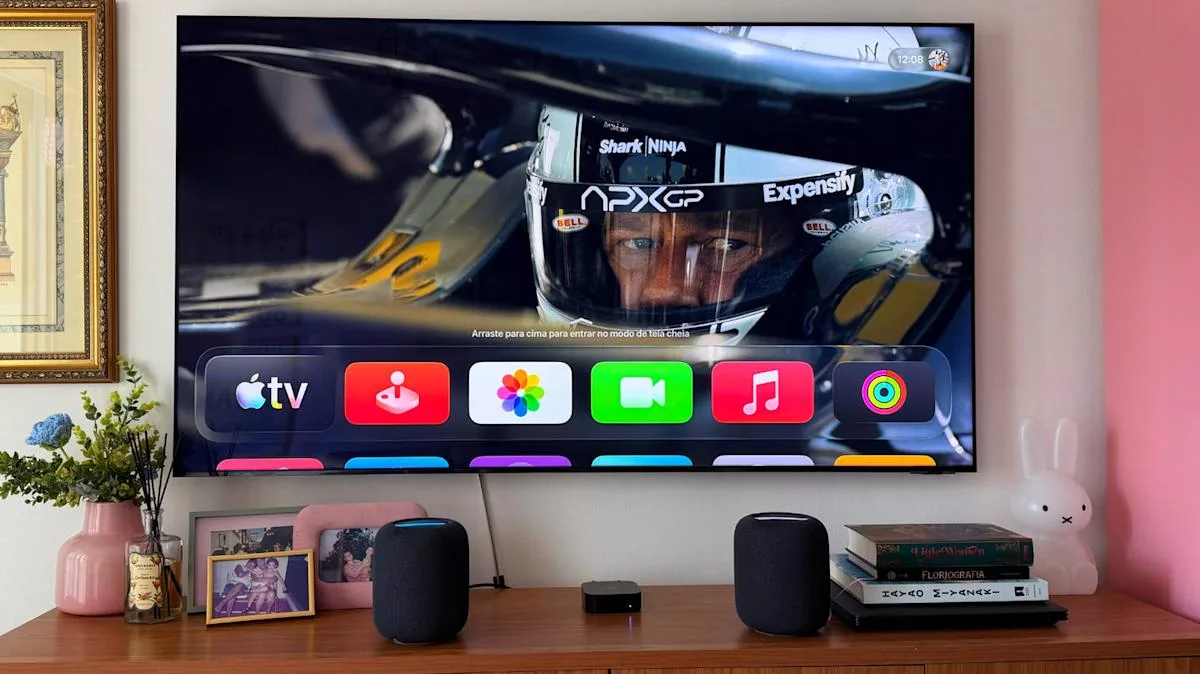
- Accept the Downgrade: Continue with the standard tier and adjust to watching everything in HD, effectively devaluing the 4K capabilities of modern TVs, streaming sticks, and tablets.
- Reassess Value: Conduct a full audit of the Amazon ecosystem. Is the convenience of bundled shipping, music, and video still worth the rising total cost, or would à la carte services be more economical?
This moment forces strategic consumer questions. How important is 4K quality to your viewing experience? Is it time to rotate subscriptions more actively rather than maintaining them all concurrently? The device you own should not dictate a mandatory premium subscription. This shift makes conscious budgeting more critical than ever.
Amazon's decision to gatekeep 4K behind a higher paywall is a definitive inflection point for the streaming industry. It marks the end of the customer acquisition frenzy and the beginning of a mature, monetization-focused phase. The question for subscribers is no longer simply "Is Prime Video Ultra worth it?" but a broader, more pressing inquiry: What is the true cost of convenience and quality in the modern streaming landscape, and where will you draw your line? As services continue to segment features, your most powerful tool is a selective subscription strategy. The era of passive streaming is over; the new normal demands active budget management.
Tags: Streaming Services, Amazon Prime Video, Subscription Models, 4K HDR, Consumer Tech