Pragmata Review: How Capcom's New Sci-Fi IP Became a Critical Triumph
In the gaming industry, a year with one critical and commercial hit is a success. A year with two is a phenomenon. For Capcom, 2026 has the potential to be a masterclass in sustained excellence. The...


In the gaming industry, a year with one critical and commercial hit is a success. A year with two is a phenomenon. For Capcom, 2026 has the potential to be a masterclass in sustained excellence. The year is poised to begin with the chilling, refined horror of Resident Evil Requiem and the expansive, heartwarming adventure of Monster Hunter Stories 3: Twisted Reflection. Should these titles succeed, the question will shift from if Capcom can maintain momentum to how. The most intriguing answer may arrive not from a familiar franchise, but from the vast, silent void of space. Pragmata, Capcom’s bold new sci-fi IP, represents a high-stakes gamble. Based on its ambitious announced concept, it possesses all the ingredients to resonate powerfully with critics and players. This analysis explores how, if executed to its full potential, Pragmata could secure its place as a critical triumph and a foundational new universe for the publisher.
A Potential Lunar Nightmare: Setting and Story
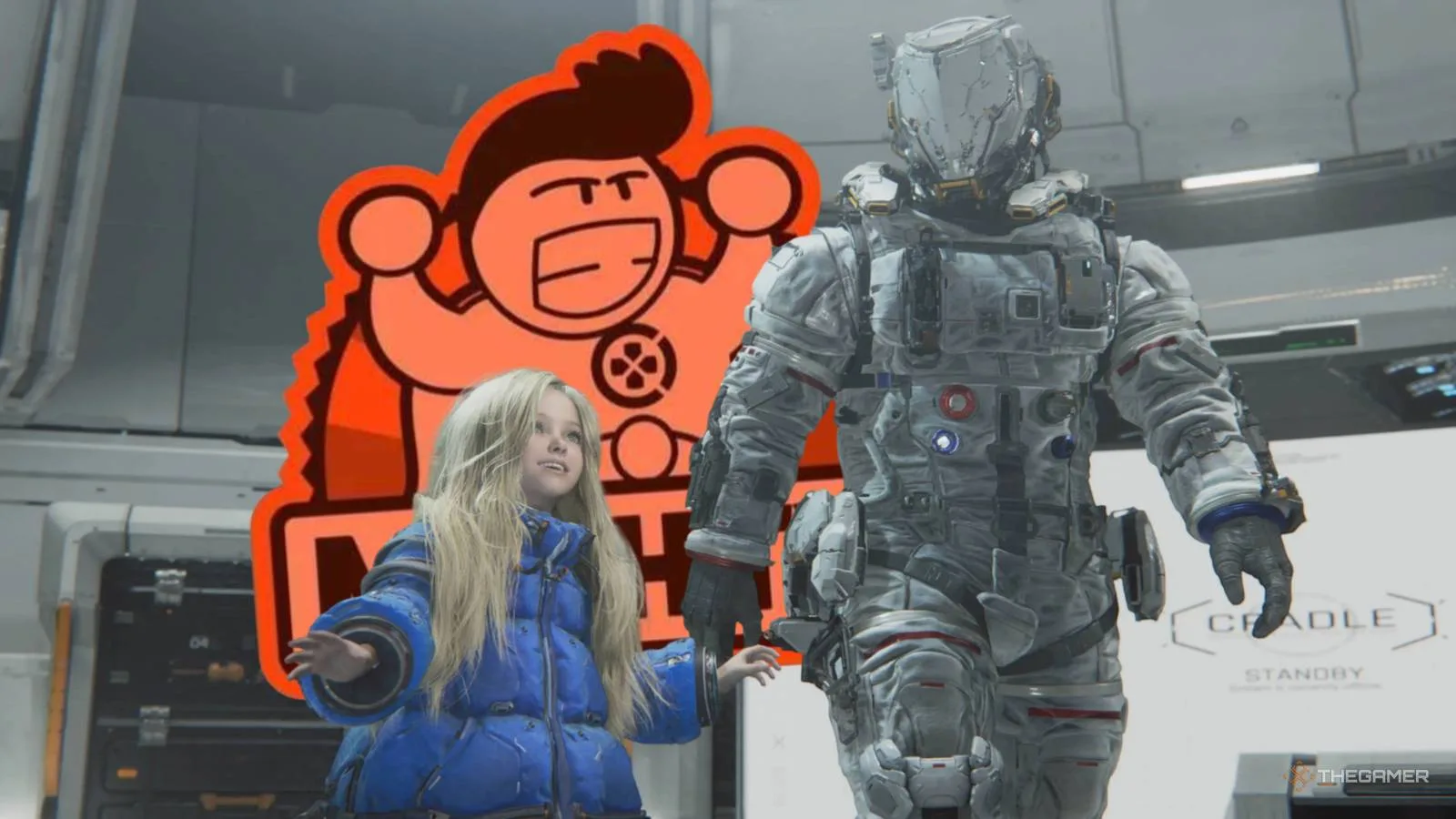
Pragmata is set to transport players to The Cradle, a sprawling, derelict man-made moon base. The premise—a routine repair mission for astronaut Hugh that descends into a desperate fight for survival—provides a stunning, sterile, and potentially terrifying backdrop. Concept art and trailers suggest a maze of metallic corridors, zero-gravity chambers, and silent arboretums, all prime for the impeccable detail expected from a modern Capcom title.
The true heart of Pragmata’s potential narrative, however, appears to beat within the fragile, growing bond between Hugh and his unexpected companion, the android Diana. This central relationship, framed as a poignant, father-daughter dynamic, could provide the emotional core to ground the high-concept sci-fi. Diana’s evolving personality and unwavering support are positioned not as mere gameplay mechanics, but as the driving force for the player’s journey. The success of this character drama will be paramount to Pragmata’s narrative impact.
The broader universe of The Cradle and the cosmic event that doomed it serves a familiar but functional sci-fi purpose. It is a stage—and a beautifully conceived one—for the more intimate human (and synthetic) drama to play out upon. The critical challenge will be ensuring this intimate story excels within its larger world.
The Promise of "Hack-and-Shoot": Deconstructing the Combat
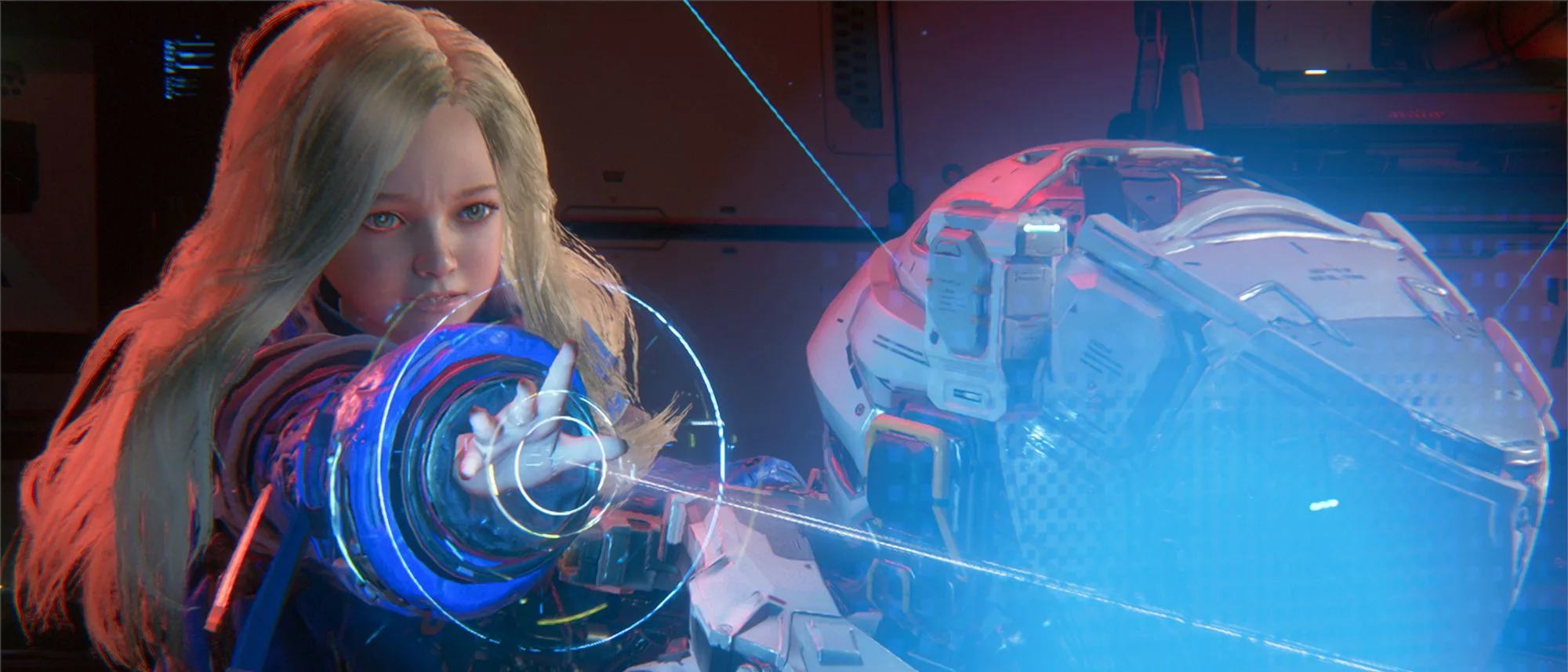
Where Pragmata could move from compelling to groundbreaking is in its proposed gameplay. Dubbed “hack-and-shoot” in previews, the combat system presents a masterstroke of potential dual-layered engagement. Players would directly control Hugh in tense third-person shooter sequences while simultaneously managing a real-time hacking minigame performed by Diana.
This isn’t envisioned as a passive ability. To stagger an enemy, expose a weak point, or disable security, players would need to strategically pause the frontline action to solve puzzles on Diana’s interface. This design promises a brilliantly tactical rhythm, forcing constant prioritization between immediate threats and strategic support. The system aims to ensure the player is never just shooting or just puzzling, but perpetually managing both the battlefield and the digital stream—a demanding but potentially immensely rewarding loop.
Depth could be added through a proposed system of collectible hacking "nodes" and weapon mods. Nodes might allow players to customize Diana’s effects, specializing in area-of-effect staggers or defensive buffs, while mods for Hugh’s arsenal would enable significant playstyle customization. This potential for depth finds its apex in boss fights, which appear designed explicitly around the hack-and-shoot mechanic. Learning when to assault and when to strategically dismantle defenses via hacking could create some of the most memorable and intellectually satisfying combat encounters in years.
Exploring The Cradle: Potential Structure and Design
Pragmata’s structure is suggested to revolve around a safe hub like The Shelter, a home base for upgrading gear, engaging in story moments, and planning the next foray. The Cradle itself could be divided into labyrinthine main sectors. The proposed level design encourages Metroidvania-like exploration and backtracking, where new hacking abilities or gear upgrades allow access to previously unreachable areas. This would reward thorough players with hidden items and environmental puzzles that test mastery of the core mechanics beyond combat.
For longevity, Pragmata could offer substantial post-game content. A New Game+ mode and a high-difficulty setting would test the limits of dual-tasking skills, while additional challenge rooms could provide pure, focused trials of combat and hacking prowess, extending the game’s lifespan well beyond a core campaign.
A Presumed Technical Marvel on the RE Engine
Given Capcom’s recent track record, Pragmata is positioned to be a visual showcase for the studio’s proprietary RE Engine. The Cradle could be a character in itself, with breathtakingly detailed environments. The lifelike character animation, particularly for Diana, will be crucial in conveying emotion and selling the central relationship.
The game’s most striking potential technical achievement lies in its low-gravity lunar sections. Traversing the exterior of The Cradle or navigating shattered, weightless interiors could be visually captivating while introducing unique physics-based puzzles and combat scenarios, fully committing to the lunar setting.
Stylistically, Pragmata carves its own path while acknowledging clear influences. One can see echoes of Nier: Automata in its philosophical undertones, a touch of Death Stranding in its isolated atmosphere, and the claustrophobic tension of Dead Space in its setting. Yet, it aims to synthesize these elements into something distinct, defined by its own brilliant mechanical identity.
Pragmata has the potential to be more than Capcom’s next hit. It is a statement of ambitious intent. If it seamlessly weaves a poignant, character-driven story with a genuinely novel and deep combat system, all wrapped in the top-tier production values Capcom is known for, the studio will have achieved something rare. They won’t just have released an excellent game; they will have successfully planted the flag for a compelling new universe. Hugh and Diana’s journey could feel like just the beginning, and the future of this fledgling franchise could shine as brightly as the distant Earth from the surface of The Cradle.