Pokémon Winds and Waves: Why the Switch 2 Exclusivity Marks a New Era for the Franchise
Editor's Note: This article is a speculative analysis based on industry trends and fan expectations for Pokémon's future. Imagine the Pokémon Day 2026 presentation, poised to celebrate the...

Editor's Note: This article is a speculative analysis based on industry trends and fan expectations for Pokémon's future.
Imagine the Pokémon Day 2026 presentation, poised to celebrate the franchise’s monumental 30th anniversary. Fans expected nostalgia, perhaps a classic re-release, or a teaser for what’s next. What they would receive is a seismic shift in the series’ foundation. The reveal of Pokémon Winds and Pokémon Waves—the long-awaited tenth generation—would be momentous enough. The accompanying bombshell, however, is what would redefine Pokémon’s future: for the first time in the modern era, a new generation would skip the incumbent console entirely, launching exclusively on the Nintendo Switch 2 in 2027. This decisive break from tradition poses a critical question for the world’s most lucrative media franchise: Is this a risky gambit that could alienate its massive installed base, or a necessary, long-overdue evolution to secure its next thirty years?
The Announcement: A New Generation for a New Console
A hypothetical February 27, 2026, Pokémon Presents would be remembered as a pivotal moment. Developer Game Freak would take the stage not just to celebrate three decades of Pokémon, but to boldly chart its course forward. The showcase would confirm a global release window of 2027 for Pokémon Winds and Pokémon Waves, breaking the recent pattern of annual releases and signaling a potentially longer development cycle.
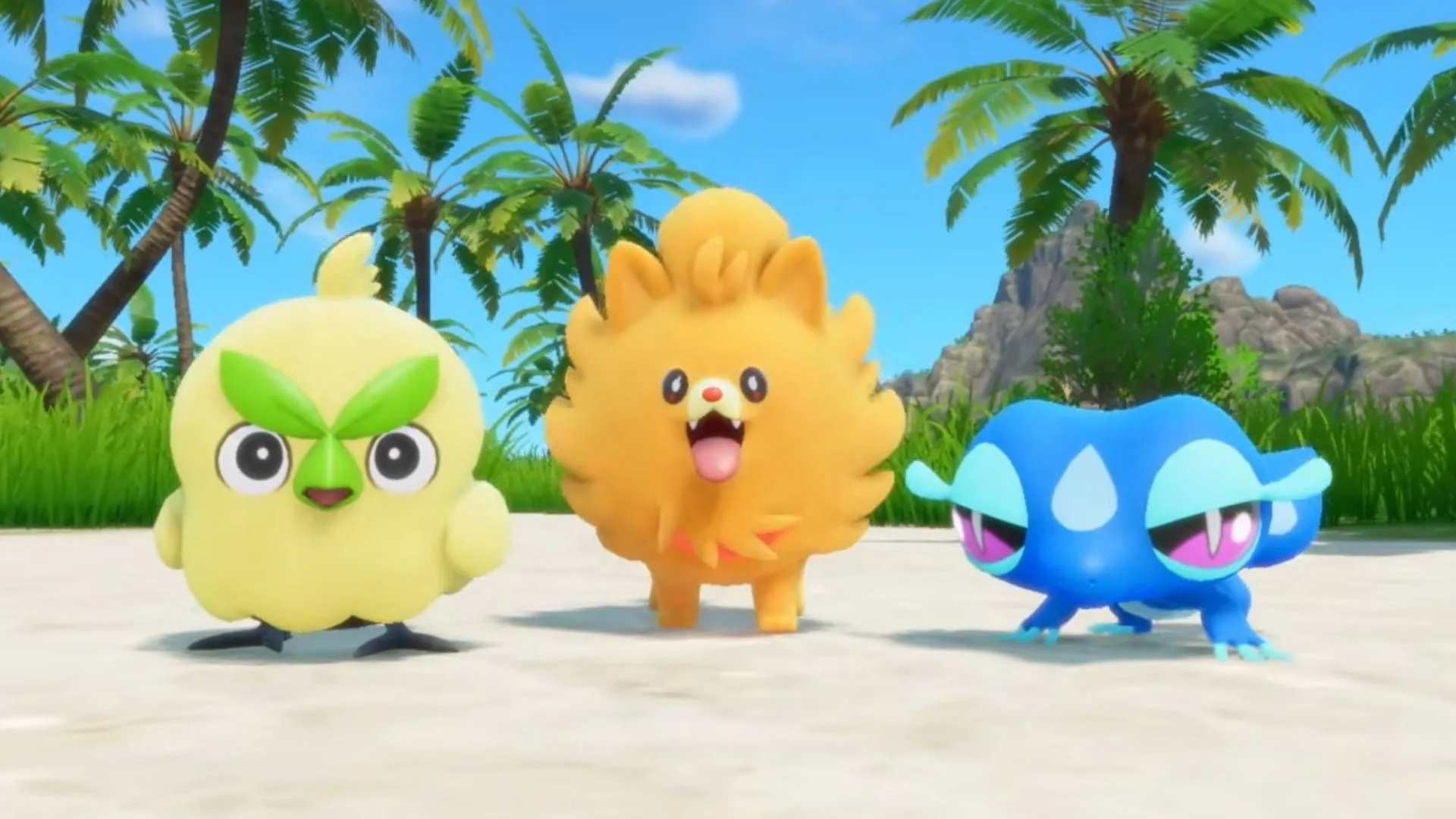
The presentation would introduce a new beginning with three starter Pokémon: Browt, the Grass-type Bean Chick; Pombon, the Fire-type Puppy; and Gecqua, the Water-type Water Gecko. This symbolic fresh start would be perfectly timed. Launching Generation 10—a milestone number—exclusively on a new console for the franchise’s 30th anniversary is a clear statement of intent. This wouldn’t be merely another entry; it would be positioned as the foundational title for Pokémon’s next era.
Breaking from Tradition: Analyzing the Switch 2 Exclusivity Decision
This move represents a stark departure from Pokémon’s historical playbook. The series has built its empire on accessibility and broad hardware support. Past transitions were gentle: Gold & Silver worked on the original Game Boy, the DS family hosted multiple generations, and Sun & Moon launched on the standard 3DS. Even the jump to the Nintendo Switch saw Let’s Go, Sword & Shield, and Legends: Arceus all serve as transitional titles before Scarlet & Violet fully embraced the hardware.
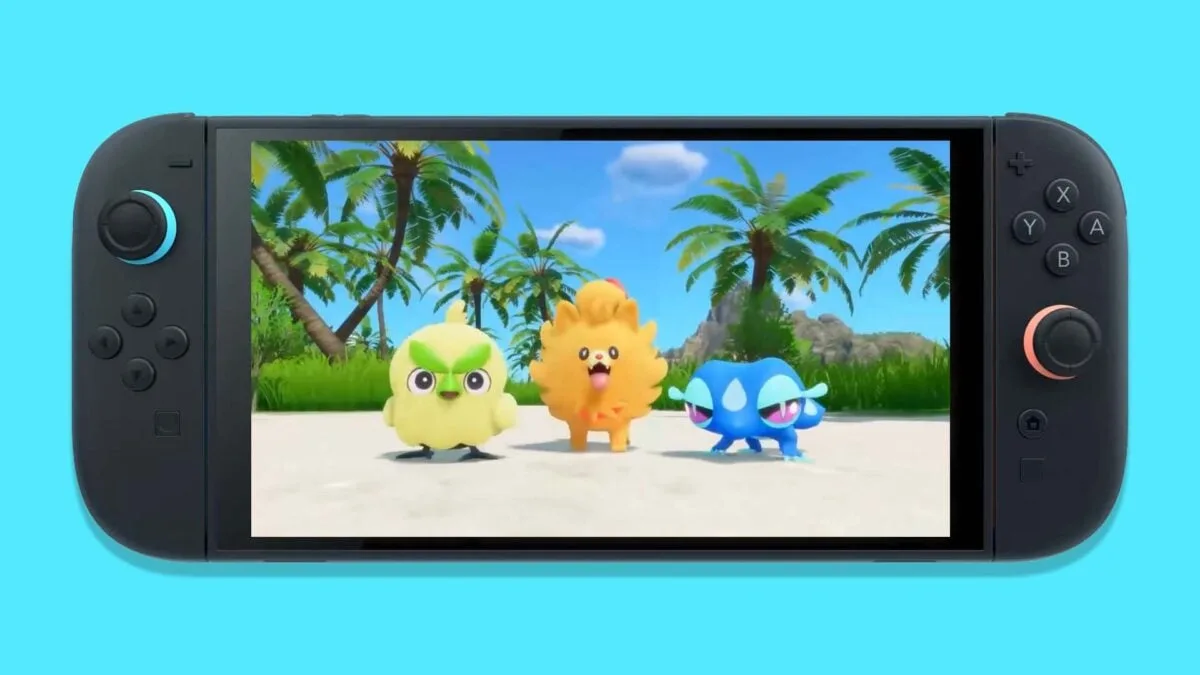
The decision for Switch 2 exclusivity is a multi-faceted strategy. Primarily, it would unshackle Game Freak from the technical constraints of the original Switch, a 2017 mobile chipset that has visibly strained under the ambitions of recent open-world titles. By focusing development on a single, more powerful platform, the team could pursue a unified vision without the compromises required for cross-generational support.
From a business perspective, it’s a masterstroke for Nintendo. Pokémon is the ultimate system-seller. Using an entirely new generation—not a spin-off or remake—as a flagship exclusive for the Switch 2 would guarantee a monumental hardware driver, accelerating the new console’s adoption curve in a way few other franchises could.
A Glimpse at the New World: Setting and Visual Ambition
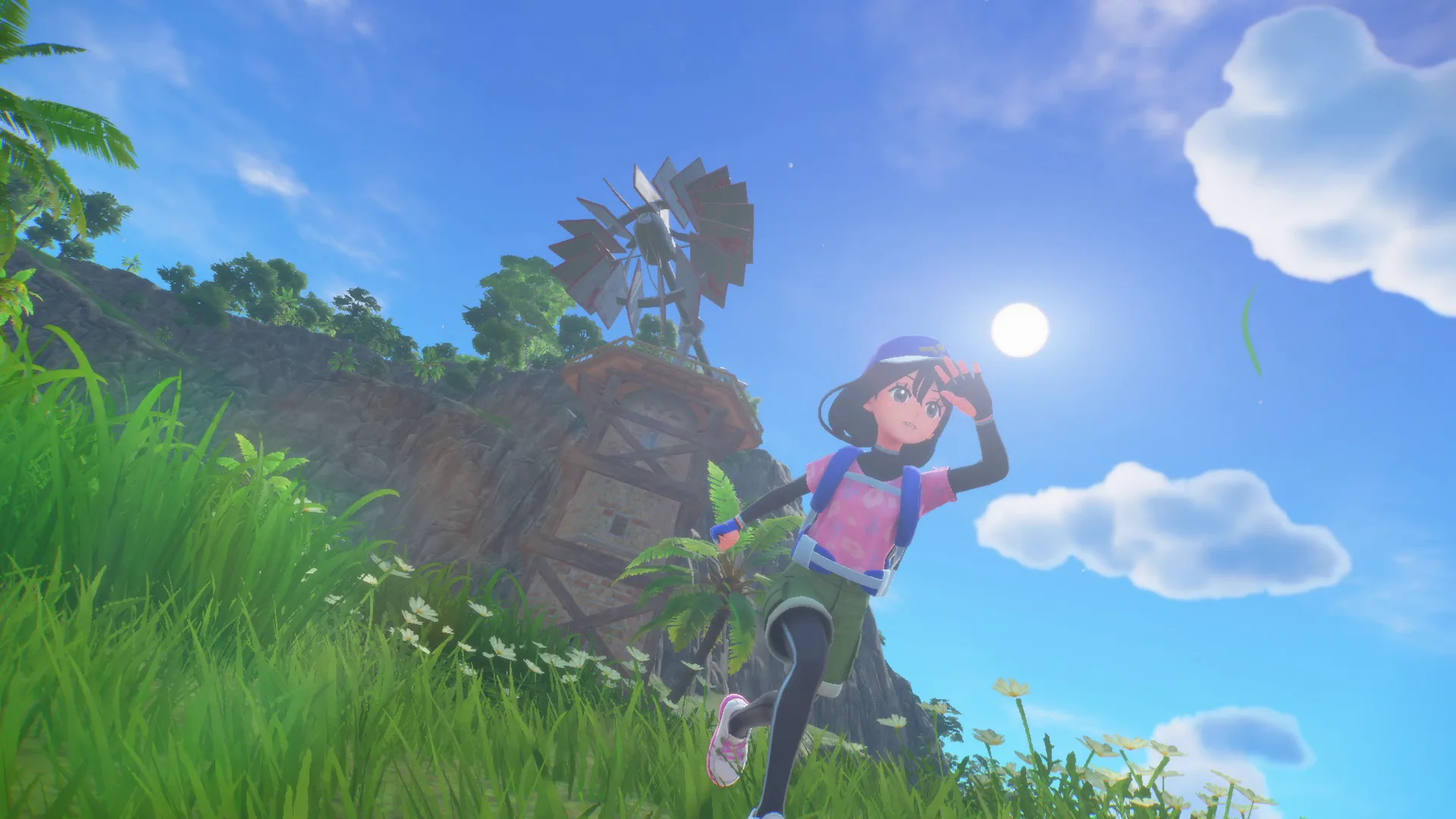
An initial trailer for Winds and Waves would offer a glimpse into the ambitious world Game Freak aims to build. The setting, inspired by the diverse landscapes of South East Asia, promises a vast open world of windswept islands, endless ocean, dense jungles, and pristine beaches. This aquatic and aerial theme appears deeply integrated into the game’s identity, suggesting new traversal mechanics and world dynamics that go beyond the static environments of the past.
Crucially, the presentation would promise “graphical improvements” powered by the new hardware. This is a direct response to the widespread criticism of the performance issues in Pokémon Scarlet and Violet. The Switch 2 exclusivity is the clearest signal yet that The Pokémon Company and Game Freak are prioritizing a stable, visually cohesive experience. The potential for smoother framerates, richer textures, denser environments, and more detailed Pokémon models is now squarely on the table, contingent on this hardware leap.
Community and Industry Reactions: Risk vs. Reward
The announcement would, predictably, split the community. A significant point of concern is fragmentation. The Nintendo Switch has sold over 140 million units, creating one of the largest and most unified player bases in history. Requiring a several-hundred-dollar hardware upgrade to play the next core Pokémon games is a substantial barrier, potentially leaving millions of casual fans or financially constrained players behind, at least initially.
Conversely, a vocal segment of the fanbase would likely meet the news with enthusiastic approval. For years, dedicated trainers have pleaded for Game Freak to be given the time and technical canvas to realize a Pokémon world that matches modern gaming standards. This decision would be seen as a direct answer to those calls—a willingness to prioritize creative and technical ambition over the safest possible market reach.
Viewed through a wider industry lens, Pokémon would be following a well-trodden path. Franchises from The Legend of Zelda to Elder Scrolls have used exclusivity on new hardware as a catalyst for generational leaps. The Legend of Zelda: Twilight Princess bridged the GameCube and Wii, but Breath of the Wild was a definitive Switch launch title that redefined its series. Pokémon would now be attempting its own Breath of the Wild moment, betting that the allure of a transformative experience will drive hardware sales rather than hinder software adoption.
Conclusion: A Necessary Leap Forward
So, is the exclusivity of Pokémon Winds and Waves a risky gambit or a necessary evolution? The evidence suggests it is undeniably both, but the necessity outweighs the risk.
This move challenges the franchise’s core tenet of universal accessibility. Yet, it is a risk born of necessity. After the technical struggles of its Switch era, Pokémon requires a reset—a chance to rebuild its foundation on hardware that can support its global scale. This move prioritizes the long-term health and creative growth of the series over short-term, cross-generational sales.
Pokémon Winds and Waves is no longer just Generation 10; it is being forged as the definitive beginning of Pokémon’s second major hardware era. When they hypothetically launch in 2027, they wouldn’t just invite us to catch new Pokémon—they would challenge us to envision the untapped potential of the entire franchise.
Tags: Pokémon, Nintendo Switch 2, Game Freak, Pokémon Winds and Waves, Video Game Analysis