Pokémon Pokopia's Unprecedented Launch: How a Surprise Hit Revitalized Nintendo's Stock and Market Sentiment
In the often-predictable cycles of the gaming industry, true market shocks are rare. Yet, over two electrifying days in March 2026, Nintendo delivered one. The company’s share price on the Tokyo...

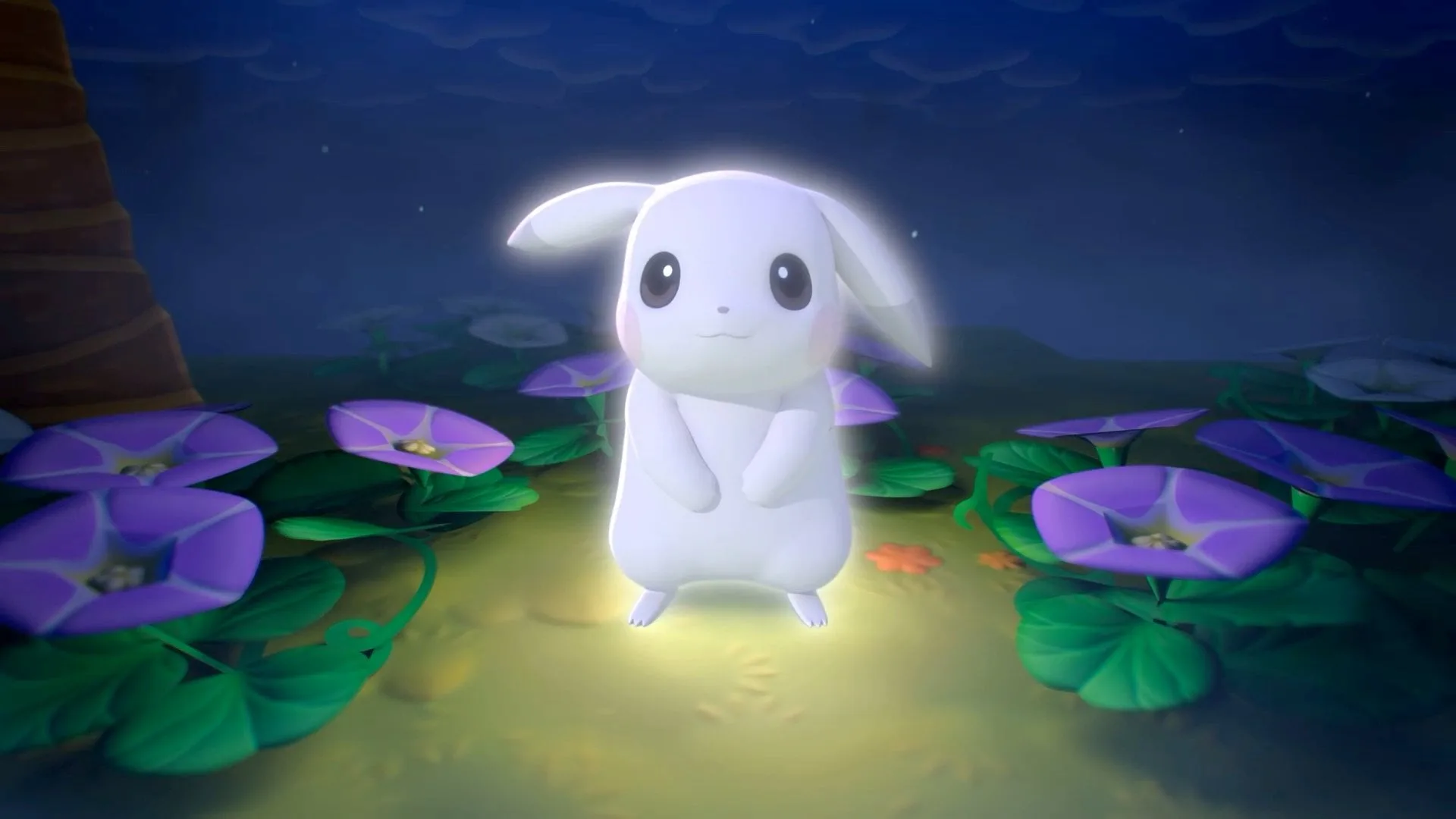
In the often-predictable cycles of the gaming industry, true market shocks are rare. Yet, over two electrifying days in March 2026, Nintendo delivered one. The company’s share price on the Tokyo Stock Exchange rocketed by approximately 15%, a surge of pure investor enthusiasm that reversed months of downward pressure. This dramatic rally, lifting shares from ¥8,606 to ¥9,932, was not triggered by a new console announcement or a corporate restructuring, but by the explosive, unexpected success of a single game: Pokémon Pokopia. Against a backdrop where Nintendo's stock had fallen over 40% from its late 2025 peak, this spin-off title has emerged as a pivotal force, single-handedly reinvigorating investor confidence and reshaping the narrative ahead of the crucial Nintendo Switch 2 launch.
The Numbers Behind the Boom
The financial metrics tell a story of overwhelming demand. The rally’s most intense moment was a staggering 10.4% single-day jump on March 12, a move that signifies a fundamental re-rating by the market rather than minor speculation. This surge was a direct response to the launch metrics of Pokémon Pokopia, which debuted on March 5.
The game sold over 2.2 million copies in its first four days, a formidable figure for any title, let alone a spin-off. Critically, it achieved a status no mainline Pokémon game has held: it is currently the highest-rated Pokémon game ever on Metacritic. This combination of commercial velocity and critical acclaim provided a potent signal to investors.
Perhaps the most tangible evidence of this demand is visible on store shelves—or rather, the lack thereof. Following its release, Pokémon Pokopia triggered widespread physical shortages across three continents. Major global retailers including Walmart, GameStop, and Target, as well as Nintendo’s own official stores, reported being sold out in the U.S., U.K., and Australia. This scarcity underscored a launch that exceeded even the most optimistic retail allocations, painting a picture of a genuine phenomenon.

A "Dark Horse" That Defied Expectations
What makes Pokémon Pokopia’s impact particularly remarkable is that it arrived without the typical fanfare of a flagship Pokémon release. As noted by senior analyst Hideki Yasuda of Toyo Securities, the game was a "dark horse" that was "totally off people’s radars." In an industry where marketing cycles are long and forecasts are built around known quantities, this unexpected success story carries extra weight.
The game’s performance breaks the traditional mold. It wasn't a heavily marketed new generation like Scarlet and Violet or a long-anticipated remake. Instead, its strong critical reception—validated by its Metacritic score—combined with explosive word-of-mouth and commercial performance to create a perfect storm. This demonstrates that within Nintendo’s storied IP portfolio, latent demand can be unlocked in surprising ways, and that quality execution can resonate powerfully even without a years-long hype cycle.

Rebuilding Confidence for the Future
Beyond providing a quarterly sales bump, analysts highlight that Pokopia's success is actively boosting overall market sentiment around Nintendo’s ecosystem. Specifically, it is helping to alleviate concerns about the upcoming Nintendo Switch 2’s momentum. By proving that compelling software can still drive massive engagement—and financial performance—on the current platform, it reinforces confidence in Nintendo’s core content-creation prowess for the next generation. The rally restored Nintendo’s market capitalization to approximately ¥11.45 trillion, offering a clear snapshot of renewed investor belief.
This software-driven rally stands in stark contrast to other, longer-term corporate matters, such as Nintendo of America's ongoing lawsuit against the U.S. government regarding tariff refunds. The immediate and powerful driver in the market is unequivocally the real-time, demand-driven impact of Pokémon Pokopia, which is actively reshaping the investment thesis for the company.
Conclusion
The story of Pokémon Pokopia is a masterclass in how software excellence can recalibrate Wall Street: unprecedented critical acclaim and sales, manifesting in physical scarcity, delivered a jolt of confidence in Nintendo's core creative engine. In a transitional period marked by anticipation for new hardware, this event serves as a powerful reminder of Nintendo’s foundational strength. A single, well-executed surprise has not only provided a short-term boost but has actively reshaped the investor narrative, proving that even in the shadow of a new console generation, a great game can still move markets.