Pokémon Pokopia Review: How a Ditto Life Sim Became Pokémon's Highest-Rated Game
Editor's Note: This review explores a potential future for the Pokémon franchise through the lens of a fictional, critically-acclaimed spin-off. For three decades, the Pokémon franchise has operated...

Editor's Note: This review explores a potential future for the Pokémon franchise through the lens of a fictional, critically-acclaimed spin-off.
For three decades, the Pokémon franchise has operated on a remarkably consistent formula. Catch monsters, battle trainers, defeat gyms, become a champion. It’s a loop that has defined a genre and captivated generations. So, when Pokémon Pokopia was announced as a life-simulation spin-off, the community’s reaction was a mixture of curiosity and cautious skepticism. A game about terraforming a post-apocalyptic Kanto, starring a Ditto? It seemed like a bizarre detour.
That detour has become a destination. In this conceptual scenario, Pokémon Pokopia achieves the unthinkable: a Metascore of 89, making it the highest-rated Pokémon game on its platform. Critics hail it as “one of the best games in Pokémon's 30 years.” The central question is how a life sim starring a shapeshifting blob could redefine excellence for the entire franchise. The answer lies in a serene life-sim where you, as a Ditto, terraform a silent, abandoned Kanto—a radical vision made possible by a groundbreaking development partnership.
Development & Vision: A Collaborative New Direction
Pokémon Pokopia represents a profound shift in design philosophy, underscored by its development. For the first time, Game Freak co-developed a major title with Omega Force, the Koei Tecmo studio known for the Dynasty Warriors series and its various musou spin-offs. Published by Nintendo and The Pokémon Company, this collaboration signaled a serious investment in a new direction, blending Game Freak’s world-building with Omega Force’s experience in large-scale action and environmental design.
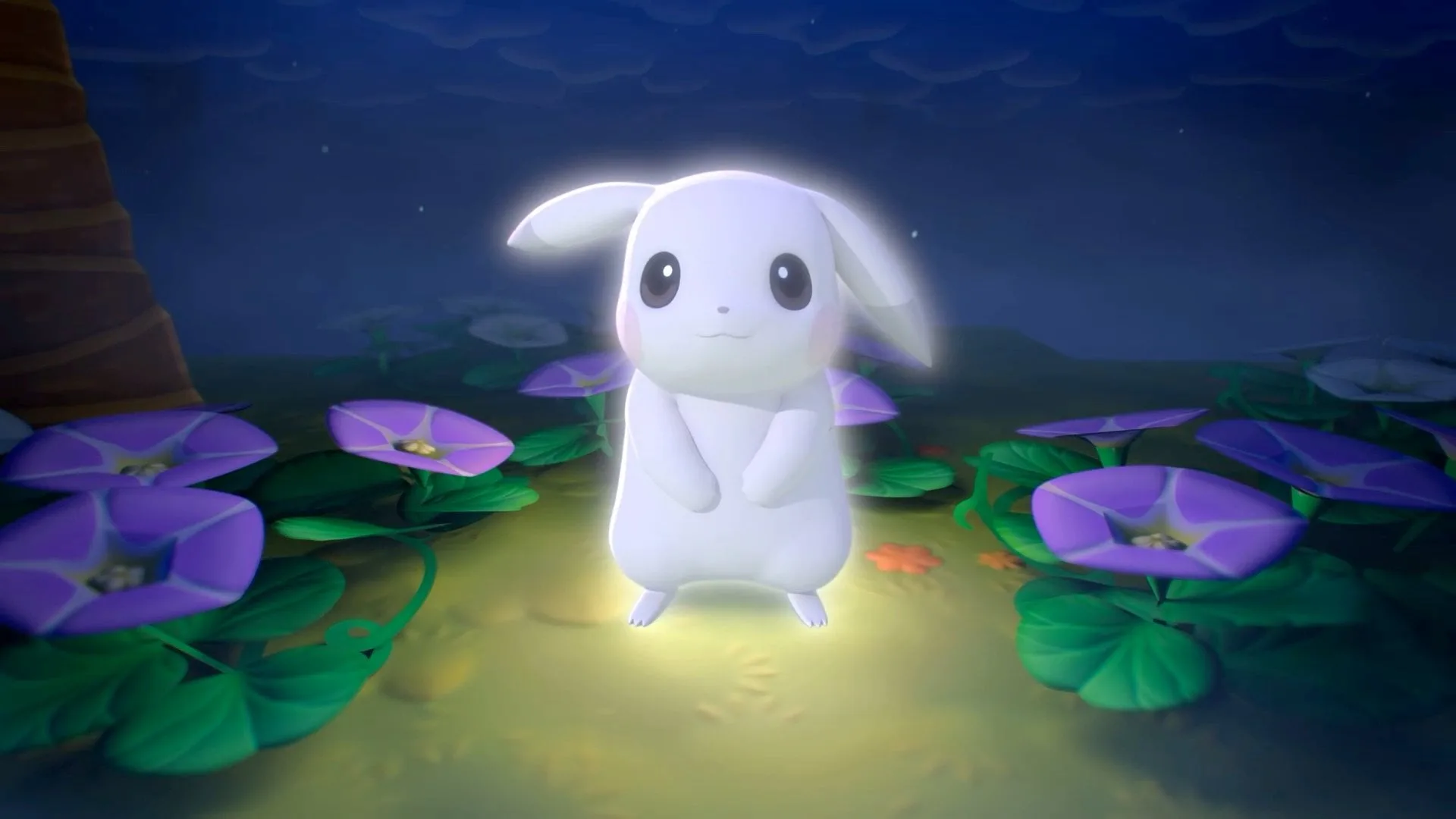
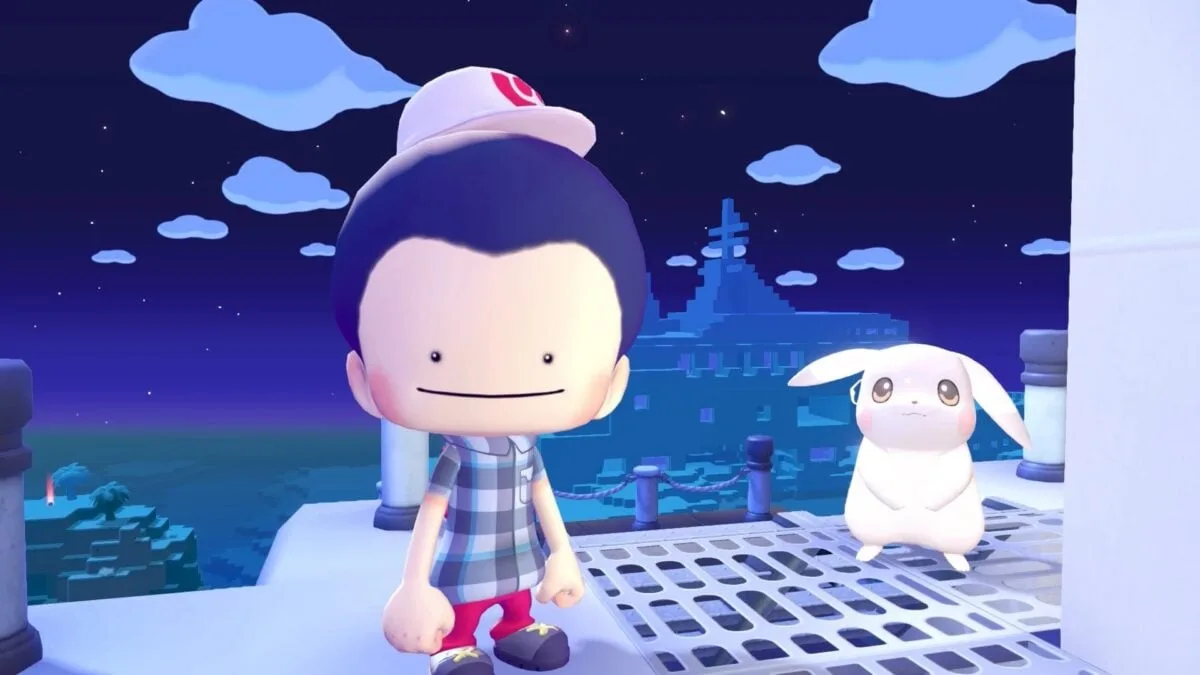
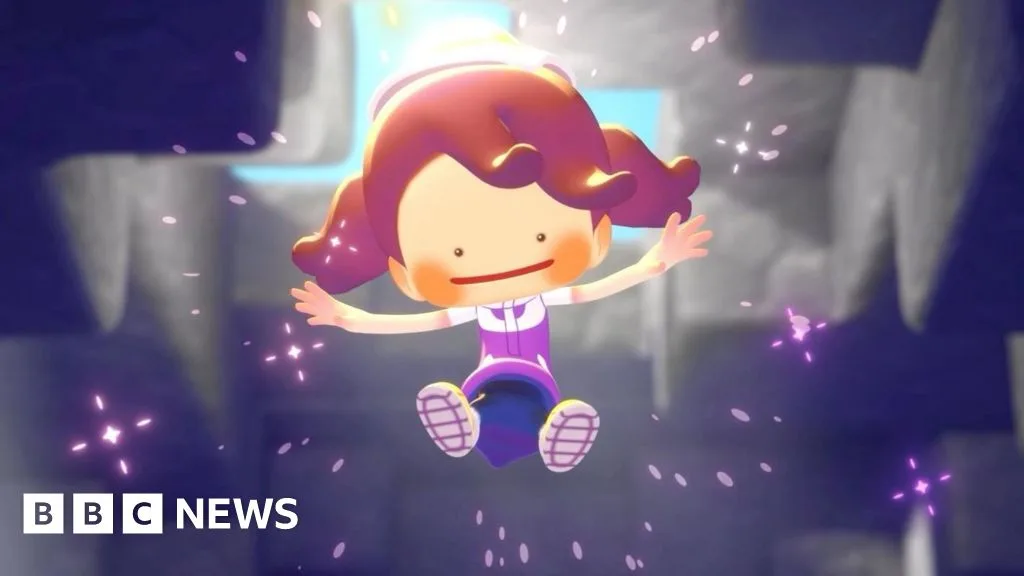
The game is a genre-bending fusion, best described as a life-sim and terraforming adventure that takes clear inspiration from the cozy, creative worlds of Animal Crossing and Stardew Valley, filtered through the exploratory freedom of Minecraft. The premise is its most unconventional element: you play as a Ditto who has taken on a human form. Your mission is not to catch ‘em all, but to restore one. You arrive in a silent, overgrown, and seemingly abandoned version of the Kanto region, tasked with healing this wounded land and coaxing Pokémon back to a home from which they have vanished.
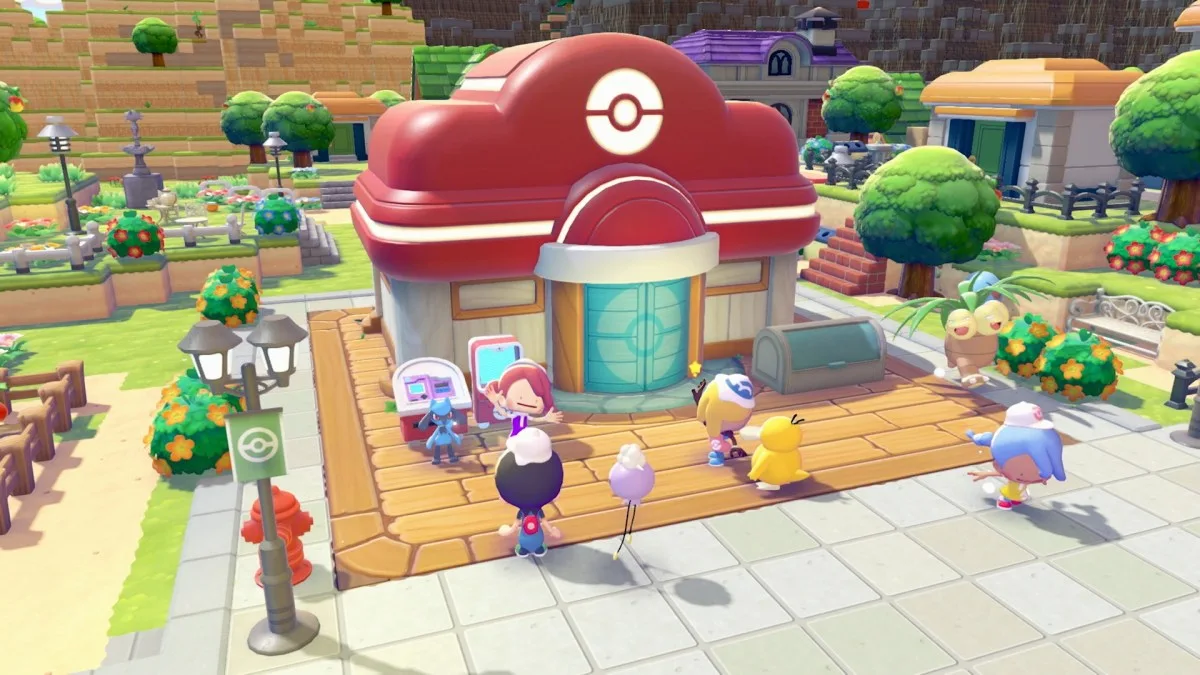
The Gameplay Loop: Building, Farming, and Uncovering Secrets
The core loop of Pokémon Pokopia is a meditative cycle of creation and discovery. Using simple but robust tools, you terraform the landscape: clearing debris, planting forests and flower fields, purifying polluted water, and rebuilding structures. You farm crops not just for sustenance, but to create specific biomes and attract certain Pokémon species. Building a pond might lure back Psyduck and Poliwag; cultivating a berry orchard could be the key to seeing a Pidgeotto return.
Progression is intrinsically tied to this restoration. As you clean and rebuild key locations—the crumbling Pewter City museum, the flooded tunnels of Diglett’s Cave—you don’t just unlock new areas, you trigger the return of Pokémon populations. This creates a powerful, tangible sense of accomplishment. You are not just checking boxes on a map; you are literally bringing the world back to life, creature by creature.
The narrative is delivered not through cutscenes or lengthy dialogues, but through masterful environmental storytelling. Scattered journals, weathered artifacts, and subtle clues in the ruins piece together a melancholic mystery about what happened to the humans of Kanto. This slow-burn discovery, coupled with the serene, often lonely act of rebuilding, gives Pokopia an emotional depth and atmospheric weight rarely seen in the franchise. Completing this poignant main story is estimated to take over 40 hours, a testament to its expansive, thoughtful design.
Critical Triumph: Breaking Pokémon's Review Records
The critical reception to Pokémon Pokopia in this scenario is nothing short of historic. Its Metascore of 89 officially makes it the highest-rated Pokémon title on the platform, edging out classics. On OpenCritic, it boasts a stellar 93% Critics Recommend score. This universal acclaim stands in stark contrast to the reception of recent main-series entries, which have been frequently criticized for technical performance issues and conservative design seen in titles like Pokémon Scarlet and Violet.
A review from a major outlet like Kotaku encapsulates the critical consensus, calling it “one of the best games in Pokémon's 30 years.” Reviewers consistently praise its polished execution, ambitious scope, and emotional resonance. The common thread is a sense of relief and excitement: here is a Pokémon game that is not only technically proficient but also daringly creative. It proves that the franchise’s world is rich enough to support genres far beyond turn-based combat, and that its stories can be quiet, mature, and profoundly moving.
Launch Impact and Legacy for the Franchise
Pokémon Pokopia is more than a critical darling; it is a commercial and cultural event. As a marquee exclusive, it immediately establishes itself as a potent system-seller. Its launch during Pokémon’s 30th-anniversary celebrations transforms it from a curious spin-off into a flagship anniversary title. Demand skyrockets, with reports indicating it “surpasses sales expectations” so dramatically that physical copy prices see noticeable increases.
Its true legacy, however, is its impact on the franchise’s future. Pokopia serves as definitive proof that high-quality, boldly experimental spin-offs can achieve the highest levels of success and redefine what a Pokémon game can be. It demonstrates the value of strategic partnerships, like the one with Omega Force, and shows that the Pokémon universe is a canvas capable of supporting profound, genre-defying experiences.
Pokémon Pokopia represents a milestone. By fusing the cozy satisfaction of life simulation with the poignant mystery of a fallen world, and wrapping it in a level of polish the main series has struggled to maintain, it delivers an experience that resonates on multiple levels. It is a game about healing, both for its landscape and, in a meta sense, for a fanbase yearning for innovation. It stands not as a replacement for the classic Pokémon journey, but as a brilliant expansion of it—a testament to the franchise’s enduring potential and a shining highlight of its first 30 years. The message is clear: when Pokémon dares to transform, the results can be legendary.