PlayStation's New Strategy: How Sony is Courting the Next Generation of Gamers
The final trailer of PlayStation’s February 2026 State of Play faded to black. The usual post-show speculation began. Then, a final card appeared: “God of War Sons of Sparta – Available Now.” The...

The final trailer of PlayStation’s February 2026 State of Play faded to black. The usual post-show speculation began. Then, a final card appeared: “God of War Sons of Sparta – Available Now.” The internet braced for another visceral, mythic epic. What loaded was a vibrant, 2D action-platformer starring a young Kratos, rated T for Teen. The shadow-drop wasn’t just a surprise release; it was a statement. While this specific scenario is a projection, it's built upon the very real strategic pivot Sony initiated in 2024 with Astro Bot and Lego Horizon Adventures. In a single hypothetical move, Sony had taken one of its most brutally mature franchises and reimagined it as an accessible gateway for a new audience. This wasn't an anomaly. It was the exclamation point on a strategic pivot years in the making. Following the 2024 successes, PlayStation is fundamentally reshaping its identity. The question is no longer if Sony is targeting younger players, but how deeply this new family-friendly focus will redefine the brand’s future.
Decoding the "State of Play" Blueprint for Kids
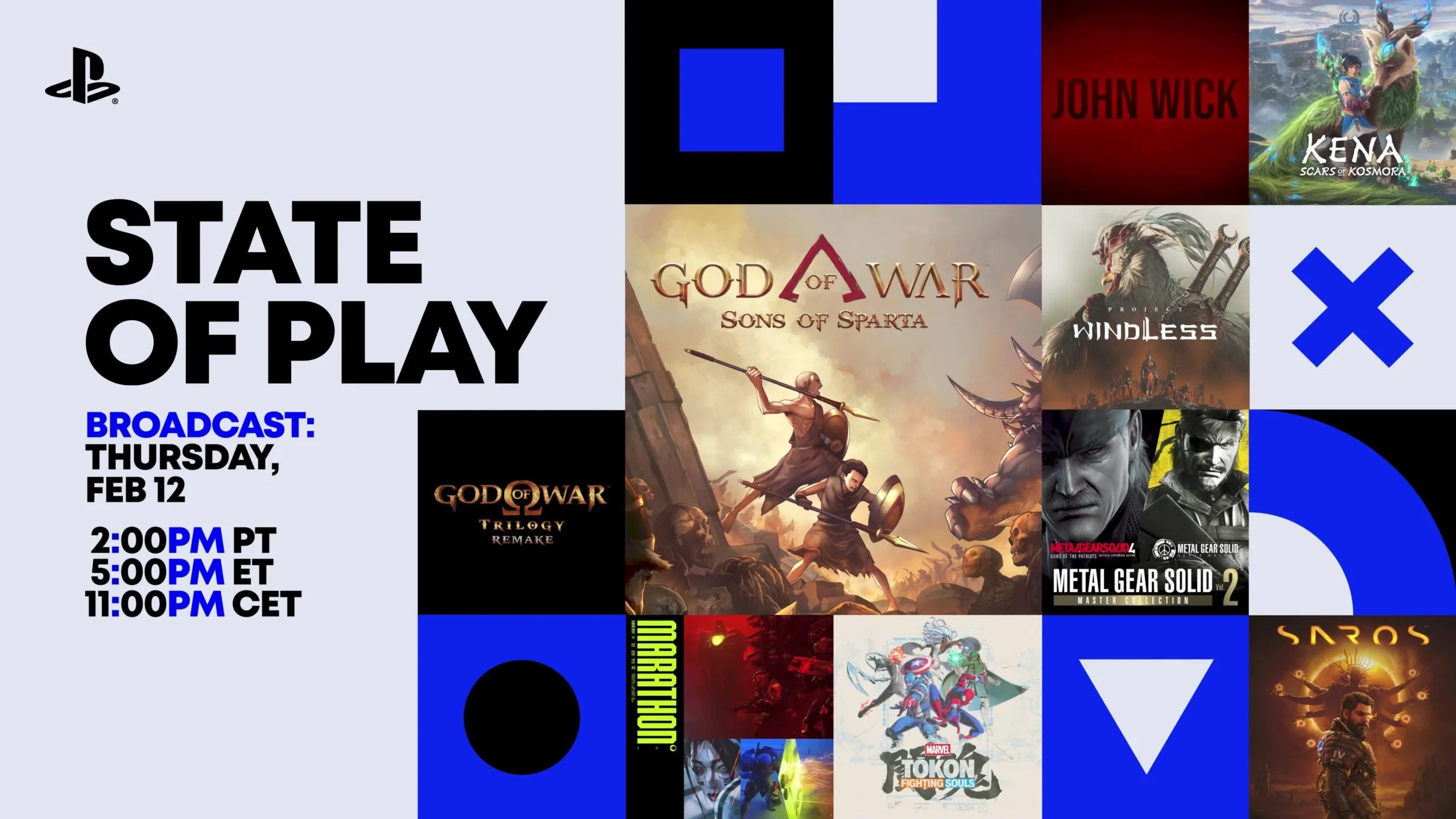
The February 2026 presentation served as a manifesto for PlayStation’s new direction. It strategically showcased a trio of titles designed as a coordinated portfolio to capture a younger demographic. The messaging was clear and consistent.
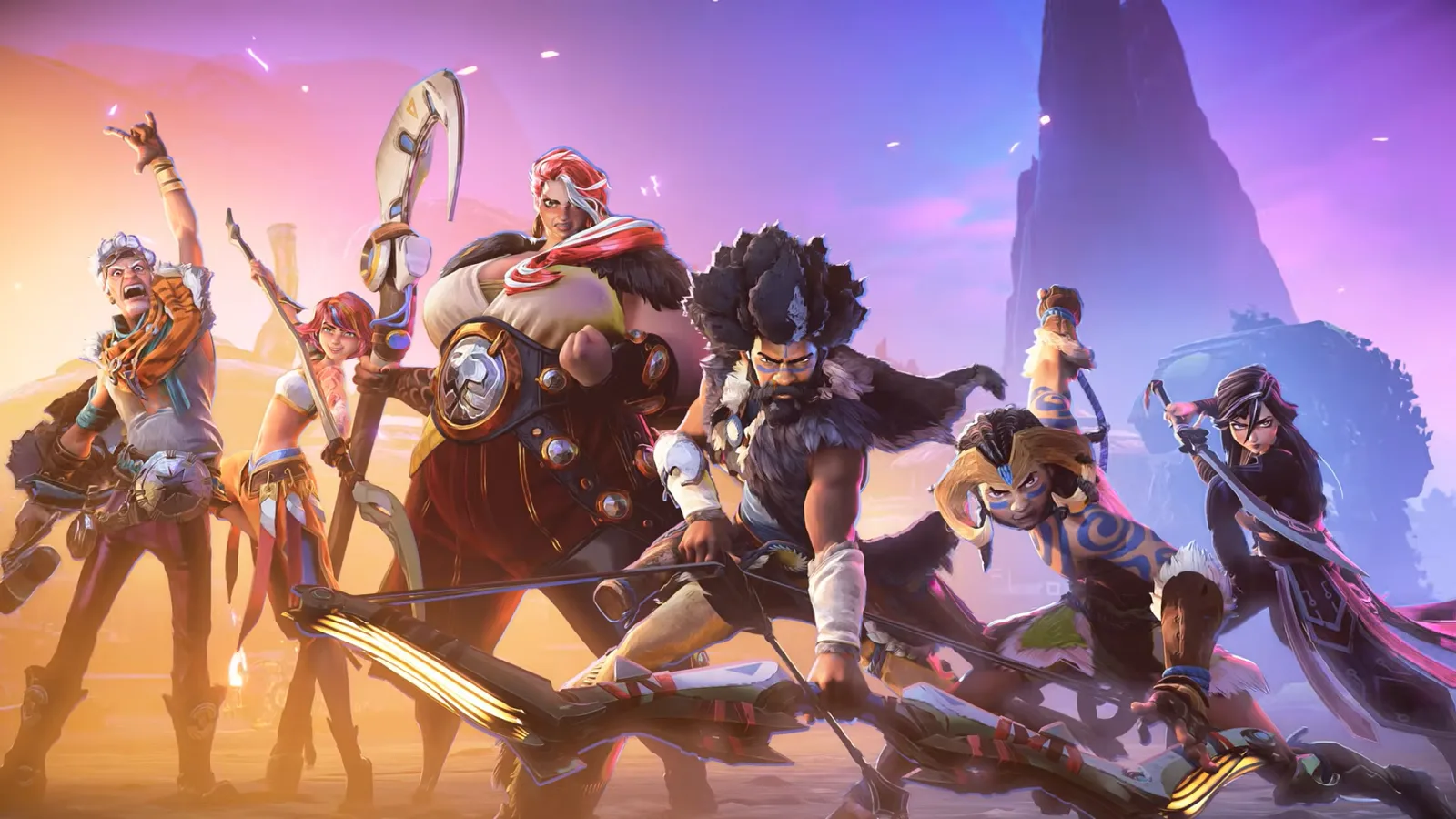
First was Kena: Scars of Kosmora, a whimsical action-adventure sequel published by Sony that doubles down on the charming, Pixar-esque aesthetic of its predecessor. Next, Guerrilla Games unveiled Horizon Hunters Gathering, a new co-op multiplayer experience set in the Horizon universe. Strikingly, it traded the solemn, post-apocalyptic grandeur of Aloy’s journey for a more colorful, vibrant, and socially-focused adventure. The climax was the reveal—and immediate release—of God of War Sons of Sparta. This 2D platformer dials back the series’ signature hyper-violence and psychological weight to a T-rating, focusing on agile combat and exploration in Kratos’ youth.
The common threads binding these reveals are impossible to ignore: accessible gameplay loops emphasizing co-operation and platforming, a deliberate shift towards vibrant and whimsical art styles, and a conscious moderation of content. The most potent symbol of this shift is seeing the Ghost of Sparta himself, the icon of PlayStation’s mature-audience dominance, leading a charge into more age-accessible territory. This was not a scattering of kid-friendly games; it was a targeted salvo.
The Business Logic Behind the Cartoonier Controllers
Why would a platform synonymous with cinematic, mature blockbusters make this pivot? The rationale is a classic, long-term customer acquisition strategy. By engaging players at a younger age, PlayStation aims to build foundational brand loyalty, creating consumers for life. It’s an investment in the platform’s future ecosystem, from software and services to hardware generations down the line.
Furthermore, the competitive landscape has evolved. The attention of younger players is fiercely contested by ubiquitous, free-to-play platforms like Roblox and Fortnite, which operate as social hubs first and games second. PlayStation isn’t just competing with other consoles for this demographic; it’s competing for screen time in a vastly broader digital playground.
Analysts observing this shift point to a remaining challenge. While leveraging established IP like Horizon and God of War provides a recognizable entry point, PlayStation still needs more original characters and worlds to truly resonate with new, young generations. The iconic heroes of PlayStation’s past—Kratos, Joel, Ellie—were forged for an older audience. The success of Astro Bot proves the potential, but the platform needs its next wave of native, youth-oriented mascots to compete in the modern attention economy.

Balancing the Portfolio: Core Games & The Family-Friendly Push
Crucially, this strategy is an expansion, not a replacement. The same State of Play that spotlighted younger audiences also served PlayStation’s core demographic with a relentless barrage of hardcore announcements, proving a dual-track approach is in full effect. The 2026 calendar remains packed with veteran-focused titles, including:
- The long-awaited extraction shooter Marathon (March 5)
- The Legacy of Kain: Defiance Remaster (March 3)
- The PC release of Death Stranding 2: On the Beach (March 19)
- Metal Gear Solid: Master Collection Vol. 2 (August 27)
Looking further ahead, the announcements were even more hardcore: a remake of the original God of War Greek trilogy is in early development, a new mainline Dead or Alive is on the way, and Saber Interactive is working on a brutal new John Wick game. PlayStation is not abandoning its roots; it is broadening its reach. The portfolio now explicitly has two pillars: sustaining the core audience that built the brand, and cultivating the next generation that will sustain its future.
Looking Ahead: What This Means for PlayStation's Future
The success of this ambitious two-pronged approach is not guaranteed. Potential risks loom. Could there be a backlash from core fans who perceive resources shifting away from the mature narratives they cherish? More critically, can Sony’s first-party studios, renowned for high-fidelity, narrative-driven epics, consistently execute games that are both accessible to younger players and meet the quality bar expected of a PlayStation Studios title? Creating new, kid-friendly IP that achieves the cultural stickiness of a Fortnite or a Minecraft is one of the industry’s hardest tasks.
The February 2026 blueprint raises fascinating questions for the road ahead. Will we see more legacy franchises reimagined for all ages? What does this strategic need mean for the types of studios Sony might seek to acquire or partner with next—perhaps those with proven expertise in live-service, social, or younger-skewing creative content?
The State of Play was a clear declaration of intent. PlayStation is methodically constructing a bridge to its future. The critical and commercial success of Astro Bot proved the audience and the appetite. Now, with major pillars like Horizon and God of War being adapted and new experiences like Kena being elevated, Sony is committing fully to growing its audience from the ground up. The future of PlayStation will be built not by one type of hero, but by a diverse pantheon: by the gods of war, the bridges of Lego, the curious robots, and the hunters gathering under a brighter sun.
Tags: PlayStation Strategy, Family Gaming, State of Play, Sony Interactive Entertainment, Video Game Trends