Path of Exile Co-Creator Admits Live Service Isn’t Always the Answer: How Baldur’s Gate 3 Changed His Mind
For more than a decade, Chris Wilson stood as one of the most vocal champions of the live-service model. As co-founder of Grinding Gear Games and co-creator of Path of Exile , he built a loyal empire...

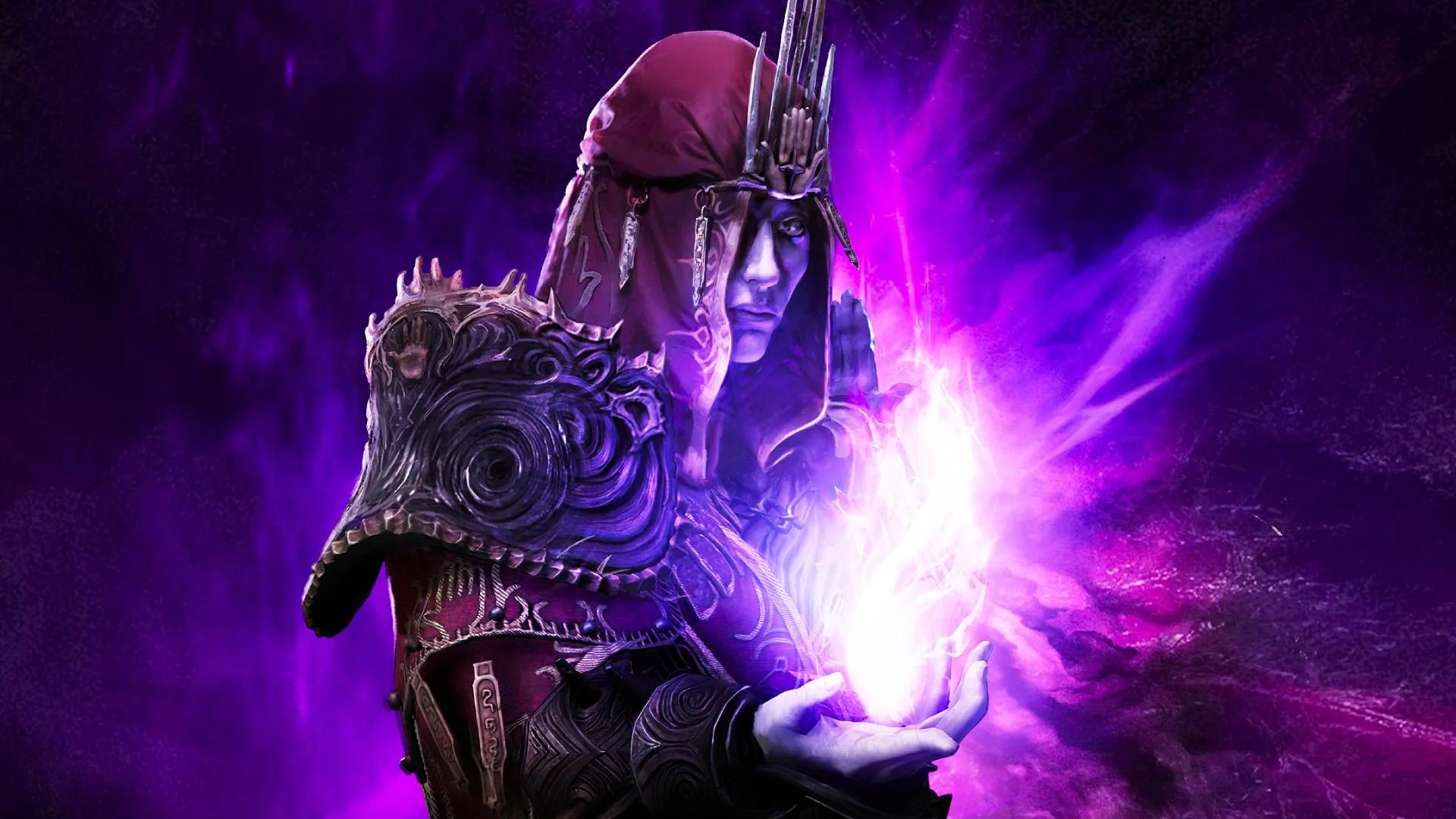
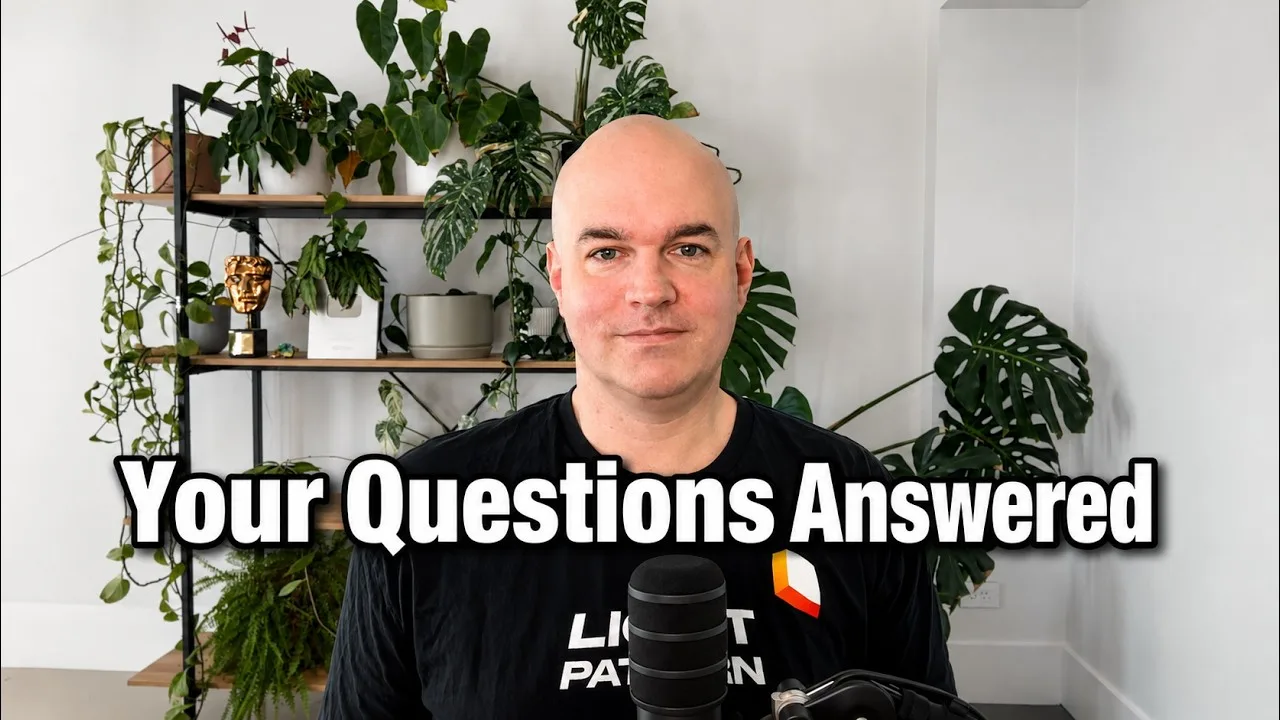
For more than a decade, Chris Wilson stood as one of the most vocal champions of the live-service model. As co-founder of Grinding Gear Games and co-creator of Path of Exile, he built a loyal empire on free-to-play mechanics, relentless quarterly leagues, and a monetization system that players largely embraced. But in a candid reflection on his personal YouTube channel, Wilson dropped a bombshell that has reverberated through the industry: he used to believe live service was “entirely upside, in all cases,” and would have scoffed at something like Baldur’s Gate 3. Now, after a decade of running one of gaming’s most successful live-service games and watching Larian Studios’ premium single-player RPG sweep awards and sales records, he admits his worldview has shifted (see his full statement here). This mea culpa from a pillar of the live-service model signals a broader rethinking of what “success” truly means in game development.
The Old Church of Live Service
A decade ago, Wilson’s conviction was absolute. He saw ongoing, evergreen live-service games as the superior model, everything else was a lesser approach. “10 years ago, I felt that live service was entirely upside in all cases,” Wilson said in the video. He would have dismissed finite, premium games as outdated relics of a bygone era. “I would have scoffed at something like Baldur’s Gate 3,” he admitted.
Path of Exile’s own success from its 2013 launch onward reinforced this belief. The game built a dedicated audience through a fair monetization system, cosmetics and stash tabs, rather than pay-to-win mechanics. Its relentless quarterly leagues kept players returning year after year. For Wilson, this proved the model could sustain both developer and audience indefinitely. Why would anyone choose to make a game that ends when you could build a world that never closes?
Yet that very success also bred a kind of tunnel vision. Wilson now acknowledges that he was blind to the trade-offs. The live-service model demands constant psychological pressure to deliver content, risks player burnout, and can alienate core audiences through forced monetization. These hidden costs became impossible to ignore after a decade in the trenches.
The Turning Point, Experience and a Game That Defied Expectations
Running Grinding Gear Games for ten years taught Wilson lessons that no spreadsheet could capture. The constant grind of content updates, the fear of losing players to a single misstep, the temptation to add features that dilute the core experience, these are the unseen burdens of the “forever game.” Wilson began to realize that live service is not free; it exacts a toll on both developers and players.
Then came Baldur’s Gate 3.
Larian Studios’ sprawling RPG launched in 2023 as a premium, story-driven experience with no live-service hooks. It sold over 10 million copies, won countless Game of the Year awards, and became a cultural phenomenon. Wilson saw a proof point he could no longer ignore. A finite, polished, premium game could generate enormous revenue and goodwill without the treadmill of endless updates. “It showed me another way,” he said.
Wilson now recognizes that live service is not “always upside”, it’s a trade-off. Finite games offer closure, artistic ambition, and the freedom to deliver a curated vision without the pressure to keep players engaged forever. Baldur’s Gate 3 demonstrated that players still crave complete experiences, and that those experiences can be just as viable commercially as any live-service title.
Bigger Lessons, On Player Feedback and Industry Dogma
This growing unease with the live-service treadmill naturally led Wilson to question another pillar of game development: how much to listen to player feedback. In a separate but related piece of advice, he told developers: “Don’t survey your players.” He argues that audiences are good at recognizing problems but bad at solving them, they often request features that would harm the game’s core design. This insight ties directly to his changing view on live service. Listening too much to vocal communities can trap a game in endless feature bloat, where every patch adds more systems without consideration for long-term integrity.
A finite game, by contrast, allows the developer to deliver an uncompromised vision. There is no infinite feedback loop, no temptation to add systems solely to extend playtime. Wilson’s honesty reflects a wider industry shift. Other studios, Bungie, BioWare, Rocksteady, have struggled with disastrous live-service pivots. Meanwhile, single-player hits like Elden Ring and Baldur’s Gate 3 prove there is still huge demand for complete, carefully crafted experiences that respect the player’s time.
“There’s a real danger in asking players to tell you how to change your game,” Wilson warned. The same danger applies to business model dogma. Just as players cannot design a game, the market cannot dictate a single path forward.
What This Means for Path of Exile and Grinding Gear Games
Wilson has stepped back from the day-to-day director role on Path of Exile, handing the reins to Jonathan Rogers while he works on a “secret project” at Grinding Gear Games. This shift may allow him to explore new design philosophies informed by his recent revelations. Path of Exile 2 launched in early access in December 2024 and as a full release in 2025, still a live-service game, but one that benefits from Wilson’s matured perspective on pacing, bloat, and player respect.
Grinding Gear Games remains a live-service powerhouse. The company reported revenue of $526 million for the 15 months ending December 31, 2025 (according to the company’s financial reports). Yet Wilson’s public admission suggests the studio may be more open to experimenting with finite, premium experiences in the future. The “secret project” he directs could take any form, and his changed worldview hints at possibilities beyond the infinite update schedule.
Beyond the Either/Or Debate
Chris Wilson’s journey from live-service evangelist to a more nuanced understanding mirrors a quiet revolution in the game industry: the realization that no single business model holds all the answers. By acknowledging that a project like Baldur’s Gate 3 can be just as viable, and artistically fulfilling, as a decade-long service game, he offers a valuable lesson to developers and players alike. The future is not an either/or battle between live service and premium games. It is a thoughtful coexistence, where each model is chosen for the right reasons, and where the only true dogma is the one that denies the value of the other path.