Overwatch's Narrative Gambit: Did Doomfist's Fall Truly Kill a Playable Hero?
Did Overwatch just kill a playable hero? The shocking "Reign of Talon" cinematic suggests it did, but Blizzard's deliberate ambiguity has ignited a new era for the game's storytelling. For nearly a...
Did Overwatch just kill a playable hero? The shocking "Reign of Talon" cinematic suggests it did, but Blizzard's deliberate ambiguity has ignited a new era for the game's storytelling. For nearly a decade, the world of Overwatch has been built in the spaces between matches. Its lore—a tapestry of global conflict, personal redemption, and corporate intrigue—existed primarily in animated shorts, digital comics, and cryptic voice line interactions. The heroes we played existed in a state of narrative stasis; their battles in-game were timeless, disconnected from any forward-moving story. That era is definitively over.
On February 4, 2026, Blizzard Entertainment’s Overwatch Spotlight event delivered a seismic shift, not just in story, but in storytelling philosophy. The catalyst was the stunning "Reign of Talon" cinematic, which depicted the brutal overthrow of Akande Ogundimu, the revolutionary leader known as Doomfist. In a sequence of shocking finality, the new antagonist Vendetta severed Doomfist’s iconic cybernetic arm and cast him into a dark, bottomless abyss. The imagery was unambiguous: a classic, fatalistic death scene for one of the game’s most iconic villains. Yet, in the aftermath, Blizzard has woven a deliberate web of ambiguity. The central question now electrifying the community is stark: Has Overwatch, for the first time, truly killed off a playable hero?
The Cinematic Catalyst: "The Reign of Talon" Begins
The announcement of "The Reign of Talon" as a new, annual narrative arc signaled a fundamental change in Overwatch’s approach. This was not a side story or a prequel. This was the main plot, advancing in real-time. The cinematic served as its violent, decisive opening chapter.
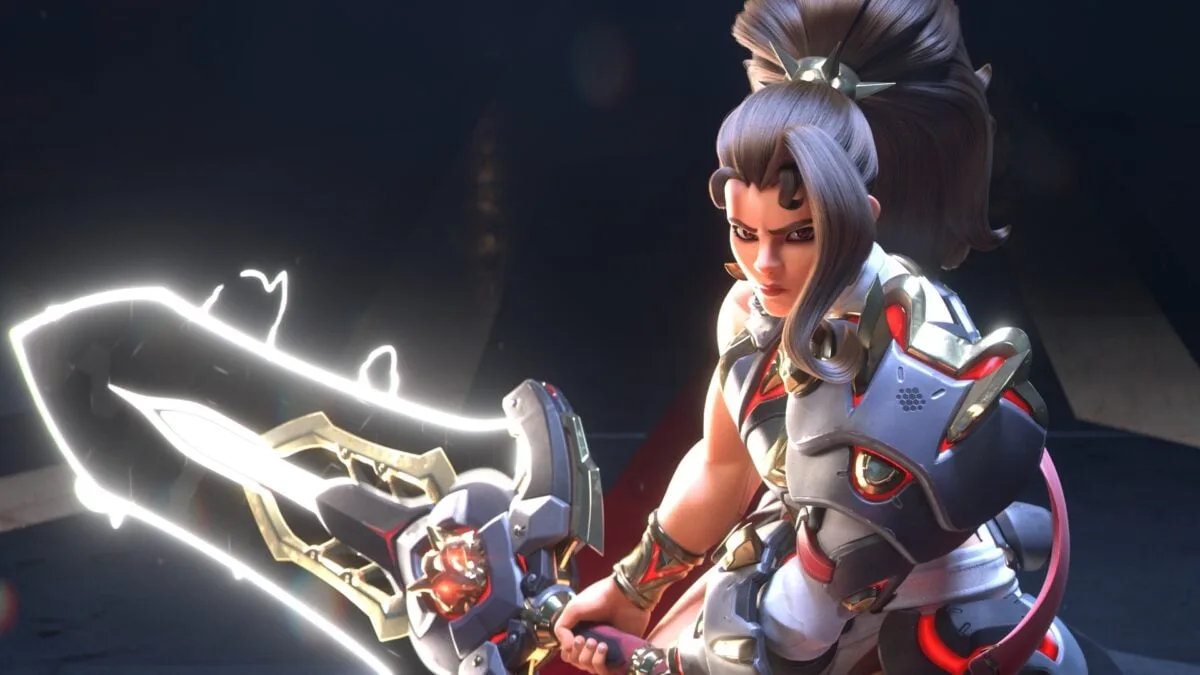
At its heart was the introduction of Vendetta, a formidable new figure whose first act was to dismantle the existing power structure of the Talon organization. The confrontation with Doomfist was not a prolonged battle but a swift, brutal coup. The visual language left little room for alternative interpretation: the severing of the cybernetic Gauntlet—the literal and symbolic source of Doomfist’s power—followed by his helpless fall into a seemingly infinite void. This is cinematic shorthand for a character’s end, a narrative punctuation mark designed to evoke finality and demonstrate the ruthless ascendancy of a new threat. For players, the shock was twofold: not only the apparent demise of a beloved character, but the realization that the lore was no longer a backdrop. It was now the main event, with permanent, visceral consequences.
Developer Deliberation: The Art of Narrative Ambiguity
In the immediate wake of the cinematic, the expected confirmation of Doomfist’s fate never came. Instead, narrative lead Miranda Moyer masterfully stoked the mystery. When pressed, she declined to confirm his death, instead tying his fate directly to his core philosophical mantra: "evolution through conflict."
"To speak definitively on Akande's fate would rob the story of its intended impact," Moyer’s statement suggested. "His entire worldview is built on the premise that conflict breeds strength and evolution. We must ask: what is the ultimate form of conflict, and what evolution could possibly follow?"
This deliberate ambiguity is a calculated narrative tool. By refusing to provide a clear answer, Blizzard has transformed a plot point into a participatory mystery. Player speculation, theory-crafting, and debate become part of the story’s fabric. This ambiguity has already fueled rampant theory-crafting, from predictions of a cybernetically-rebuilt return to the darker possibility that Vendetta's victory is absolute. It sets a powerful precedent: moving forward, Overwatch’s narrative will not simply be consumed but interrogated. The developers are choosing the potent allure of the unknown over the neat finality of a confirmation, ensuring that Doomfist’s shadow—or legend—hangs over the entire "Reign of Talon" arc.
Lore Meets Gameplay: An Integrated Narrative Future
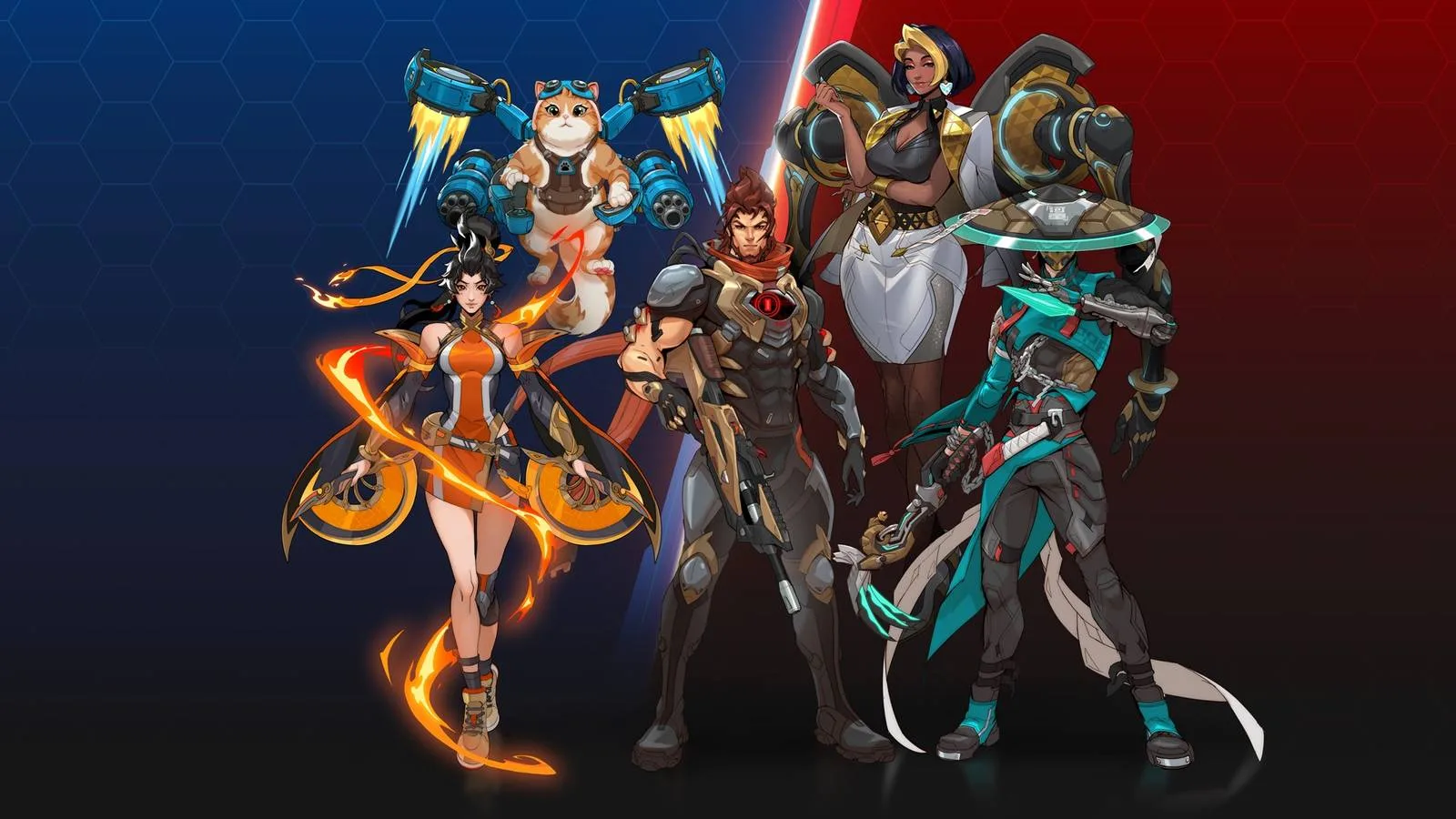
The true revolution announced alongside the cinematic is not just what is happening, but where. For the first time, major story ramifications will be integrated directly into the live PvP game client. The narrative is leaving the YouTube tab and invading the main menu.
Starting with the new season on February 10, 2026, players will witness this integration firsthand. Blizzard has confirmed the addition of new menu sections dedicated to the ongoing narrative, environmental changes to existing maps reflecting Talon’s shifting power dynamics, and crucially, updated in-match dialogue for heroes reacting to these world-altering events. This promises a living, reactive game world. Will characters mourn Doomfist, or speculate on his survival? Will maps like Rialto or Talon-related stages show new propaganda or signs of struggle? This seamless blend of lore and gameplay represents the "evolution" Moyer hinted at, making the world of Overwatch feel dynamic and consequential in a way it never has before.
A Precedent in the Balance: What Doomfist's Fate Represents
Whether Doomfist is dead or transformed, the moment is unprecedented in Overwatch’s history. The game has seen major lore events before—the "Retribution" mission, the "Zero Hour" cinematic—but these involved the "deaths" of non-playable characters like Antonio or left playable heroes like Reinhardt critically injured but recoverable. The potential permanent removal of a playable hero from the established narrative timeline is uncharted territory.
This represents a fundamental shift in stakes. If Doomfist is gone, it proves that no one, not even a cornerstone hero, is safe. It would signal that Overwatch’s storytelling is maturing, embracing permanent consequences that raise the emotional investment for the entire community. It transforms the narrative from a series of linked vignettes into a genuine saga with cost and weight. Conversely, if this is an elaborate rebirth, it demonstrates a new willingness to radically alter core characters in real-time, pushing them through transformative arcs that mirror the game’s own evolution.
The visceral, final imagery of Doomfist’s fall clashes powerfully with the purposeful ambiguity of the developers. This duality is not a flaw, but the point. Blizzard has successfully executed a dramatic narrative pivot, using a cornerstone character’s potential demise as the catalyst. "The Reign of Talon" and its integrated storytelling model are the true evolution here, irrevocably changing how players engage with Overwatch’s world. Doomfist’s philosophy has been turned back on him: the conflict of his fate has bred a new era for the game itself. The question of his survival is no longer just a plot point; it is the foundational conflict of a new, living Overwatch narrative where every player is now a participant.
Tags: Overwatch, Doomfist, Reign of Talon, Game Narrative, Blizzard Entertainment