Overwatch's Anran Redesign: How Player Backlash is Reshaping Character Design Philosophy
The launch of Overwatch ’s new story-driven era was meant to be a celebration. Instead, it was quickly overshadowed by a single, powerful hashtag: #NOTMYANRAN . The dissonance was stark. In the...

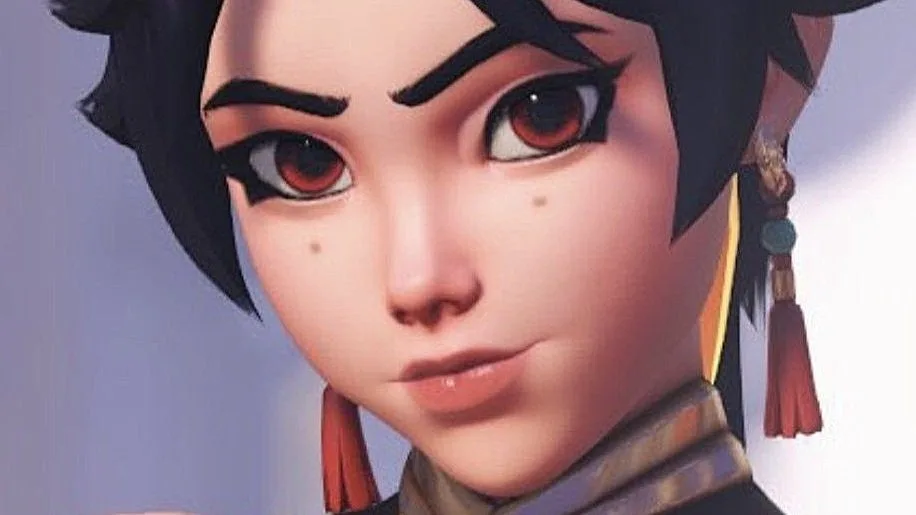
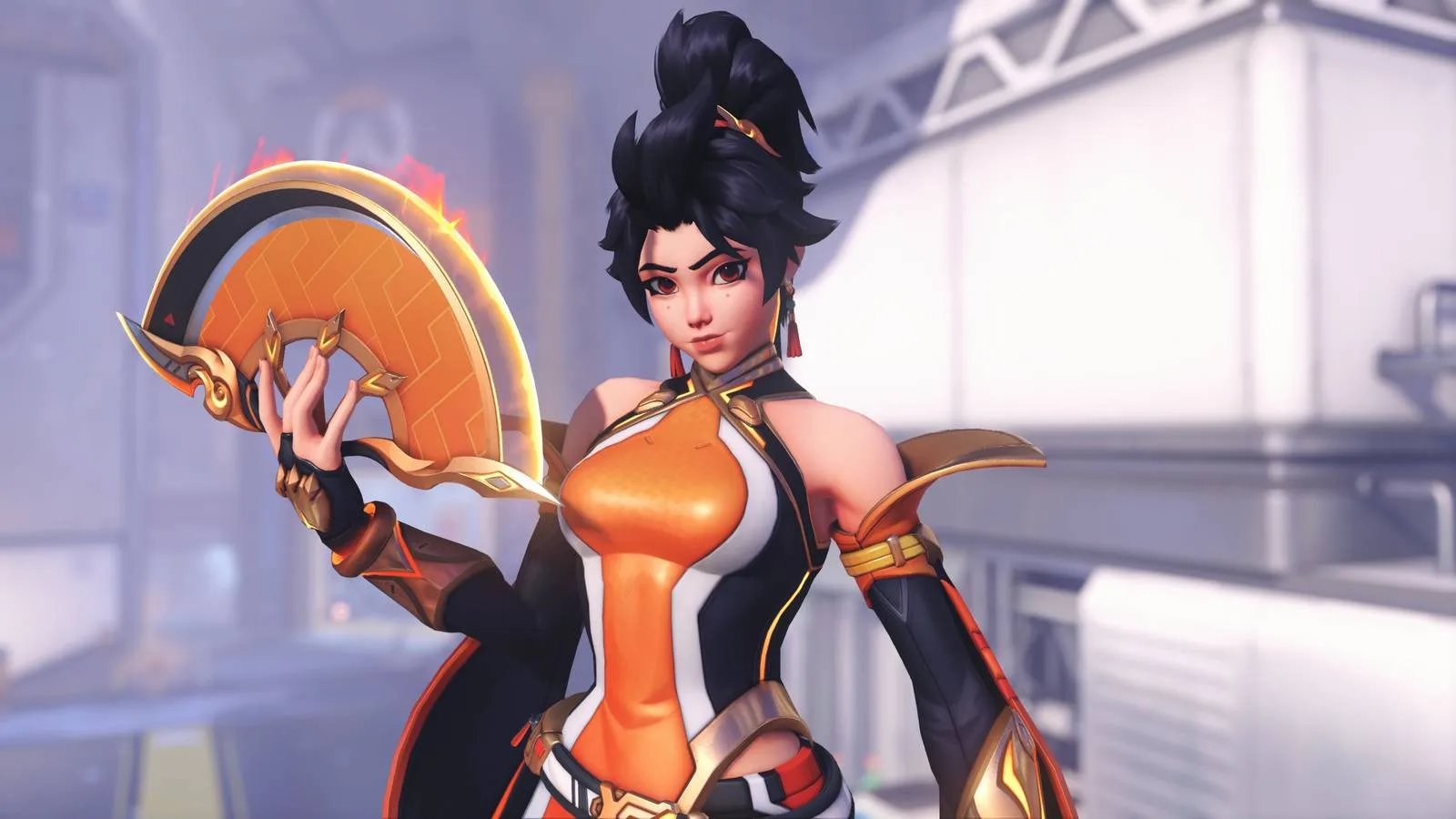
The launch of Overwatch’s new story-driven era was meant to be a celebration. Instead, it was quickly overshadowed by a single, powerful hashtag: #NOTMYANRAN. The dissonance was stark. In the stunning “Elemental Kin” cinematic and tie-in comic, the new hero Anran was introduced as a fierce, weathered protector—an “older sister” with distinct, strong features and a commanding presence. The in-game model that launched with Season 1 presented a different character: softer, with more conventionally attractive and symmetrical features that fans argued stripped her of her unique identity. The backlash was immediate, visceral, and impossible to ignore.
In a move that marks a significant moment for live-service game development, Game Director Aaron Keller directly addressed the outcry on the very day of Season 1’s launch. “We agree that she can be even better,” he stated, publicly committing the team to a redesign. This isn’t merely a patch for a new hero; it’s a pivotal case study. It raises a critical question: Is Blizzard simply fixing one character, or is this the first sign of a fundamental shift in philosophy? The Anran redesign may force the studio to rebalance the scales between artistic vision, technical efficiency, and community voice.
The Anatomy of a Backlash
The player grievance was specific and visually demonstrable. Fans pointed to clear discrepancies between Anran’s established lore and her in-game realization. The cinematic version possessed a broader nose, a stronger jaw, and an overall demeanor that sold her as a seasoned, resilient fighter. The launched model smoothed these edges, resulting in a smaller nose, a more pointed chin, and a generally “softer” or, as some described, more “docile” appearance. This wasn’t seen as an artistic iteration, but a dilution.
The criticism gained immense professional and artistic weight when Fareeha Andersen, Anran’s English-language voice actress, publicly joined the chorus. Andersen expressed disappointment that the final design felt like a departure from a character that could “challenge narrow beauty standards,” emphasizing that the softening of her distinct features undermined the fierce personality she had worked to embody. This lent the feedback an authority that transcended typical fan debate.
The movement crystallized around #NOTMYANRAN, manifesting in viral side-by-side comparisons, petition drives, and fan art that served as a direct visual brief for what the community felt was missing. This wasn’t amorphous discontent; it was a targeted, well-articulated, and visually-driven campaign that gave Blizzard a crystal-clear picture of exactly what was lost.
The Developer's Dilemma: Art vs. Pipeline
Blizzard’s initial rationale for the design direction came from Senior Producer Kenny Hudson, who provided crucial context for the team’s decisions. He explained that recent heroes are consciously designed with more conventional, symmetrical proportions and longer limbs. The reason is largely technical and economic: it streamlines the development pipeline for cosmetics.
Creating skins, mythic variants, and other cosmetics for heroes with highly unconventional silhouettes or proportions—like Wrecking Ball—has historically been a significant challenge, complicating and slowing down the content engine that fuels a live-service game. The move toward a more standardized foundation is a learned response to these operational hurdles. It represents the core conflict of modern AAA live-service development: unique creative identity versus scalable, efficient content production. In seeking to optimize the latter, Blizzard inadvertently compromised the former for Anran, creating a hero that felt built for the cosmetics pipeline first and her own story second.
"Same Face Syndrome" and a Broader Reckoning
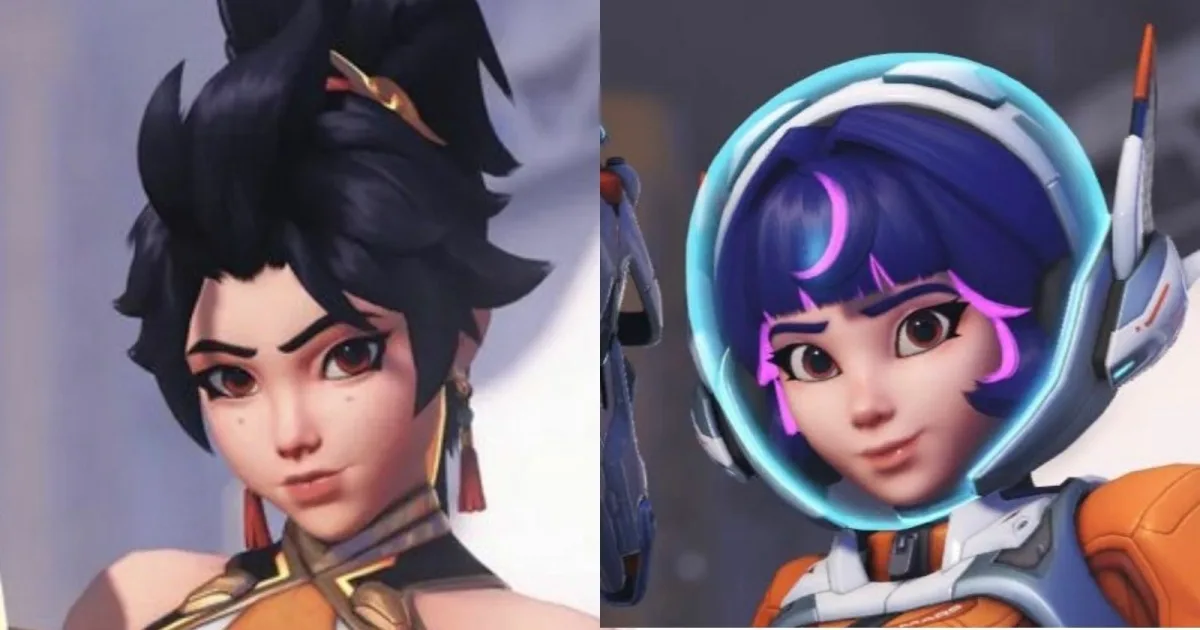
The Anran controversy did not occur in a vacuum. It acted as a catalyst, amplifying simmering player criticism regarding a perceived lack of visual diversity among newer female heroes. Discussions of “same face syndrome” had already begun, with players drawing parallels between the faces of Kiriko, Juno, and now Anran—noting a trend toward a similar archetype of youthful, conventionally pretty features.
The timing intensified the scrutiny. This backlash erupted precisely as Overwatch was executing a major rebrand, dropping the “2” and launching its long-promised narrative-focused era. This new chapter is built on the promise of deeper characterization and story. Anran’s perceived visual homogenization struck at the heart of that promise, putting the game’s renewed artistic direction under a microscope immediately out of the gate. Players questioned: If this is the era of story, why does a key new character’s visual storytelling not match her established narrative?
The Redesign Promise: Logistics and Implications
Faced with this specific backlash amplified by broader concerns, Blizzard's promise to redesign Anran carries significant technical and philosophical weight. Aaron Keller’s commitment is clear: visual updates are targeted for implementation during Season 1. However, he tempered expectations with a crucial caveat: hero model changes are complex, affecting hitboxes, animations, and every existing and future cosmetic, requiring rigorous testing. This isn’t a simple texture swap.
A successful redesign, therefore, must walk a tightrope. It needs to recapture the “fierce older sister” essence from the cinematic—likely by restoring some of her stronger facial features—while still functioning within the practical constraints of the game’s technical and cosmetic pipeline. It may represent a compromise, but one that leans decisively back toward artistic intent.
The broader implications are substantial. This public, developer-acknowledged course correction sets a powerful new precedent. It signals that cohesive character identity, as defined by both the developers and the community, can be prioritized even post-launch, potentially altering the cost-benefit analysis of future hero design. Does this mean the pipeline will change? Not necessarily. But it does mean that the “efficiency” of standardized design will now be weighed more heavily against the risk of community rejection and the subsequent resource drain of a public redesign.
The Anran situation is a watershed moment for Overwatch. It forced a rare, public conversation about the trilogy of forces that shape a modern hero: artistic vision, technical practicality, and player reception. The community spoke with a unified voice, the developers listened and responded publicly, and now the difficult work of reconciliation begins.
The success of Anran’s redesign will be more than just a fix for one hero; it will be a major test of Blizzard’s ability to adapt its operational model. It challenges the studio to prove it can deliver the scalable content a live-service game demands without sacrificing the distinctive, character-driven design that made Overwatch’s roster iconic in the first place. The outcome will likely reshape not only Anran’s face but the visual philosophy guiding Overwatch’s future. This could manifest as a new, more flexible standard for hero features, a public design preview phase for future characters, or a dedicated "character identity" checkpoint in the development pipeline. The precedent set here will define how the studio navigates the delicate balance between art, efficiency, and community for years to come.
Tags: Overwatch, Game Development, Character Design, Community Feedback, Live Service Games