Overwatch Reborn: How Blizzard's Major Revamp and "Reign of Talon" Plan to Redefine the Game
In a move that signals a profound strategic shift, Blizzard Entertainment has officially sunset Overwatch 2 . The game is reverting to its original, iconic title: Overwatch . This is far more than a...

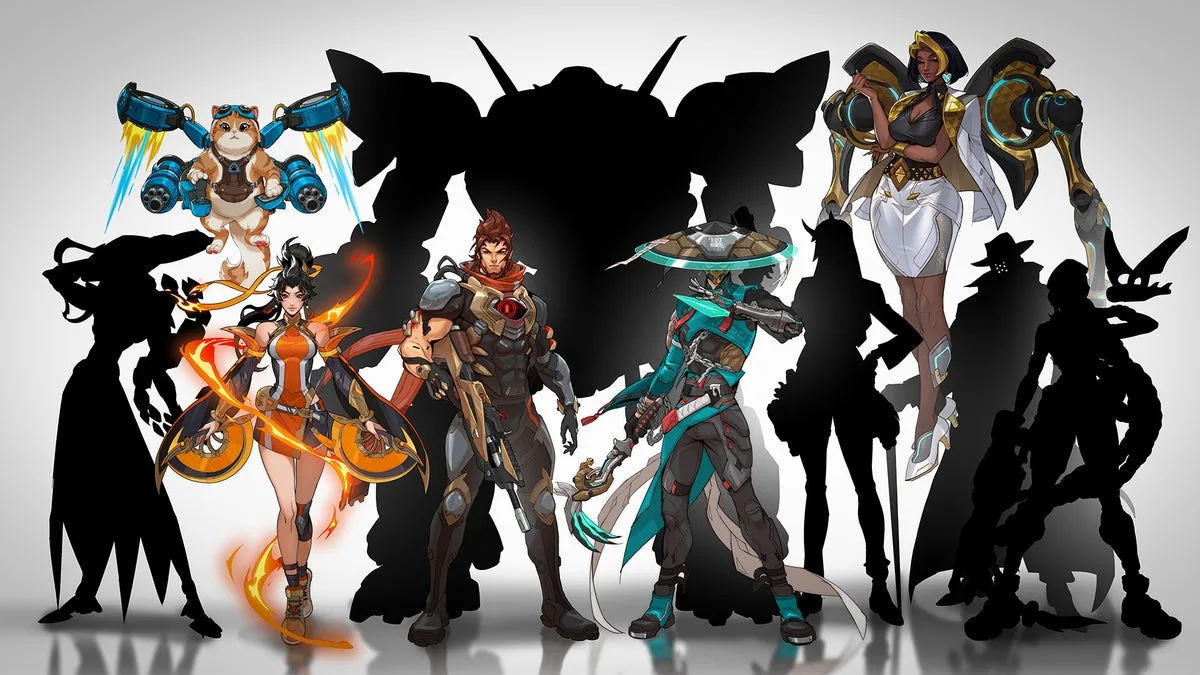
In a move that signals a profound strategic shift, Blizzard Entertainment has officially sunset Overwatch 2. The game is reverting to its original, iconic title: Overwatch.
This is far more than a nostalgic callback; it’s the cornerstone of a sweeping reinvention designed to unify the community and redefine the game’s future. Announced alongside an ambitious, multi-year roadmap, this pivot aims to replace the confusion that plagued Overwatch 2’s live-service launch with a new model of clarity and consistent, cinematic evolution. The centerpiece is an annual narrative expansion model, kicking off in 2026 with "The Reign of Talon." This grand plan—featuring an unprecedented hero drop, deeply integrated storytelling, and a fresh platform launch—represents Blizzard's most concerted effort yet to deliver the cohesive, ever-evolving experience fans have awaited for nearly a decade.
Shedding the "2": The Philosophy Behind the Rebrand
Dropping the "2" is a loaded decision, rich with symbolism and practical intent. It represents a decisive end to the era of sequels and a commitment to a single, unified, and perpetually evolving game world. The "2" had become synonymous with a fractured identity, separating the PvE promise from the PvP reality and creating a content dichotomy for players. By reverting to Overwatch, Blizzard is signaling a return to a singular vision.
This vision is built on a new foundational model: annual, cinematic narrative expansions. Moving away from the sometimes-erratic seasonal updates, the game will now structure its years around a continuous, year-long story arc, much like a premium MMO or live-service titan like Destiny 2. The focus shifts from disparate themed events to a persistent, unfolding war. The inaugural narrative, "The Reign of Talon," sets the stage for 2026, promising to weave story directly into the fabric of gameplay, lore, and community events from February onward.
The 2026 Onslaught: Heroes, Maps, and a Narrative War
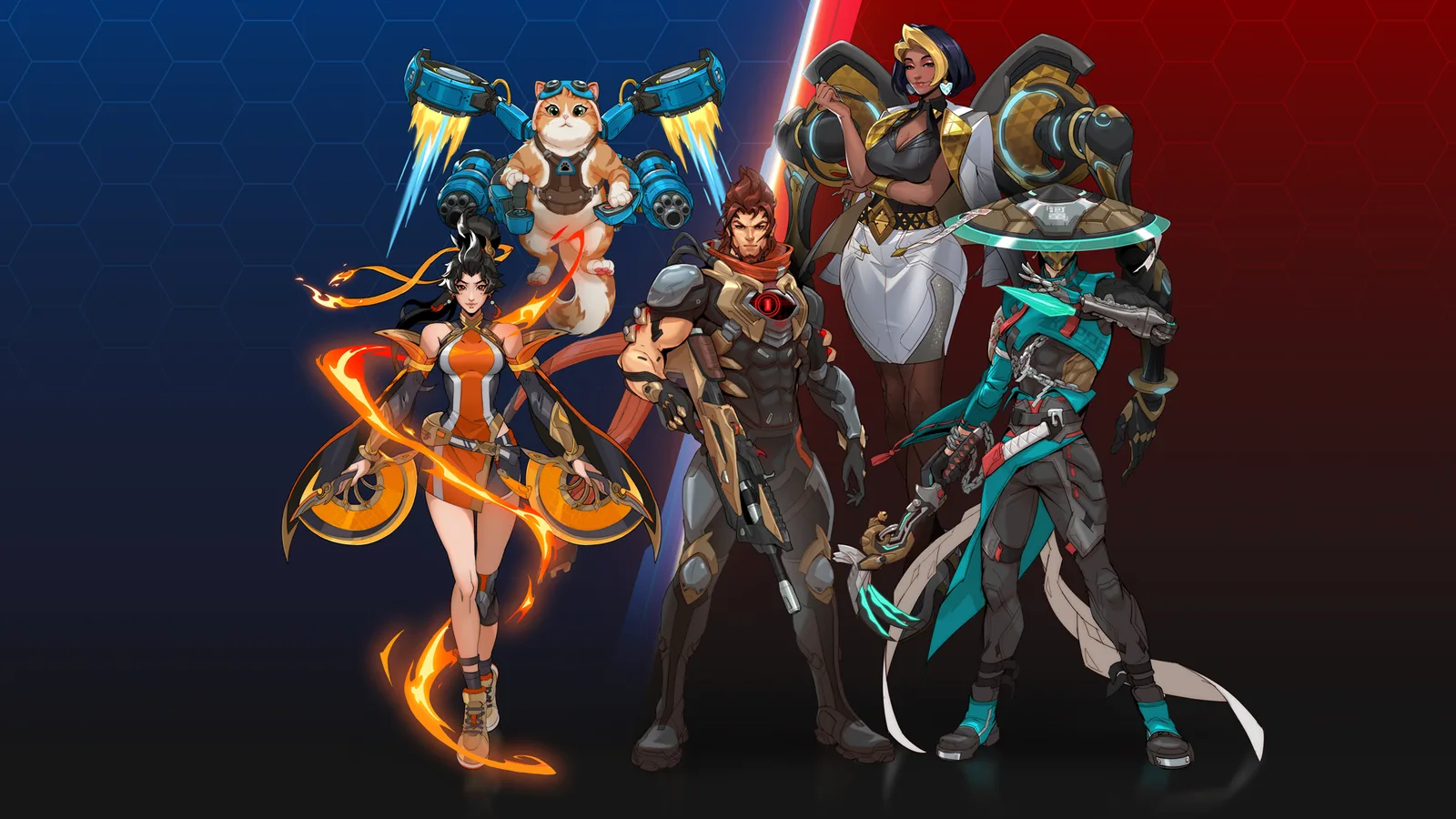
The scale of content planned for 2026 is staggering, designed to make an immediate and undeniable impact. A total of 10 new heroes are slated for the year, a number that dwarfs recent annual outputs. The most dramatic statement comes on Tuesday, February 10, 2026, when the game resets to Season 1 and launches with five new heroes simultaneously—the largest single hero drop in the franchise’s history.
This launch cadre is deeply tied to the new narrative, split between the forces of Talon and Overwatch:
- Talon's Vanguard: Domina (a Tank using hard-light barriers), Emre (a Damage hero described as a classic FPS archetype), and Mizuki (a Support who heals by throwing his hat).
- Overwatch's Response: Anran (a flame-based, high-mobility Damage assassin, available for a hero trial from February 5-10) and the long-rumored, community-favorite Jetpack Cat (a Support capable of indefinite flight and towing allies).
Supporting this hero onslaught are two new core maps and the five-week "Conquest" faction war event, where players will choose a side (Overwatch or Talon) to earn unique rewards. Crucially, the story will move beyond cinematics. Narrative will be integrated via a new in-game Narrative Viewer for comics and, most impressively, through live map changes. Locations like Watchpoint: Gibraltar will undergo structural alterations reflecting the ongoing war, making the battlefield itself a storytelling device.
Evolving the Gameplay: Sub-Roles, Reworks, and New Modes
Beyond new characters and stories, Blizzard is implementing systemic changes to deepen strategic play. The introduction of sub-roles—such as Flanker, Medic, Brawler, and others—adds a new layer of identity to each core hero. Each sub-role will come with a unique passive perk, allowing for more nuanced team compositions and clearer in-game role understanding. This evolution is complemented by planned reworks for existing heroes, promising significant meta shifts and refreshed gameplay for veteran characters.
The MOBA-inspired Stadium mode is receiving an icon overhaul to improve clarity, and in a welcome nod to community sentiment, post-match accolades are making a return. These changes collectively point to a development philosophy focused on refining the core competitive and social experience while introducing meaningful new strategic depth.

A New Look and New Platforms: UI, Switch 2, and Future Teasers
The revamp extends to the game's presentation and accessibility. A full user interface overhaul is promised, aiming to modernize and streamline the player experience. The centerpiece is a new, immersive 3D hero lobby, designed to make roster browsing and customization more dynamic.
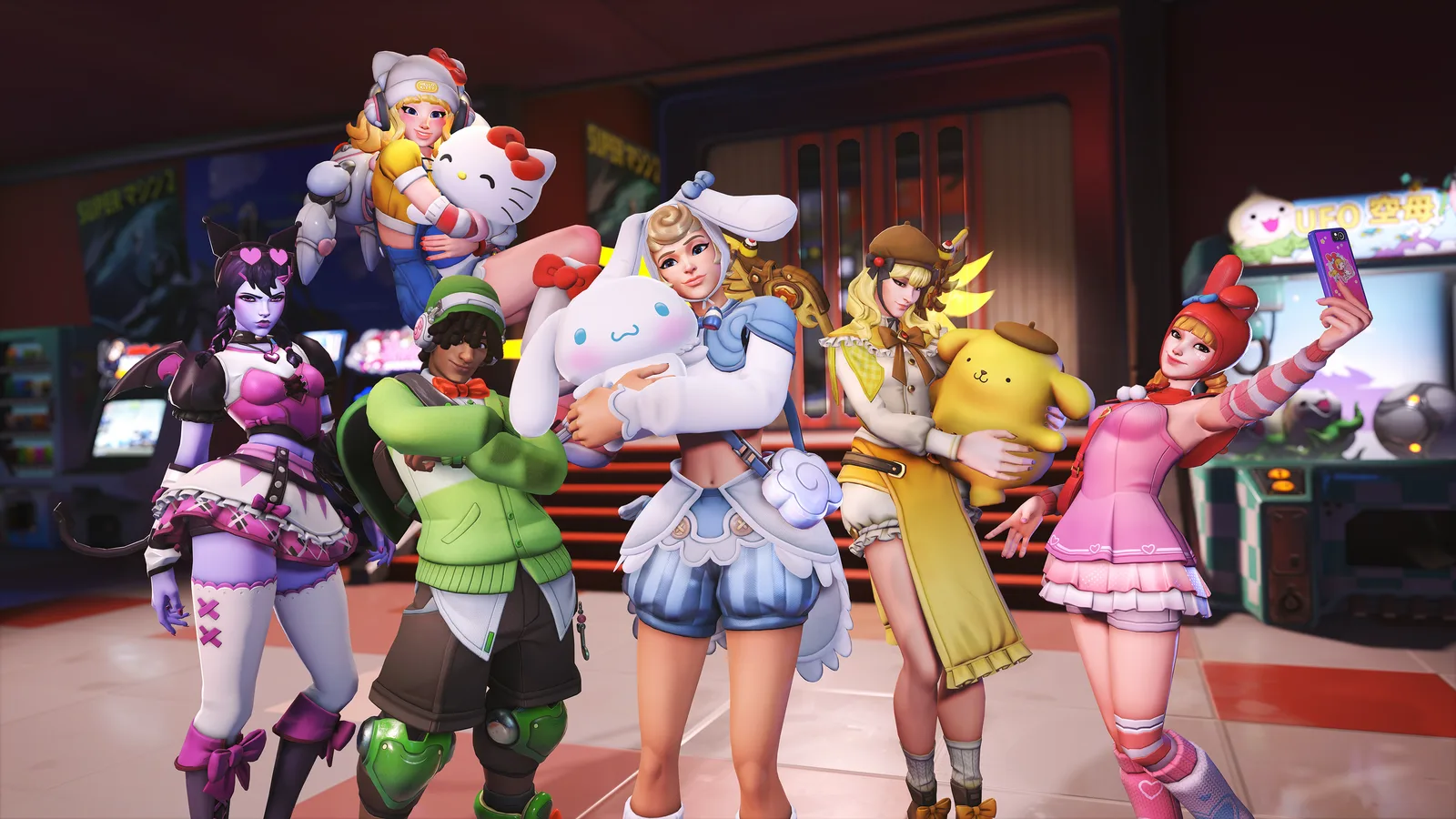
In a major platform expansion, a dedicated Nintendo Switch 2 version of Overwatch is confirmed for launch with Season 2 (expected around April 2026). This move not only brings the game to a new generation of handheld hardware but also significantly broadens its potential player base. Looking further ahead, Blizzard teased the development of Mythic skins for popular heroes like Soldier: 76, Ana, and Genji, and unveiled an unexpected, whimsical Hello Kitty collaboration, showcasing a commitment to diverse content streams.
The Competitive Landscape: Esports in the New Era
This renaissance is also a direct shot in the arm for Overwatch esports. The 2026 competitive calendar is set to be grand, with the Overwatch Champions Series (OWCS) World Finals scheduled for China and the prestigious Overwatch World Cup returning to the stage at BlizzCon 2026. The influx of 10 new heroes, the sub-role system, and hero reworks will inevitably create the most volatile and fresh professional meta in years. The new sub-role framework, in particular, provides a fresh vocabulary for casters and analysts to dissect team compositions and strategy, potentially revitalizing both viewership and strategic intrigue. This renewed institutional focus suggests Blizzard is intent on reinvigorating the competitive scene as a pillar of the game's ecosystem.
The sheer scale of this revamp—from its foundational rebrand to the content-packed, narrative-driven roadmap for 2026—marks it as one of the most significant course corrections in live-service history. It directly addresses long-standing criticisms of content droughts and a disjointed vision by presenting a clear, ambitious, and unified path forward. "The Reign of Talon" is positioned not merely as an expansion, but as the opening chapter of Overwatch’s definitive era. The success of this ambitious reset hinges entirely on the consistent execution of this very roadmap. When the Talon banners are raised on February 10, 2026, it won't just be a new season starting; it will be an invitation for both lapsed agents and active operatives to witness the true rebirth of a legend.
Tags: Overwatch, Blizzard, Reign of Talon, Game Updates, Hero Shooter