Obsidian's Crossroads: Why Outer Worlds 3 is Shelved, Avowed's World Endures, and a Studio Rebuilds
The "Year of Obsidian" and Its Aftermath The marketing triumph of 2025 masked an internal contradiction that has since come to light. While Xbox celebrated the output, key figures within Obsidian...

The "Year of Obsidian" and Its Aftermath
The marketing triumph of 2025 masked an internal contradiction that has since come to light. While Xbox celebrated the output, key figures within Obsidian viewed the compressed schedule as a symptom of deeper issues. Studio design director Josh Sawyer offered a candid, internal critique, stating that releasing three games in one year was “not good” and was explicitly “the result of things going wrong.” This wasn't sustainable success; it was a bottleneck finally bursting.
The commercial results laid bare the problem. According to studio head Feargus Urquhart, both Avowed and The Outer Worlds 2 delivered “disappointing” sales that failed to meet Microsoft’s expectations. Urquhart was careful to note that neither title was a “disaster,” but the underperformance was stark. In direct contrast, Grounded 2, launching in early access, became a commercial hit for the studio. The dichotomy was clear: the studio’s smaller-scale, community-driven project thrived, while its two massive, half-decade-long RPG endeavors stumbled out of the gate. The “Year of Obsidian” ultimately highlighted a strained development model leading to burnout and commercial underperformance.

The Fate of Two Franchises: Outer Worlds Paused, Avowed's World Expands
In the wake of these results, Obsidian has made decisive, if divergent, choices about its flagship universes. The studio has confirmed there are no plans to develop The Outer Worlds 3. Work on a third entry is not underway, and the future of the satirical sci-fi series is now officially uncertain. This marks a dramatic pause for a franchise that, with its first entry, was heralded as a spiritual successor to Fallout: New Vegas.
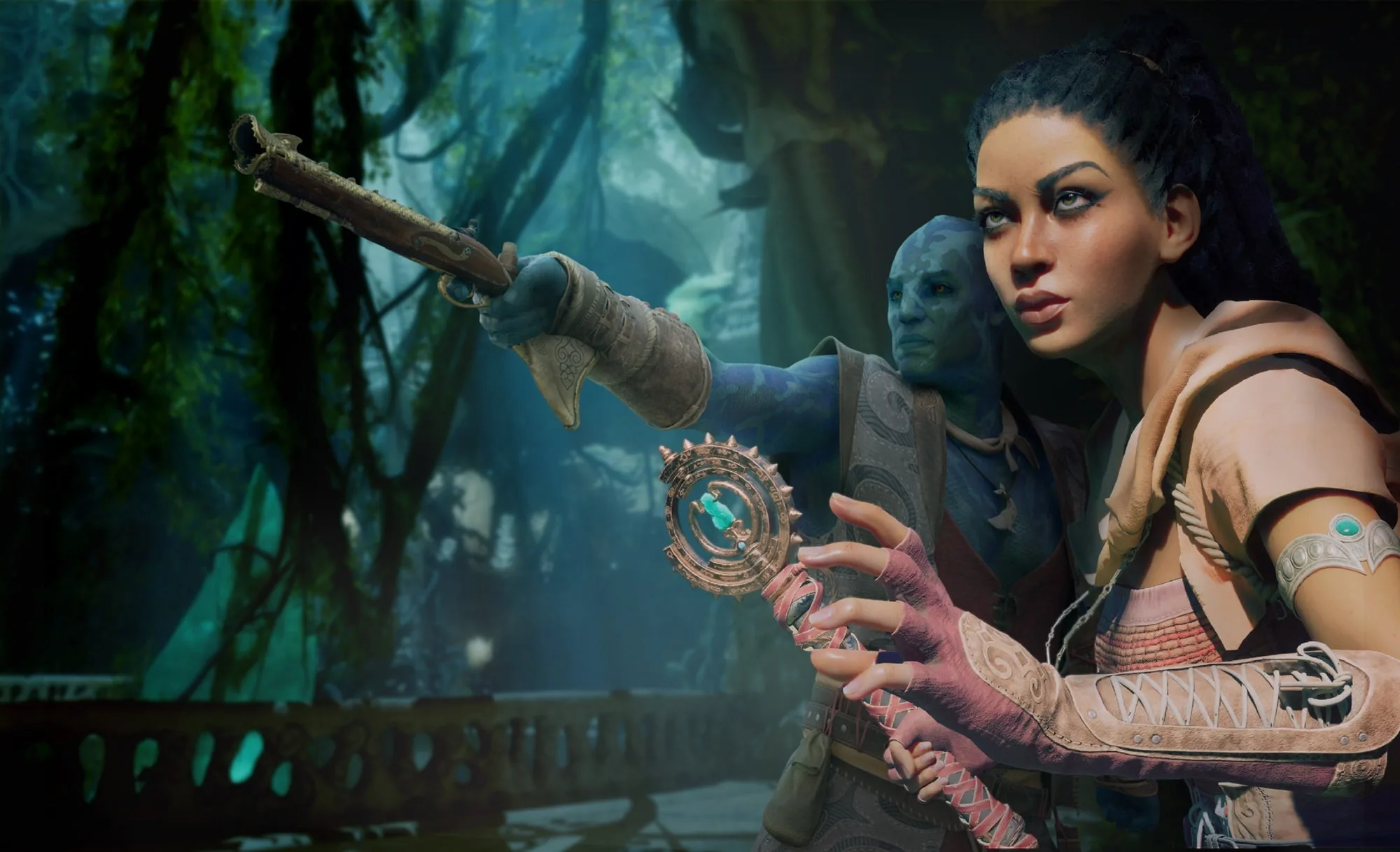
Conversely, Obsidian has reaffirmed its commitment to the world of Eora—the setting of both Avowed and the Pillars of Eternity series. The studio plans to continue making games set in the Avowed universe, though it’s crucial to note this does not guarantee a direct Avowed 2 sequel. This divergent treatment reflects the new strategic calculus: pausing a franchise that may require another massive, risky investment (The Outer Worlds), while nurturing an IP with a dedicated core audience and a more immediately actionable path to growth (Avowed).
The reasons for this split are multifaceted. The Avowed/Pillars universe boasts over a decade of deep, established lore, providing a richer foundation for new stories. Furthermore, Avowed is being granted a significant second chance: a PlayStation 5 launch and a major content update. The Outer Worlds 2, while not getting a sequel greenlit, is still receiving continued support with new content, but its narrative arc appears to have reached its endpoint for now.

Rebuilding the Machine: Obsidian's Development Reboot
The core takeaway for Obsidian’s leadership was not just about marketing or timing, but about a broken process. The studio is now publicly committed to a drastic overhaul, with the primary goal of slashing development cycles. The over six years each taken by Avowed and The Outer Worlds 2 is now seen as an unsustainable model. The new target is to bring projects from conception to release in three or four years.
This reboot is a direct response to the specific challenges that plagued their recent titles. Avowed’s development was famously rebooted after being originally conceived as a multiplayer game. The Outer Worlds 2 grappled with significant pandemic-related disruptions and persistent technical hurdles. These elongated cycles strained resources, evaporated momentum, and, as Sawyer pointed out, made proper release scheduling impossible, leading to the 2025 crunch. The new focus is on managing resources, spacing out releases to prevent team burnout, and regaining operational stability. This recalibration explains the studio’s current focus: maintaining live-service support for Grounded 2 and The Outer Worlds 2 while prototyping new, unspecified projects under this faster, leaner mandate.
Avowed's Second Life: The PS5 Launch and Roadmap
The first major test of Obsidian’s refined strategy is the revitalization of Avowed. The game is scheduled for a PlayStation 5 launch on February 17, 2026, a move that instantly expands its potential player base by millions. This cross-platform release will be bolstered by a substantial anniversary update, free for all players on Xbox, PC, and PS5.
This update is far from a simple port. It includes highly requested features that signify a long-term investment: a New Game Plus mode for renewed playthroughs, the addition of new playable races and weapon types to deepen RPG customization, and a Photo Mode to engage the community. This isn’t just post-launch support; it’s a strategic effort to re-package and re-present Avowed as a more complete, expansive experience. The PS5 launch and substantial update represent a calculated second attempt to achieve the commercial performance that eluded the game initially. The enduring value of the Avowed IP hinges on the success of this initiative.
Obsidian Entertainment stands at a pivotal transition. It is a studio learning from commercial disappointments but refusing to be defined by them. The “spray and pray” model of 2025 has been replaced by a pragmatic philosophy of sustainability and focus, directly informed by the success of the leaner Grounded 2 and the unsustainable six-year cycles of its bigger RPGs. The shelving of The Outer Worlds 3 is a painful but necessary correction, while the doubling down on the world of Eora represents a bet on legacy and depth over rapid iteration. The studio’s revered legacy, built on games like Star Wars: Knights of the Old Republic II and Fallout: New Vegas, now depends on proving that a sustainable, focused process can produce games that resonate as deeply as those made in the crucible of crunch. The “Year of Obsidian” was a burst pipe; the years to come must demonstrate a rebuilt plumbing system.