Nvidia RTX Spark Battery Promise: "Better Than Anything You've Seen" - But the Fine Print Changes Everything
The Bold Promise vs. the Harsh Reality Aevermann's claim was unequivocal: RTX Spark gaming battery life will be "much better than anything you've seen before on RTX laptops." He added that for light...

The Bold Promise vs. the Harsh Reality
Aevermann's claim was unequivocal: RTX Spark gaming battery life will be "much better than anything you've seen before on RTX laptops." He added that for light workloads, "you won't need a charger." These are powerful statements from a company that has long defined the high‑performance gaming laptop market, a market where unplugged gaming sessions are measured in minutes, not hours.
But here is the rub. When pressed on full‑load gaming at the chip's maximum 80W TDP, Aevermann conceded that laptops will only get "45 minutes to an hour" on battery. That is essentially the same endurance as any current high‑performance gaming laptop. The improvement, then, applies to average workloads, browsing, video streaming, light creative work, not to peak gaming performance.
This creates a clear tension. Nvidia's marketing implies all‑day unplugged gaming, but the fine print reveals the claim is relative to a historically low baseline. Previous RTX laptops barely lasted 45 to 90 minutes under load. The real win here is for idle and light use, where the chip sips single‑digit watts. Yet Nvidia provided no concrete battery life metrics, performance‑per‑watt charts, or direct comparison data at the announcement, a notable omission that PC Gamer and The Verge flagged during the Computex briefings.
The Engineering Behind the Efficiency Leap
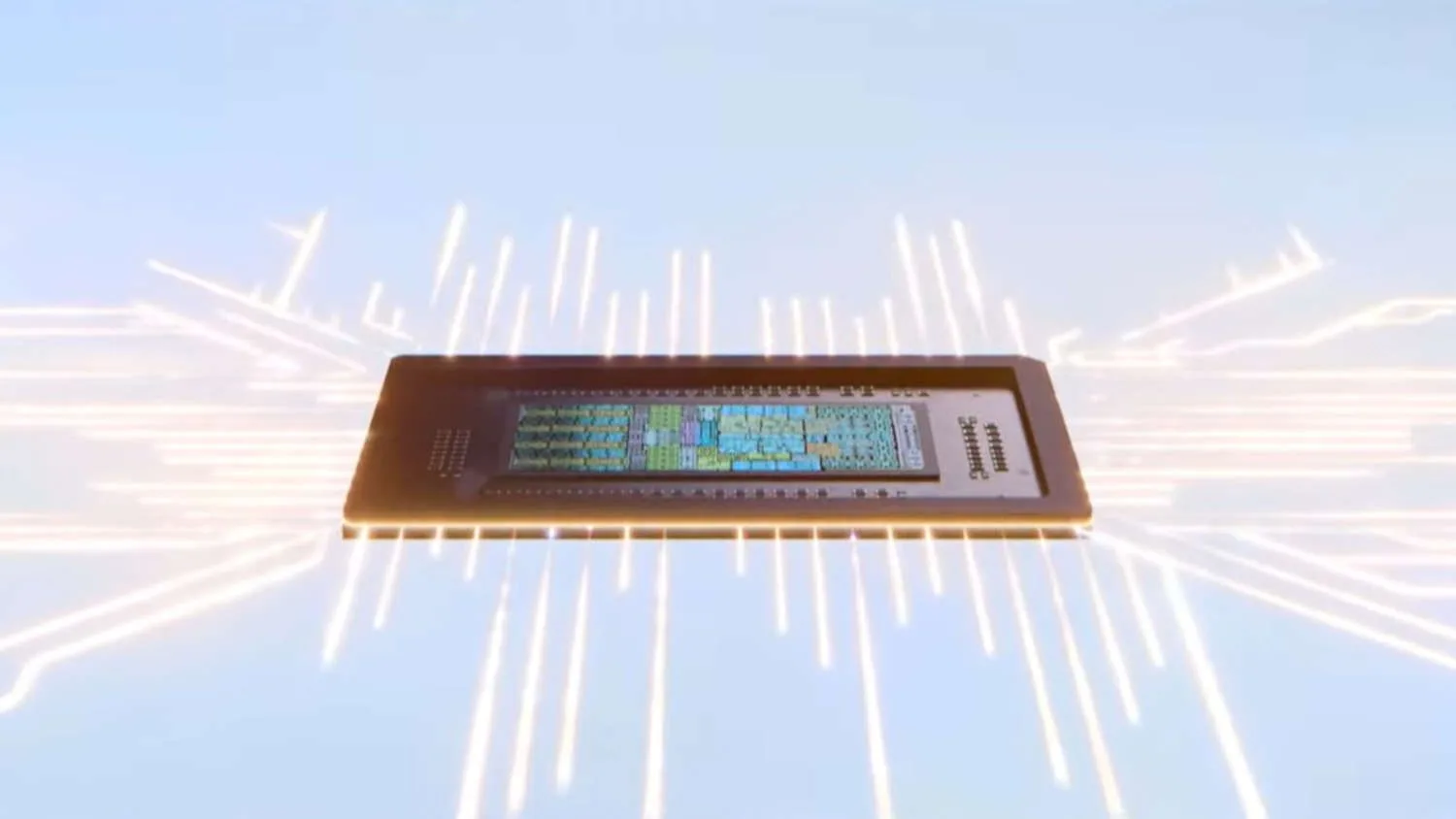
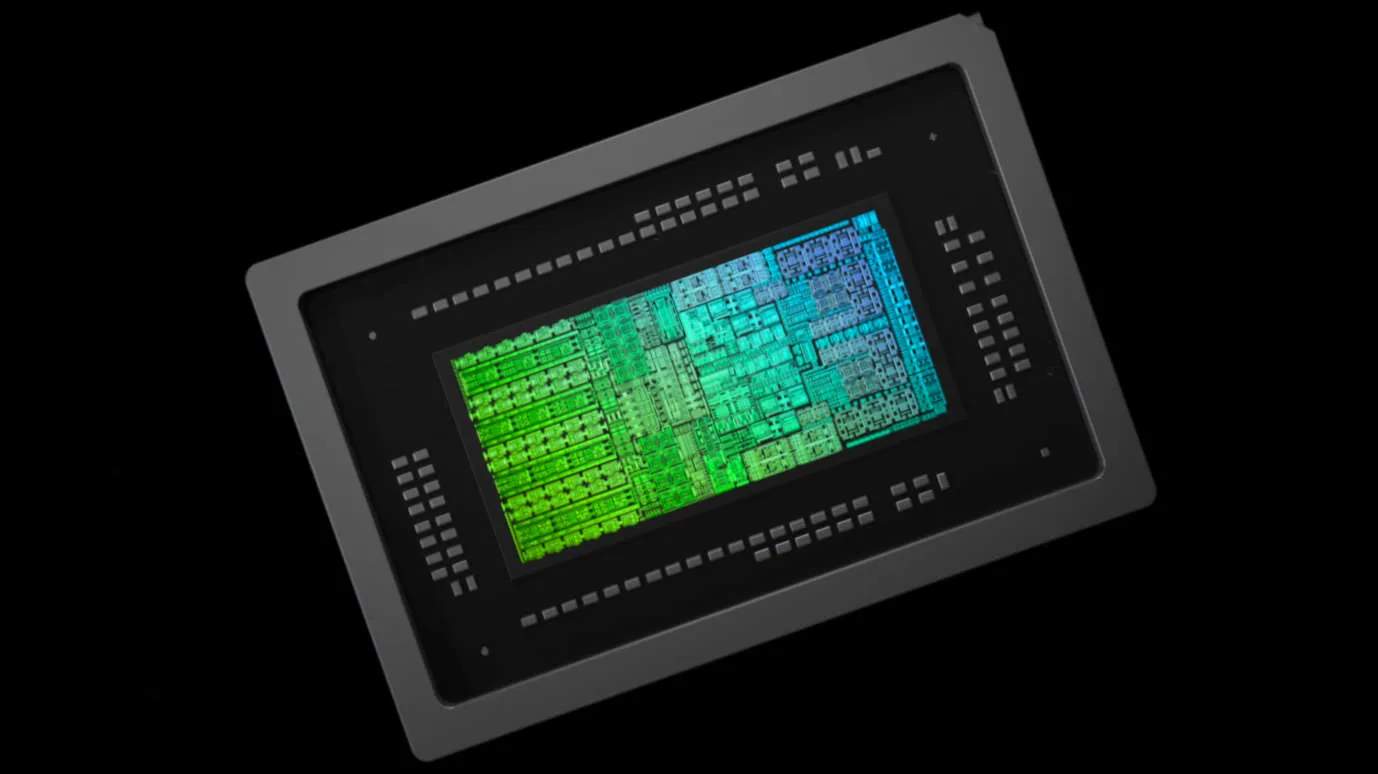
The RTX Spark is not just another graphics chip. It is an Arm‑based Grace Blackwell SoC, built on TSMC's 3nm process with 70 billion transistors. The chip integrates up to 20 Grace CPU cores, 6,144 Blackwell CUDA cores, 128GB of unified LPDDR5x memory, and 1 petaflop of FP4 AI performance. It is derived from Nvidia's DGX Spark personal AI supercomputer launched in 2025, but now repurposed for thin‑and‑light Windows laptops.
The key to its battery life claim lies in the architecture's power scaling. The RTX Spark can dial down to "low, low single‑digit" watts at idle, and scale up to 80W at maximum. This is a massive efficiency range compared to traditional x86 CPU plus discrete GPU combos, which often waste power on idle components and require data transfers between separate memory pools. The unified memory architecture eliminates those power‑hungry CPU‑to‑GPU transfers, while Windows optimizations, workload profile scheduling (WPS) and the Microsoft Power and Thermal Framework (MPTF), further improve power management.
This efficiency allows laptops as thin as 14 millimeters and as light as 3 pounds. That is a dramatic form‑factor shift from the chunky RTX gaming laptops we are used to. True portability is now on the table, provided you are willing to accept the performance envelope of a fully integrated SoC.
Performance, Form Factor, and the Trade‑Offs
On paper, the RTX Spark's gaming performance is impressive. Nvidia claims it delivers roughly the graphical power of an RTX 5070 mobile GPU, capable of running Indiana Jones and the Great Circle at 1440p at 100 frames per second on battery power. For a 3‑pound, 14mm laptop, that is remarkable.
However, the RTX Spark is a fully integrated SoC with no support for discrete GPUs. This means no future expansion via desktop GPUs, no upgrade path for the GPU component. It is a one‑chip solution, not a modular platform. For gamers who value upgradability or who want to push beyond the chip's limits, this is a significant limitation.
Over 30 laptop models and more than 10 desktop models are planned from major OEMs including ASUS, Dell, HP, Lenovo, Microsoft Surface, MSI, Acer, and Gigabyte, launching in fall 2026. The first device is Microsoft's Surface Laptop Ultra, which Surface chief Andrew Hill called "the most powerful thing we've ever made." Pricing is expected to start around $1,500 for entry‑level configurations, though final numbers remain unconfirmed. The form factor revolution is real, but it comes at the cost of raw sustained power: heavy gamers will still be tethered to a charger for extended sessions.
Ecosystem Challenges, Windows on Arm, Game Compatibility, and the "Real" Gamers
Perhaps the biggest unknown is the software ecosystem. RTX Spark runs Windows on Arm with Prism x86 emulation. Nvidia is working with Easy Anti‑Cheat, BattlEye, and Denuvo to ensure compatibility, critical for multiplayer and DRM‑protected titles. Riot Games is bringing League of Legends and VALORANT natively to Arm, but many other popular titles remain unconfirmed. Emulation overhead could affect performance in some games.
The success of RTX Spark for gamers hinges on the maturity of the Arm gaming ecosystem. Without broad native support, the "better battery life" promise may ring hollow if games do not run well or require compromises. Nvidia and Microsoft have co‑optimized Windows for the chip, but early adopters will likely face compatibility hurdles. The true test will be in real‑world usage, not carefully controlled demos.
Where the Real Value Lies
Nvidia's claim is technically true for light workloads, but gamers expecting all‑day unplugged gaming will be disappointed. RTX Spark represents a genuine engineering achievement in power efficiency and form factor, yet the "better than anything you've seen before" is a low bar set by years of power‑hungry discrete GPU laptops. The real value for gamers lies in the ability to play AAA titles at 1440p on a 3‑pound, 14mm laptop for short bursts, while also having a machine that lasts a full workday for productivity. For the first time, a high‑performance Windows laptop can genuinely be carried everywhere, just don't expect to game unplugged for more than an hour. The RTX Spark is a marvel of efficiency, but it is not a desktop replacement.