Nioh 3's Unwavering Challenge: Why Team Ninja Rejects Difficulty Settings
In an industry increasingly focused on customizable experiences, one studio’s stance remains unshakably rigid. As the February 6, 2026, launch of Nioh 3 approaches, Game Director Masaki Fujita has...

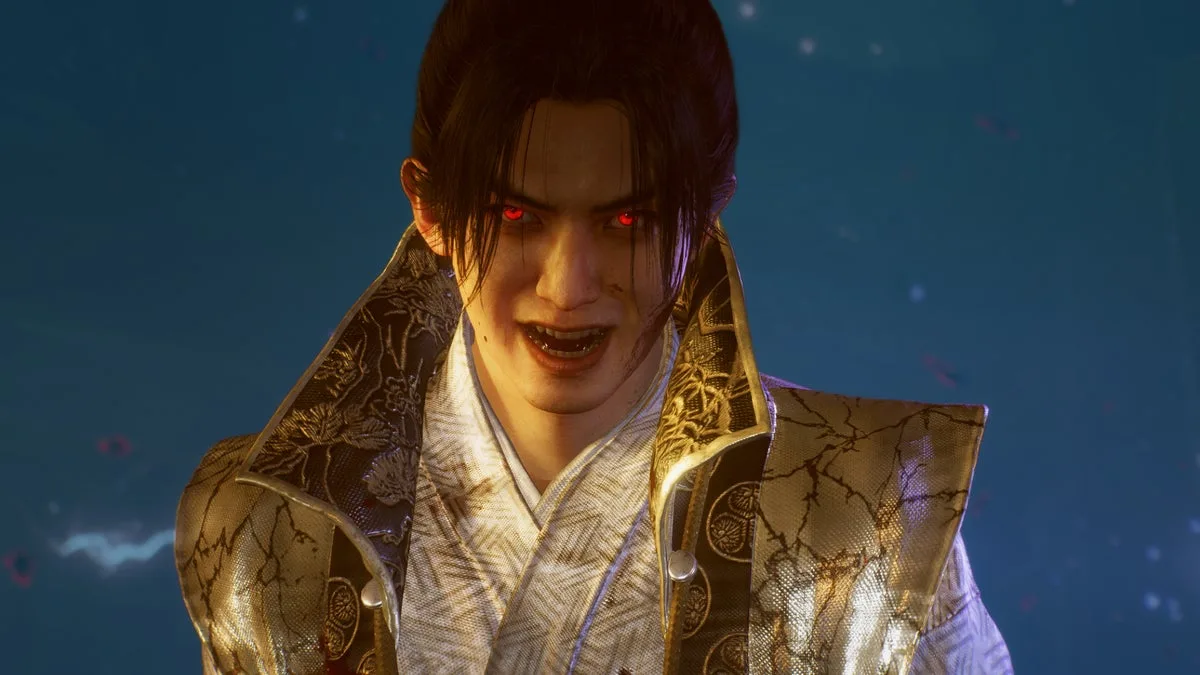
In an industry increasingly focused on customizable experiences, one studio’s stance remains unshakably rigid. As the February 6, 2026, launch of Nioh 3 approaches, Game Director Masaki Fujita has delivered a definitive statement: adding traditional difficulty settings has never been considered. This stance places Team Ninja at the heart of the industry's heated debate on accessibility versus artistic vision. For Fujita and his team, the challenge is not a barrier to be lowered, but the very essence of the experience to be mastered. As Nioh 3 prepares to unleash its refined brand of punishment on PlayStation 5 and PC, we examine the philosophy behind this design choice and what it means for the evolution of the series' unique "masocore" identity.
Defining "Masocore": Team Ninja's Design Identity
To understand Team Ninja's stance, one must first understand its self-defined genre. While the gaming community quickly labeled Nioh a "Soulslike," the studio itself coined a different term: "masocore." This portmanteau of "masochist" and "hardcore" is more than a cheeky label; it's a deliberate declaration of design intent.
The term "Soulslike" often centers on a specific formula of interconnected worlds, bonfire-like checkpoints, and punishing combat. Team Ninja's "masocore," however, shifts the focus from the structure of the challenge to the psychology of overcoming it. It describes an experience built on player perseverance, where triumph is not a given but an earned reward. Crucially, as the studio has clarified, creating a difficult game was not their primary goal. The inspiration from Dark Souls was present, but the core ambition was always to capture the lethal, split-second tension of a cinematic samurai duel. The notorious difficulty is a byproduct of pursuing that authentic, high-stakes feeling, not the end goal itself.
The Philosophy of a Singular Challenge
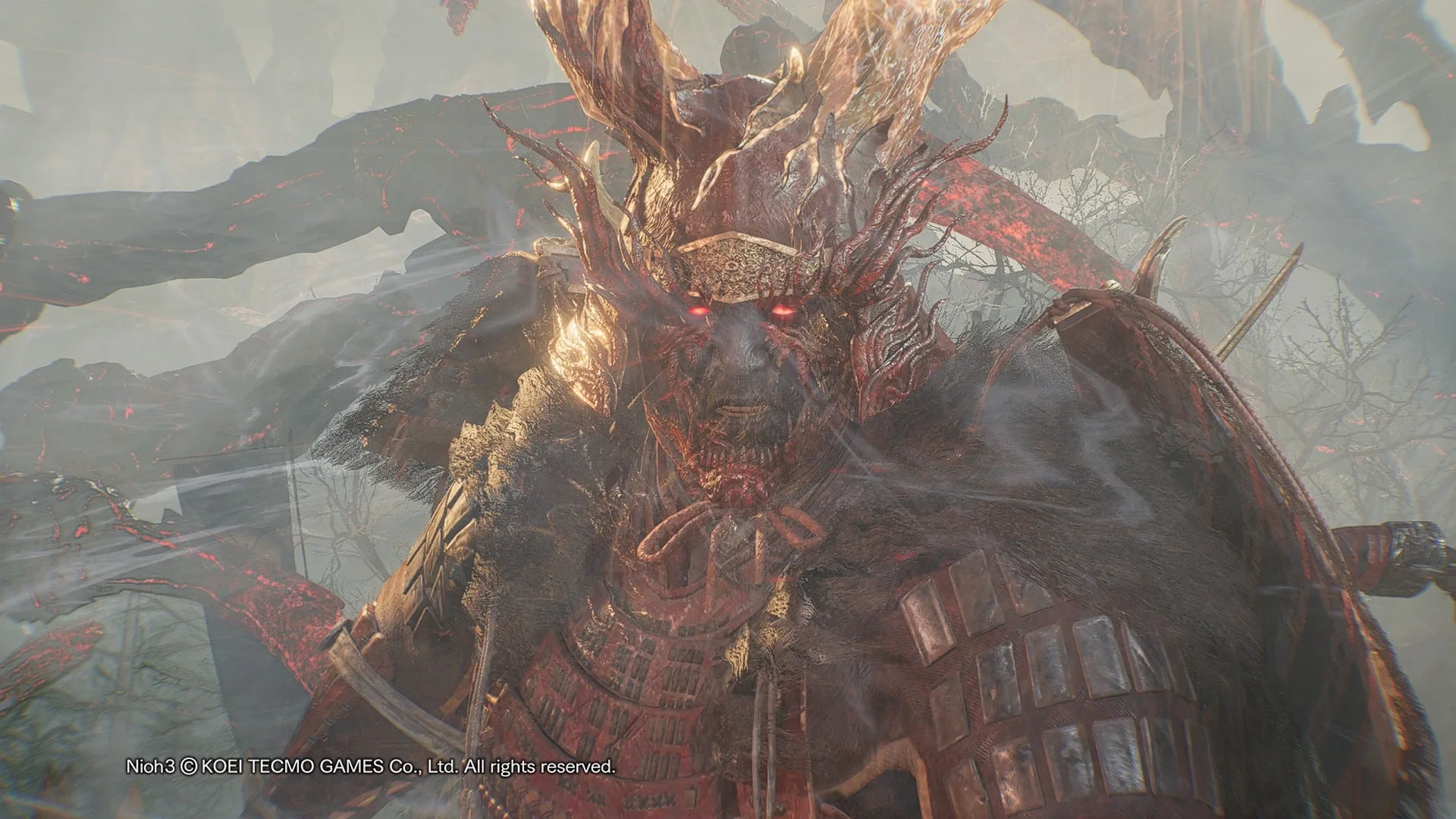
Game Director Masaki Fujita's statement is remarkably absolute: the concept of implementing selectable difficulty settings has never been on the table. This isn't a recent development for Nioh 3; it's a foundational pillar of the entire series' design philosophy.
The rationale is rooted in a belief in a unified player experience. By presenting every player with the same obstacles, Team Ninja aims to foster a shared language of accomplishment. When players discuss a boss strategy or a treacherous level, they do so from a common frame of reference. There is no "easy mode version" of a fight; there is only the fight. This design choice communicates a core tenet of the "masocore" philosophy: the profound joy and sense of achievement are intrinsically linked to the player independently figuring out the solution. As Fujita concludes, the series' best part is "the enjoyment and sense of accomplishment derived from players figuring out how to overcome challenges on their own." A difficulty slider, in this view, would fracture that singular journey and dilute the collective triumph.
This philosophy, while creating a unified community, inherently limits the audience to those willing and able to engage at that specific level of intensity—a point of contention for advocates of broader accessibility options.
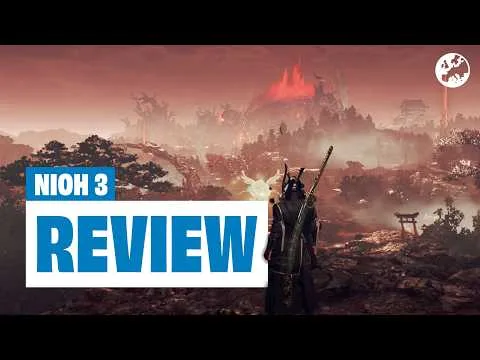
Tools Over Sliders: Nioh 3's Approach to Accessibility
The rejection of a traditional difficulty menu does not mean Team Ninja is indifferent to player progression or accessibility. Instead, they have invested deeply in an alternative philosophy: provide more tools, not an easier path.
Nioh 3 exemplifies this approach by dramatically expanding the player's strategic arsenal. The game offers more accessible and varied tools for overcoming challenges, including expanded magic schools, deeper ninjutsu techniques, powerful new Guardian Spirit skills, and summoning mechanics for cooperative aid. This is complemented by a significant quality-of-life evolution: the much-discussed "Elden Ring effect." Nioh 3's shift toward an open-field design means that if a player hits a wall, they are free to explore other areas, tackle side content, and return stronger. Coupled with the ability to freely re-spec, players are empowered to choose their own path to power, experimenting with builds until they find one that turns an insurmountable foe into a manageable challenge.
This empowerment is magnified by what reviewers have described as "intense" level scaling. In Nioh 3, even a gain of a few levels or a slightly better piece of gear can have a significant, tangible impact on combat effectiveness. The difficulty, therefore, becomes dynamic and player-directed, modulated through engagement with systems rather than a menu toggle.
Is Nioh 3 the Easiest Nioh? Analyzing the Perception
This expansive toolset has led to a fascinating and seemingly contradictory perception. Several previews and reviews have noted that Nioh 3 might be considered the most accessible—or even the easiest—title in the series so far. This claim requires careful analysis, as it speaks directly to the heart of Team Ninja's design evolution.
The perceived ease does not stem from enemies dealing less damage or bosses having smaller health pools. Instead, it originates from the game's structure. The open-field design and wealth of side content provide natural grinding and exploration opportunities, allowing players to organically over-level for story missions. The sheer breadth of powerful abilities also means there are more potential "solutions" to any given problem. This creates a smoother on-ramp and reduces instances of feeling utterly stuck.
However, this does not represent an abandonment of the "masocore" identity. The core challenge of mastery—learning enemy patterns, perfecting the Ki Pulse, and executing complex combos—remains entirely intact. The game has simply layered more avenues for preparation and strategy atop that unchanging foundation. Easier access to powerful tools does not dilute the challenge; it recontextualizes it from a test of raw execution to a test of system mastery and strategic preparation.
Team Ninja's vision for Nioh 3 is one of refinement, not concession. The game represents a maturation of the "masocore" philosophy, proving that a commitment to a curated, challenging experience can coexist with smarter, more player-friendly systems. The absence of a difficulty setting is not a statement of exclusion, but a clear invitation: engage deeply with the world we've built, master the tools we provide, and earn your victory on the game's own exacting terms. Nioh 3's launch will serve as a key test of whether this refined philosophy can satisfy its dedicated base while winning new converts, all without ever touching a difficulty slider.
Tags: Nioh 3, Team Ninja, Game Design, Difficulty in Games, Masocore