Nintendo's Virtual Boy Headset: A Nostalgic Portal to Switch VR and Obscure Classics
In a move that has delighted and surprised the retro gaming community, Nintendo has announced a new piece of hardware bearing one of its most infamous names: the Virtual Boy. Nearly three decades...

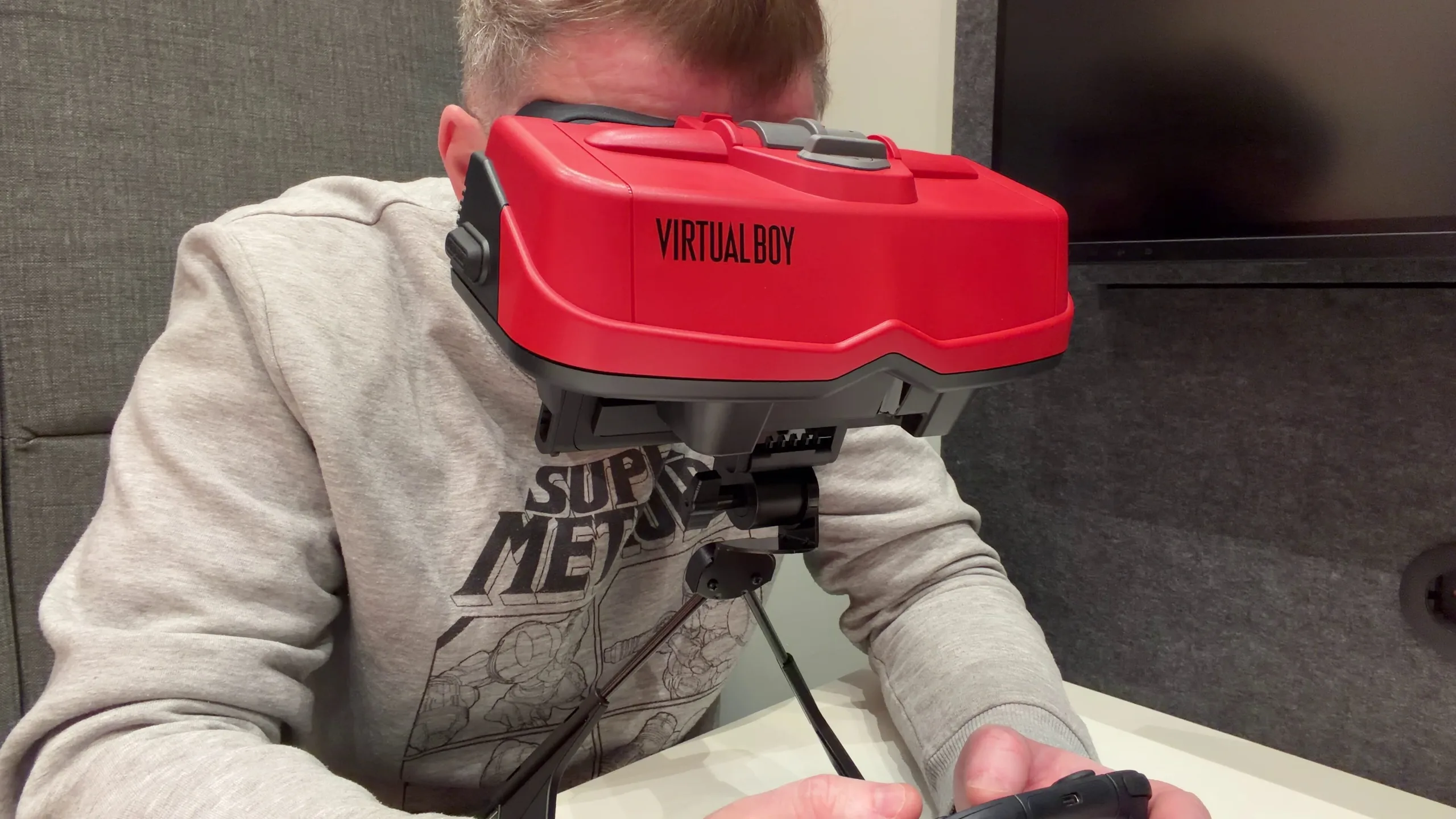
In a move that has delighted and surprised the retro gaming community, Nintendo has announced a new piece of hardware bearing one of its most infamous names: the Virtual Boy. Nearly three decades after the original red-and-black console’s spectacular commercial failure in 1995, the brand is being resurrected not as a standalone platform, but as a novel accessory for the Nintendo Switch. Slated for release on February 17, 2026, this new Virtual Boy headset represents a fascinating bridge between Nintendo’s quirky past and its versatile present. It promises a dual function: serving as a curated museum for the Virtual Boy’s obscure library and acting as a key to unlock hidden VR modes in some of the Switch’s biggest titles. This isn't a gamble on a new reality, but a clever, physical homage that reframes a piece of history.
What Is the New Virtual Boy Headset? Design & Functionality
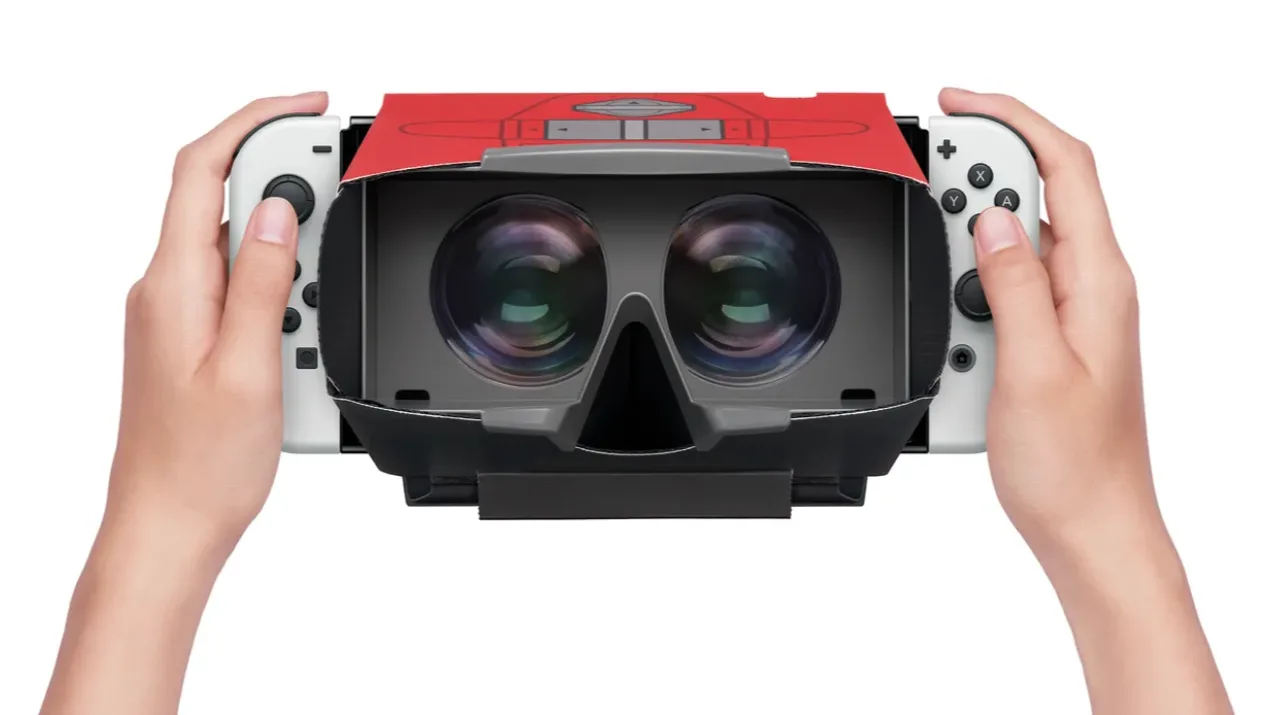
First and foremost, it is crucial to understand what this product is—and what it is not. This is not a new console. The new Virtual Boy is a physical shell, a holder designed to cradle an undocked Nintendo Switch. Using a set of lenses, it creates a private, stereoscopic 3D viewing experience, channeling the spirit of the original through modern hardware.
Nintendo is offering two distinct models to cater to different play styles and budgets. The premium option is a $99.99 full-sized plastic model. This is a large, red, tabletop unit mounted on a tripod stand, requiring users to lean into it to play, much like its 1995 predecessor. It includes a removable red filter over the lenses to replicate the iconic Virtual Boy aesthetic, which can be taken out for full-color VR gameplay. In contrast, the $24.99 cardboard version offers a more affordable and mobile-friendly alternative. Constructed from durable cardboard, it’s designed to be held and worn, allowing for free head movement.
The core technology leverages the Switch’s own capabilities. The console’s screen provides the display, while its built-in motion sensors are utilized for head-tracking in supported VR modes. Notably, the package does not include a replica of the original Virtual Boy’s unique dual-d-pad controller. Players must use their existing Switch controllers, such as Joy-Cons or a Pro Controller, for input.
Unlocking the Obscure: The Virtual Boy Game Library
The headset’s primary historical function is accessed through the "Nintendo Classics: Virtual Boy" app. This software launches on February 17 with an initial library of 7 games, offering a glimpse into a largely forgotten era. The confirmed titles include Virtual Boy Wario Land, Teleroboxer, Galactic Pinball, RED ALARM, 3-D Tetris, Golf, and the horror-themed The Mansion of Innsmouth.
Nintendo has announced plans to expand this library to 14 games over time. Most intriguingly, this expansion will include two titles that never saw an official release: Zero Racers and D-Hopper. For preservationists and collectors, this represents a significant act of digital archaeology.
The emulation software goes beyond a simple port. A key feature is a customizable color palette option. While the classic red-and-black scheme is available for authenticity, players can switch to alternatives like yellow, green, or white to significantly reduce eye strain—a welcome modernization addressing one of the original hardware’s biggest criticisms. Early impressions, such as those from VGC, note that the 3D effect is "more convincing than the Nintendo 3DS," with depth being used meaningfully for gameplay.
However, the library’s appeal is undeniably niche. It serves as a fascinating historical curio and a playable museum exhibit, with its value lying more in preservation and education than in mainstream entertainment.
The Hidden VR Modes: Breathing New Life into Switch Classics
Perhaps the more surprising application for the new headset is its ability to activate previously hidden or underutilized VR modes in four major Switch titles. The confirmed compatible games are:
- The Legend of Zelda: Breath of the Wild
- Super Mario Odyssey
- Super Smash Bros. Ultimate
- Captain Toad: Treasure Tracker
The experience differs between the two headset models. The mobile cardboard version is noted as the preferred option for these VR modes, as its design allows for the free head movement essential to a comfortable VR experience. The static plastic model, while functional, is better suited to stationary play. This functionality invites comparison to Nintendo’s previous foray into low-cost VR, the Labo VR kit, but with a focus on integrating with flagship software rather than mini-games.
In a significant confirmation for the future, Nintendo has stated that Breath of the Wild’s VR mode will be retained in its upcoming Switch 2 Edition. This ensures the accessory’s utility will extend to the next generation of hardware, making it a rare piece of cross-generational kit.
Compatibility, Requirements, and Market Response
The Virtual Boy headset is designed with broad compatibility in mind. It will work with the standard Nintendo Switch, the Switch OLED model, and the upcoming Switch 2. A notable exclusion is the Switch Lite, which cannot be undocked and thus cannot be used with the accessory.
Access comes with specific digital requirements. To download and play the "Nintendo Classics: Virtual Boy" app, users must have an active Nintendo Switch Online + Expansion Pack subscription. This gates the retro library behind Nintendo’s premium service tier. The headset itself is being sold exclusively through the My Nintendo Store, and its novelty has already generated significant demand—pre-orders are currently sold out.
The initial critical response positions the headset precisely where Nintendo likely intended: as a fascinating artifact for dedicated fans. It is seen less as a must-have mainstream accessory and more as a clever, physical celebration of gaming history that also provides a new lens for existing games. The sentiment is overwhelmingly positive, driven by nostalgia and curiosity, but tempered by the understanding of its specialized appeal.
Nintendo’s strategy here is a masterclass in repackaging history. The new Virtual Boy headset transforms a commercial misstep into a compelling, dual-purpose accessory. Its true value lies in offering a curated, accessible experience of a lost console era while providing a novel, physical method to engage with VR features in some of the Switch’s most beloved adventures. It stands as a testament to Nintendo’s willingness to revisit its past, not to erase it, but to recontextualize it for a new audience. Whether this represents a one-off niche product or a testing ground for future hybrid hardware ideas remains to be seen, but it successfully ensures that the Virtual Boy name will be remembered not just for its failure, but for this unexpected and thoughtful second act.