Nintendo's Tariff Lawsuit Against the U.S. Government: Why the Legal Battle is Now on Hold
In March 2026, Nintendo sued the U.S. government to recover millions in tariffs it calls illegal—a move that has already led to higher prices for Switch 2 accessories. However, a procedural roadblock...

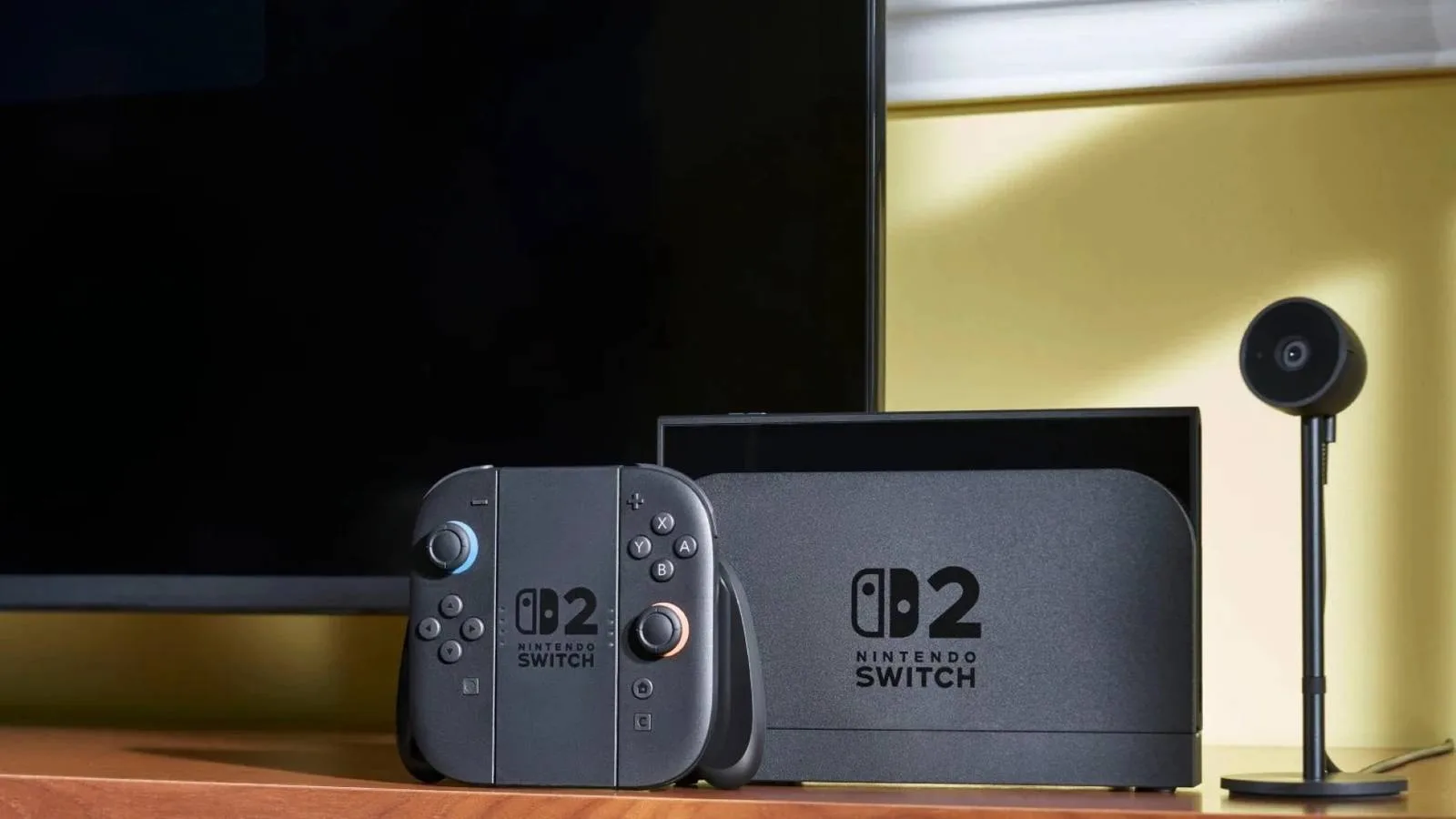
In March 2026, Nintendo sued the U.S. government to recover millions in tariffs it calls illegal—a move that has already led to higher prices for Switch 2 accessories. However, a procedural roadblock has frozen the lawsuit, leaving the legal challenge in limbo while its financial effects continue to ripple out to gamers and investors.
The Bottom Line: A court-ordered pause has stalled Nintendo's high-stakes lawsuit against the U.S. over "illegal" tariffs. While the legal battle waits, the financial impact is already real: consumers face higher accessory prices, and the uncertainty is weighing on company stock values.
The Lawsuit and Nintendo's Core Argument
On March 6, 2026, Nintendo of America filed a complaint with the U.S. Court of International Trade (CIT), seeking refunds with interest for tariffs already paid. The filing was a direct financial claim, not a symbolic gesture.
The company's argument rests on a specific point of law: it contends that tariffs imposed under the International Emergency Economic Powers Act (IEEPA) since February 2025 were illegal. The IEEPA is a statute designed to address national security threats, allowing the executive branch to regulate commerce during a declared emergency. Nintendo’s lawsuit argues that applying this act to its products—primarily gaming consoles and accessories imported from China—was an overreach.
This legal challenge is built on established precedent. The U.S. Supreme Court has already ruled against a previous administration's use of IEEPA to impose similar tariffs. Nintendo is attempting to apply that ruling directly to its own financial burden, challenging a trade policy it views as flawed.
The Roadblock: Understanding the Automatic Stay
As of March 2026, the lawsuit is on pause. It has been automatically stayed, a procedural term meaning all proceedings are halted indefinitely.
This halt is not specific to Nintendo. It stems from a December 2025 order from the U.S. Court of International Trade (CIT), which stayed all unassigned cases related to these specific IEEPA tariffs. Faced with a potential wave of nearly identical litigation from numerous affected importers, the court pressed pause. This allows the CIT to determine the most efficient way to handle what could be hundreds of claims, potentially through test cases or consolidated proceedings. Nintendo’s case is one of many caught in this procedural net.
The Impact and The Outlook
While the legal process is frozen, the business and consumer impacts of the tariffs are immediate and tangible.
For Nintendo, the financial pressure led to direct action. To offset the tariff costs, the company raised prices for some Switch 2 accessories, such as controllers and charging docks. In a strategic decision, it chose to hold the line on the price of the core Switch 2 console itself, likely absorbing that cost.
The uncertainty has also affected financial markets. Analysts have cited the tariff environment as a contributing factor to falling stock prices for both Nintendo and Sony, reflecting investor concern over compressed profit margins.
For gamers, the effect is direct: consumers are already paying higher prices for certain accessories, a pass-through of the tariff costs Nintendo is challenging. This creates a scenario where customers are financially impacted by a policy simultaneously contested as unlawful.
Looking ahead, the major unknown is when the CIT will lift the stay and allow the lawsuit to proceed—a process that could take months or longer.
Should the case eventually move forward and Nintendo win, it could result in a substantial refund from the U.S. Treasury. However, gamers hoping for automatic price drops should temper expectations. As noted in industry reports, even a successful legal outcome may not lead to lower consumer prices. Nintendo’s President has pointed to other persistent economic factors, such as potential component shortages, that continue to exert upward pressure on production costs. The lawsuit is a critical piece of corporate cost management and legal recourse, not a guaranteed pipeline to cheaper gear.
Nintendo’s legal challenge is now in a holding pattern, a situation that encapsulates the complex intersection of international trade law and consumer electronics. The automatic stay delays a final resolution, but the case underscores a critical truth: abstract trade policies have concrete effects. Whenever the CIT decides to move forward, the outcome will set a notable precedent, signaling to the entire tech sector the cost of challenging governmental trade actions—and what, if anything, companies can do to fight back.