Nintendo's Digital Discount: Why Switch 2 Games Are Cheaper Online and What It Means for Gamers
Breaking the Mold: Nintendo's New Pricing Policy Explained Nintendo’s announcement provides clear parameters. The new policy begins with pre-orders in May 2026 and will be exemplified by the launch...

Breaking the Mold: Nintendo's New Pricing Policy Explained
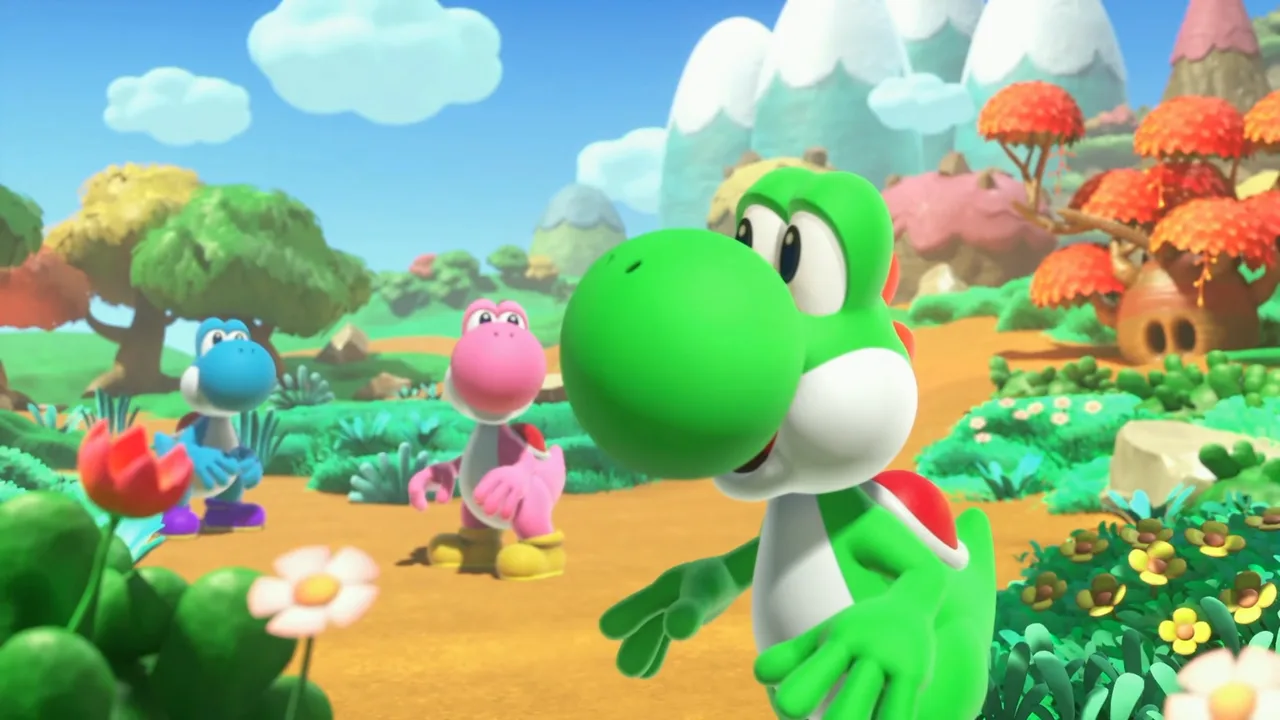
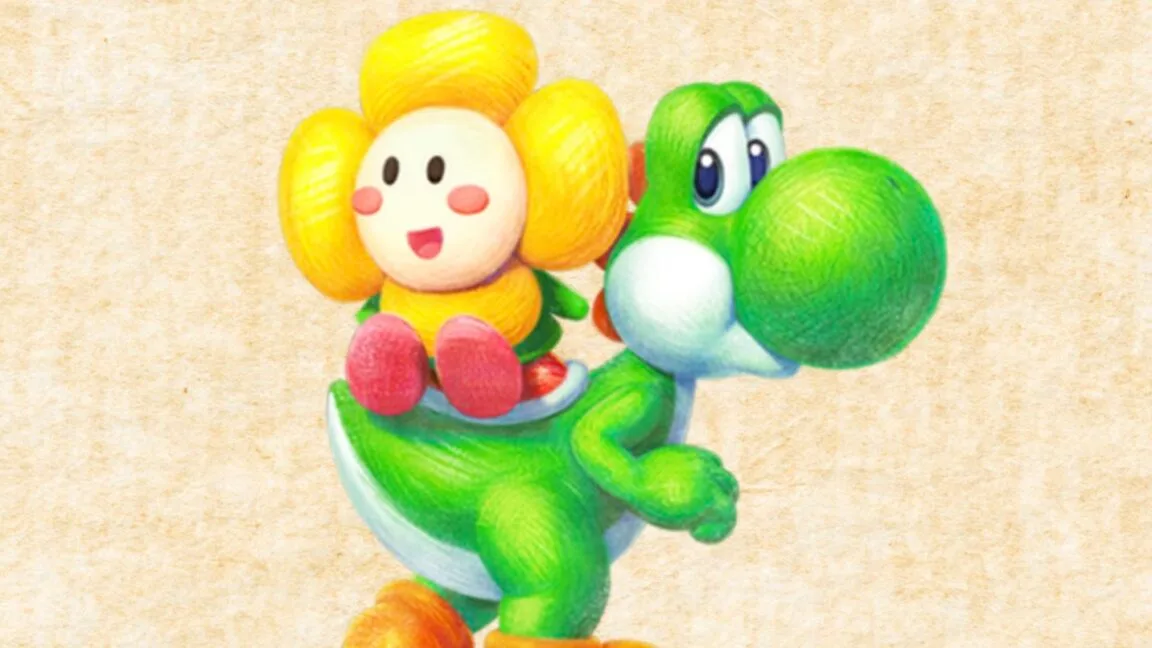
Nintendo’s announcement provides clear parameters. The new policy begins with pre-orders in May 2026 and will be exemplified by the launch of Yoshi and the Mysterious Book on May 21. For this title, the digital edition will carry an MSRP of $59.99, while the physical cartridge will be priced at $69.99—a clear $10 premium for the boxed copy.
The company’s official rationale is succinct and grounded in logistics. A Nintendo spokesperson stated the difference "simply reflects the different costs associated with producing and distributing" physical versus digital formats. This policy has a specific scope: it applies only to new Nintendo-published digital titles that are exclusive to the Switch 2. It is not retroactive, meaning already-announced titles like Mario Kart World will retain their previously set prices. This establishes a new, two-tiered MSRP structure for Nintendo's flagship software moving forward.
The Business Realities Behind the Price Tag
While the explanation points to distribution costs, the decision is undoubtedly rooted in broader financial pressures. Recent reports have highlighted the strain on Nintendo's profits from rising component costs—particularly semiconductors—coupled with tariffs and persistent logistical challenges. Furthermore, the company recently scaled back its initial Switch 2 manufacturing plans following weaker-than-expected international holiday sales, indicating a cautious approach in a volatile market.
This pricing shift can be seen as a strategic pivot. Historically, Nintendo has treated Switch 2 game pricing on a "case-by-case basis," with titles like Donkey Kong Bananza announced at $69.99. By formally instituting a digital discount, Nintendo is actively incentivizing the higher-margin digital channel. Every digital sale bypasses not only manufacturing costs for cartridges, cases, and manuals but also the wholesale cut taken by retailers. In an environment where hardware production is costly and sales forecasts are being tempered, pushing a greater percentage of software sales toward the more profitable digital direct-to-consumer channel is a sound business maneuver. The $10 discount is a powerful carrot to make that happen.
What This Means for Players and the Market
For consumers, the calculation behind a game purchase just became more complex. The immediate benefit is clear: a tangible $10 saving for opting for the digital version. This creates a direct financial incentive that never existed before at the MSRP level. However, it directly conflicts with the inherent value of physical media: the ability to resell, trade-in, lend to a friend, or display on a shelf. Players must now explicitly weigh that $10 upfront saving against the potential long-term value and flexibility of a physical copy.
The retail landscape adds another layer. Nintendo noted that partners like Walmart, Target, and Amazon set their own final prices. A retailer could choose to sell the physical edition of Yoshi and the Mysterious Book at a discount, potentially narrowing or even eliminating the $10 gap from day one. This could lead to more dynamic and competitive pricing at brick-and-mortar and online stores.
Looking ahead, if this model becomes standard, future major releases (imagine the next Fire Emblem or Pokémon title) will force this choice upon millions of players, cementing it as the new normal. The larger industry question is whether Nintendo’s move will pressure other platform holders. Sony and Microsoft have largely maintained price parity between digital and physical editions of first-party games. Nintendo breaking ranks forces a reevaluation of that strategy and could pressure competitors to justify their own pricing logic to consumers.
The Bigger Picture: Digital vs. Physical and Game Preservation
Ultimately, Nintendo’s policy frames the premium for physical media not as a surcharge, but as the true cost of production, with digital representing the "base" price. This reframes the entire digital-versus-physical debate. Does a lower digital price sufficiently compensate for forfeiting permanent ownership, resale rights, and the independence from a corporate storefront?
This leads to critical questions about preservation. Nintendo has a mixed history with digital storefront longevity, having shuttered the Wii Shop and DSi shops. While modern accounts are more unified, purchasing a digital game is still a licensed agreement, not an owned product. A cheaper digital price today must be weighed against the possibility of losing access in the distant future—a concern less pertinent to a cartridge on a shelf.
Is this the first step toward a future where the "Standard Edition" is digital, and physical copies become premium collector's items? This policy certainly points in that direction. It acknowledges the economic reality of digital distribution while forcing consumers to consciously decide what tangible benefits are worth an extra cost.
Nintendo's digital discount is a significant and public acknowledgment of the digital economy's realities. It is a move driven equally by external cost pressures and internal strategic goals to bolster software margins. More than just a price cut, it represents a pivotal moment that reframes the value proposition of game ownership. For the Switch 2 generation, purchasing a game will no longer be a simple choice of format, but a deliberate financial and philosophical decision: to save money now and embrace the digital ecosystem, or to invest in the tangible, enduring, and flexible rights that physical media provides. The price of a game has always been more than a number; now, that number is the clearest signal yet that the industry is asking players to put a dollar value on ownership itself.