Nintendo Switch 2's Record-Breaking Launch: How It's Outpacing the Legendary Original
Editor's Note: This article is a speculative analysis and creative projection of a potential Nintendo Switch 2 launch scenario, written prior to the console's official announcement. All sales data,...

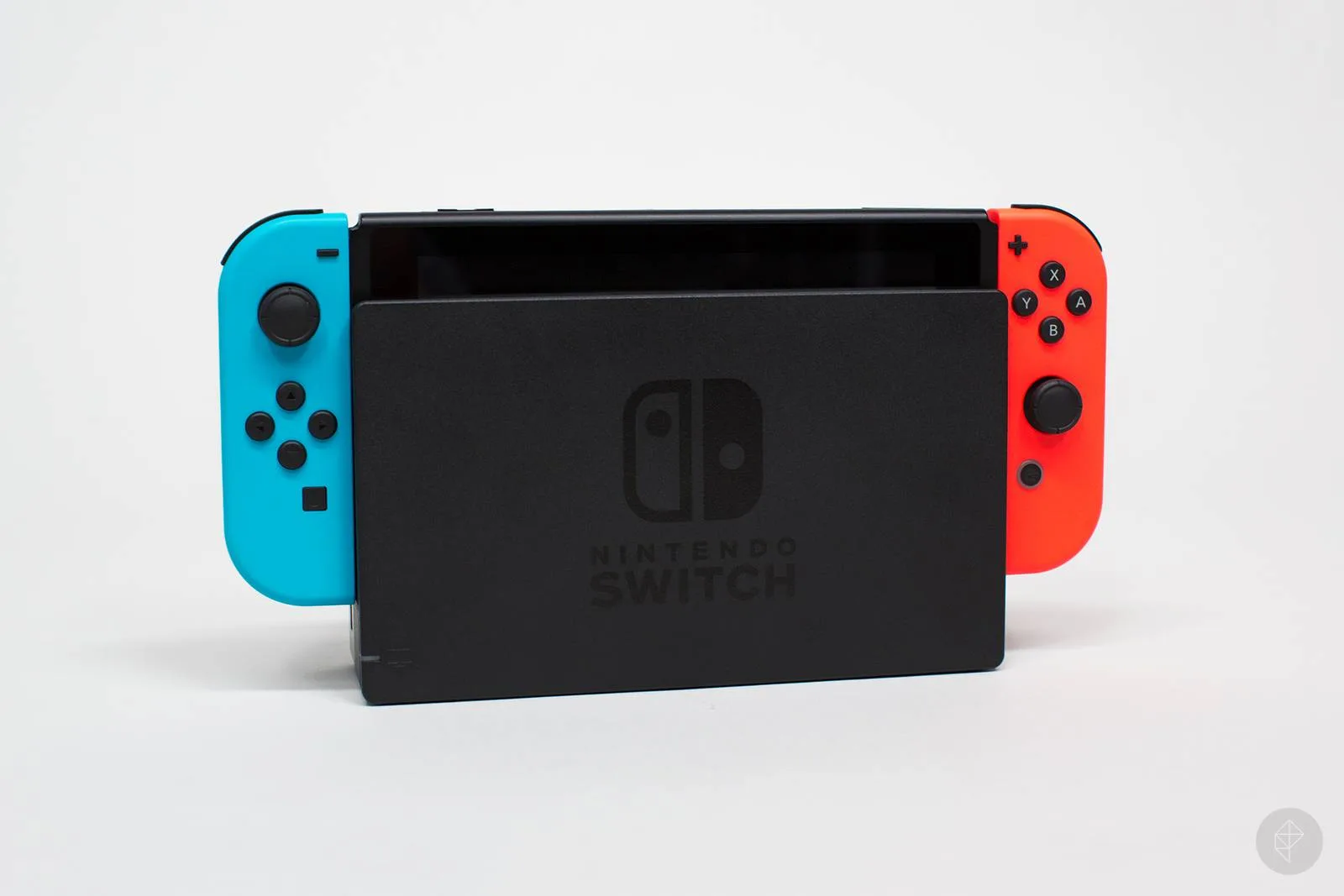
Editor's Note: This article is a speculative analysis and creative projection of a potential Nintendo Switch 2 launch scenario, written prior to the console's official announcement. All sales data, financial figures, game titles (like Mario Kart World), and release timelines are fictional and presented for illustrative purposes to explore a possible successful transition.
The Nintendo Switch achieved what many thought impossible. It didn't just succeed; it ascended to become the most successful console in Nintendo's storied 135-year history, dethroning the beloved Nintendo DS with a staggering 155.37 million units sold. It now sits as the second-best-selling console of all time, trailing only the legendary PlayStation 2. This is the monumental legacy any successor would face. The question isn't just whether a "Switch 2" could be successful, but how it might possibly follow such an act without seeming like a diminished echo.
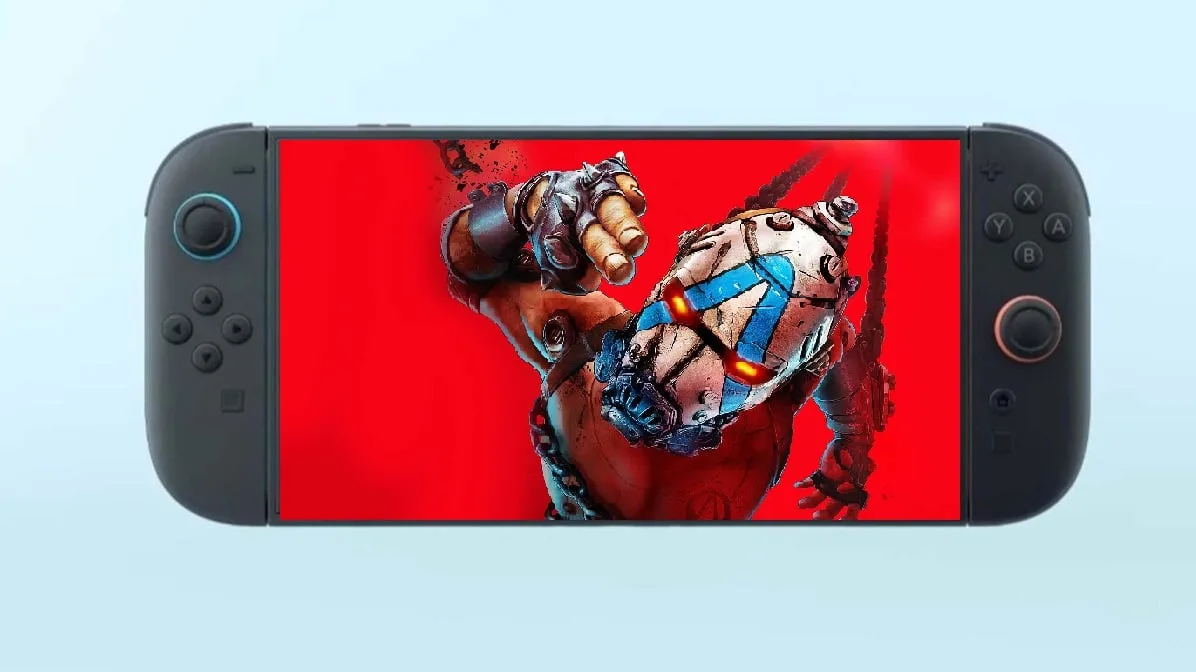
A potential answer could be nothing short of stunning. Defying conventional wisdom that a peak is often followed by a plateau, a hypothetical Nintendo Switch 2 might not merely follow in its predecessor's footsteps—it could sprint past them at a record-breaking pace. We could be witnessing a historic console transition where the new generation accelerates, rather than rests on, an already legendary legacy.
The Unbeatable Legacy: How the Original Switch Redefined Success
To understand the potential scale of a Switch 2's achievement, one must first appreciate the titan it would succeed. The original Nintendo Switch’s final sales tally of 155.37 million units cements its place in the industry pantheon. Its success was a "perfect storm" of innovative hardware, strategic software, and cultural timing.
The hybrid design, allowing seamless transition between TV and portable play, was a masterstroke that carved out a unique market position. However, hardware alone doesn't sell 155 million units. It was the software ecosystem that transformed the Switch into a phenomenon. The platform saw over 1.5 billion games sold, driven by evergreen titles that became cultural landmarks. Mario Kart 8 Deluxe raced past 70 million copies, while Animal Crossing: New Horizons and its 50 million copies provided a social haven during the global pandemic, driving hardware sales to unprecedented heights. This combination of groundbreaking design, a broad and deep software library, and a moment in history that craved its specific kind of entertainment created a legacy that seems, frankly, unbeatable.
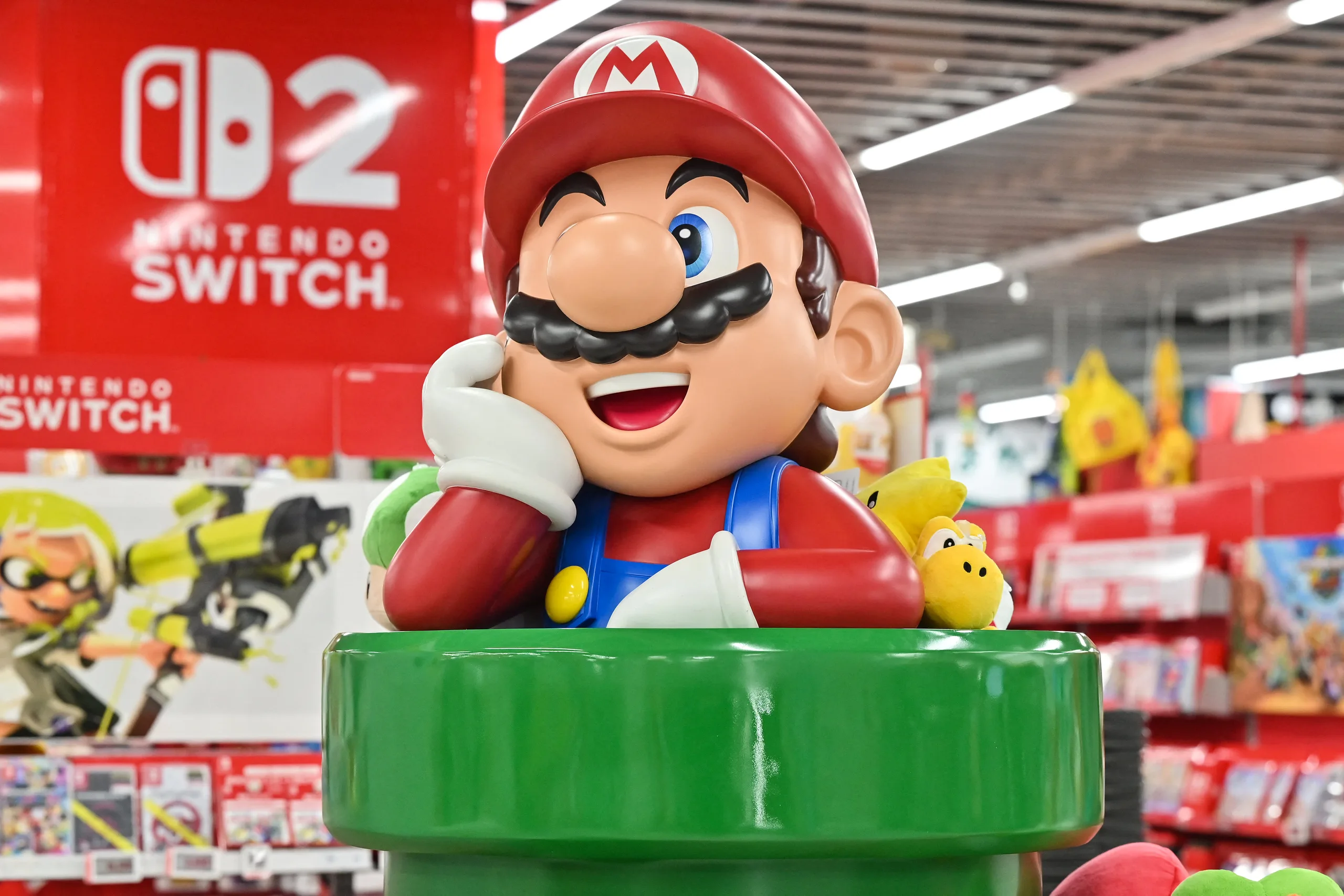
Launch Velocity: A Hypothetical Switch 2's Unprecedented Start
This context makes a potential Switch 2's launch performance all the more extraordinary to consider. In a successful launch scenario mirroring the original's strengths, a Switch 2 could see sales in the range of 17 million units in its first year. The momentum could be blistering, with a potential 7 million of those units sold in a single holiday quarter alone.
When placed side-by-side with the historical launch windows of other modern consoles, a "fastest-selling" claim would be plausible. A Switch 2's early trajectory could significantly outpace the original Switch, the PlayStation 4, and even the PlayStation 5 during comparable post-launch periods. Nintendo might confidently forecast selling close to 19 million units by the end of its first fiscal year, a target that could look not just achievable, but likely to be exceeded in a best-case scenario. The successor wouldn't just be arriving; it could be hitting the ground at a full sprint.
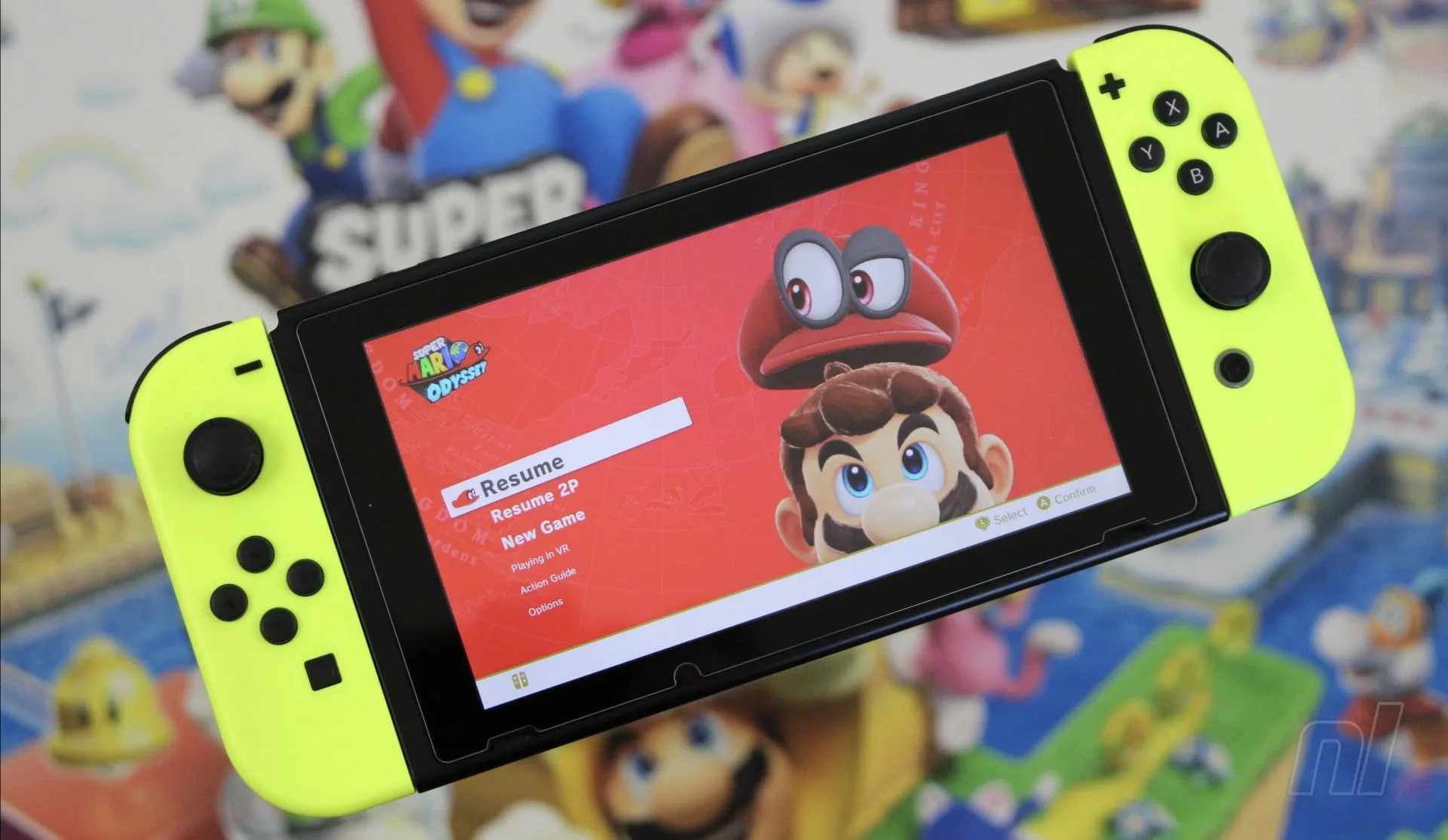
The Software Engine: What Could Drive Switch 2 Adoption?
This explosive hypothetical hardware adoption would need to be fueled by an equally powerful software strategy. The primary engine would almost certainly be a new flagship title. For example, a game like Mario Kart World could act as a historic system-seller. With a potential attach rate approaching 80% in early sales, it would demonstrate that Nintendo's flagship franchises retain immense power to drive hardware transitions.
Furthermore, Nintendo would likely execute a shrewd cross-generational strategy. While a new Mario Kart pulls players forward, the enduring appeal of the legacy Switch software library would provide a safety net and immediate value. Titles like Mario Kart 8 Deluxe would continue to sell, offering a vast, established library to new adopters and ensuring the entire Switch ecosystem remains vibrant. This would be complemented by other key hypothetical launches—such as a new 3D Mario or Zelda title—that broaden the console's appeal, ensuring the Switch 2’s early catalog has both depth and immediate, must-have experiences.
Financial Momentum and Potential Challenges
The commercial results of such a successful transition would be starkly visible. Following a major launch, the company might see quarterly sales surge to approximately 800 billion yen, representing a massive year-over-year increase. Profit could also see a significant jump, directly fueled by the new platform's launch.
This success would come with the natural, managed decline of the original hardware. Original Switch sales would decrease year-over-year as manufacturing and marketing focus rightly shift to the new platform, representing a clean passing of the baton.
However, the road ahead would not be without potential headwinds. Analysts would point to the next console's likely premium price point in a challenging global economic climate as a factor that could test its long-term momentum. Furthermore, the gaming industry remains perpetually wary of supply chain issues, which could constrain sales if demand outstrip production capabilities. Nintendo's test would be navigating these macro challenges while maintaining launch velocity.
If executed correctly, Nintendo could manage a near-flawless generational handoff. A Switch 2’s record-breaking start would demonstrate it is not merely riding on the coattails of its predecessor but is using that established foundation—the brand loyalty, the understood hybrid concept, the seamless backward compatibility—as a launchpad to achieve escape velocity. The question would then shift from "Can it succeed?" to "How high can it go?" Could it maintain an unprecedented pace and eventually set its sights on the all-time sales records held by its own predecessor and the PlayStation 2? In this speculative scenario, the Switch dynasty wouldn't just be continuing; it would be accelerating.