Nintendo Switch 2's EU Revision: Right-to-Repair Compliance and the Future of the Console
The Rumor: A Switch 2 Built for Repair The core of this story originates from a report by the respected Japanese newspaper Nikkei . The publication claims that Nintendo is developing a revised...

The Rumor: A Switch 2 Built for Repair
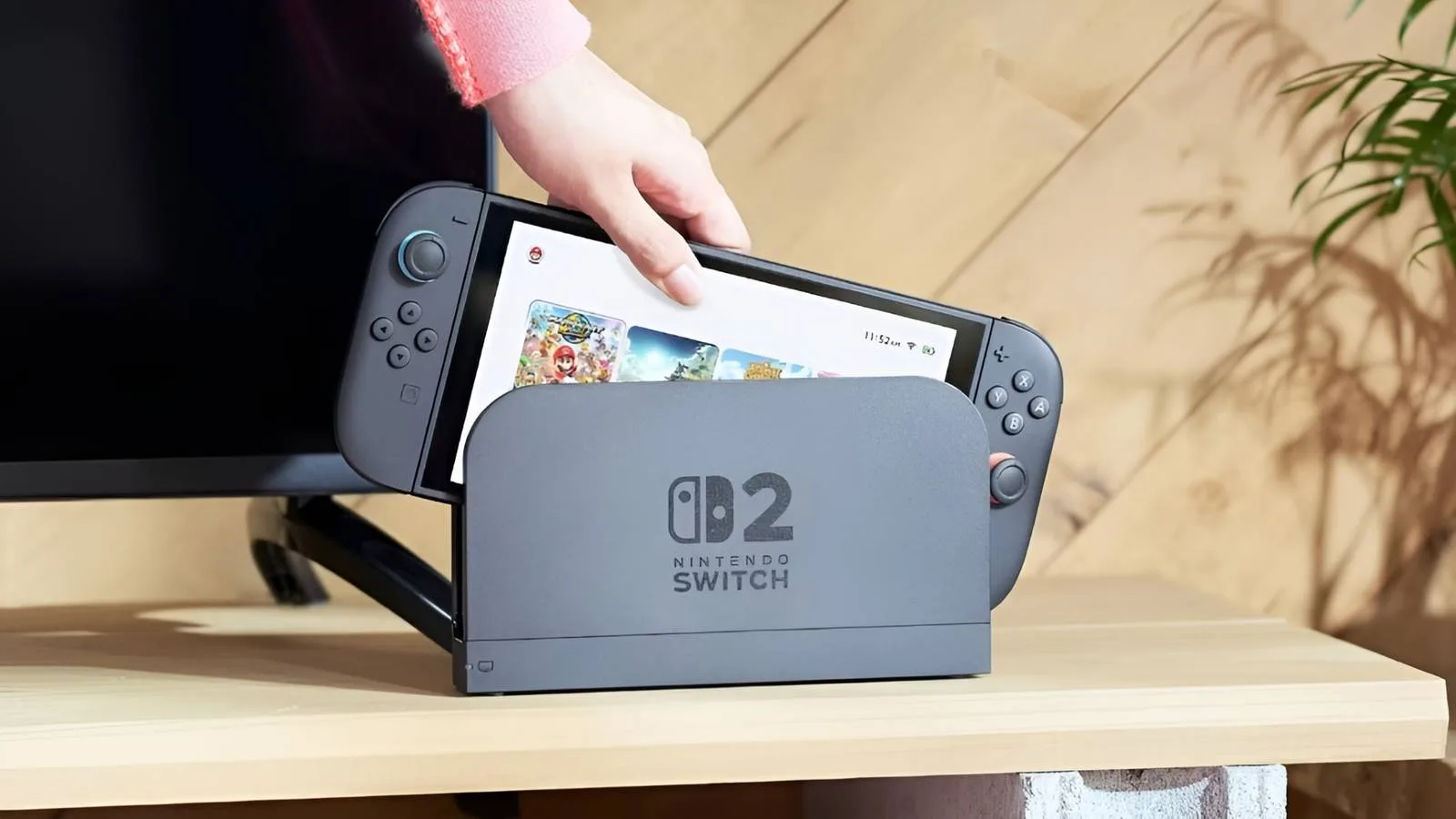
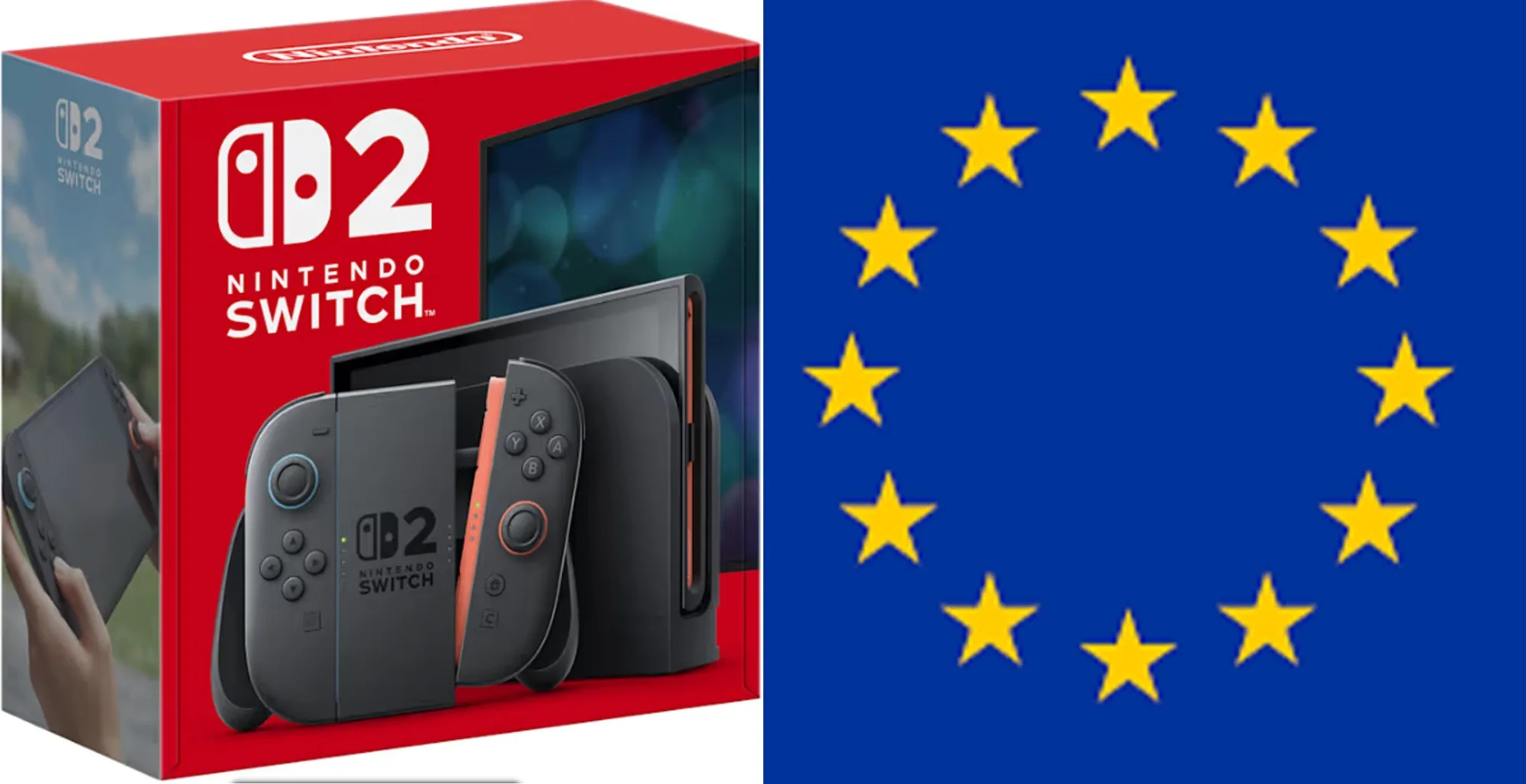
The core of this story originates from a report by the respected Japanese newspaper Nikkei. The publication claims that Nintendo is developing a revised version of the Switch 2 console with one key, user-centric feature: a user-removable and replaceable battery.
This design shift is not born from a sudden corporate benevolence but is a direct response to external regulatory pressure. The driving force is the European Union's comprehensive "right to repair" legislation. A cornerstone of this legislation mandates that manufacturers of portable electronic devices, including consoles, must design their products to allow for easy battery replacement by the end user. The deadline for compliance is February 2027.
It is crucial to contextualize this information. As of now, this remains an unconfirmed rumor. Nintendo has made no official announcement regarding a hardware revision for the Switch 2. The Nikkei report provides a plausible and logical reason for such a revision, but until Nintendo breaks its silence, this potential model exists in the realm of industry speculation.
The Regional Catch and Its Broader Implications
The intrigue deepens with the report's suggestion of a regional rollout. Nikkei indicates that this revised, repair-friendly Switch 2 model may launch first and exclusively in Europe. The logic is straightforward: Europe has the law, so Europe gets the compliant hardware first.
This prospect raises immediate questions about a fragmented global hardware market. If Japan and the United States do not adopt similar "right to repair" policies with the same urgency, consumers in those regions could be left with a different, less serviceable version of the same console. The report further states that the accompanying "Joy-Con 2" controllers would also be redesigned to feature removable batteries, suggesting a comprehensive hardware overhaul for the EU-bound units.
This situation presents a tangible dilemma. It could spur a secondary import market for the EU model, create confusion over repair part availability, and foster community frustration over perceived regional inequality. The long-term solution may be dictated by other jurisdictions; with "right to repair" laws emerging in several U.S. states, economic pressure could eventually force a single, global standard, rendering a region-locked design a temporary anomaly.
This potential EU revision is distinct from another known regional model. A cheaper, Japan-exclusive version of the Switch 2 already exists, but its difference is purely economic—a lower price point due to the devaluation of the yen—while the hardware itself remains identical to models sold worldwide. The EU revision, by contrast, would represent a fundamental physical difference in the product offered to consumers.
The Current Switch 2 Ecosystem: Software Strength Amidst Speculation
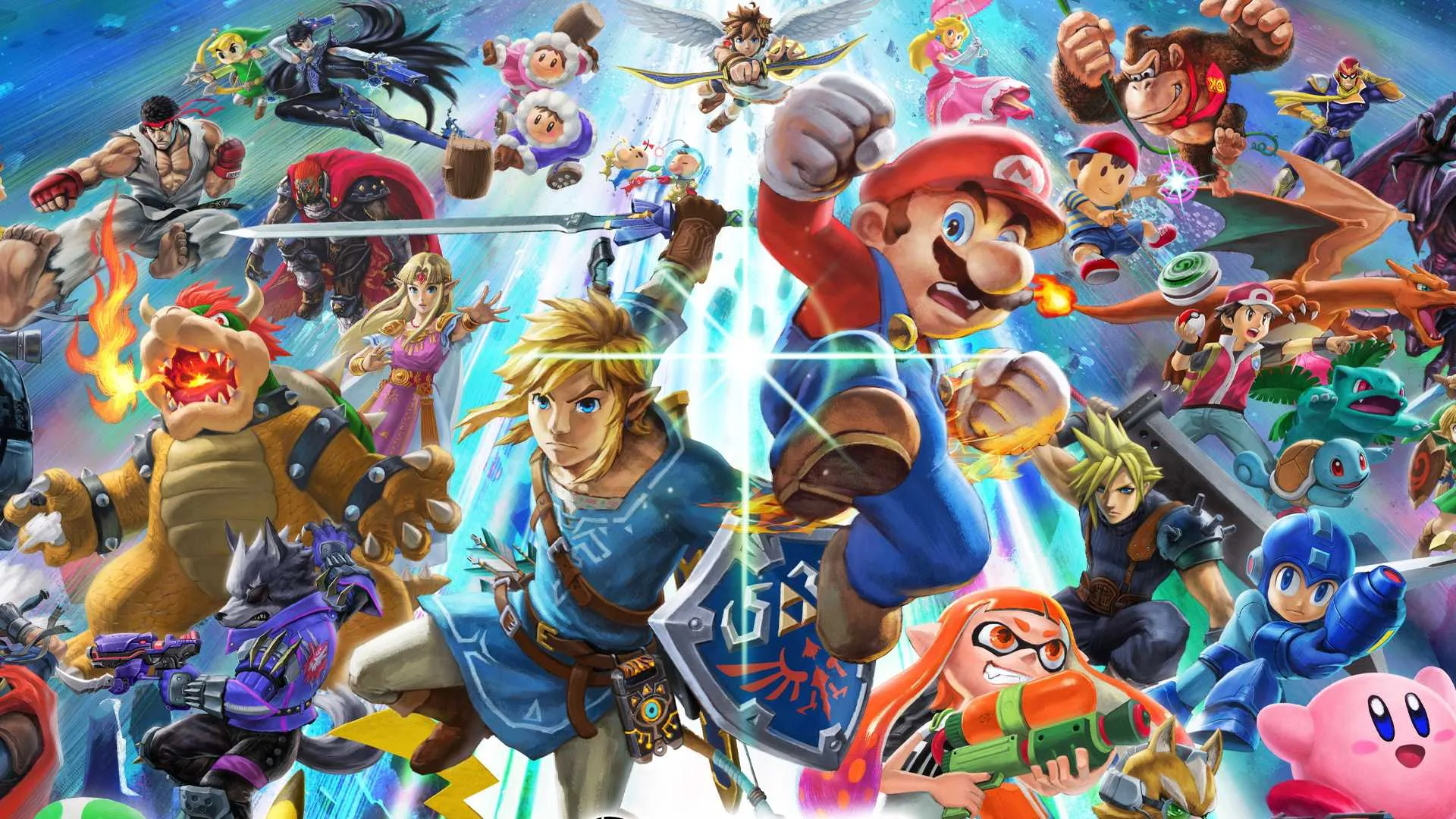
While the hardware's future is debated, the current Switch 2 ecosystem demonstrates robust health through consistent software support. The recent System Update 22.0.0 introduced the flagship Handheld Mode Boost, allowing compatible original Nintendo Switch games to run at 1080p resolution in handheld mode, effectively closing the performance gap with the docked experience.
This enrichment continues with a formidable 2026 game lineup, including major releases like Final Fantasy VII Rebirth, the return of Tomodachi Life, and Indiana Jones and the Great Circle. This strong software slate exists alongside the corporate context of Switch 2 sales outside Japan in late 2025 being, as President Shuntaro Furukawa noted, "slightly below our expectations," a reminder of the console's maturation in a competitive market.
Conclusion: A Glimpse of the Inevitable?
The narrative surrounding the Nintendo Switch 2 is currently at a fascinating crossroads. On one hand, there is the proactive—though still rumored—adaptation of its hardware to meet the EU's pioneering consumer rights standards. On the other, there is the consistent and enriching software support that deepens the value for its global audience.
While the potential for a region-specific hardware model presents a short-term puzzle for the market, the relentless march of "right to repair" legislation worldwide suggests it may be a glimpse of the Switch 2's—and indeed, all portable electronics'—future design philosophy. For now, players worldwide can enjoy a console that is maturing powerfully through software and a compelling game pipeline, even as its physical form faces a potential redesign not by marketers, but by regulators. The ultimate question may not be if a repair-friendly design goes global, but when.