Nintendo Switch 2 Production Cut: Strategic Pause or Sign of Slowing Demand?
Editor's Note: This article analyzes a reported future scenario based on current industry trends and Nintendo's historical strategies. It explores the potential implications of a significant...

Editor's Note: This article analyzes a reported future scenario based on current industry trends and Nintendo's historical strategies. It explores the potential implications of a significant production adjustment for the successor to the Nintendo Switch.
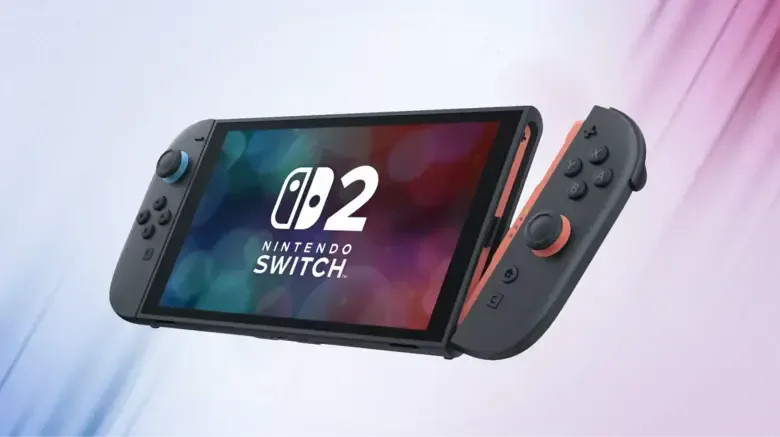
Just months after a record-shattering launch, reports indicate Nintendo could be preparing to cut production of its next-generation console by a third. This move, should it occur, would create a stark paradox: is it a prudent strategic pause by a historically cautious company, or the first sign of concerning demand weakness? The answer lies in the nuanced space between explosive launch success and the challenges of sustaining momentum in a complex market.
The Report and the Numbers
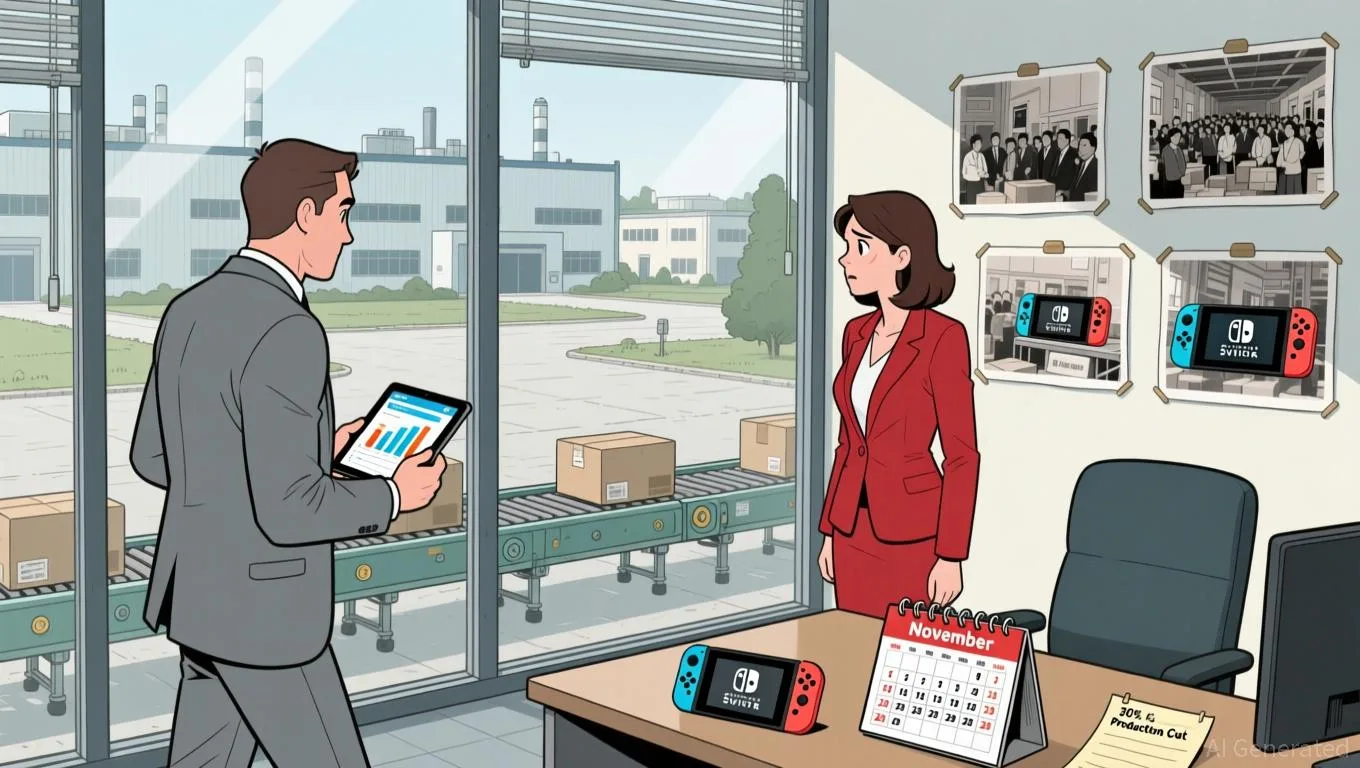
The details, as reported by Bloomberg, are specific. According to their March 2026 report, Nintendo’s internal production plans for a future quarter would be revised substantially, targeting 4 million units instead of an initially planned 6 million. This reduced output would reportedly continue into the following month. The primary catalyst cited is a notable softening in demand, specifically a potential 35% year-over-year sales decline for the console in the critical United States market during a future holiday period.
A crucial distinction must be made: this is framed as a potential production cut, not a revision of an official sales forecast. The report suggests Nintendo would maintain its expectation to sell around 19-20 million units globally for the fiscal year. This would indicate the move is more about carefully managing inventory and supply chain logistics in the short term rather than a fundamental loss of confidence in an annual target.
Context is Key: Record Launch vs. Holiday Slump
To understand such a cut, one must first appreciate the unprecedented height from which the console would be adjusting. Its launch is projected to be monumental. In a hypothetical launch quarter ending December 2025, it could sell over 7 million units, quickly reaching a lifetime sales figure of 15 million. In the U.S., its install base could trend an impressive 45% ahead of the original Switch at the same point in its lifecycle.
The post-launch period, however, is often a story of normalization. The initial surge of early adopters subsides, and console sales become increasingly tethered to the rhythm of major software releases. A future holiday season could face specific headwinds: a potential lack of a major, system-selling exclusive title to drive gift purchases, coupled with broader economic uncertainty affecting discretionary consumer spending worldwide. A reported 33% production cut, therefore, could be seen as a reaction to this post-launch cooling-off period—a recalibration from "launch frenzy" to "steady state" operations.
Nintendo's Strategic Calculus
For Nintendo, a company renowned for its conservative and meticulous management, this type of production adjustment would likely appear less like a panic move and more like a deliberate strategic play. Sources indicate such a cut would serve a dual purpose. First, it would align factory output with current retail demand to avoid the costly burden of excess inventory—a lesson hard-learned by the industry during the Wii U era.
Second, it could act as a "strategic buffer." By reducing output, Nintendo would create flexibility in its supply chain to hedge against potential future cost increases for components like memory. Furthermore, the company could enter a "wait-and-see" mode, observing the long-term "staying power" of recent major game releases. The explosive launch of a title like Pokémon Pokopia, which could sell millions of units in just days, is a prime example of a software catalyst that might reignite hardware demand. By pausing, Nintendo could assess the impact of such titles before committing to a higher, sustained production rate.
The Looming Shadow of Costs and Pricing
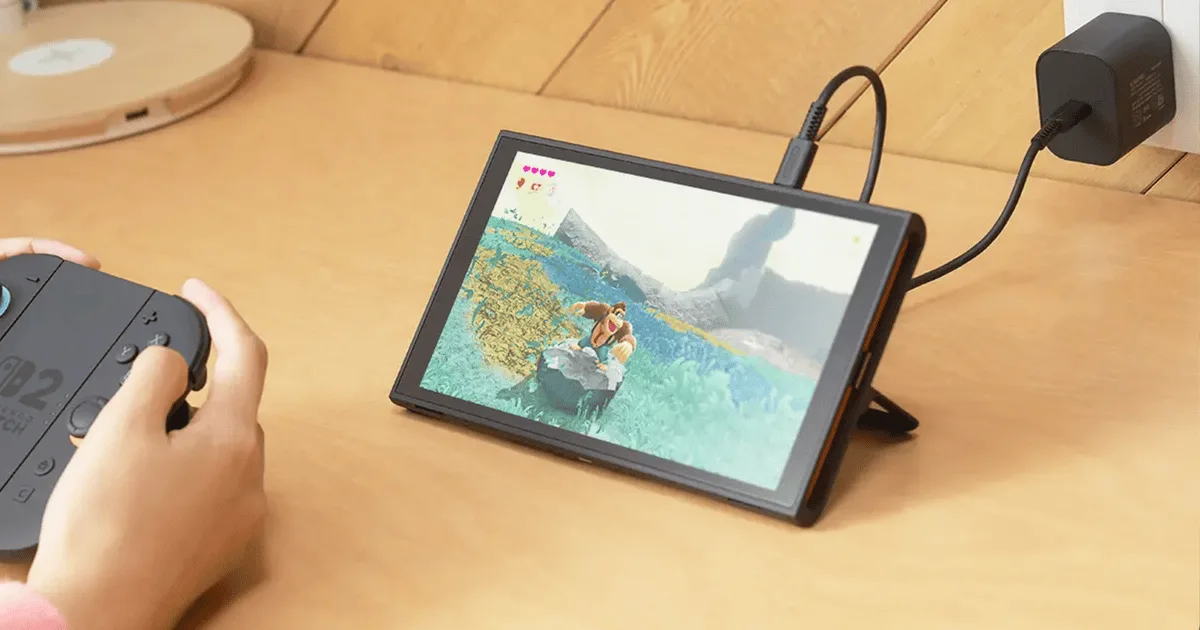
The strategic buffer is not merely theoretical. External economic pressures are mounting and would directly influence Nintendo’s calculus. Global memory costs are rising, driven by insatiable demand from the artificial intelligence sector. Simultaneously, geopolitical factors continue to make tariffs a persistent concern for global manufacturing.
Nintendo President Shuntaro Furukawa has previously highlighted the company's focus on monitoring costs to preserve hardware profitability. This is not an idle concern; the company has increased prices for legacy hardware and accessories in key markets, explicitly citing shifting market conditions and tariffs. This precedent raises a critical, looming question for consumers and investors alike: Could a global price hike for the next-generation console itself be a future consideration? A production cut could be a maneuver to navigate this precarious landscape without immediately passing costs on to consumers.
What Comes Next? Reading the Tea Leaves
The true meaning of any production adjustment would become clearer in subsequent months. All eyes would be on Nintendo’s next earnings report, which would provide the first official sales data for the relevant quarter and management’s perspective on performance and the outlook ahead.
Beyond the financials, the future software pipeline is paramount. The sustained success of any console platform is built on a steady drumbeat of compelling exclusive games. Announcements regarding major first-party titles for the latter half of the console's life cycle would be key indicators of Nintendo’s confidence and the system’s long-term health. It is also worth noting that, according to the report, such a decision would be unrelated to semiconductor supply issues—a stark contrast to the shortages that plagued the industry earlier in the decade.
A reported production cut for Nintendo's next console would represent a moment of strategic inflection, not crisis. It would reflect Nintendo’s disciplined approach to transitioning from managing the explosive, pent-up demand of a launch to steering the platform through the more challenging currents of sustained growth. The company would be balancing record-breaking early success against post-launch normalization, economic headwinds, and rising component costs. While a reduced quarterly target would be a tangible reaction to a softer market period, a maintained annual forecast would suggest this is a tactical pause for reassessment. Ultimately, this scenario showcases Nintendo's trademark caution as a tool to navigate unprecedented success, testing whether this discipline can smoothly guide its next phenomenon from a launch weekend record-setter to a perennial platform.
Tags: Nintendo Switch 2, Nintendo, Console Sales, Video Game Industry, Production