Nintendo Direct March 2026: Why the Mario Galaxy Movie Focus Leaves Gamers Wanting More
This article presents a speculative analysis of a potential future scenario for illustrative discussion. The announcement of a new Nintendo Direct is a moment of pure, unadulterated anticipation for...

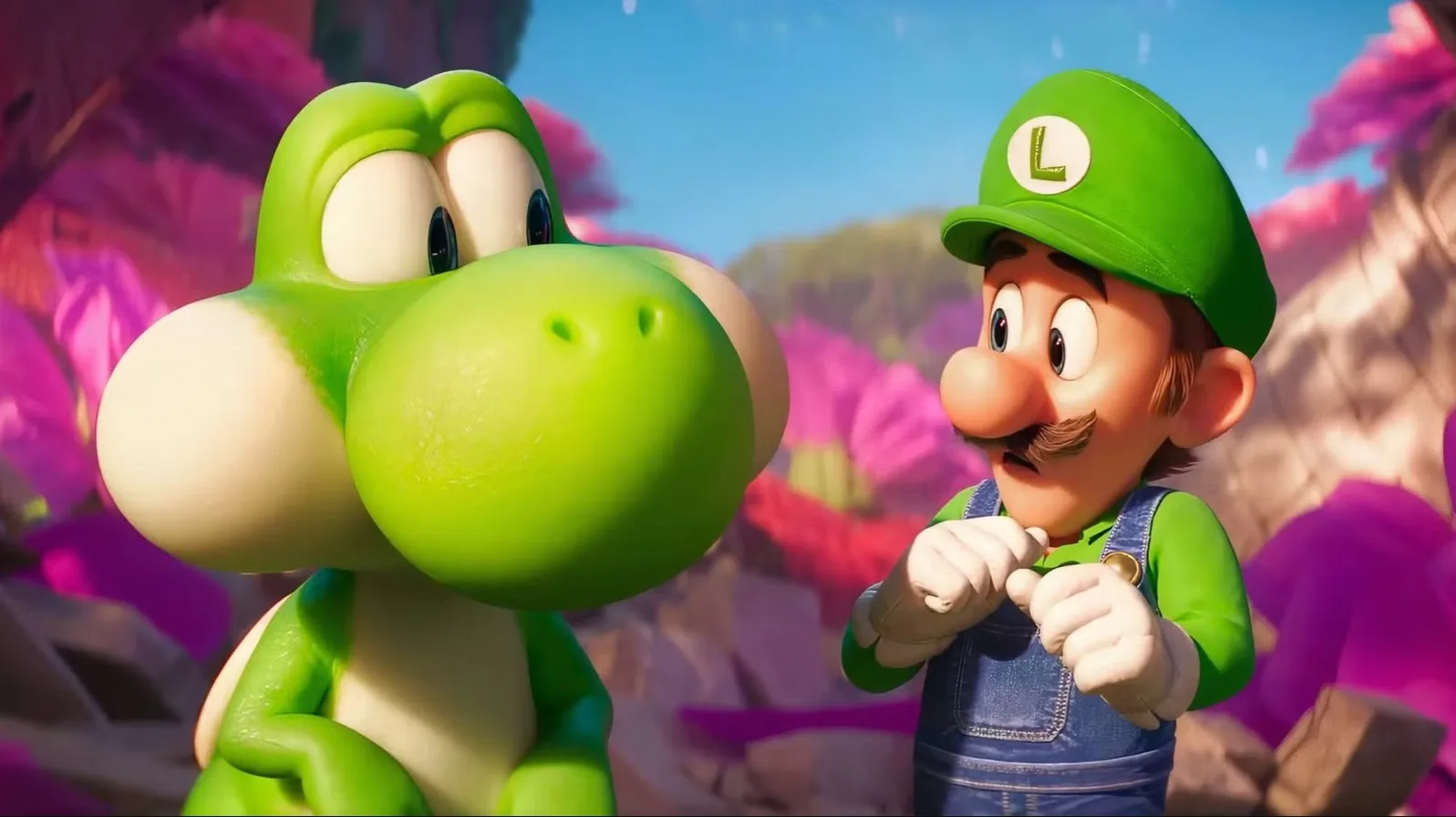
This article presents a speculative analysis of a potential future scenario for illustrative discussion.
The announcement of a new Nintendo Direct is a moment of pure, unadulterated anticipation for the gaming community. It’s a digital holiday, a time when speculation runs wild and the promise of new adventures is just a livestream away. That familiar excitement would surge once again with the confirmation of a presentation scheduled for a hypothetical Monday, March 9, 2026. However, the fine print would deliver a clarifying directive. This Direct would be exclusively focused on The Super Mario Galaxy Movie, featuring its final trailer, and would contain no video game information whatsoever. For a fanbase theoretically eager for news on a first-party game lineup for the Nintendo Switch 2, such a single-topic focus prompts a pressing analytical question: in a scenario where its gaming audience is hungry for reveals, how would Nintendo balance its expanding multimedia empire with the core expectations of its player base?
The Direct Details: A Focused Cinematic Showcase
In this speculative scenario, the presentation, scheduled for 2 p.m. PT / 5 p.m. ET on March 9, 2026, would have a laser-focused agenda. It would exist solely to debut the third and final trailer for The Super Mario Galaxy Movie ahead of a theatrical release on April 1, 2026. The core voice cast from the record-breaking first film would return, with Chris Pratt (Mario), Anya Taylor-Joy (Princess Peach), Charlie Day (Luigi), Jack Black (Bowser), and Keegan-Michael Key (Toad) all reprising their roles.
This event would be notable for its context. It would mark the second Nintendo Direct in this hypothetical 2026 dedicated solely to this film, following a similar showcase in January. This repeated, dedicated effort would underscore a significant and coordinated marketing push from Nintendo’s cinematic division. The presentation’s boundaries would be clear: a movie preview, not a gaming news drop. For viewers tuning in hoping for a shadow-dropped game or a surprise teaser, the experience would be defined by its singular purpose.
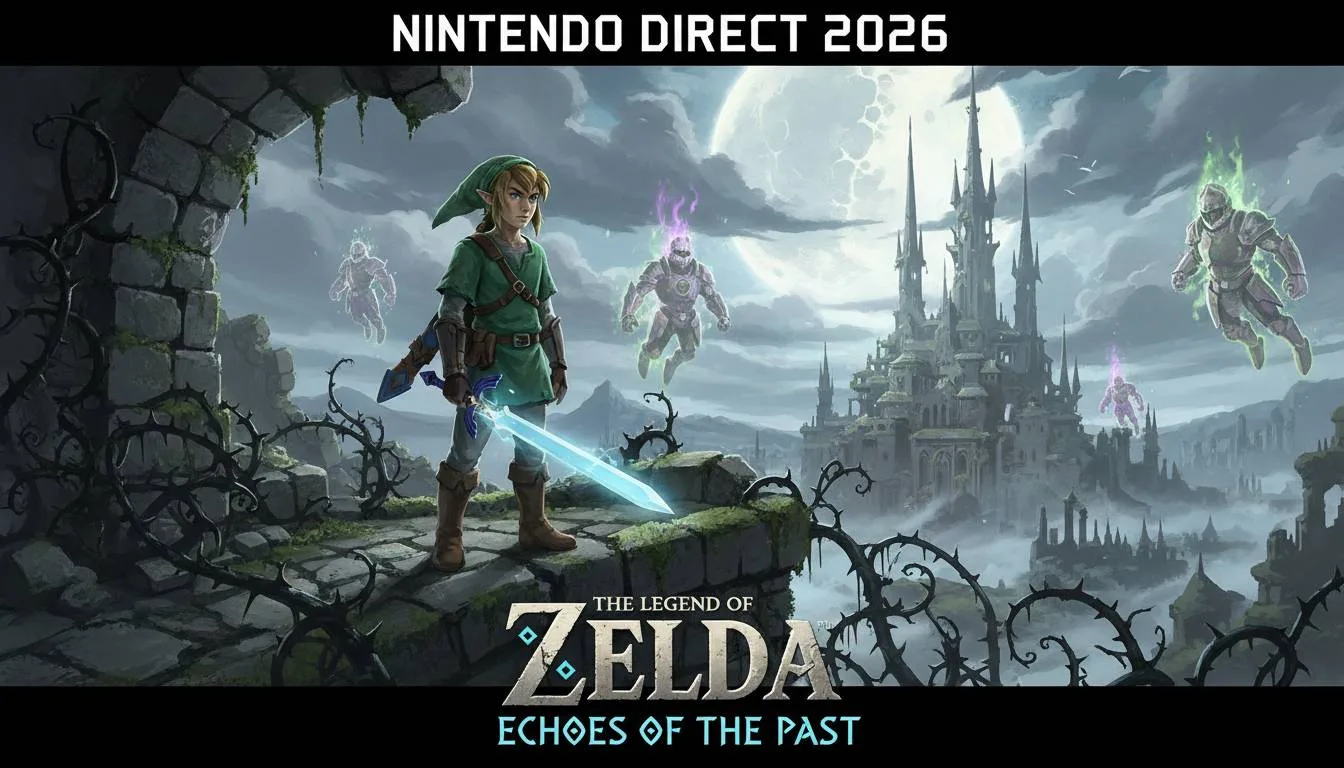
The Contrasting Gaming Landscape: A Sparse First-Party Calendar
The focus on film would feel particularly pronounced against the backdrop of a hypothetical sparse first-party game schedule. The last general-purpose Nintendo Direct in this scenario would have aired in September 2025, creating a significant information drought for the company’s flagship titles. The confirmed release calendar would be strikingly lean.
Following a title like Pokemon Pokopia in early March, the only other dated first-party game on the horizon might be Tomodachi Life: Living the Dream on April 16, 2026. This would highlight a notable gap in a proprietary software lineup, especially for new hardware like the Switch 2. The community’s most-wanted Direct fodder wouldn’t be a mystery; it would be a list of announced-but-undated titles that fans would be eager to see. Games like Yoshi and the Mysterious Book (slated for a hypothetical Spring 2026), Rhythm Heaven Groove, Splatoon Raiders, and Fire Emblem: Fortune's Weave represent the core gaming experiences that define a Nintendo console generation. The absence of dates for titles like Fire Emblem: Fortune's Weave, a core franchise for strategy fans, would be particularly notable. Their absence from recent broadcasts would be palpable.
Recent Alternative Showcases: Indie & Third-Party Support
To provide a balanced view, Nintendo in this scenario would not have been silent on games entirely. The company would likely have used other showcase formats to highlight content for its ecosystems. A Nintendo Indie World could air on March 3, 2026, delivering notable announcements including surprise shadow drops and console exclusives for the Switch 2, alongside 2026 release dates for several anticipated indie titles.
Furthermore, a potential "Partner Showcase" in early February 2026 could lay out a formidable third-party slate for the Switch 2, featuring major ports and exclusives. These shows would demonstrate robust external support for the platform.
However, this strategy would amplify, rather than alleviate, the core tension. While indies and third-party ports are welcome supplements, for many, the primary reason to buy into a Nintendo ecosystem is access to Nintendo’s own legendary franchises. The consistent showcasing of everything but those flagship games in recent months would only heighten the sense that a major first-party information void needs to be filled.

Reading the Strategy: Balancing Divisions and Timelines
Analyzing this hypothetical move requires separating Nintendo’s corporate divisions. From a pure marketing standpoint, the timing of such a Direct would be standard, high-stakes procedure. Dropping a final trailer roughly three weeks before a film’s premiere is a textbook move to build maximum theatrical buzz. For Illumination and Nintendo’s film arm, this Direct would be a crucial, focused tool.
The more intriguing speculation revolves around the concurrent silence on first-party games. Several theories could exist. Development cycles for major Switch 2 titles may align for a later, larger blowout—potentially a general Direct in the traditional summer timeframe. Nintendo may also strategically pace its announcements to avoid cannibalizing a movie’s hype or to ensure a steady stream of game news throughout a new console’s critical first year.
Fan sentiment in this scenario would inevitably be mixed. Movie fans and families would likely be thrilled with a dedicated, high-quality look at an upcoming blockbuster. The core gaming audience, however, may view it as a missed opportunity, a reminder of news they are not receiving. Nintendo’s perennial challenge is balancing these often-overlapping audiences.
Conclusion: A Test of Priorities
In this speculative future, a March 9 Direct focused solely on The Super Mario Galaxy Movie would undoubtedly satisfy moviegoers and build hype for a galactic cinematic adventure. Yet, for the gaming community, it would serve as a pointed reminder of unanswered questions. Their attention would remain fixed firmly on the horizon, waiting for the next general Direct to finally illuminate the path forward for Nintendo’s first-party slate.
The success of this balancing act would be measured later in the hypothetical 2026. If a summer Direct delivered a stacked lineup of first-party reveals, a movie-focused interlude would be quickly forgotten. If the first-party slate remained thin, however, the decision to dedicate Directs to film marketing would be scrutinized far more intensely. With a new console generation underway and a catalog of legendary franchises waiting in the wings, the stakes for Nintendo’s next major gaming reveal would be higher than ever.