Nintendo Confirms EU-Specific Switch 2 with User-Replaceable Battery - And It’s a Major Redesign
Why the EU Is Forcing Nintendo’s Hand The driving force behind this redesign is EU Regulation 2023/1542, adopted in August 2023 to replace the older Batteries Directive. Its Article 11 requires that...

Why the EU Is Forcing Nintendo’s Hand
The driving force behind this redesign is EU Regulation 2023/1542, adopted in August 2023 to replace the older Batteries Directive. Its Article 11 requires that portable batteries in “certain appliances”, including gaming consoles, be readily removable and replaceable by the end-user throughout the product’s lifetime. Full enforcement kicks in on February 18, 2027. Any console sold in the EU after that date must comply.
For Nintendo, the challenge is immediate. The current Switch 2 (model BEE-001) features a sealed battery that, according to a teardown by the repair experts at iFixit, requires removing the back plate, heatsink, and multiple cables to replace. That is not user-serviceable by any reasonable definition. Nintendo’s official European Consumer Information page directly quotes the regulation, stating that the company is “implementing measures to comply.” The page was live when multiple independent outlets verified its contents, though it has since been moved or taken offline, a small hiccup in an otherwise clear signal of intent.

The Redesign, What’s Actually Changing in the Hardware
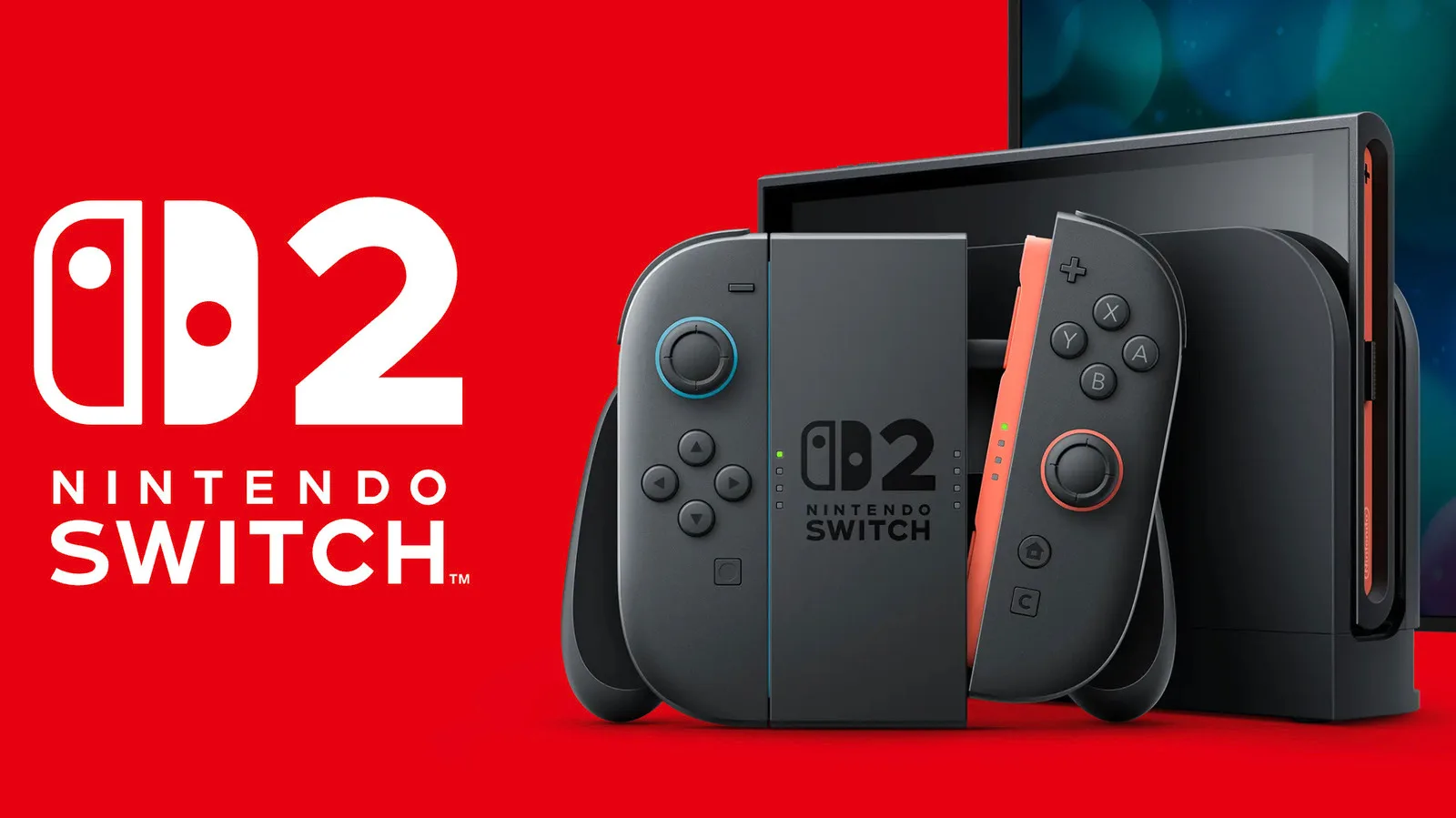
The EU-compliant units will be more than just a new SKU. They will carry unique model numbers distinguished by the additional code ‘OSM’ on the packaging. This code first surfaced as a mystery entry on Nintendo’s account portal earlier in 2026, sparking speculation among the community. Nintendo’s now‑archived European consumer page confirmed OSM as the EU variant designation, per reports from tech and gaming outlets that accessed the page before it was taken down.
The hardware changes go to the core of the console’s design. To meet the regulation’s requirement that batteries be removable without tools (or with common tools) and without damaging the device, Nintendo must reengineer the internal layout. The most likely solution is a removable back panel or a dedicated battery door, giving users direct access to the battery pack. This is a significant departure from the sleek, seamless shell Nintendo has historically favored.
The scope may extend beyond the console itself. Nintendo’s statement refers to “products with model numbers starting with BEE,” which includes the console (BEE-001), the Joy‑Con 2 controllers (BEE-012 and BEE-014), and the Pro Controller (BEE-008). All of these contain built-in batteries. While Nintendo has not confirmed revisions for every accessory, the wording leaves the door open. Controllers with user-replaceable batteries would be a first for a major console manufacturer in the modern era.
Notably, there are no plans to apply this revision to the original Switch (the HAC-code line). That product is likely too late in its lifecycle to justify a complete redesign, and its continued sale in the EU after February 2027 may be phased out or otherwise handled.
Pricing, Timing, and Consumer Impact
Nintendo has not announced an exact release date for the EU model, but it must launch before February 18, 2027. Industry analysts generally anticipate a release in early 2027, possibly alongside a broader hardware revision.
Pricing remains unknown. The standard Switch 2 was raised from €470 to €500 in May 2026 due to rising memory costs. The EU variant could carry a small premium to cover the retooling expenses, or Nintendo may absorb the cost to stay competitive at €500. The company has not yet commented on pricing for the redesigned unit.
For consumers, the benefits are substantial. Owners will be able to replace a degraded battery themselves after a few years, extending the console’s lifespan and avoiding expensive out-of-warranty repairs or having to send the unit away. This also reduces electronic waste, aligning with the EU’s Circular Economy Action Plan. However, there may be trade-offs. A user-replaceable battery typically requires a slightly thicker device, reduced water resistance, or a less seamless aesthetic. Nintendo has not disclosed any compromises, but they are likely.
Will This Spread Beyond Europe?
The EU is the first major region to mandate user-replaceable batteries in electronics, but it may not be the last. Earlier this year, reports from Japan indicated that if consumer right-to-repair awareness continues to grow, similar policies could spread to Japan and the United States. Japan’s Ministry of Economy, Trade and Industry has started exploring rules around repairability. In the U.S., right-to-repair bills are being considered at both state and federal levels, gaining bipartisan support.
Nintendo, for its part, has not announced any plans for a global revision. The OSM design remains EU-specific for now. But if other regions adopt comparable laws, the logic of maintaining separate production lines weakens. A single, globally compliant design would be cheaper and simpler. The EU model could become a template for a future worldwide Switch 2 revision, or at least a blueprint for how Nintendo will handle repairability in its next generation.
A Precedent Set for the Industry
The EU’s Batteries Regulation is proving that legislation can reshape even the most entrenched hardware designs. Nintendo’s decision to create an EU-specific Switch 2 with a user-replaceable battery marks a significant win for the right-to-repair movement and sets a precedent for the gaming industry. While the immediate impact is limited to European consumers, the ripple effects could eventually reach Japan, the U.S., and beyond. For now, gamers in the EU can look forward to a console that stays alive longer, and that’s a change worth celebrating.
Tags
- nintendo
- switch 2
- right-to-repair
- eu regulation
- replaceable battery
- gaming hardware