New York vs. Valve: Inside the Landmark Lawsuit Targeting Loot Boxes and Billions in Skin Trading
A single cosmetic gun skin sold for over $1 million. This is the extreme end of a virtual economy worth billions, built atop what New York State now calls "digital slot machines." On February 25,...


A single cosmetic gun skin sold for over $1 million. This is the extreme end of a virtual economy worth billions, built atop what New York State now calls "digital slot machines." On February 25, 2026, Attorney General Letitia James filed a landmark lawsuit against Valve Corporation, alleging its loot box systems are illegal gambling. This case isn't just about Counter-Strike 2 cases or Team Fortress 2 crates; it's a direct challenge to a foundational monetization model across the entire video game industry. The lawsuit asks a fundamental question: when does a video game feature cross the line into an unlicensed casino?
The Allegations - Slot Machines in Disguise?
The core of New York’s legal argument is stark. The state alleges that Valve’s systems for distributing virtual items in Counter-Strike 2, Team Fortress 2, and Dota 2 violate New York’s Constitution and Penal Law regarding gambling. The lawsuit draws a direct, provocative comparison: opening a CS2 weapon case is functionally equivalent to pulling the lever on a slot machine.
Players spend real money to purchase a key, which unlocks a case containing a random virtual item, typically a cosmetic weapon skin. The outcome is governed by a hidden probability system, with rare, desirable items appearing at very low rates. For the state, this triad of consideration (money), chance (the random roll), and a prize (the skin) meets the classic legal definition of a gambling operation. By operating this system without a license, New York contends Valve has built an illegal enterprise within its popular, free-to-play games.
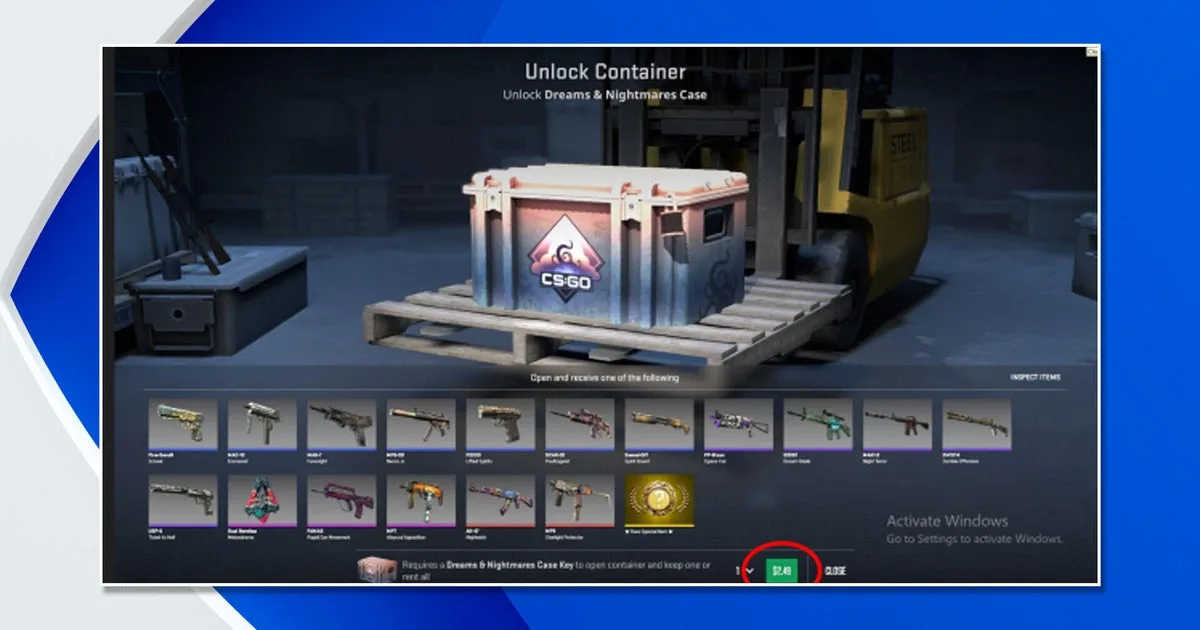
The Billion-Dollar Reality of Virtual Goods
A critical pillar of the lawsuit is dismantling the notion that these digital items are mere pixels with no tangible worth. Attorney General James’s complaint hinges on proving "real-world value," and the evidence presented is formidable. It cites the overall market for Counter-Strike skins, valued at over $4.3 billion as of March 2025. It also highlights the extreme end of this market: a single, exceptionally rare gun skin that reportedly sold for over $1 million in 2024.
This value is not abstract. It is realized through Valve’s own Steam Marketplace, where users can buy and sell these items, often converting them back into Steam Wallet funds usable across the platform. Furthermore, a vast ecosystem of unregulated third-party trading sites facilitates cash transactions outside of Valve’s direct control, creating a liquid, real-money economy entirely predicated on the randomized items Valve distributes. The state argues this undeniable monetary value transforms the loot box transaction from a playful surprise into a high-risk wager.
The Human Cost and Legal Precedent
Beyond the financial mechanics, the lawsuit outlines a alleged human cost. The complaint asserts that these systems are "addictive and harmful," posing a particular risk to children and teenagers. It cites the potential for fostering gambling addiction at a young age, alongside related harms like account hacking, phishing scams, and exposure to unregulated gray-market sites as players seek to cash out.
This legal offensive comes with notable context. Valve successfully defeated a string of similar lawsuits in 2022, with courts often siding with the argument that skins were not "things of value" under certain state laws. New York’s approach appears designed to overcome that precedent by aggressively establishing the skins’ real-world market value. The action is also part of a growing global regulatory tide. Notably, a 2025 European Parliament committee report recommended a ban on loot boxes for minors under 16, signaling increasing political will to confront the issue.
Valve's Position and the Genesis Uplink Shift
Faced with this renewed assault focused squarely on establishing "real-world value"—the very argument that defeated past lawsuits—Valve’s defense strategy appears to be evolving. Beyond relying on past precedents that emphasized player agency and the cosmetic nature of items, a fascinating strategic wrinkle emerged just months before the lawsuit. In September 2025, Valve introduced the "Genesis Uplink Terminal" to Counter-Strike 2. This feature allows players to directly purchase specific, older skin collections for a fixed price, bypassing the loot box mechanic entirely.
Industry analysts immediately questioned if this was a proactive pivot. Was Valve, seeing the regulatory writing on the wall, beginning to transition its monetization away from pure randomness? For New York’s case, this move could be a double-edged sword. Valve might argue it is already providing non-random alternatives, evolving its model. Conversely, the state could contend that the introduction of a direct-purchase option tacitly acknowledges the problematic nature of the loot box system it aims to replace, and that the change is too little, too late for the billions already earned.
Potential Outcomes and Industry-Wide Implications
The remedies sought by Attorney General James are severe: a permanent injunction to stop the alleged gambling features, the disgorgement of all "ill-gotten gains," and the payment of substantial fines. The potential outcomes range from a definitive Valve victory that solidifies the legal status quo for loot boxes in the U.S., to a catastrophic loss that forces an immediate and monumental overhaul of how the company—and perhaps the industry—operates.
The ripple effects of a ruling against Valve would be seismic. Major publishers utilizing similar "surprise mechanics" in games like EA Sports FC, Overwatch 2, and Genshin Impact would face immediate legal peril in New York and likely inspire similar actions in other states. It could accelerate a global shift toward direct purchase stores, battle passes, or heavily regulated "skinner boxes" with published odds and spending limits. The fundamental revenue model for much of live-service gaming is on the docket.
This lawsuit represents a pivotal battle in the decade-long debate over loot boxes. It moves beyond the court of public opinion into a court of law, where definitions of gambling, value, and consumer harm will be tested. The outcome hinges on whether a state can successfully argue that a digital capsule holding a virtual sniper rifle is legally akin to a casino chip. More than just a case against Valve, this is a potential watershed moment. The verdict will not only determine the future of three flagship games but could redraw the line between gaming and gambling for the entire industry. The core question remains: will the future of live-service gaming be defined by the spin of a virtual wheel, or the certainty of a direct purchase?
Tags: Valve Lawsuit, Loot Boxes, Gaming Regulation, Counter-Strike 2, Video Game Gambling