Monster Hunter Stories 3: Twisted Reflection Review – A Polished, Mature Evolution for the Spinoff Series
A Kingdom in Peril: Story, Setting, and a New Maturity The tonal shift is immediate and significant. For the first time in the series, you are not a wide-eyed novice. You are the prince or princess...

A Kingdom in Peril: Story, Setting, and a New Maturity
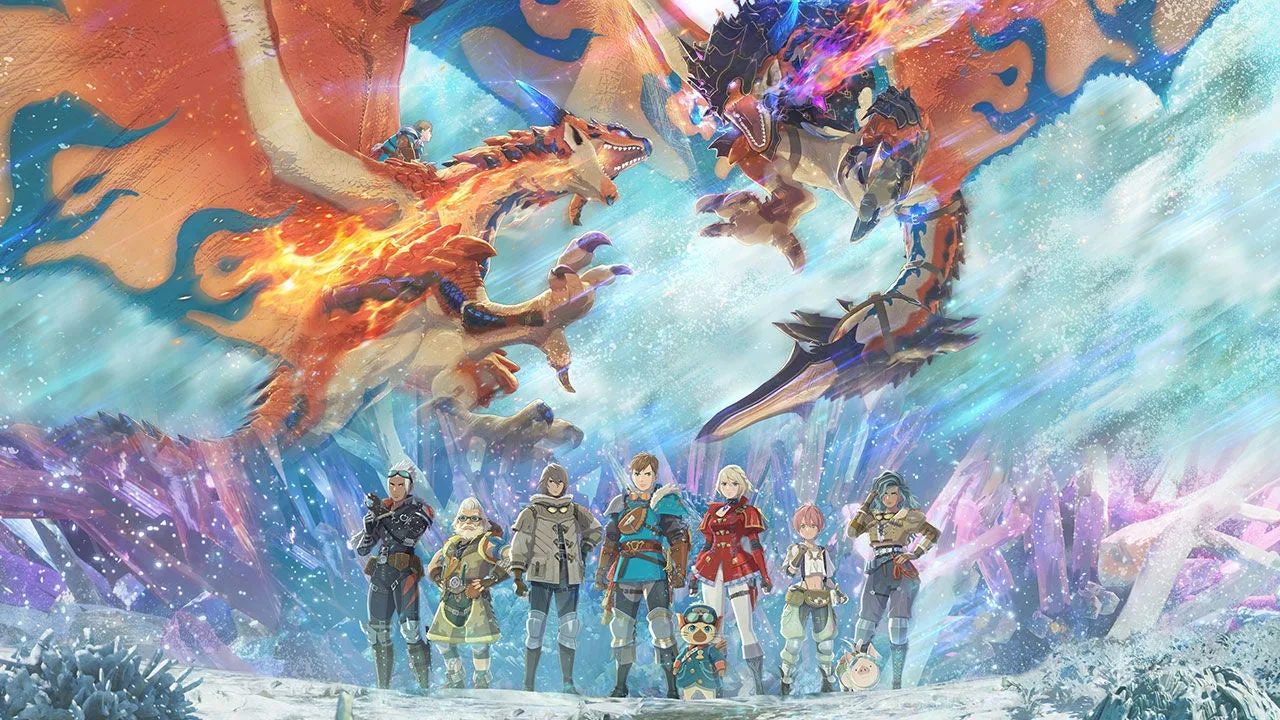
The tonal shift is immediate and significant. For the first time in the series, you are not a wide-eyed novice. You are the prince or princess of the kingdom of Azuria, an established adult who already holds the rank of captain within the Rangers, an environmentalist order of Riders. This isn’t a coming-of-age tale; it’s a story of leadership and responsibility in the face of catastrophe. The central conflict is a war with the rival kingdom of Vermeil, but it’s overshadowed by the existential threat of the “Crystal Encroachment”—a mysterious phenomenon that petrifies life into crystal and drives monsters into a “Feral” state. This environmental crisis lends the narrative a gravity the series previously lacked, framing your actions within a compelling, eco-conscious struggle.
This mature foundation is bolstered by smart narrative design. The tutorial is seamlessly woven into the plot as your character mentors a new recruit, avoiding the clumsy info-dumps of lesser RPGs. Your new Palico companion, Rudy, is a marked improvement, offering sensible support without the overbearing antics of past sidekicks. You are an authority figure from the outset, and the story treats you—and by extension, the player—with a respect that deepens immersion. It’s a confident narrative step that signals Twisted Reflection is aiming for a more sophisticated experience.
The Heart of the Hunt: Hatching, Habitats, and the Core Loop
If the story provides the stakes, the revamped monster-raising mechanics provide the soul. The core loop here is brilliantly addictive and represents the game’s greatest triumph. It begins in monster dens, where you can now carry up to 12 eggs at once, drastically reducing tedious back-and-forth trips. Hatching these eggs to discover your new Monstie remains a joyous moment of anticipation.
The genius, however, lies in the new “Habitat Restoration” system. This isn’t just about collecting monsters; it’s about cultivating an ecosystem. By releasing hatched monsters back into the wild in specific zones, you actively upgrade those habitats. This, in turn, causes rarer monster eggs and powerful variants to spawn there. It creates a profoundly rewarding, player-driven feedback loop: explore, gather eggs, hatch and raise Monsties, release them to improve the world, which then offers better rewards for further exploration. This loop becomes the game’s primary long-term drive, a compelling reason to engage with every corner of its world.
This focus on depth does come with a trade-off. The overall roster of tameable Monsties is smaller compared to previous games. Capcom has clearly chosen to prioritize meaningful interaction with a curated bestiary over sheer volume. For players whose primary joy is completing a vast digital encyclopedia, this may be a drawback. For those who crave a deeper, more integrated relationship with their monsters and the environment, it’s a masterful design decision.
Refined Claws and Fangs: Battle System Innovations & Exploration Freedom
The turn-based “Head-to-Head” battle system returns, built on the familiar Rock, Paper, Scissors dynamic of Power, Speed, and Technique attacks. This system remains divisive; its predictability can feel restrictive to some, while others enjoy the strategic layer of predicting enemy patterns. Where Twisted Reflection innovates is in the quality-of-life and new tactical options layered on top.
Key improvements are everywhere. Riders can now switch between three equipped weapons mid-battle, allowing for dynamic responses to enemy weaknesses. The new “Wyvernsoul Gauge” adds a strategic objective—deplete it to stun foes—while the flashy “Synchro Rush” attack delivers spectacular co-operative damage. Separated Kinship and Stamina gauges offer more control, and crucial tweaks like the ability to one-shot weaker monsters in the overworld and double battle animation speed eliminate major pacing frustrations from prior entries.
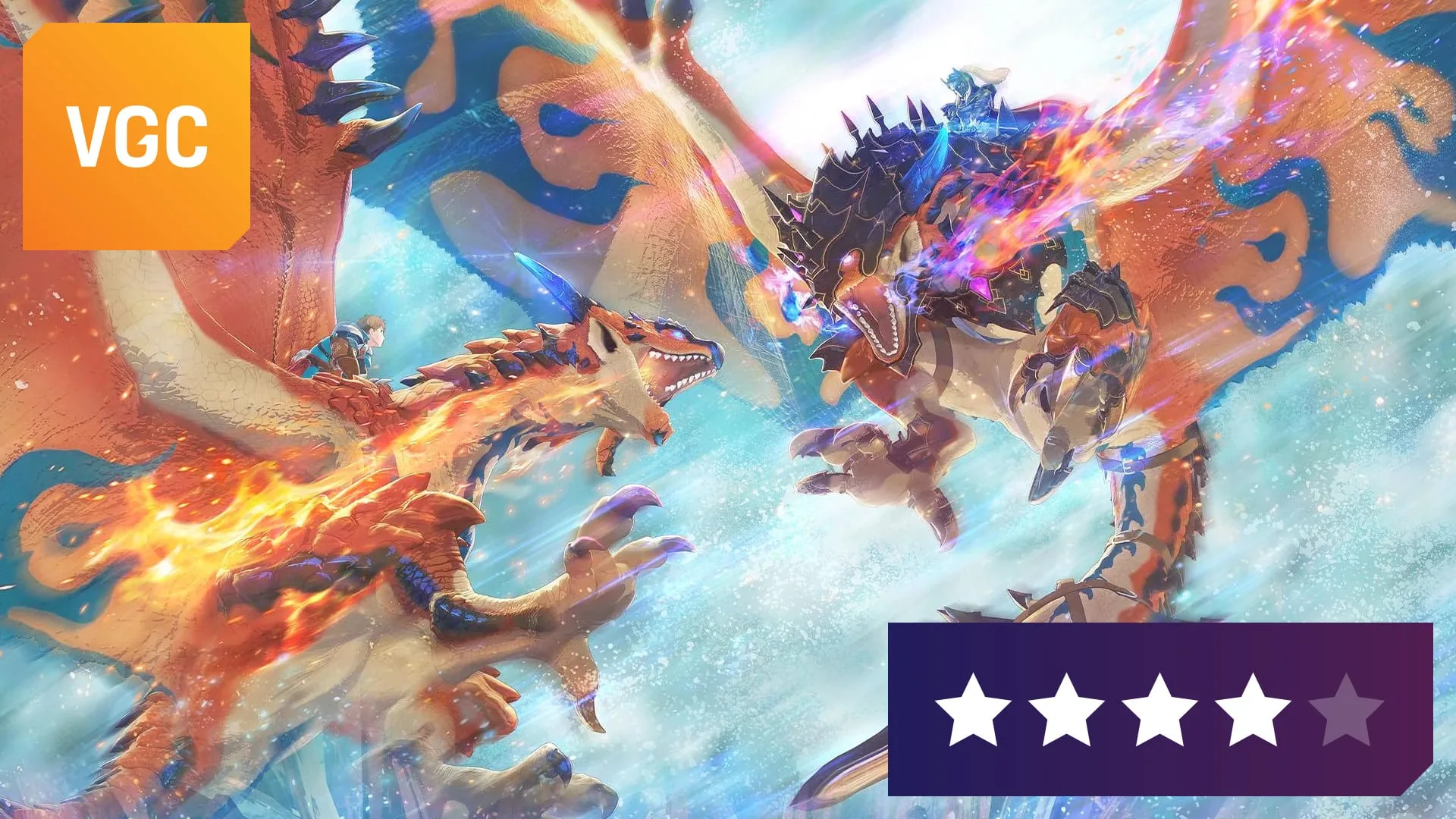
Perhaps the most revolutionary change, however, is in exploration. Remember the lengthy wait for a flying mount in Stories 2? Gone. You begin Twisted Reflection with a fully-grown Rathalos, granting immediate flight and glide capabilities. Furthermore, Monsties now possess multiple “Riding Actions” (Fly, Swim, Climb), making your exploration team far more flexible. Need to scale a cliff and then cross a lake? One well-chosen Monstie can do both. This freedom dismantles the early-game barriers of old, making the world feel truly open and rewarding to traverse from the very first hours.
Beauty, Scope, and Notable Omissions
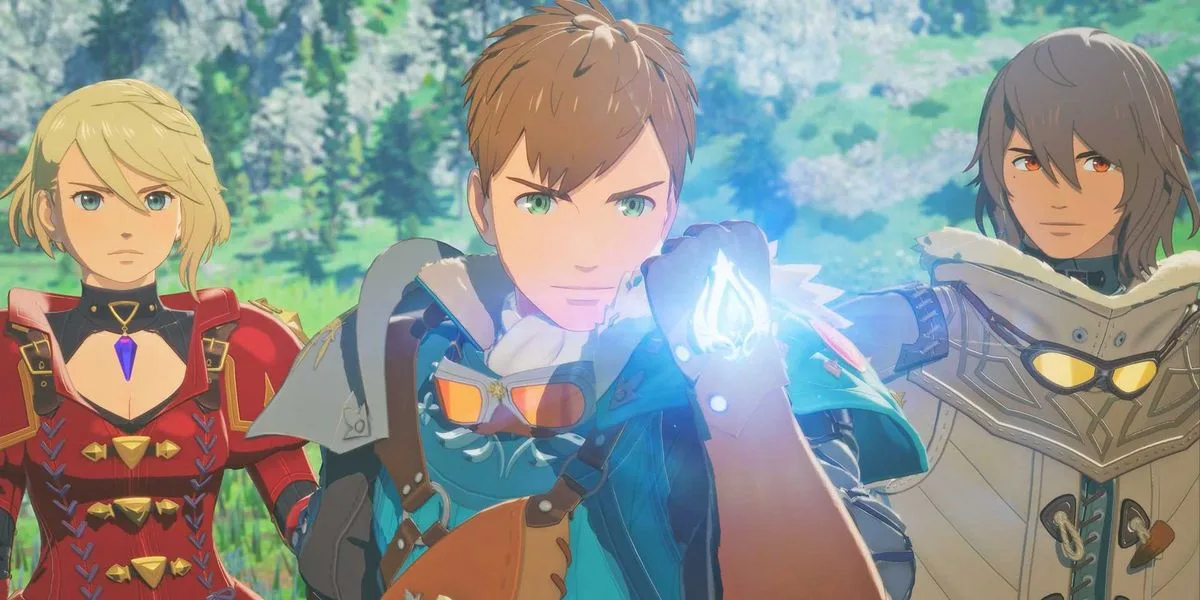
Twisted Reflection is a stunning game. Its beautiful, cel-shaded anime art style is vibrant and expressive, arguably ranking among the best-looking titles of its generation. Performance is solid, with reports of a stable 60 FPS at 1080p on Xbox Series X in its Balanced mode. The scope is substantial, spanning four distinct open zones. The critical path will take most players around 40 hours, but engagement with the Habitat Restoration system and other optional content can easily balloon that to 75 hours or even 120+ hours for completionists.
This polish makes the game’s few omissions all the more conspicuous. The most significant are the lack of any multiplayer component and the absence of a High Rank post-game. For a series that previously featured co-operative dens and PvP, the removal of multiplayer is a notable step back. Similarly, veterans accustomed to a second, more challenging campaign tier after the credits roll will find the endgame focused solely on habitat completion and rare variant hunting. Another point of friction is the inability to directly control AI Battle Allies, which can sometimes lead to frustrating strategic missteps during story missions.
Despite these cut features, the experience that remains is exceptionally polished. As critic Dave Aubrey noted in his 4 out of 5 review for VGC, it's "one of the most fun Capcom JRPGs in a long time." This quality is evident in the cohesive, rewarding gameplay loop and the sheer confidence of its presentation.
Final Thoughts
Monster Hunter Stories 3: Twisted Reflection is a high-quality, focused JRPG that excels in delivering its core fantasy: the profound satisfaction of raising monsters to heal a broken world. Its specific omissions—no multiplayer, a smaller roster, no High Rank—are genuine concessions that will understandably disappoint some series loyalists.
Yet, what remains is so exceptionally polished and engaging that it stands strong on its own merits. The mature narrative, the incredibly rewarding Habitat Restoration loop, the unprecedented exploration freedom, and the gorgeous presentation coalesce into a confident and compelling adventure. It’s a spinoff that has truly found its own identity, proving that sometimes, evolution means growing up and focusing on what you do best.
Monster Hunter Stories 3: Twisted Reflection launches on March 13, 2026, for PC (Steam), PlayStation 5, Xbox Series X|S, and Nintendo Switch 2 for $69.99.
Tags: Monster Hunter Stories 3, Twisted Reflection, JRPG Review, Capcom, Monster-Taming