MindsEye Layoffs: CEO's Sabotage Claims vs. The Reality of Studio Mismanagement
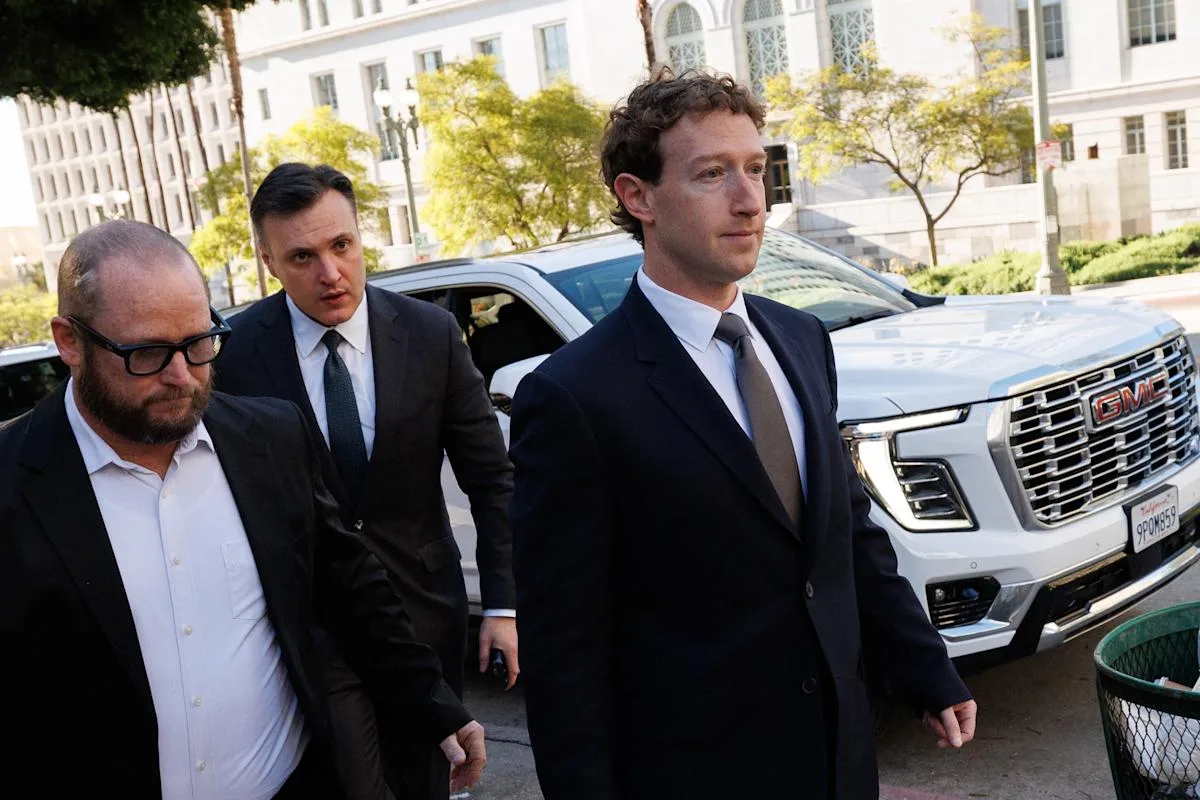
On March 4, 2026, Build a Rocket Boy co-CEO Mark Gerhard took to LinkedIn to announce another round of layoffs at the embattled studio. The message was not a standard corporate apology. Instead, it...

On March 4, 2026, Build a Rocket Boy co-CEO Mark Gerhard took to LinkedIn to announce another round of layoffs at the embattled studio. The message was not a standard corporate apology. Instead, it was a dramatic declaration of war. Gerhard attributed the studio’s latest cuts and the catastrophic failure of its debut game, MindsEye, to what he described as “criminal activity,” specifically “organized espionage and corporate sabotage.”
Yet, this official story exists in stark contradiction to a chorus of reports from within the studio’s own walls and its publishing partners, which paint a picture of internal chaos, brutal mismanagement, and a fundamental lack of direction. This latest chapter forces a critical question: Is Build a Rocket Boy the victim of an unprecedented sabotage campaign, or is its leadership constructing an elaborate fiction to obscure a profound managerial failure?
The Official Narrative: A CEO's Tale of Espionage and Sabotage
Mark Gerhard’s LinkedIn post laid out a bold and legally charged defense. He stated the studio possessed “overwhelming evidence” gathered from a months-long investigation involving external partners and legal advisors. This evidence, he claimed, pointed directly to malicious acts that compromised the game’s development and launch. Crucially, he asserted the matter was now “moving toward prosecution,” which legally restricted him from sharing full details publicly. This framing positioned the layoffs not as a business failure, but as a necessary response to criminal victimization.
This is not a new narrative for Build a Rocket Boy’s leadership; it’s a recurring theme that has escalated over time. In February 2026, a leaked internal meeting revealed Gerhard accusing a “very big American company” of orchestrating a sophisticated smear campaign against the studio and its founders, an effort he claimed cost over €1 million. This entity was later identified not as a tech giant, but as Ritual Network, a small UK-based PR firm. The saga extended to content creators in January 2026, when Gerhard threatened a cease and desist against YouTuber Cyber Boi—a former associate of Ritual Network—over a video discussing co-founder Leslie Benzies. Together, these incidents form a consistent pattern: any negative press, critical coverage, or internal dissent is framed not as a consequence of the studio’s actions, but as evidence of a coordinated external attack.
The Contradictory Reality: Internal Reports of Chaos and Mismanagement
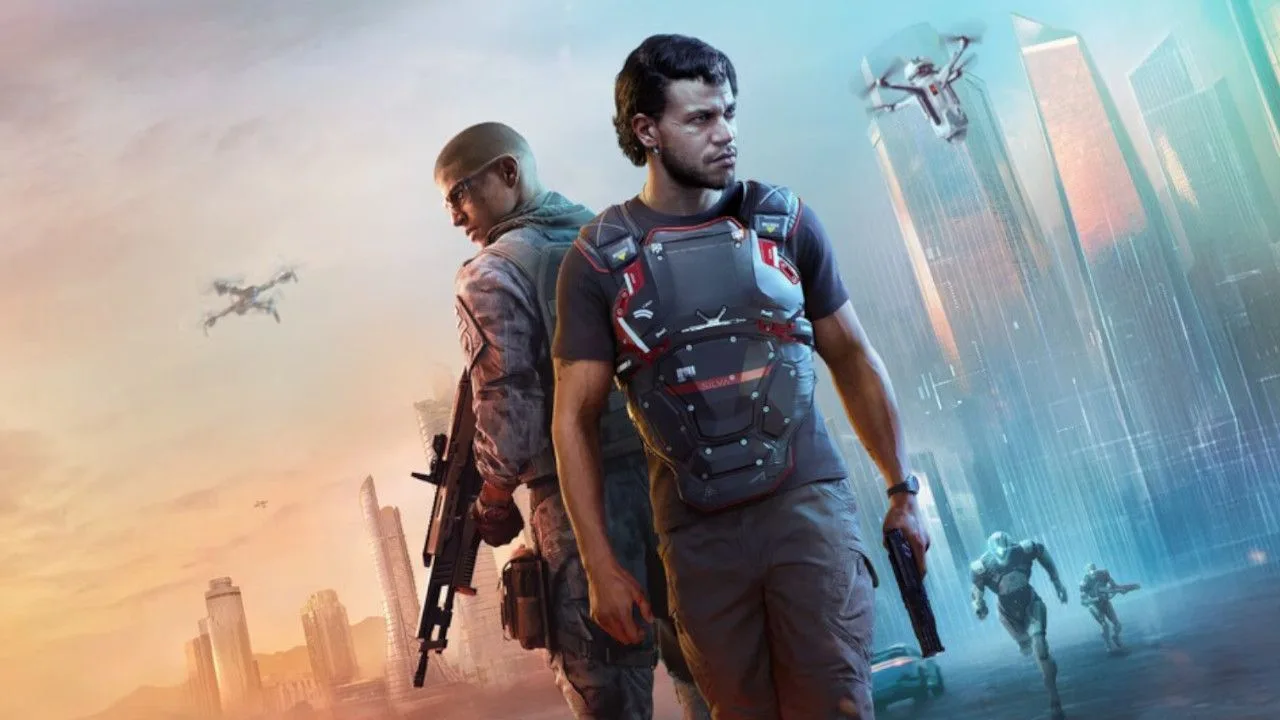
The espionage narrative crumbles under the weight of consistent, corroborating reports from developers, journalists, and, most damningly, the game’s own publisher, IO Interactive. The counter-narrative points squarely to internal dysfunction as the root cause of MindsEye’s failure. Multiple sources have described a development cycle marred by a brutal crunch culture, gross mismanagement, and a fundamental lack of coherent creative direction. Reports suggest leadership was frequently absent or disengaged, leaving teams without clear vision or achievable goals.
The public reaction to Gerhard’s latest claims speaks volumes. Former Build a Rocket Boy brand director Chad McNeil responded directly to the LinkedIn announcement with a single, telling comment: “Delusional!” This sentiment echoes the private frustrations of many former and current employees. Furthermore, publisher IO Interactive has publicly distanced itself from the sabotage claims, instead pointing to the challenging development partnership. This context is essential: MindsEye launched in 2025 to scathing reviews and disastrous commercial performance, widely cited as one of the year’s biggest critical failures. The idea that its myriad technical issues, poor design choices, and unfinished state were solely the work of saboteurs, rather than the outcome of a troubled production, strains credibility against this overwhelming evidence of internal turmoil.

The Human and Strategic Cost: Layoffs, Cancellations, and a Studio in Crisis
The human cost of this crisis continues to mount. While the exact number from the March 2026 layoffs was not disclosed, it follows the loss of approximately 300 jobs in 2025. Each round of redundancies represents shattered careers, relocated families, and deep personal uncertainty for developers who invested years in the project.
Strategically, the studio is in a tailspin. The previously teased 2026 content roadmap for MindsEye now hangs in severe doubt. More concretely, a planned crossover event with the popular Hitman franchise—a potential lifeline for player engagement—has been officially canceled. This decision signals a stark retreat from live-service ambitions and severs a valuable partnership. For the remaining staff, morale must be catastrophically low. Working under leadership that consistently blames nebulous external threats for systemic failures creates a toxic environment devoid of accountability or a clear path to improvement. The focus on litigation and shadowy conspiracies diverts critical energy and resources away from the monumental task of stabilizing what remains of the studio.
Industry Pattern or Unique Meltdown? Contextualizing the MindsEye Saga
Is the Build a Rocket Boy situation a unique meltdown or part of a disturbing industry pattern? While most studios facing failure issue vague statements about “market conditions” or “restructuring,” openly alleging criminal sabotage by named entities is extreme. Alleging criminal espionage and naming specific external entities as the cause of a game's commercial failure represents a significant escalation from the standard playbook. However, the core tactic—deflecting blame from leadership—is regrettably familiar.
The potential consequences of this public strategy are severe. Making such serious, public allegations without presenting evidence risks devastating the studio’s industry relationships. Who would partner with a studio that attributes all failure to external malice? It also opens the company to significant legal liability, both from the entities it has accused and from shareholders if the claims are deemed misleading. The fundamental issue is a credibility gap. The sabotage story, reliant on pending legal action that may never materialize, struggles against the tangible, consistent, and multi-sourced reports of internal chaos. When former executives call leadership “delusional” and a major publisher contradicts the narrative, the official version becomes increasingly difficult to accept at face value.
The tragedy of the MindsEye saga is not found in boardroom conspiracy theories, but in the hundreds of skilled developers who have lost their jobs. The repeated layoffs are a direct human cost of a project that failed to find its footing. While the possibility of minor external interference can never be entirely ruled out in a competitive industry, the preponderance of evidence points overwhelmingly to severe internal failures in management, vision, and culture as the primary causes of this downfall.
The danger of the blame-shifting narrative championed by Build a Rocket Boy’s leadership is that it obstructs genuine accountability. For an industry that must learn from its high-profile failures to protect its workers, stories like this must be examined with clear eyes. True progress requires acknowledging internal flaws, not constructing elaborate tales of external villains. The future of the studio depends on confronting the reality within its own walls. For the wider industry, the MindsEye saga serves as a stark reminder that sustainable development requires cultures of accountability, not conspiracy.
Tags: Build a Rocket Boy, MindsEye, Video Game Industry, Studio Layoffs, Game Development Crisis