Mewgenics' Meteoric Rise: How an 8-Year Indie Dev Dream Recouped Its Cost in 3 Hours
In an industry where development cycles are scrutinized and financial risks are high, a single statistic can redefine expectations. Imagine a scenario where the indie game Mewgenics achieves a...

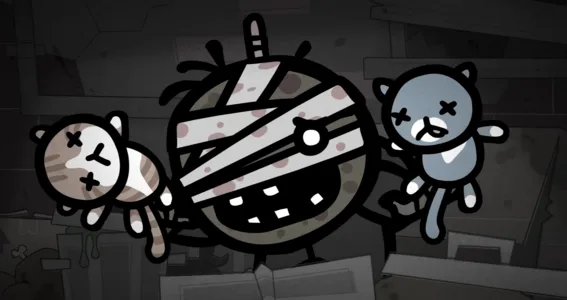
In an industry where development cycles are scrutinized and financial risks are high, a single statistic can redefine expectations. Imagine a scenario where the indie game Mewgenics achieves a milestone so staggering it sends ripples through the gaming community: recouping its entire multi-year development budget within mere hours of launch. This hypothetical financial lightning strike would stand in stark contrast to the game’s own history—a protracted saga of announcement, cancellation, and rebirth spanning over a decade. The immediate question is how a tactical roguelike about breeding cats could achieve this. The answer lies in a potent alchemy of developer pedigree, immense gameplay scope, and a community that has waited years for the promise to be fulfilled. This analysis explores the conditions that could make such a launch not just possible, but probable.
Disclaimer: This article is a speculative analysis based on the game's announced details, the developers' renowned track records, and industry patterns. It is not a report of actual future events.
The Long Road to Launch: A Development Saga
The story of Mewgenics is a testament to creative perseverance. The project was first unveiled to the world in 2012 by Edmund McMillen, fresh off the breakout success of The Binding of Isaac. Initially conceived as a "Sims-like cat-breeding RPG," the game entered a long period of quiet development before being officially put on indefinite hold in the mid-2010s. For many, it became a legendary "what if" in McMillen’s catalog.
The project’s salvation came in 2018. McMillen handed the reins to programmer and developer Tyler Glaiel, effectively rebooting the game from the ground up. This pivot wasn't a simple revival; it was a complete reimagining. Glaiel reframed the core concept from domestic simulation to strategic combat. The reboot centered on assembling teams of genetically unique cats for turn-based battles in procedurally generated dungeons, merging deep breeding mechanics with roguelike strategy. The total timeline, from initial announcement to its forthcoming release, spans over a decade, representing one of the more epic development journeys in modern indie gaming—a journey defined not by stagnation, but by significant creative evolution.
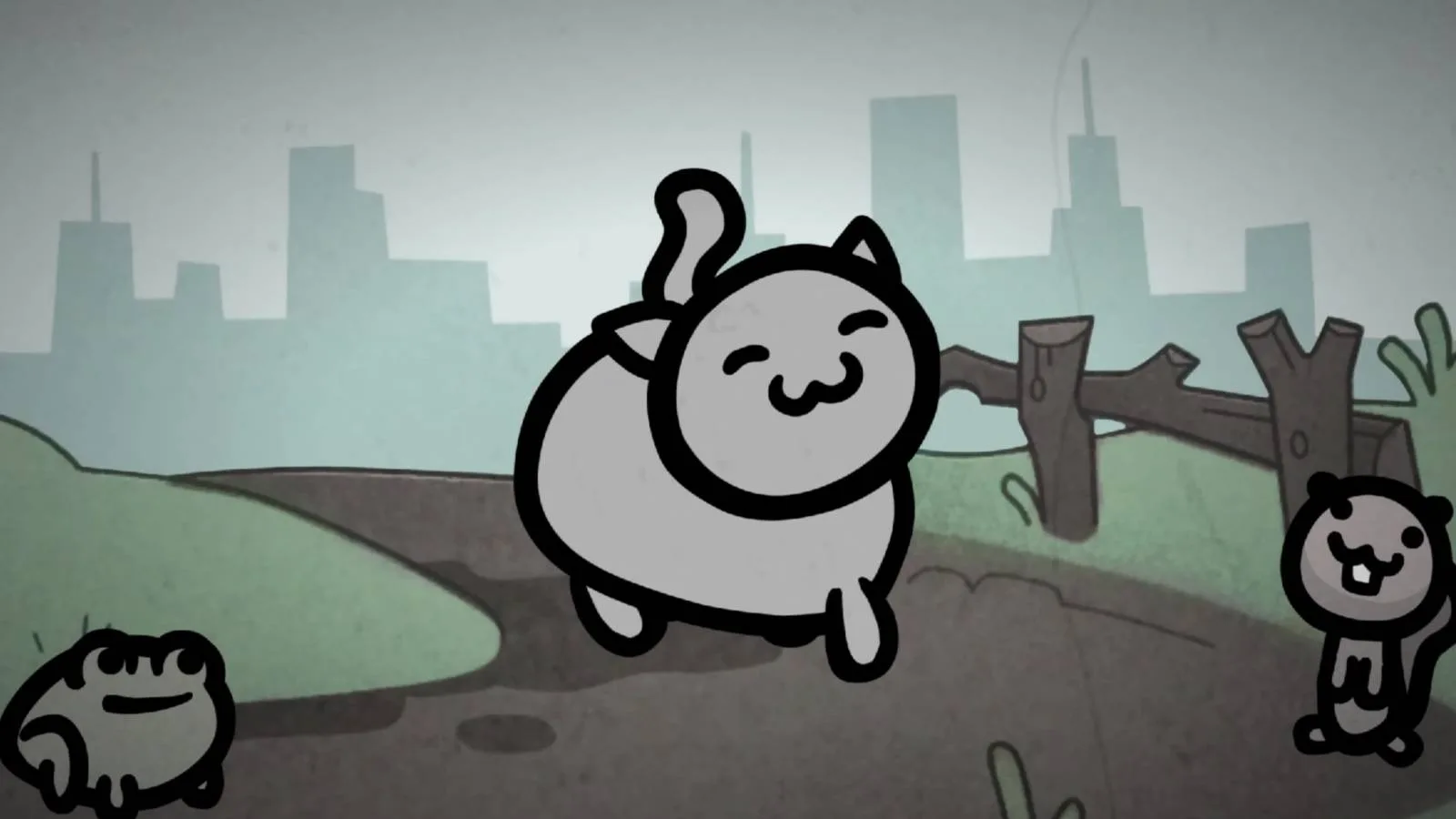
Launch Day Fireworks: Unpacking a Potential Record-Breaking Scenario
In a successful launch scenario, the metrics for Mewgenics could read like a developer’s fantasy. The headline would be recouping all development costs in just a few hours, but the supporting data would need to be equally explosive.
Sales velocity would need to be unprecedented. To achieve the discussed milestone, the game could need to sell over 150,000 copies in its first 5.5 to 6 hours, potentially skyrocketing past 250,000 copies in under 12 hours—a figure the developers have pre-defined as their benchmark for success. To contextualize this, such a launch would have to shatter the first-day sales record of McMillen’s previous major hit, The Binding of Isaac: Rebirth, which sold 40,000 copies at release.
On the platform front, Mewgenics would need to ascend to become the best-selling game on Steam on launch day, outperforming contemporary live-service giants. Player engagement would have to mirror commercial success, with the game reaching a significant concurrent player peak on Steam. This wouldn't just be a successful launch; it would be a historic event that redefines what is possible for a niche indie title.
The "Why": Ingredients for a Potential Instant Hit
Several key factors converge to create the potential for this perfect launch storm.
Developer Pedigree: The "McMillen Factor" cannot be overstated. Edmund McMillen has built a reputation, through The Binding of Isaac and Super Meat Boy, for delivering uniquely creative, deeply replayable, and uncompromising games. This has cultivated immense trust within a massive audience. His name on a project, especially one dormant for so long, acts as a powerful seal of quality and curiosity. Tyler Glaiel’s own respected technical prowess provides further assurance.
Critical & Player Acclaim: For the game to reach its potential, it wouldn’t just need to sell; it would need to be celebrated. A high Metascore and an immediate "Overwhelmingly Positive" rating on Steam would be critical. This dual acclaim would create a powerful signal: that this is a quality product delivering on its long-held promise.
Gameplay Depth & Scope: Mewgenics offers the blueprint for undeniable value. Edmund McMillen has stated that an average player could expect over 200 hours to complete everything the game has to offer. The core hook—"tactical roguelike cat-breeding"—is uniquely bizarre and compelling, promising layers of strategy, customization, and emergent storytelling. It isn’t designed as a fleeting experience; it’s a system-driven game built for long-term engagement.
Timing & Hype: The game benefits from a rare form of cultivated anticipation. The 2012 announcement created an initial wave of interest that never fully dissipated, turning the game into a myth within certain gaming circles. The 2018 reboot and subsequent transparent development updates by Glaiel and McMillen have transformed that dormant curiosity into active, informed hype. By launch day, a dedicated community is primed and ready.
Beyond the Launch: What This Success Would Mean
The immediate impact of such success would be the unequivocal validation of the developers' vision and a decade of work. It would secure the project’s future and fund potential long-term support. McMillen has hinted at potential future DLC, suggesting that Mewgenics is envisioned as a platform for ongoing content—a plan that would be firmly underpinned by this financial reality.
For the indie development landscape, Mewgenics serves as a powerful hypothetical case study. It demonstrates that for projects helmed by creators with established trust and a clear, compelling vision, lengthy development cycles are not necessarily a liability. The payoff can be monumental. It reinforces the value of a direct connection with an audience and proves that in an era of blockbuster budgets, a deeply weird, meticulously crafted game can top the sales charts.
Mewgenics’ story is ultimately one of creative resilience. It’s a narrative that moved from a dormant idea to a highly anticipated launch, powered by the unwavering belief of its creators and the patient faith of its community. For developers, it stands as proof that deep audience trust can justify immense creative patience. For players, it's the potential reward for a decade of faith. In this scenario, the game’s rapid recoupment would not just be a financial statistic; it would be the explosive punctuation mark on a sentence that took over a decade to write. It would confirm that in gaming, delivering a product that profoundly meets expectations can turn a long-awaited dream into an instant legend, ensuring Mewgenics would be remembered not for how long it took, but for how decisively it arrived.
Tags: Mewgenics, Edmund McMillen, Indie Games, Steam, Game Development, Analysis