Mewgenics: How a 14-Year-Old Cat-Breeding Dream Became Steam's #1 Seller in 3 Hours
In the hyper-competitive landscape of modern PC gaming, achieving profitability is a marathon. For Mewgenics , it was a three-hour sprint. On February 10, 2026, the long-awaited project from...

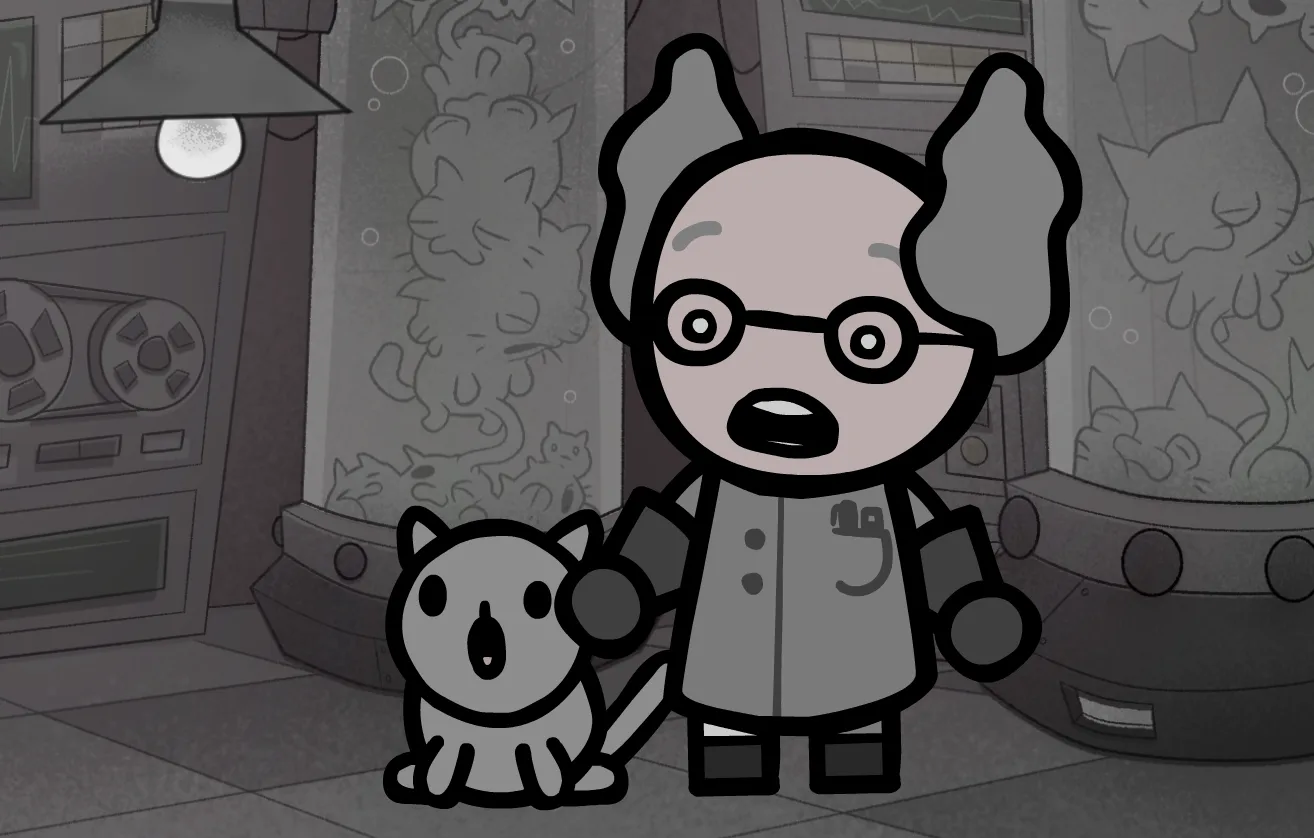
In the hyper-competitive landscape of modern PC gaming, achieving profitability is a marathon. For Mewgenics, it was a three-hour sprint. On February 10, 2026, the long-awaited project from legendary indie developer Edmund McMillen (The Binding of Isaac) and programmer Tyler Glaiel did the unthinkable: it recouped its entire development budget within approximately 180 minutes of launch. This staggering commercial feat was the explosive capstone on a development saga spanning 14 years, multiple cancellations, and a complete genre reinvention. The immediate question for the industry was simple: what is it about this "tactical cat-breeding roguelike" that commanded such instant, overwhelming success from both players and critics? The answer lies in a confluence of developer legacy, audacious genre innovation, and a potent value proposition—a formula we'll deconstruct below.
From Development Limbo to Launch Day Phenomenon
The story of Mewgenics is a masterclass in indie game perseverance. First announced by Edmund McMillen around 2012, the project entered a prolonged period of public uncertainty. By 2016, it was officially canceled, seemingly destined to become another fascinating "what-if" in gaming lore. The dream was revived in 2018 when McMillen partnered with Tyler Glaiel, a collaboration that proved pivotal. The final, crucial creative decision came in 2020, when the duo committed fully to reimagining the game as a turn-based tactical experience.
This long gestation made the launch day metrics all the more spectacular. Upon release, Mewgenics instantly claimed the top spot as the number one global top seller on Steam. The numbers told a story of pent-up demand meeting critical execution: 152,000 copies sold in the first 5.5 hours, shattering internal projections. Player engagement was equally immense, with over 65,000 concurrent players on Steam and nearly 85,000 concurrent viewers tuning in on Twitch to witness the bizarre feline strategy unfold. In an era of cautious wishlists, this was a decisive, day-one avalanche of support.
Deconstructing the "Tactical Cat-Breeding Roguelike"
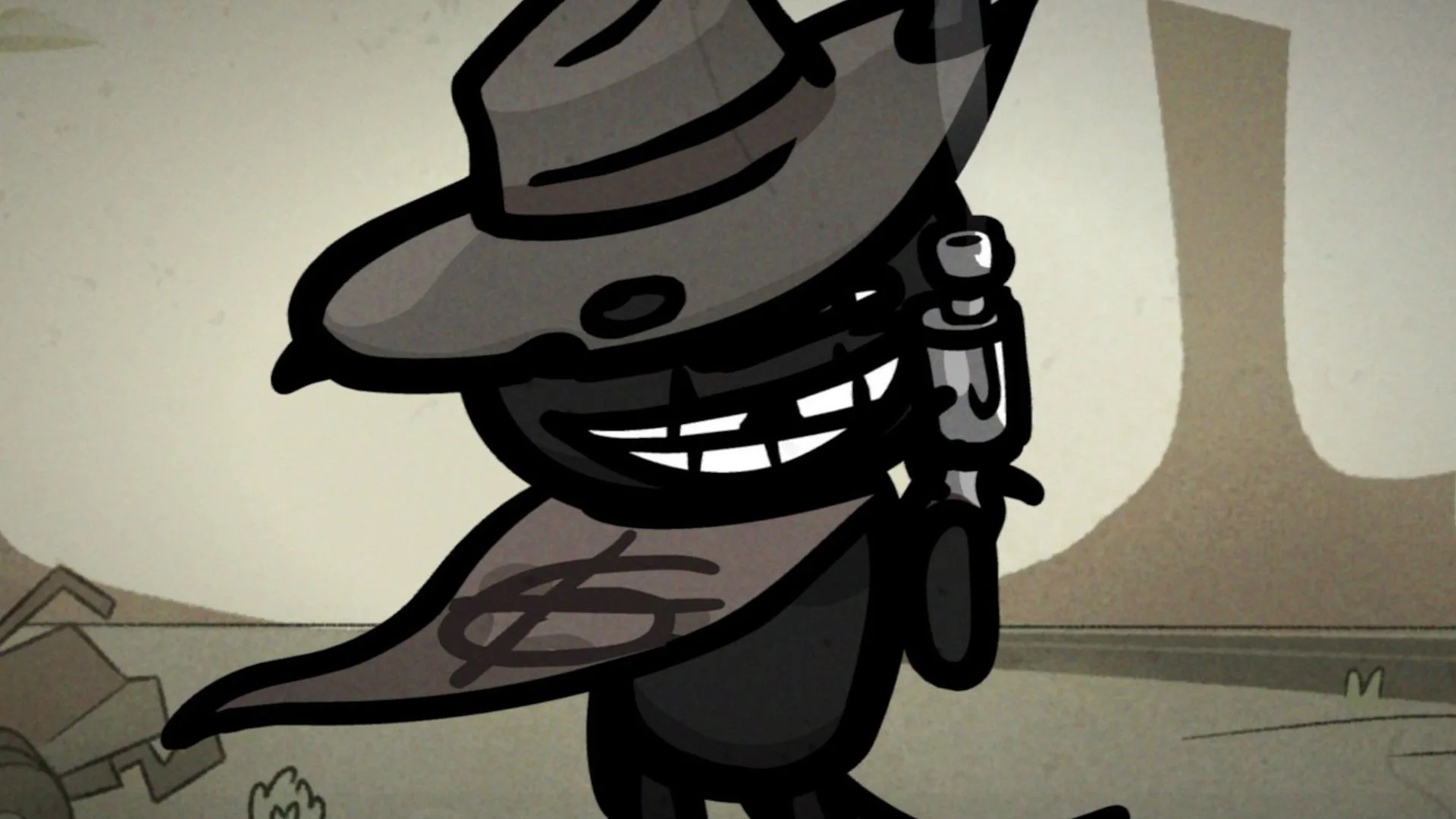
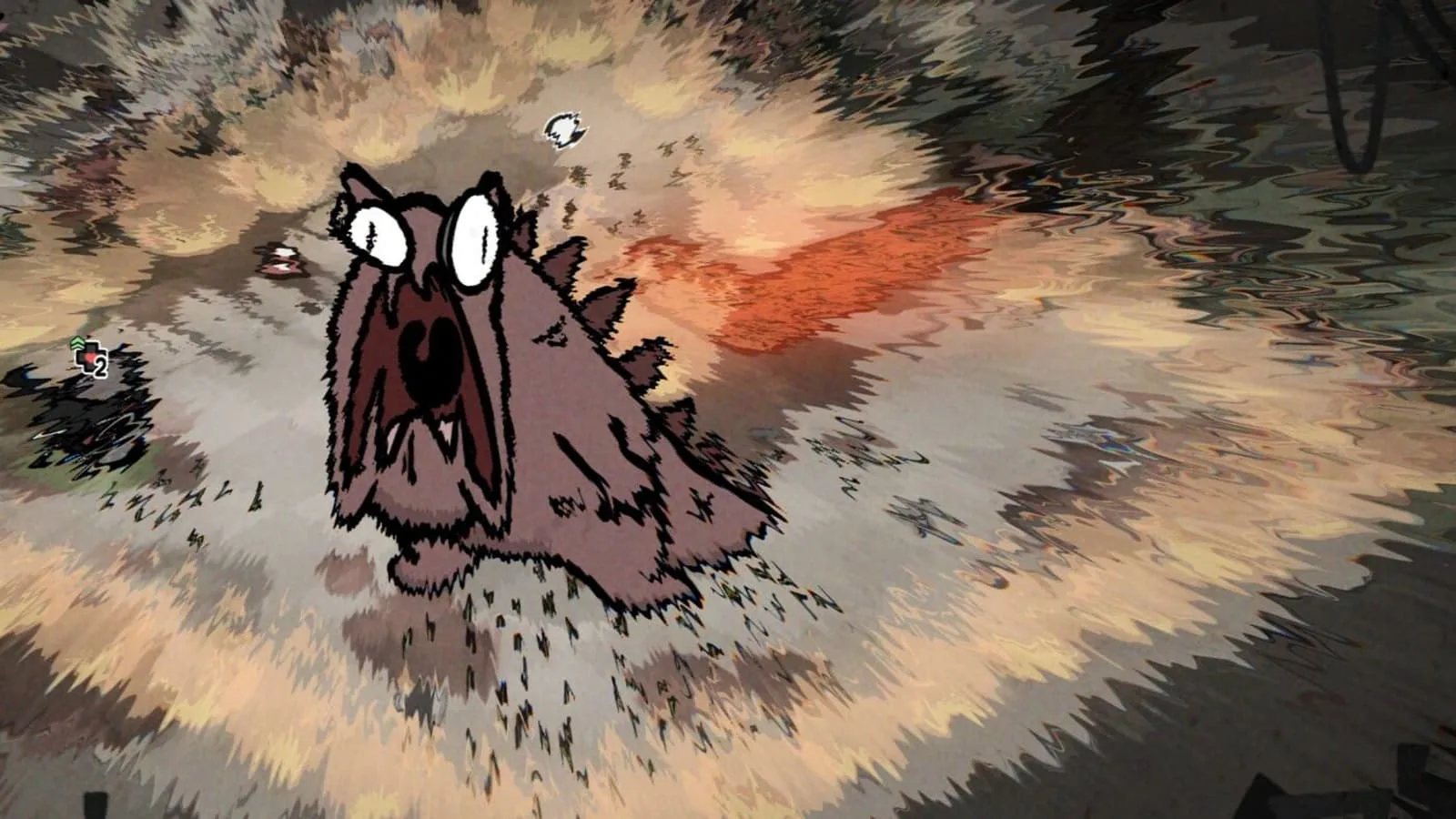
On paper, Mewgenics sounds like a fever dream. Its core loop is a genre fusion so specific it had to be invented: breed generations of mutant cats with unique genetic traits, then deploy them in structured, turn-based strategic battles. This is not a casual pet simulator. It’s a deep systems-driven game where lineage, inherited abilities, and tactical positioning are the keys to progression. This transforms the player from a mere breeder into a feline genetic architect and tactical commander, where a perfectly engineered cat with the right combination of traits can feel like a hard-won masterpiece.
The developers promised a vast, content-rich experience for its $30 price point, boasting hundreds of items, abilities, and secrets to uncover. This depth directly channels the developers' signatures. Players can feel McMillen’s dark, quirky, and often grotesque artistic humor in every strange cat hybrid and item description. It’s balanced by Glaiel’s technical prowess and proven ability to craft compelling, interlocking game systems, creating a world that is as mechanically robust as it is aesthetically distinctive.
The Critical Purr-fect Scorecard
The commercial triumph was mirrored almost perfectly by critical acclaim. Mewgenics launched to an impressive Metascore of 89, with many outlets hailing it as one of the best games of 2026. The player response on Steam was even more emphatic, with a 96% positive review rate from thousands of players.
Major publications were united in their praise for the game's ambition and execution. PC Gamer awarded it a 92%, celebrating its staggering depth and creativity. IGN France scored it an 8/10, highlighting the satisfying and complex tactical combat that emerges from its bizarre premise. The critical consensus lauds the game for delivering on its wild promise, creating a deeply strategic and rewarding experience that is utterly unique.
This praise, however, comes with a consistent and noted caveat: the game’s steep learning curve and high complexity barrier. Reviewers are transparent that Mewgenics is a demanding game, one that requires investment to unravel its many interlocking systems. This isn't framed as a flaw, but as a hallmark of its ambitious, uncompromising design.
Why It Struck a Chord: Legacy, Novelty, and Value
Several key factors converged to create Mewgenics' instant success. First and foremost is the "McMillen Factor." The immense goodwill and trust Edmund McMillen built through genre-defining hits like The Binding of Isaac and Super Meat Boy translated into a powerful, pre-existing audience. When McMillen announced his passion project was finally real, a dedicated community was ready to listen—and buy.
Secondly, the game’s sheer novelty cannot be overstated. In a market saturated with familiar genres, the pitch of a "tactical cat-breeding roguelike" stands alone. It captured the imagination through pure, unadulterated originality, offering an experience truly unavailable anywhere else.
Finally, the perceived value proposition was a significant driver. At $30, the promise of hundreds of hours of deep, systemic gameplay from a trusted developer felt like a compelling offer. In an age of live-service games and premium pricing, Mewgenics presented itself as a content-rich, one-time purchase, which undoubtedly fueled its rapid sales velocity.
The story of Mewgenics is a triumphant validation of creative vision and stubborn perseverance. Its meteoric launch was no accident or fluke, but the result of a perfect storm. A beloved developer’s long-gestating passion project, a wildly inventive and deep gameplay premise, and execution that delivered critically and commercially all aligned on a single day. While not every project can bank on a 14-year hype cycle, Mewgenics demonstrates that in an era of iterative sequels and live-service models, a singular, uncompromising vision executed with craft can still trigger a market earthquake. The question for the industry now is: who has been patiently nurturing the next strange dream?
Tags: Mewgenics, Edmund McMillen, Indie Games, Steam, Roguelike