Mewgenics' Controversial Cameos: Edmund McMillen on Creative Hate and Internet Culture
On February 10, 2026, the gaming world witnessed a peculiar paradox. Mewgenics , the long-awaited cat-breeding roguelite/tactical RPG from co-creators Edmund McMillen ( The Binding of Isaac ) and...

On February 10, 2026, the gaming world witnessed a peculiar paradox. Mewgenics, the long-awaited cat-breeding roguelite/tactical RPG from co-creators Edmund McMillen (The Binding of Isaac) and Tyler Glaiel, launched to immediate critical and commercial triumph. It recouped its development costs within hours, soared to an "overwhelmingly positive" reception on Steam, and secured a robust Metacritic score of 89. Yet, almost in the same breath, a shadow fell over its success. The controversy wasn't about its deep tactical systems or its bizarre feline eugenics premise, but about a handful of seconds-long audio clips: the "meow" cameos from a roster of divisive internet personalities.
This friction between artistic success and social friction forms the core of Mewgenics' post-launch narrative. At its center is McMillen's defiant, headline-grabbing retort to the burgeoning online backlash: "People need to get more creative with their hate!" The statement acts as a thematic anchor, forcing a confrontation with modern game discourse. Is Mewgenics' cameo list a thoughtful, abrasive commentary on internet culture, a developer's provocative stunt, or a simple misstep in judgment?
The Mewgenics Phenomenon and the Cameo Controversy
Mewgenics is, by all traditional metrics, a smash hit. A genre-blending experiment that tasks players with breeding cats for bizarre gladiatorial combat, it delivered the deep, replayable systems and darkly comic tone McMillen’s fanbase expects. The commercial and critical response validated its years-long development cycle.
The controversy stems from a specific, seemingly minor feature: a voice cameo system where various internet personalities provide short "meow" voice lines for certain cats. The inclusion of several figures considered controversial by swathes of the online community quickly ignited debate. The key names include:
- Ethan and Hila Klein (h3h3Productions): The podcasters have faced significant criticism, particularly for their commentary on the Israel-Palestine conflict.
- Matan Even: Known almost exclusively for invading The Game Awards stage in 2022.
- Christine Chandler: A trans YouTuber who has been the central, non-consenting figure in a decades-long, massively invasive online harassment campaign (often referred to as "Christory"), which includes the dissemination of deeply personal and manipulated media. Her inclusion raises distinct questions about platforming individuals who are primarily known as victims of exploitation.
The contrast was stark: a game celebrated for its inventive gameplay was simultaneously being dissected for its cultural references. This created a unique case study in modern game discourse, where peripheral content can sometimes eclipse discussion of the core experience.
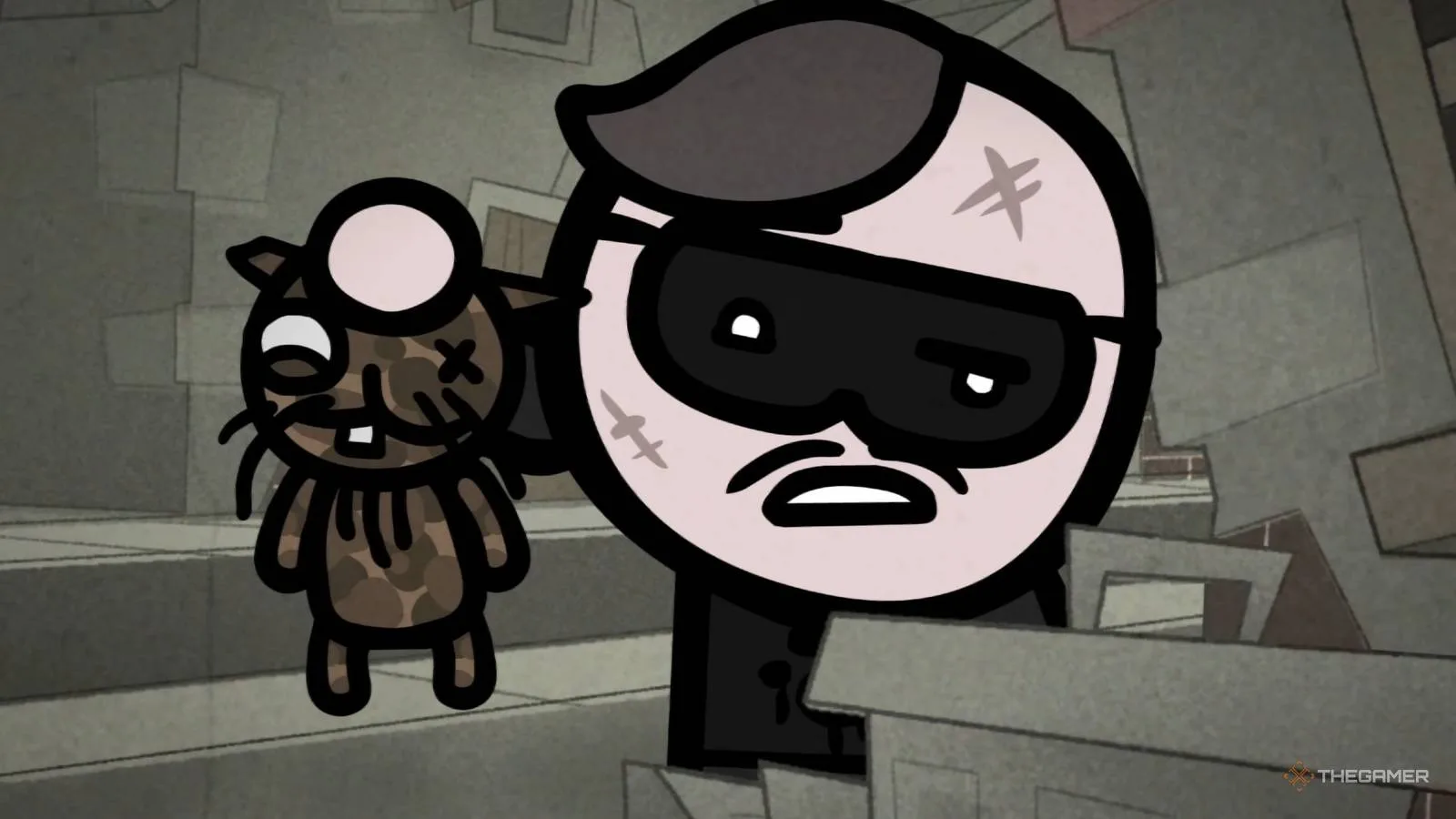
Edmund McMillen's Design Philosophy and Rationale
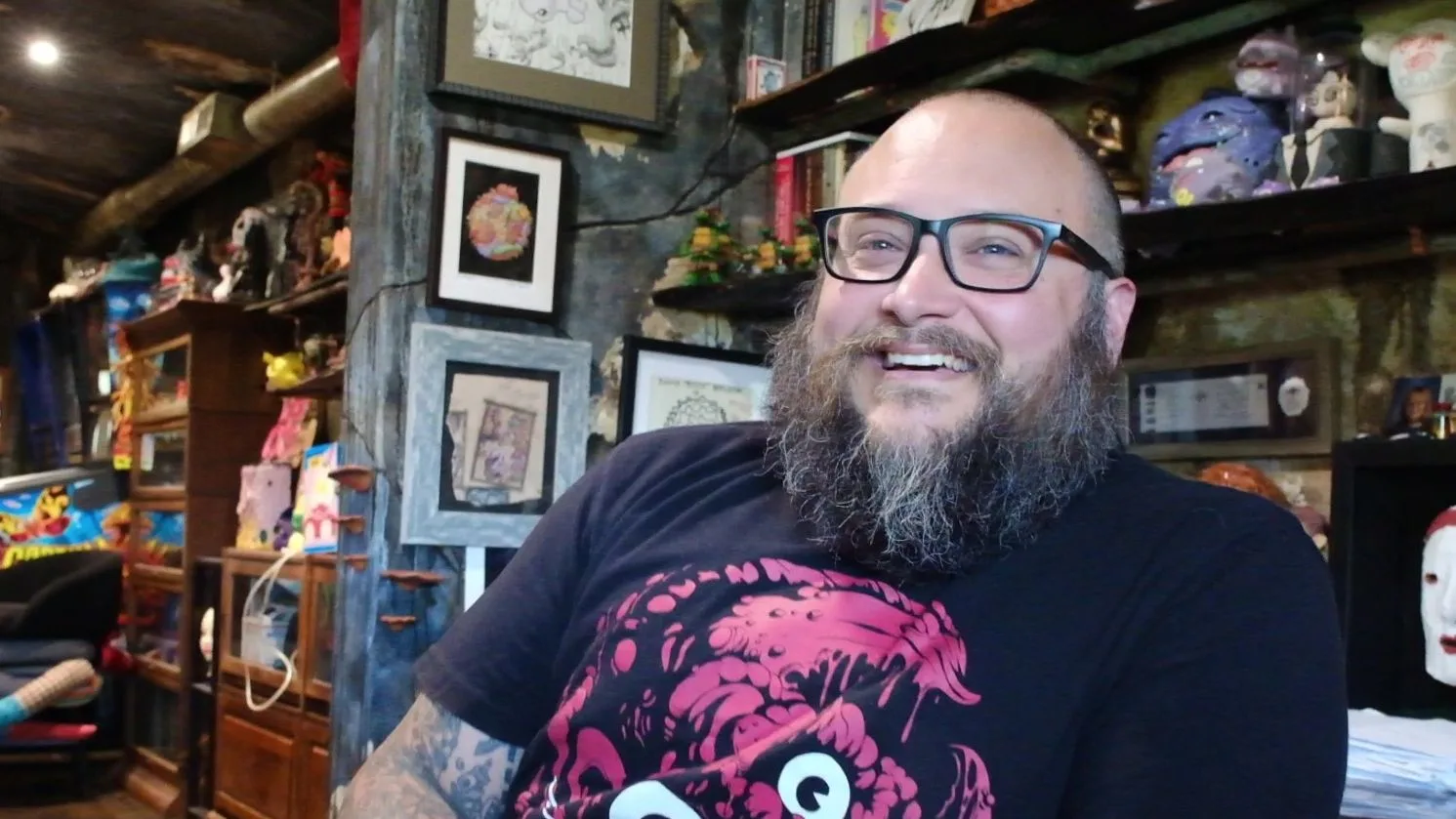
In response to the criticism, McMillen offered a detailed, unapologetic explanation of his intent. He framed the cameo list not as an endorsement of any individual, but as an attempt to curate a "cross-section of internet culture."
His approach was deliberately provocative. He sought out figures with "clashing ideologies," aiming for a form of chaotic balance. He specifically cited the inclusion of both Ethan Klein and his longtime critic/collaborator iDubbbz (and iDubbbz's partner, Anisa) as a conscious effort to represent feuding factions within the same digital ecosystem. "I don't necessarily share the opinion of any of these people," McMillen clarified, emphasizing a personal detachment from the subjects of his curation.
Logistically, McMillen noted the cameos were locked in years in advance, with some recordings—like Ethan Klein's—completed around 2022. He also engaged in pre-release coordination, directly contacting feuding parties like Klein and iDubbbz to ensure mutual comfort with their inclusion. Both agreed, suggesting a layer of consent and awareness absent from typical "outrage bait" accusations.
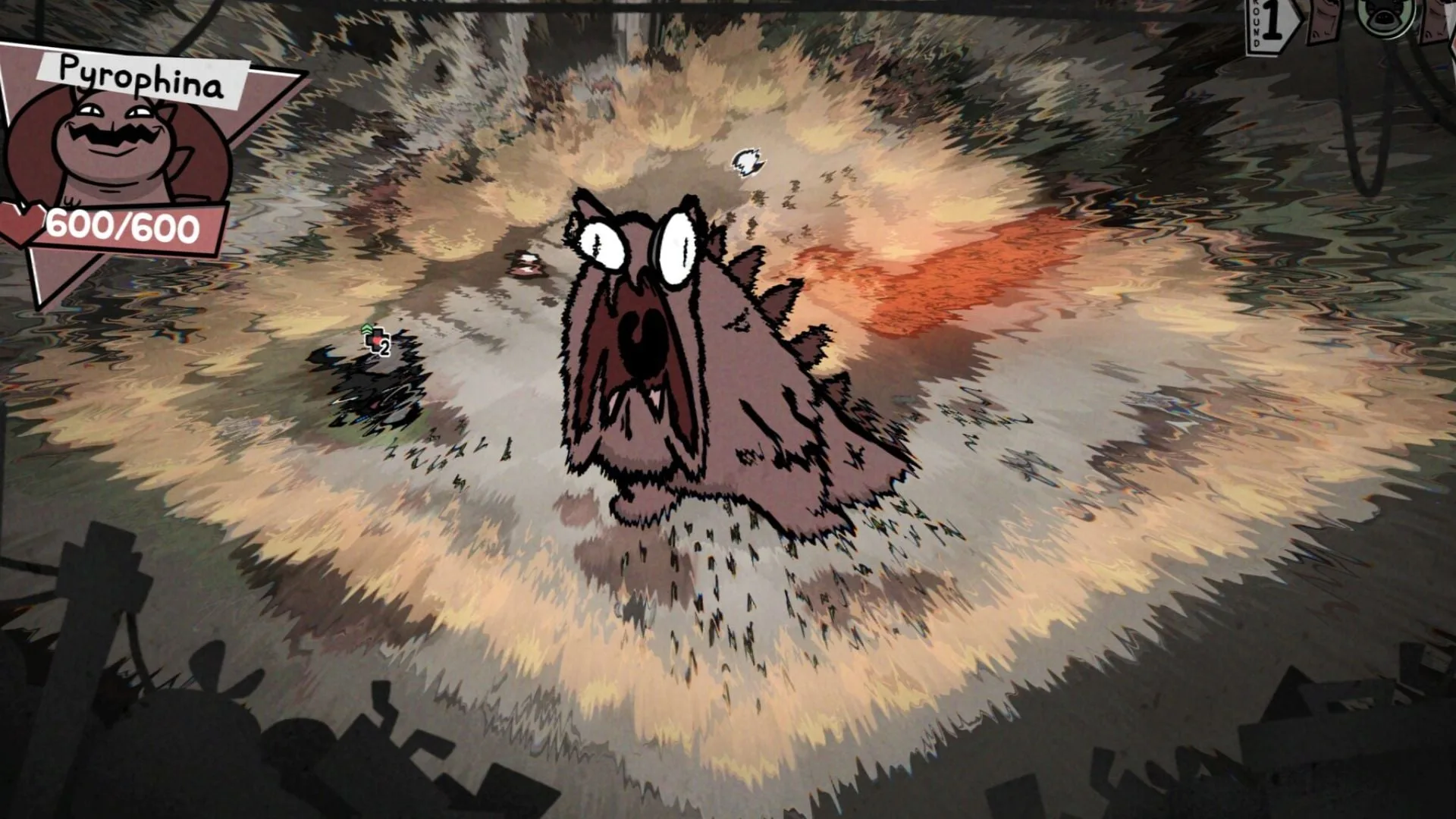
"Get More Creative With Your Hate": Dissecting the Developer's Response
McMillen's now-infamous quote, "People need to get more creative with their hate!" was more than a dismissive jab. In context, it served as a challenge to the nature of online criticism itself. It implied that the immediate, often repetitive backlash was an uncreative, predictable response to a deliberately complex provocation.
His rebuttal was twofold: practical and philosophical. On a practical level, he pointed out that Mewgenics is a game about discarding cats. If a player obtains a cat with a voice they dislike, the core gameplay loop provides a direct solution: "You can just throw it in the trash." Furthermore, he promised future mod support, offering players the technical agency to remove or replace specific meows entirely.
Philosophically, McMillen expressed skepticism that a player deeply offended by a cameo would find enjoyment in Mewgenics at all. The game's foundational humor is transgressive, dark, and absurd. His stance suggested that the cameo controversy was a superficial symptom of a deeper incompatibility, questioning whether the critics were engaging with the game's actual substance.
The Larger Debate: Provocation, Commentary, or Poor Judgment?
This incident has sparked a broader debate about the role of developers as cultural curators. One perspective views McMillen's cameo list as an artistic, if abrasive, commentary. In this reading, Mewgenics holds up a mirror to the chaotic, contradictory, and often ugly state of internet fame, forcing players to interact with its jarring reality within the game's already-absurd world.
The counter-argument is one of consequence over intent. Critics contend that platforming figures with harmful associations—regardless of satirical aim or "cross-section" justification—can normalize their presence and cause legitimate distress to players. This argument hinges on the idea that artistic framing does not neutralize real-world impact. For figures like Christine Chandler, whose notoriety is rooted in victimization, inclusion—even in a satirical "cross-section"—can be seen as perpetuating exploitation by treating a human tragedy as a cultural artifact for gameplay.
This tension highlights a fundamental question of agency: Does McMillen's in-game solution of "throw the cat away" adequately address ethical concerns about normalization, or does it reduce a serious cultural critique to a mere gameplay inconvenience? It frames player discomfort as a problem to be solved through a game mechanic, rather than engaging with the critique on its own terms. This approach echoes debates in other media where the use of real-world trauma for artistic effect is contested, forcing audiences to weigh authorial intent against personal and social consequence.
Ultimately, this raises a crucial question for players and critics alike: Is this controversy a meaningful critique of Mewgenics as a piece of art that engages with the real world, or is it a peripheral distraction from the acclaimed gameplay that sits at its heart? The debate itself may be the point. McMillen’s design forces a choice: engage with the messy reality of internet culture as presented, utilize the in-game and promised tools to curate a personal experience, or disengage entirely.
The Mewgenics controversy ultimately underscores the complex, often fraught role of game developers who weave real-world cultural touchstones into interactive fiction. Edmund McMillen, with his cameo choices and his challenge for more "creative hate," has refused to offer a comfortable, sanitized version of the internet. Instead, he has dropped players into its dissonant heart and dared them to play through it. Whether this is seen as a masterstroke of commentary or a failure of judgment may depend less on the game itself, and more on how we choose to engage with the problematic, inescapable noise of the digital age.
Tags: Mewgenics, Edmund McMillen, Video Game Controversy, Internet Culture, Game Development