Metro 2039: A Darker Descent with a New Hero and Haunting Real-World Parallels
The Metro series is defined by claustrophobic survival and the journey of Artyom. With Metro 2039 , 4A Games is closing that chapter to open a far bleaker one. Announced for a Winter 2026 release,...

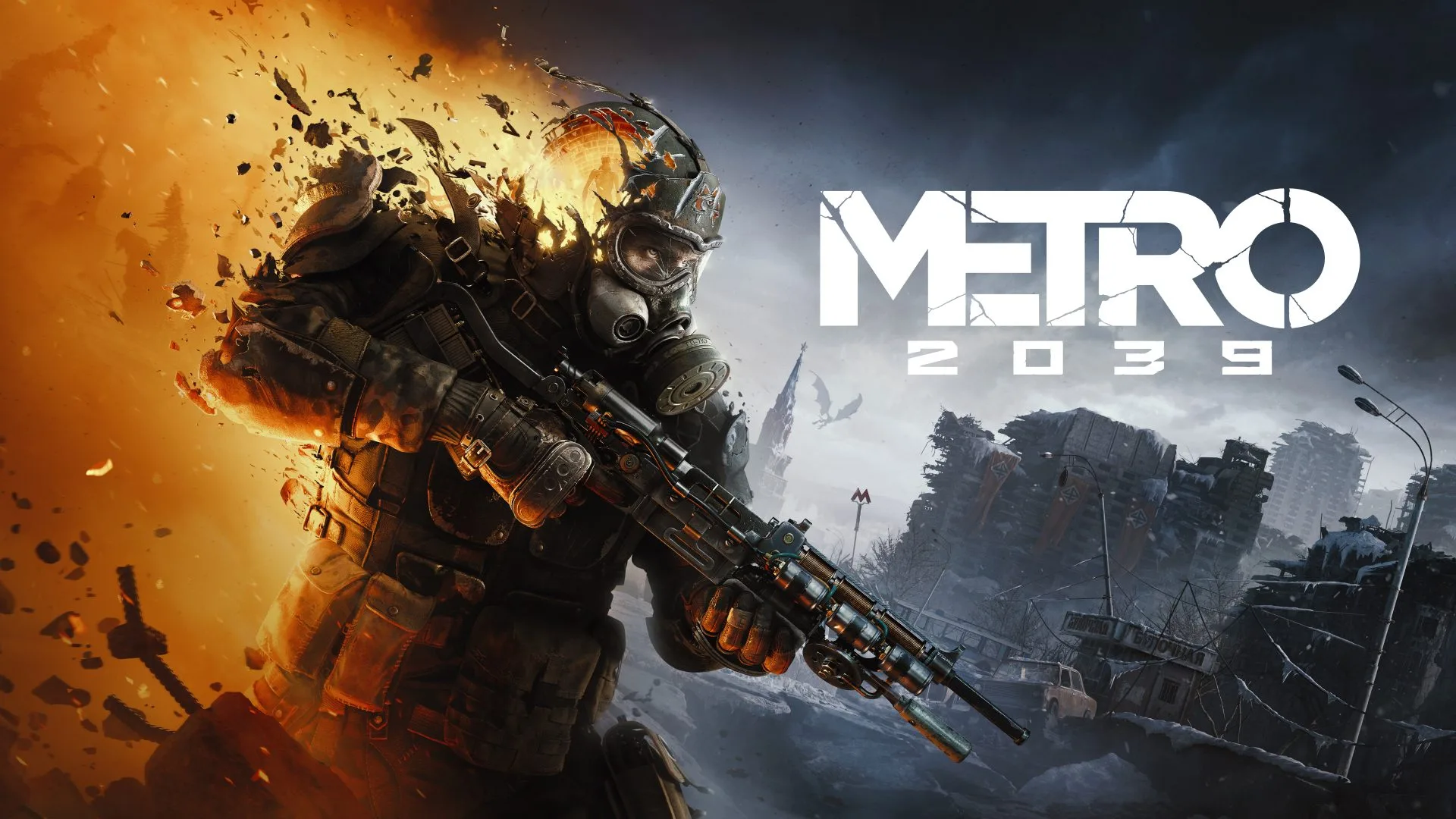
The Metro series is defined by claustrophobic survival and the journey of Artyom. With Metro 2039, 4A Games is closing that chapter to open a far bleaker one. Announced for a Winter 2026 release, this is not merely a sequel; it is a seismic evolution. It promises a future without its iconic protagonist, a harrowing return to the series’ tunnel-crawling roots, and a narrative irrevocably rewritten by the shadow of real-world conflict. This is the story of a franchise staring into the abyss, only to find its most compelling and necessary tale yet.
Leaving Artyom Behind: Introducing "The Stranger"
The silence of Artyom, communicated only through journal entries and the actions of the player, was a hallmark of the series. Metro 2039 shatters this tradition in its most fundamental shift: for the first time in a mainline game, players will not assume the role of the Spartan Order’s hopeful hero.
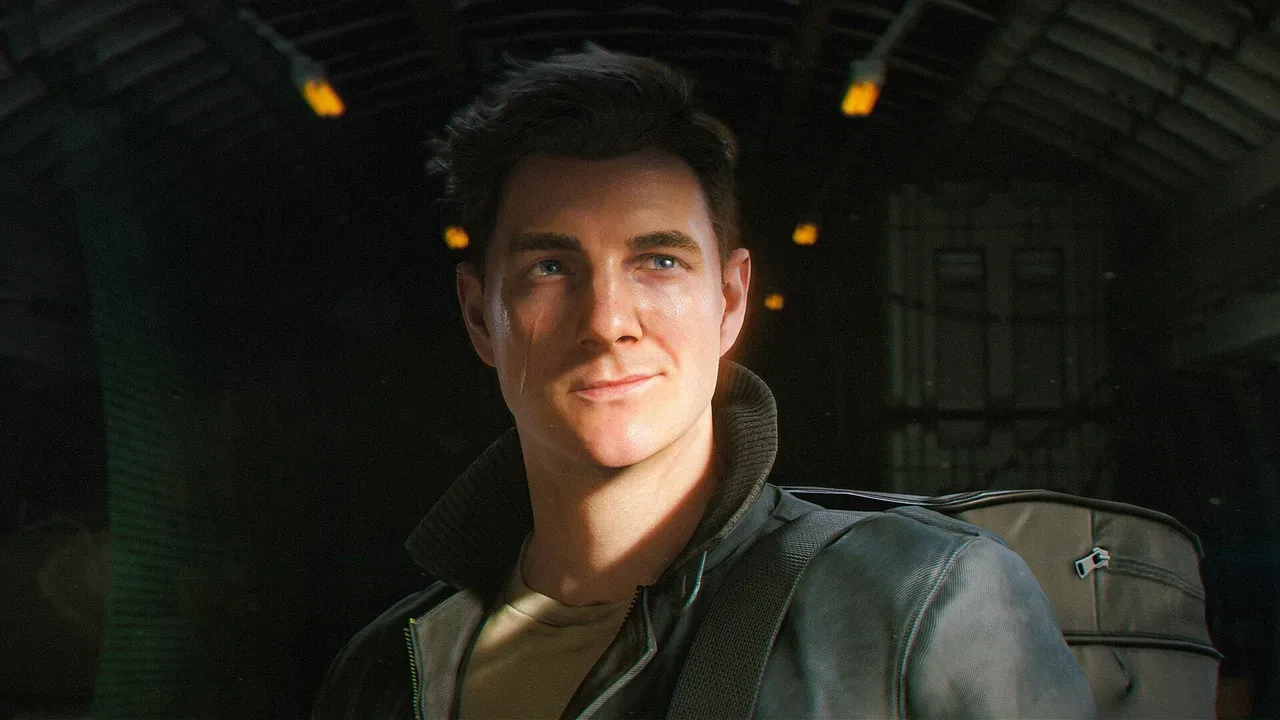
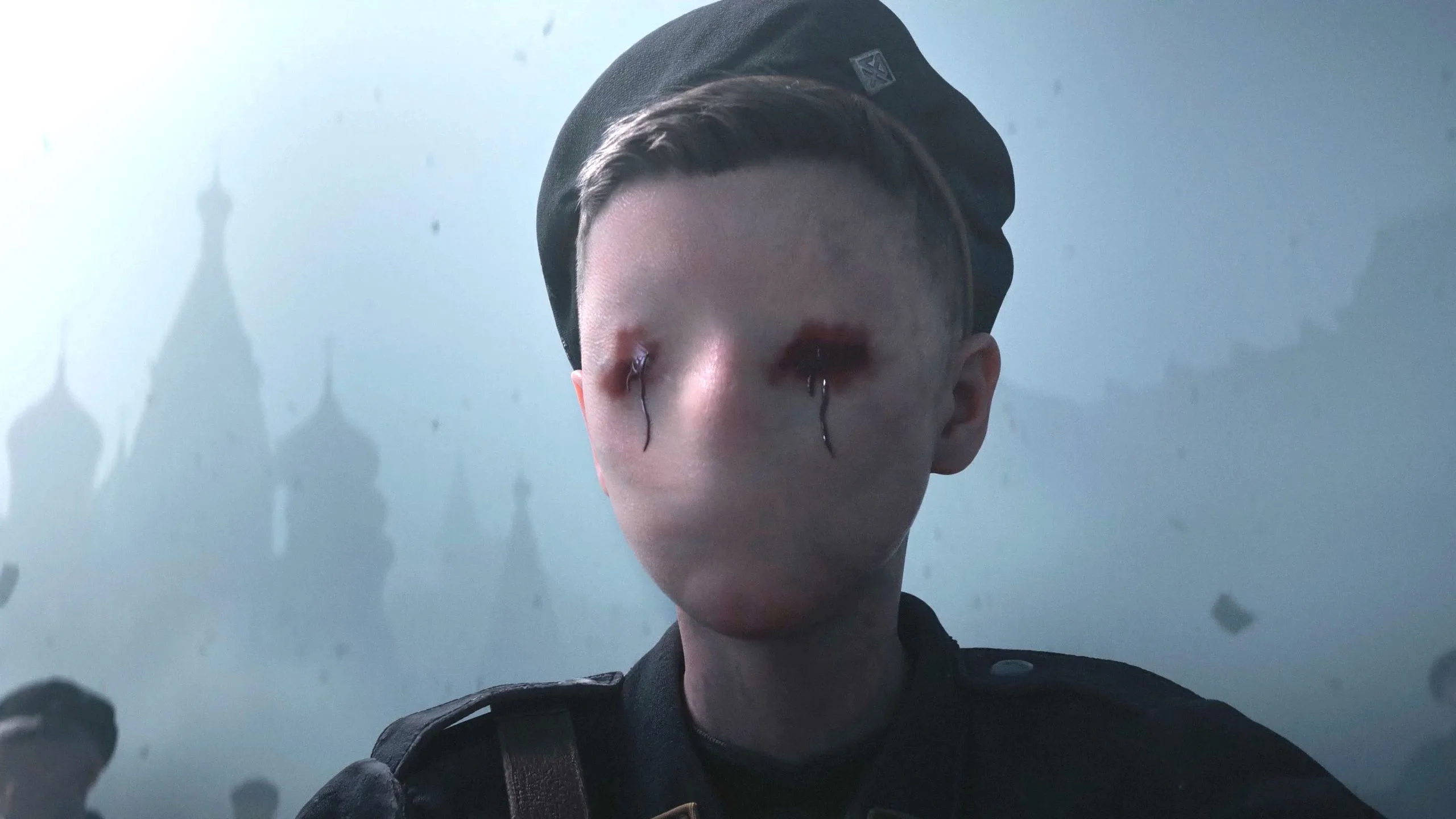
In his place stands a new, fully voiced protagonist known only as “The Stranger.” Described as a reclusive figure, he is a man haunted not just by the horrors of the Metro, but by relentless, consuming nightmares. This internal torment is the key to his mysterious past. Early details suggest a profound and possibly antagonistic connection to the Dark Ones, the psychic, enigmatic beings from the original Metro 2033 whose fate was left in the player’s hands. This link implies that the philosophical and supernatural questions that defined the series’ inception are returning with a vengeance, now personified in a single, tormented soul. The Stranger isn’t a blank slate for the player to inhabit; he is a specific, damaged character with a history that may directly challenge the legacy of Artyom’s choices.
A Return to Roots: Claustrophobia and a New Tyranny
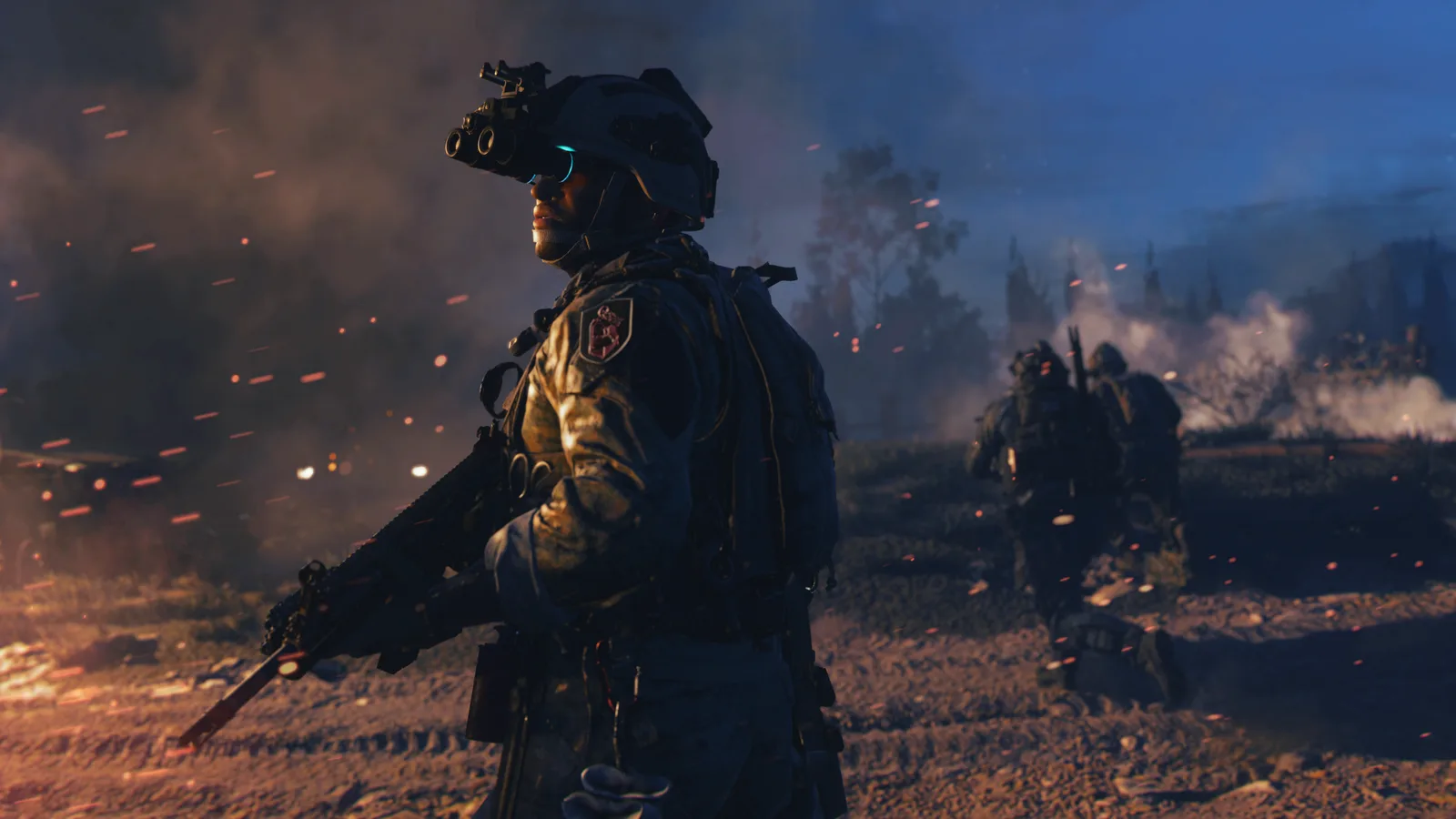
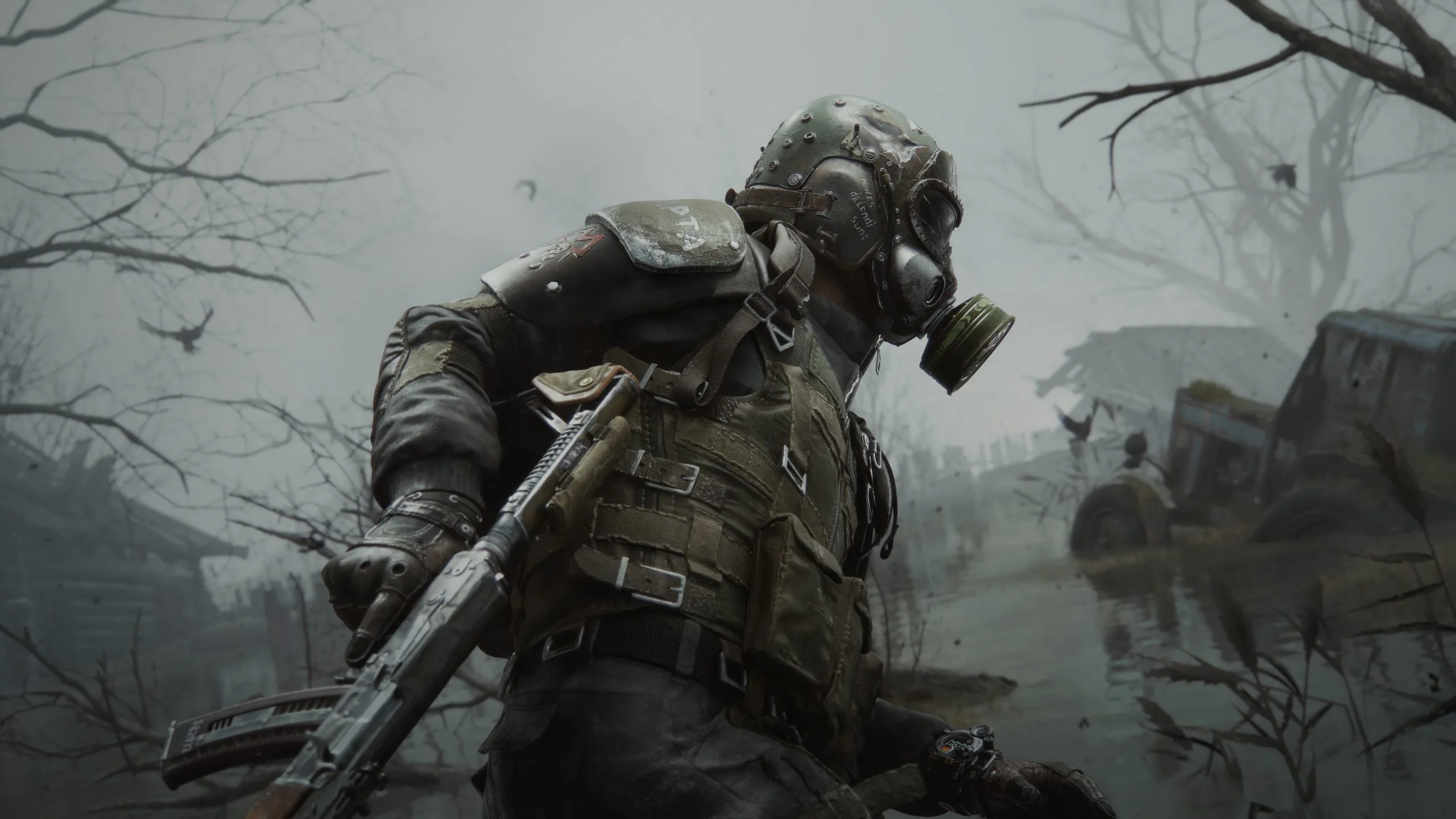
If Metro Exodus was a daring journey into the light and open air, Metro 2039 is a deliberate, terrifying retreat into the dark. The game abandons the semi-open world structure of its predecessor, promising a return to the meticulously handcrafted, oppressive tunnel-crawling that made the franchise famous. This is a calculated move to amplify tension, where every shadow in a cramped corridor could hide unspeakable terror, both mutant and human.
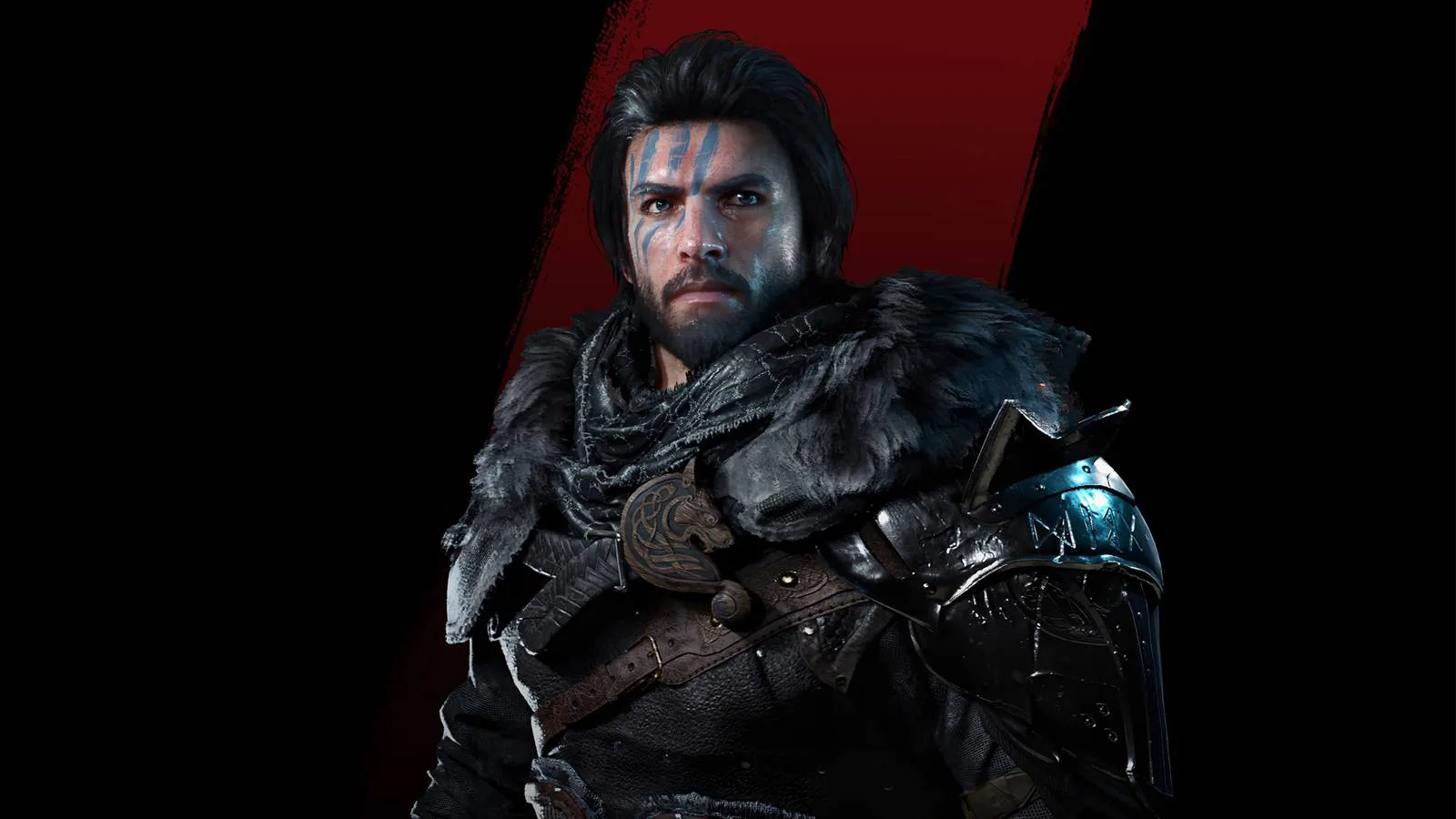
The political landscape of the Metro has also undergone a catastrophic transformation. The fragile, factional peace is gone, forcibly replaced by a new totalitarian nightmare: the Novoreich. This unified regime exerts absolute control over the survivors, crafting a dystopia within the dystopia. Leading this hell is perhaps the most poignant antagonist the series could conceive: Hunter. Once a legendary Spartan Ranger and a pivotal figure from the early games, Hunter has fallen from grace, now a self-proclaimed Führer consumed by a twisted ideology. The fall of a former hero into monstrous tyranny adds a layer of tragic depth, forcing players to confront how easily symbols of order can become instruments of oppression.
Darkness Forged in Reality: The War That Rewrote the Story
The chilling themes of Metro 2039 are not born solely from creative imagination. The developers at 4A Games, a Ukrainian studio, have been explicit about the profound impact of the Russian invasion of Ukraine on the project. The war forced a major narrative rewrite, channeling the team’s firsthand experience of conflict, displacement, and authoritarian aggression directly into the game’s DNA.
The result is a story described as “even darker,” with a strong emphasis on psychological horror. The themes have sharpened into a blade: the moral and personal cost of silence in the face of evil, the mechanics of authoritarian control, and the crushing weight of decisions made in pursuit of freedom. To navigate these fraught waters, 4A Games deepened its collaboration with Dmitry Glukhovsky, the exiled author of the original Metro novels and a vocal critic of the war. This partnership ensures the game’s fiction is a powerful, authentic conduit for very real struggles, transforming Metro 2039 from a post-apocalyptic tale into a poignant reflection of contemporary horrors.
Survival Reforged: Gameplay and Technological Descent
This intensified narrative vision is supported by a refined gameplay focus. Metro 2039 reaffirms its core as a story-driven, single-player experience, built on the trilogy’s pillars of tense survival mechanics, brutal combat, and careful stealth. Every bullet, filter, and medkit will count as players navigate the Novoreich’s controlled scarcity. The shift to a more linear, claustrophobic structure raises compelling questions: will the psychological horror manifest in new mechanics, such as managing The Stranger’s deteriorating mental state alongside his physical resources? How will the omnipresent threat of the Novoreich reshape player choice and stealth in a tightly controlled environment?
Powering this descent is an updated version of the studio’s proprietary 4A Engine. Renowned for its graphical fidelity and immersive atmospherics, the enhanced engine promises significant advancements, particularly in lighting and environmental physics. This technology is not just for show; it is the essential tool for realizing the game’s core promise: to create an unparalleled, physically plausible, and light-starved hellscape. The flicker of a flashlight on wet tunnel walls, the dynamic shadows hiding mutants, and the oppressive darkness will all be leveraged to achieve a new level of sensory immersion, making the Metro feel more terrifyingly tangible than ever before.
Metro 2039 represents the culmination of a journey, both for its fictional world and the real-world team that builds it. By replacing Artyom with the haunted Stranger, returning to claustrophobic tunnels ruled by a fallen hero’s tyranny, and bravely weaving the trauma of modern conflict into its fabric, 4A Games is not playing it safe. This is the series’ most daring, politically charged, and emotionally resonant vision. It is a survival-horror experience forged in adversity, poised to hold a dark mirror to our world while redefining the depths of its own. When it emerges this Winter, Metro 2039 won't just ask us to survive the Metro—it will demand we confront the darkness, both in its tunnels and in our world, that makes survival a harrowing moral act.
Tags: Metro 2039, 4A Games, Survival Horror, Video Game News, Dmitry Glukhovsky