Metal Gear Solid 4 Review: Kojima's Polarizing Masterpiece Finally Escapes PS3 Purgatory
For 18 years, Solid Snake's swansong sat in a prison of its own making. A technical marvel built for the PlayStation 3's notoriously difficult Cell architecture, Metal Gear Solid 4 became gaming's...

For 18 years, Solid Snake's swansong sat in a prison of its own making. A technical marvel built for the PlayStation 3's notoriously difficult Cell architecture, Metal Gear Solid 4 became gaming's most famous platform hostage. Nearly every other major Metal Gear title had been re-released by 2026, yet MGS4 remained locked to aging hardware, a relic of 2008 that new players could only experience by hunting down an old console. That era ends on August 27, 2026, when Metal Gear Solid: Master Collection Vol. 2 brings the game to PS5, Xbox Series X|S, Switch, Switch 2, and PC for the first time.
The question hanging over this historic release is twofold. Does Solid Snake's farewell hold up at 4K/60 off its native hardware? And was it always the misunderstood masterpiece its defenders claimed, or the bloated, self-indulgent mess its critics mocked? The answer, as with most things Kojima, is complicated.
The Great PS3 Jailbreak: How MGS4 Finally Got Out
When MGS4 launched on June 12, 2008, it was more than a game. It was a system seller, a technical showcase that Konami and Sony positioned as the ultimate demonstration of what the Cell processor could do. That ambition became its curse. The game was so deeply optimized for the PS3's exotic architecture that porting it became a logistical nightmare. Konami left it there, untouched, as the rest of the series moved to modern platforms.
That changes with Master Collection Vol. 2. Announced in February 2026, the bundle pairs MGS4 with Metal Gear Solid: Peace Walker and Metal Gear: Ghost Babel at a suggested $50/£40 price point, though regional pricing may vary. The collection's headline is unmistakable. Konami's official site calls the MGS4 inclusion its "first-ever port," and the release has been widely framed as an escape from "PS3 purgatory," a historic moment for game preservation that finally cracks open one of the medium's most significant locked vaults.
4K/60 Swansong: How the Remaster Holds Up
The technical package is exactly what preservation-minded fans hoped for. MGS4 targets 4K resolution at 60 frames per second on PS5, Xbox Series X, and PC, while the original Switch is capped at 30 FPS. Switch 2 support is confirmed, though Konami has yet to specify its target resolution or frame rate. PC Gamer's hands-on testing, conducted on an RTX 5090 and Ryzen 7 9800X3D rig, shows the game running smoothly through its most chaotic battlefields, with the CPU-heavy encounters that once strained the Cell processor holding their pace admirably.
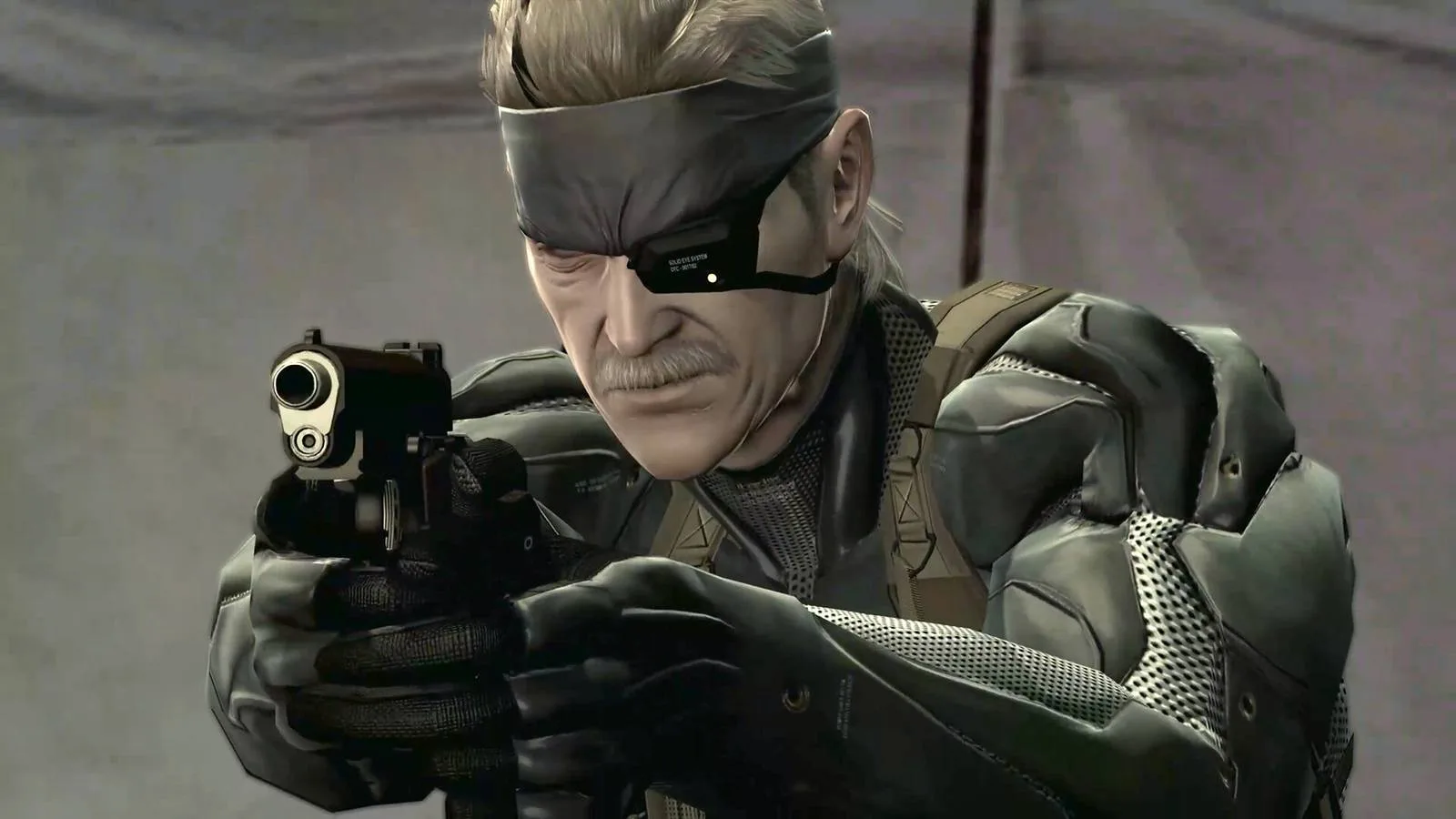
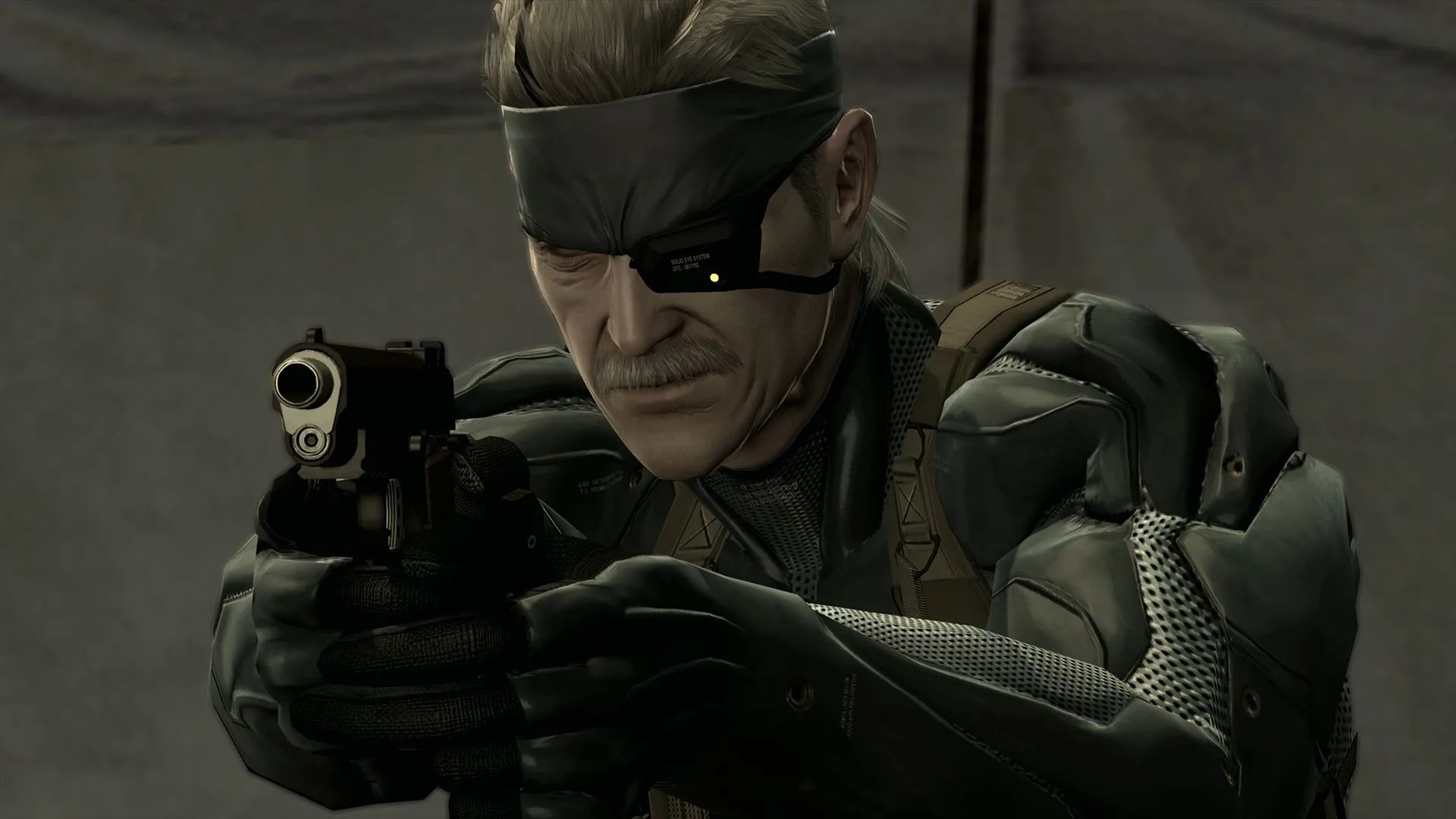
Visually, this is not a ground-up remaster. The underlying assets are unchanged, and close-ups reveal soft textures and character models that date to 2008. Yet the directorial flair does the heavy lifting. Cutscenes still hit with cinematic weight, and the bump to 60fps gives Snake's movements a fluidity the PS3 version never delivered. Load times on modern storage are dramatically improved, and act transitions that once demanded patience now pass in moments. The OctoCamo suit, which lets Snake blend into his environment in real time, remains as clever a toy as ever, even if the surfaces it mimics are less detailed than modern games.
There are caveats worth knowing before you dive in. Metal Gear Online does not return, a notable absence confirmed by the official collection page listing only the three single-player games. A fan report, unverified by major outlets, claims the Switch version strips out an iconic PS3-referential joke. Treat that one as rumor until Konami addresses it directly.
Universal Acclaim vs. Polarizing Backlash: The Critical Reckoning
The 2008 paradox remains one of gaming's great critical curiosities. MGS4 earned "universal acclaim" on Metacritic at launch, with reviewers praising its ambition, production values, and emotional conclusion. Yet it also sparked some of the era's most ferocious player backlash, a divide that reached its peak when Eurogamer's skeptical Oli Welsh review drew thousands of furious comments. The scoreboard said masterpiece. The discourse said disaster.
The sources of contention were clear: roughly eight hours of cutscenes, a maximalist story that demanded patience, an Act 4 nostalgia tour through Shadow Moses, and the infamous microwave corridor, a grueling gauntlet that tested player endurance in service of thematic payoff. For every player who found these choices audacious, another found them self-indulgent. Both readings were valid in 2008, and both remain valid in 2026.
The remaster-era critical consensus has swung decisively toward celebration. VGC calls Vol. 2 "pound for pound, one of the highest-quality collections of games ever," while Polygon's review declares "There Will Never Be Another Game Like Metal Gear Solid 4." Creative Bloq's take is even more direct: "18 years later, MGS4 still feels like an event."

Solid Snake's Final Mission: What the Re-release Means in 2026
Context matters here. Kojima repeatedly stated that MGS4 would be his final Metal Gear game, and the game itself is a deliberate conclusion to Solid Snake's saga. The aging protagonist, his body failing from accelerated cellular decay, fights through a world where war has become a business, where private military companies wage endless conflict for profit. That theme landed with weight in 2008. In 2026, with global conflict reshaping geopolitics, it feels eerily prescient.
The re-release finally offers a new generation a modern avenue into this landmark PS3 game without needing to track down obsolete hardware. As an entry point, it is a demanding one, dense with references to earlier entries in the series. As a concluded chapter, it works beautifully. This is a game meant to be experienced as part of a larger saga, but its emotional core, an old soldier confronting the machinery that created him, stands on its own.
Time has been kind to MGS4 in unexpected ways. The game that once felt impossibly bloated now reads as a maximalist flex, a creator pushing the boundaries of what a video game could be. The game that once felt overlong now feels poignant, its themes of legacy, sacrifice, and the costs of war resonating with fresh urgency.
A Swansong Finally Out of the Cage
Eighteen years in PS3 purgatory could have made MGS4 a curio, a historical footnote for preservationists. Instead, Master Collection Vol. 2 makes the case that this polarizing masterpiece deserves its freedom. The 4K/60 treatment gives the game a new lease on life, even if the underlying visuals show their age. The missing Metal Gear Online and the unconfirmed Switch joke removal are genuine blemishes on an otherwise preservation-forward release.
For veterans, this is the definitive way to replay Snake's farewell. For newcomers, it's an imperfect but essential entry point, provided you accept the game's demands and the collection's omissions. The deeper gift is the chance to finally decide for yourself. Was MGS4 a masterpiece, a mess, or both? The answer remains as contested in 2026 as it was in 2008, but now at least it can be argued from personal experience rather than hearsay. Solid Snake salutes his own farewell from a platform that no longer cages him. For new players and veterans alike, that is worth celebrating.